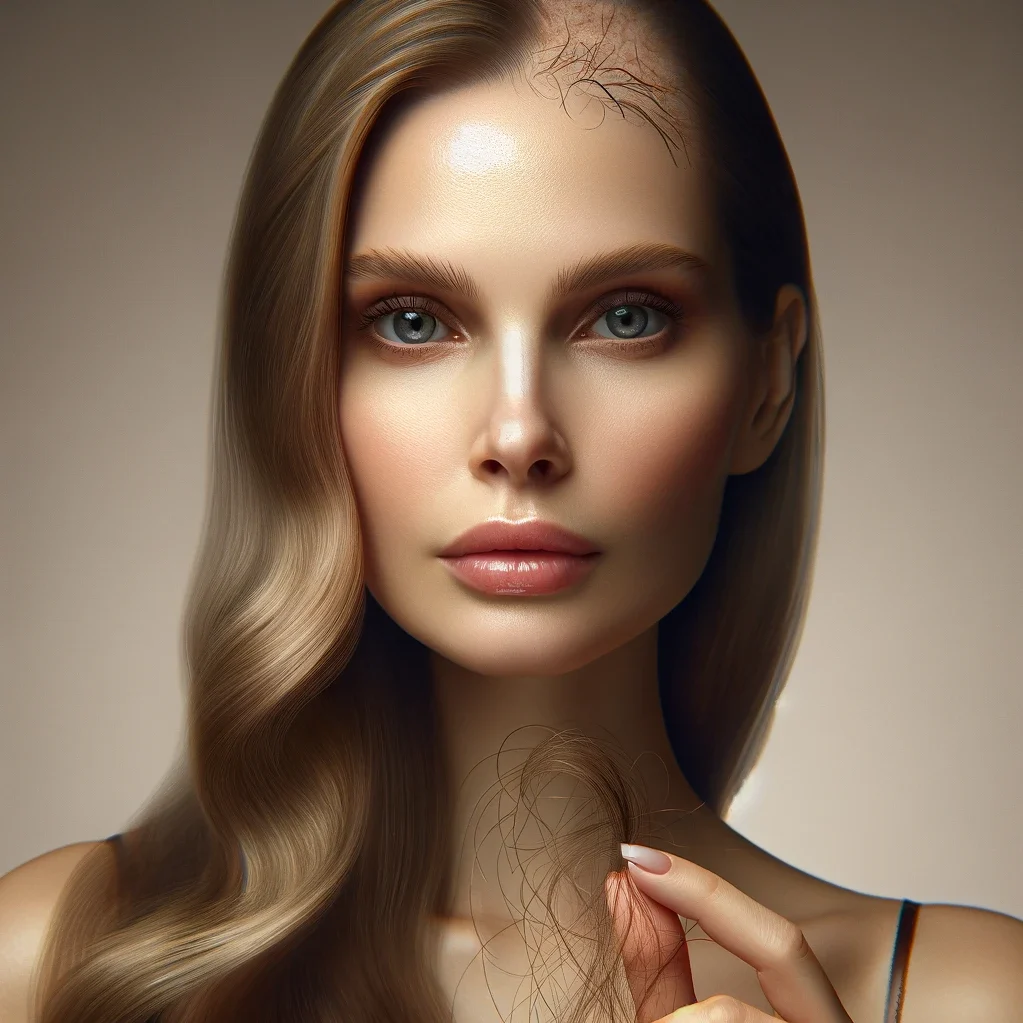

Androgenic alopecia, also known as female pattern hair loss, is a common condition that causes hair thinning in women. It can have significant effects on self-esteem and overall well-being. The condition is characterized by a disruption in the normal hair growth cycle, leading to hair follicle damage or abnormal hair growth. Diagnosis involves a careful history and physical examination, as well as possible laboratory tests and biopsy.
Key Takeaways:
- Androgenic alopecia, or female pattern hair loss, is a common condition causing hair thinning in women.
- It is characterized by a disruption in the normal hair growth cycle.
- Diagnosis involves a thorough history, physical examination, and possibly laboratory tests.
- Treatment options include minoxidil, spironolactone, and finasteride.
- Seeking emotional support and counseling is important for managing the psychosocial impact of hair loss.
Pathophysiology of Androgenic Alopecia
In androgenic alopecia, the hair follicles go through abnormal cycles, resulting in a disruption of the growth phase (anagen), rest phase (telogen), and transition phase (catagen). The presence of androgens activates genes that shorten the anagen phase, causing the hair follicles to shrink and become miniaturized. This leads to the production of shorter, finer hair and the replacement of pigmented terminal hairs with nonpigmented vellus hairs. Hair thinning in women with androgenic alopecia is diffuse but more pronounced in the frontal and parietal regions. Androgen receptors, the enzymes involved in androgen metabolism, and the levels of circulating androgens are all factors that contribute to the pathophysiology of androgenic alopecia.
Diagnosis of Androgenic Alopecia
Diagnosing androgenic alopecia in females requires a comprehensive approach that includes a detailed history and thorough physical examination. By considering the duration and pattern of hair loss, presence of shedding or thinning, and potential underlying causes, we can gain valuable insights into the condition.+
During the physical examination, our focus is on carefully assessing the scalp for signs of inflammation or scaling. We also evaluate the density and distribution of hair to identify any abnormalities. Additionally, we examine the hair shaft for characteristics such as caliber and fragility, which can provide further clues about the condition. This comprehensive examination allows us to gather essential information for an accurate diagnosis.
The pull test is another method used to assess hair shedding and determine the severity of androgenic alopecia. During this test, a small bunch of hairs is gently pulled from the scalp. A positive result, where more than 10% of the hairs are easily plucked, indicates excessive shedding and can further support the diagnosis.
If the diagnosis is not clear from the history and examination alone, additional tests may be recommended. Laboratory tests, such as blood tests, can help rule out other potential causes of hair loss and provide valuable insights into hormonal imbalances or nutrient deficiencies. In some cases, a punch biopsy may be performed to examine the hair follicles under a microscope, confirming the diagnosis and ruling out other conditions.
By utilizing a combination of history, physical examination, and appropriate diagnostic tests, we can confidently diagnose androgenic alopecia in females. This comprehensive approach enables us to develop personalized treatment plans and provide the best possible care for our patients.
Treatment Options for Androgenic Alopecia
The treatment of androgenic alopecia in females involves various options. These options can help promote hair growth, improve hair density, and boost self-confidence. Let’s explore some of the effective treatment options:
Minoxidil
Minoxidil is a commonly used topical medication for treating androgenic alopecia. It works by extending the anagen phase, which is the active phase of hair growth. This promotes the growth of thicker and longer hair by enlarging hair follicles. Minoxidil is available over-the-counter and can be easily applied to the scalp.
Spironolactone and Finasteride
In certain cases, oral medications like spironolactone and finasteride may be prescribed by healthcare professionals. These medications can be effective, especially in cases where signs of hyperandrogenism are present. They work by blocking the effects of androgens, which can help reduce hair loss and promote hair regrowth.
Topical Tretinoin
When used in conjunction with minoxidil, topical tretinoin has shown promising results in promoting hair regrowth. Tretinoin is a retinoid that helps enhance the absorption of minoxidil and improve its effectiveness. It works by stimulating the hair follicles, leading to increased hair growth and improved hair density.
Hair Transplantation
In more severe cases of androgenic alopecia, hair transplantation may be considered as a treatment option. This surgical procedure involves transplanting healthy hair follicles from one part of the scalp to areas with thinning or no hair. Hair transplantation can provide a permanent solution for restoring hair density and enhancing overall appearance.
While there are various treatment options available, it’s important to note that individual results may vary. It may take several months of consistent use to see noticeable improvements in hair growth and density. It’s recommended to consult with a healthcare professional to determine the most suitable treatment plan based on individual needs and preferences.
Remember, managing and treating androgenic alopecia requires patience and a comprehensive approach. By exploring different treatment options, you can regain hair confidence and embrace a fuller head of hair once again.

Managing Hair Loss in Women
Hair loss can have a significant impact on a woman’s self-esteem and overall well-being. It’s important for individuals facing hair loss to seek support and counseling to help cope with the psychosocial effects. Working with a therapist, clinical psychologist, or support group can provide valuable support and guidance during this challenging time. Additionally, having a supportive network of partners, family members, or friends can also be beneficial. Some individuals choose to accept their hair loss and embrace it, while others opt for treatment options to regrow or prevent further hair loss.
Impact on Self-esteem and Well-being
The loss of hair can greatly affect a woman’s self-esteem. Our hair is closely tied to our identity and can influence how we perceive ourselves and how others perceive us. When confronted with hair loss, women may experience feelings of insecurity, embarrassment, and a loss of confidence.
The psychosocial impact of hair loss can extend beyond self-image. It may cause individuals to withdraw socially, avoid certain activities, or experience heightened anxiety and depression. The emotional toll can be deep and profound, affecting various aspects of a woman’s life.
Coping Strategies
Developing effective coping strategies is essential for managing the psychological impact of hair loss. Here are some strategies that may be helpful:
- Seeking support: Reach out to professionals, such as therapists or clinical psychologists, who specialize in helping individuals navigate the emotional challenges associated with hair loss. Consider joining a support group to connect with others who are going through similar experiences.
- Fostering a positive support network: Surround yourself with friends, family, and loved ones who provide encouragement, understanding, and empathy. Having a strong support system can make a significant difference.
- Embracing self-care: Engage in activities that promote self-care and self-acceptance. This may include practices such as meditation, exercise, yoga, or engaging in hobbies that bring joy and fulfillment.
- Exploring new hairstyles and accessories: Experimenting with different hairstyles, headscarves, wigs, or accessories can help boost confidence and allow for self-expression. It can be empowering to play with different looks and find what makes you feel most comfortable.
Professional Counseling and Support Groups
Professional counseling and support groups can provide valuable resources and guidance for managing the psychosocial impact of hair loss. Counseling can help individuals address underlying emotions, develop coping strategies, and work towards acceptance and self-confidence. Support groups offer a safe space to share experiences, receive encouragement, and gain insights from others facing similar challenges.
Remember, every individual’s experience with hair loss is unique. What works for one person may not work for another. It’s important to find what coping strategies and support systems resonate with you and align with your values and beliefs. With the right support and self-care, it’s possible to navigate the emotional journey of hair loss and foster a positive sense of well-being.
Female Hair Regrowth Options
In addition to medication-based treatments, there are other options available for hair regrowth in women with androgenic alopecia. Platelet-rich plasma (PRP) therapy, surgical options, and laser light devices are some of the alternatives worth considering.
Platelet-Rich Plasma Therapy
 Platelet-rich plasma (PRP) therapy involves injecting the patient’s own blood plasma, which is rich in growth factors, into the scalp to stimulate hair growth. This innovative treatment utilizes the regenerative properties of platelets to promote the regeneration and revitalization of hair follicles. The growth factors in PRP can potentially enhance cell multiplication and hair follicle health, leading to improved hair growth. Multiple sessions of PRP therapy may be required to achieve optimal results.
Surgical Options
In severe cases of hair loss, surgical options such as hair transplantation using minigrafts can provide a more permanent solution. This procedure involves extracting hair follicles from a donor area and transplanting them into areas of thinning or baldness. The transplanted hair follicles continue to grow naturally, resulting in improved hair density and appearance. Hair transplantation is a meticulous and intricate procedure that should be performed by a skilled and experienced surgeon.
Laser Light Devices
Laser light devices that emit low-level laser therapy have also shown promise in promoting hair regrowth. These devices work by stimulating blood circulation in the scalp and energizing hair follicles, leading to hair growth. Low-level laser therapy is non-invasive, safe, and painless, making it an attractive option for individuals seeking hair regrowth without the need for surgery or medications. Regular use of laser light devices as recommended by a healthcare professional may help restore hair thickness and improve overall hair health.
It’s important to consult with a healthcare professional specializing in hair loss to determine the most suitable options based on individual needs and preferences. Each person’s condition is unique, and a personalized treatment plan can improve the chances of successful hair regrowth.
Conclusion
Androgenic alopecia in females is a common condition that can be distressing and impact self-esteem. Understanding the causes, diagnosis, and treatment options for this condition is crucial in managing and addressing hair loss in women.
Treatment options range from topical medications such as minoxidil to oral medications like spironolactone or finasteride. These treatments help promote hair growth and prevent further hair loss.
In more severe cases of hair loss, other options, such as platelet-rich plasma (PRP) therapy or surgical interventions like hair transplantation, may be considered. It is important to consult with healthcare professionals to determine the most suitable options based on individual needs and preferences.
To effectively manage and cope with the psychosocial impact of hair loss, it is essential to seek support and guidance from healthcare professionals and counseling resources. They can provide valuable support and help individuals navigate the emotional aspects of hair loss. Additionally, there are various female hair growth products available on the market that can assist in regrowth. Remember, you are not alone, and there are options available to address female hair loss and promote hair regrowth.
FAQ
What is androgenic alopecia in females?
Androgenic alopecia, also known as female pattern hair loss, is a common condition that causes hair thinning in women.
What are the causes of androgenic alopecia?
Androgenic alopecia is caused by a disruption in the normal hair growth cycle, leading to hair follicle damage or abnormal hair growth. It is mediated by the presence of the androgen dihydrotestosterone.
How does androgenic alopecia affect hair follicles?
Androgenic alopecia causes hair follicles to shrink and become miniaturized, resulting in the production of shorter, finer hair and the replacement of pigmented terminal hairs with nonpigmented vellus hairs.
How is androgenic alopecia diagnosed in females?
The diagnosis of androgenic alopecia in females is primarily made through a thorough history and physical examination. Additional laboratory tests or a punch biopsy may be recommended to rule out other causes of hair loss.
What are the treatment options for androgenic alopecia in females?
Treatment options for androgenic alopecia in females include minoxidil, spironolactone, finasteride, and topical tretinoin. In more severe cases, hair transplantation or the use of wigs may be considered.
How can hair loss in women be managed?
Managing hair loss in women involves seeking support and counseling to cope with the psychosocial effects. Working with a therapist, psychologist, or support group can provide valuable support and guidance.
What are the options for female hair regrowth?
Options for female hair regrowth include platelet-rich plasma therapy, surgical interventions such as hair transplantation, and the use of laser light devices.