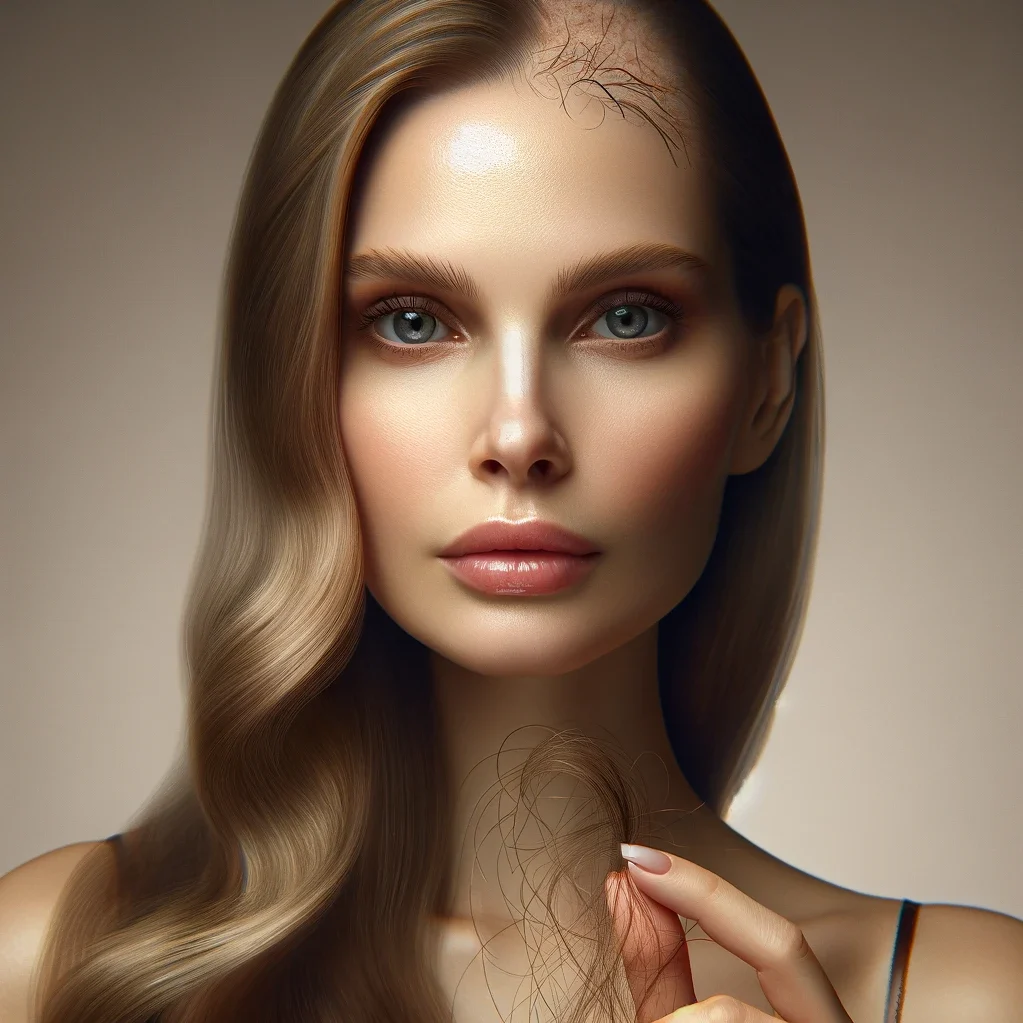
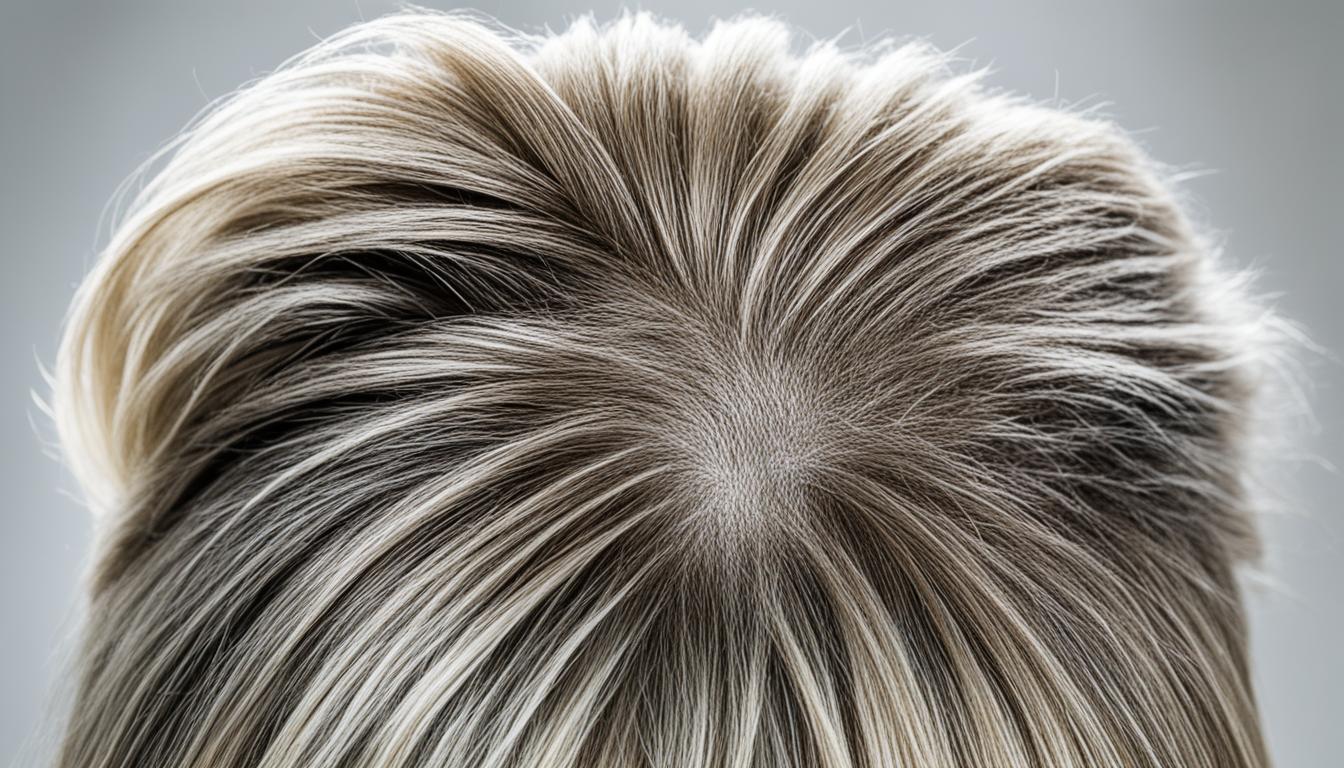
Hair thinning is a common concern for many women, especially when it occurs at the front of the scalp. Frontal hair thinning in women, also known as female pattern baldness, can be distressing and affect self-esteem. Understanding the causes and exploring the available treatment options is key to managing this condition.
Female pattern baldness is characterized by hair thinning mainly on the top and crown of the scalp, with a widening of the center hair part. However, the front hairline remains relatively unaffected, except for normal recession that occurs with age. The exact cause of female pattern baldness is not well understood, but it may be related to aging, changes in hormone levels, family history of baldness, heavy loss of blood during menstrual periods, and certain medications.
Diagnosing female pattern baldness involves ruling out other potential causes of hair loss and examining the appearance and pattern of hair loss. While there is no known prevention for female pattern baldness, treatments such as minoxidil and hair transplantation can help manage and restore hair growth.
Key Takeaways
- Frontal hair thinning in women, known as female pattern baldness, is a common condition characterized by hair thinning on the top and crown of the scalp.
- Causes of female pattern baldness include aging, hormone changes, family history, heavy menstrual blood loss, and certain medications.
- Diagnosing female pattern baldness involves ruling out other potential causes and examining the appearance and pattern of hair loss.
- Treatment options for frontal hair thinning include minoxidil, hair transplantation, and other remedies for managing hair loss.
- It is important to consult a healthcare provider for proper diagnosis and personalized treatment options.
Understanding Female Pattern Baldness
Female pattern baldness, also known as androgenetic alopecia, is a common condition that primarily affects women’s hair on the top and crown of the scalp. Unlike male pattern baldness, which often leads to a receding hairline, the front hairline in women typically remains unaffected except for normal age-related recession.
Female pattern baldness is characterized by hair loss in a Christmas tree pattern, with a widening center hair part. It is believed to be caused by a combination of factors, including aging, changes in hormone levels (specifically androgens), family history of baldness, and heavy loss of blood during menstrual periods.
Diagnosing female pattern baldness involves examining the appearance and pattern of hair loss and ruling out other potential causes. It is generally not a sign of an underlying medical disorder. Hair loss in female pattern baldness is usually permanent, but there are treatments available to slow down or stop hair loss and even restore hair growth.
One of the common treatments for female pattern baldness is the use of minoxidil, a medication that can help stimulate hair growth. Additionally, hair transplantation can be an effective option for those who do not respond well to medical treatment. It is important to consult with a healthcare professional to determine the best course of action based on individual circumstances.
Remember, female pattern baldness is a common condition, and there are solutions available to help manage and cope with it. It is essential to seek professional advice and support to address any concerns or questions regarding female pattern baldness.
| Hair Loss Characteristics | Female Pattern Baldness | Male Pattern Baldness |
|---|---|---|
| Area of Hair Loss | Thinning mainly on the top and crown of the scalp | Receding hairline, thinning on the top and crown of the scalp |
| Front Hairline | Remains relatively unaffected | Recedes |
| Pattern of Hair Loss | Christmas tree pattern with a widening center hair part | Typically starts with a receding hairline and thinning on the top of the scalp |
| Causes | Aging, changes in hormone levels, family history, heavy menstrual blood loss | Aging, changes in hormone levels, family history |
| Treatment Options | Minoxidil, hair transplantation | Minoxidil, finasteride, hair transplantation |
Diagnosing Female Pattern Baldness
Diagnosing female pattern baldness involves a thorough examination of the appearance and pattern of hair loss, as well as considering the patient’s medical history. It is important to rule out other potential causes of hair loss, such as thyroid disease or iron deficiency. If you are experiencing hair loss, it is recommended to consult with a healthcare provider for a proper diagnosis and treatment plan.
Your healthcare provider may look for specific symptoms and signs related to female pattern baldness. They may assess whether you have elevated androgen levels, which can contribute to hair loss. This could manifest as abnormal new hair growth, changes in menstrual periods, and acne.
In some cases, a skin biopsy of the scalp or blood tests may be conducted to exclude skin disorders or underlying medical conditions that can cause hair loss. Dermoscopy, a technique that involves examining the hair shaft under a microscope, may also be performed to check for any structural abnormalities.
If you are experiencing persistent hair loss, especially accompanied by itching or skin sores on the scalp, it is important to seek medical attention. These symptoms may indicate an underlying medical cause that requires treatment.
Treatment Options for Female Pattern Baldness
When it comes to female pattern baldness, there are several treatment options available to address thinning hair and promote regrowth. Let’s explore some of the solutions:
Minoxidil
Minoxidil is the only FDA-approved medication for treating female pattern baldness. It is applied topically to the scalp and comes in different strengths, such as a 2% solution or 5% foam. Minoxidil stimulates hair growth in approximately 1 in 4 to 5 women. However, it’s important to note that the results are not permanent, and continuous use is required to maintain the benefits. Discontinuing the treatment may lead to hair loss resuming.
Other Medications
If minoxidil doesn’t provide the desired results, there are other medications that can be considered. These include:
- Spironolactone: Originally used as a diuretic, spironolactone has also shown efficacy in treating female pattern baldness by blocking androgen receptors.
- Cimetidine: Primarily used for treating gastrointestinal issues, cimetidine has been found to have anti-androgenic properties, potentially aiding in hair regrowth.
- Birth control pills: Certain oral contraceptives that contain estrogen and progestin can help regulate hormones related to hair loss.
- Ketoconazole: As an antifungal medication, ketoconazole has demonstrated potential as an adjunct treatment for female pattern baldness due to its anti-inflammatory and anti-androgenic effects.
Hair Transplantation
Hair transplantation is another viable option for women with female pattern baldness, particularly for those who do not respond well to medical treatments. The procedure involves removing small plugs of hair from areas with thicker growth, typically the back or sides of the scalp, and transplanting them to areas with thinning hair, including the front hairline. Hair transplantation can be an effective and long-lasting solution, but it can be expensive and may require multiple sessions to achieve the desired outcome.
Other Solutions
Aside from medication and transplantation, there are other solutions to manage female pattern baldness:
- Hair weaving: This technique involves attaching synthetic or natural hair extensions to existing hair to create a fuller and more voluminous appearance.
- Hairpieces: Wigs or hairpieces can provide an immediate solution for covering hair loss. They come in various styles, lengths, and colors to suit individual preferences.
- Hairstyle changes: Altering your hairstyle can help camouflage thinning hair. Opting for layered cuts or strategic hair parting can create the illusion of fuller hair.
It’s important to consult with a healthcare professional or a dermatologist to discuss the most suitable treatment options based on your specific condition and preferences.

Frontal Fibrosing Alopecia: A Rare Type of Hair Loss
Frontal fibrosing alopecia is a specific type of hair loss that primarily affects the front hairline and sides of the scalp. It is more commonly observed in postmenopausal women, but it can also occur before menopause, particularly in Black women. The exact cause of frontal fibrosing alopecia is unknown, but it is believed to be related to hormonal changes and immune system dysfunction.
This condition is characterized by a thin band of balding skin along the front and sides of the hairline, and it can also cause hair loss in other areas of the body, such as the eyebrows, pubic area, and underarms. Early diagnosis and treatment are important to prevent significant permanent baldness.

Treatment options for frontal fibrosing alopecia may include topical corticosteroids, oral medications, and hair transplant. It is recommended to consult a dermatologist for proper diagnosis and treatment.
Managing Hair Loss and Boosting Confidence
Hair loss can have a significant impact on self-esteem and confidence, but there are several ways to manage and cope with hair thinning or baldness. By implementing some effective strategies, you can improve the appearance of thinning hair and boost your confidence.
1. Hair Weaving, Hairpieces, and Hairstyle Changes
One way to address hair loss is by using hair weaving techniques or hairpieces that blend seamlessly with your natural hair. These options can help hide hair loss and create the illusion of fuller hair. Alternatively, consider changing your hairstyle. Layered cuts and strategic hair parting can also give the appearance of thicker hair.
2. Styling Techniques and Volumizing Products
Styling techniques can do wonders in enhancing the volume and fullness of hair. Applying volumizing products, such as mousses or texturizing sprays, can give your hair a lift. Consider using a diffuser when blow-drying your hair, as it can add volume and create the illusion of thicker strands. Additionally, try incorporating strategic styling techniques like teasing or backcombing to add height and fullness to specific areas.
3. Hair Care Habits
Practicing good hair care habits is essential for maintaining healthy hair, especially if you’re experiencing hair loss. Avoid using harsh chemicals, heat styling tools, and tight hairstyles that can further damage or weaken the hair. Instead, choose gentle hair care products, limit heat styling, and allow your hair to air dry whenever possible.
4. A Balanced Diet
Your diet can play a significant role in maintaining healthy hair. Ensure you’re getting the necessary nutrients for hair growth by consuming a balanced diet rich in proteins, vitamins, and minerals. Include foods like lean meats, fish, eggs, leafy greens, fruits, and nuts in your meals to promote healthy hair growth.
5. Emotional Support
Dealing with hair loss can be emotionally challenging, and seeking support from friends, family, or support groups can be beneficial. Connecting with others who are going through similar experiences can provide encouragement, guidance, and a sense of community. Remember, you’re not alone in your hair loss journey.
Remember to consult with a healthcare professional or a dermatologist for personalized advice and treatment options tailored to your specific needs. They can guide you in addressing the underlying causes of hair loss and recommend effective remedies to manage your hair loss and boost your confidence.
When to Seek Medical Help
If you are experiencing persistent hair loss and want to pursue treatment, it is recommended to see a healthcare provider. Seeking medical help is especially important in the following situations:
- Sudden or patchy hair loss
- Excessive hair loss when brushing or washing
- Presence of itching or skin irritation on the scalp
A healthcare provider can help determine the underlying cause of your hair loss and recommend appropriate treatment options. They may conduct a thorough evaluation, including a physical examination, medical history review, and possibly additional tests to identify any medical causes of your hair loss.
While there is no known prevention for female pattern baldness, certain lifestyle changes can help promote overall hair health:
- Maintain a healthy diet rich in vitamins and minerals that support hair growth
- Avoid harsh hair treatments, such as excessive heat styling or chemical treatments
- Take steps to manage stress levels, as stress can contribute to hair loss
By addressing any underlying medical conditions and adopting healthy habits, you can take proactive steps towards preventing further hair loss and promoting hair health.
Conclusion
Managing hair loss in women can be a challenging experience, but there are various treatment options available to help restore hair growth and improve confidence. Female pattern baldness is the most common type of hair loss in women, characterized by thinning on the top and crown of the scalp. Fortunately, the front hairline is usually unaffected. In contrast, frontal fibrosing alopecia primarily affects the front hairline and sides of the scalp, necessitating early diagnosis and treatment to prevent permanent baldness.
Treatment options for hair loss in women include medications like minoxidil, oral medications, and hair transplantation. Minoxidil, in particular, has been approved by the FDA and can help stimulate hair growth in a significant percentage of women. For those who do not respond well to medical treatments, hair transplantation can be a viable option. In addition to medical interventions, there are also various styling tips and remedies that can enhance the appearance of thinning hair.
Consulting with a healthcare provider is crucial in understanding the underlying cause of hair loss and developing an individualized treatment plan. Remember, hair loss is a common condition that many women face, and seeking support from others can provide valuable emotional support during this challenging time. With the right approach, managing hair loss in women is possible, and it’s essential to explore the available options for restoring hair growth and boosting confidence.
FAQ
What is female pattern baldness?
Female pattern baldness is a common type of hair loss in women characterized by thinning mainly on the top and crown of the scalp, with a widening of the center hair part. The front hairline in women typically remains unaffected except for normal recession that occurs with age.
What causes female pattern baldness?
The exact cause of female pattern baldness is not well understood, but it may be related to aging, changes in hormone levels, family history of baldness, heavy loss of blood during menstrual periods, and certain medications.
How is female pattern baldness diagnosed?
Diagnosing female pattern baldness involves ruling out other potential causes of hair loss and examining the appearance and pattern of hair loss. Your healthcare provider may also conduct blood tests or a skin biopsy to confirm the diagnosis.
Are there any treatments for female pattern baldness?
While there is no known prevention for female pattern baldness, treatments such as minoxidil and hair transplantation can help manage and restore hair growth. Other medications and techniques like hair weaving and hairpieces can also be considered.
What is frontal fibrosing alopecia?
Frontal fibrosing alopecia is a specific type of hair loss primarily affecting the front hairline and sides of the scalp. It is more commonly observed in postmenopausal women and may be caused by hormonal changes and immune system dysfunction.
How is frontal fibrosing alopecia treated?
Treatment options for frontal fibrosing alopecia may include topical corticosteroids, oral medications, and hair transplants. It is recommended to consult a dermatologist for proper diagnosis and treatment.
Are there any styling tips for managing hair loss?
Yes, there are several styling techniques and remedies that can improve the appearance of thinning hair. These include using volumizing products, layered haircuts, strategic hair parting, hairpieces, and changes in hairstyle to camouflage the hair loss.
When should I seek medical help for hair loss?
It is recommended to see a healthcare provider if you are experiencing persistent hair loss, sudden or patchy hair loss, excessive hair loss when brushing or washing, or if you have other symptoms such as itching or skin irritation on the scalp.
1 thought on “Frontal Hair Thinning in Women: Causes & Solutions”