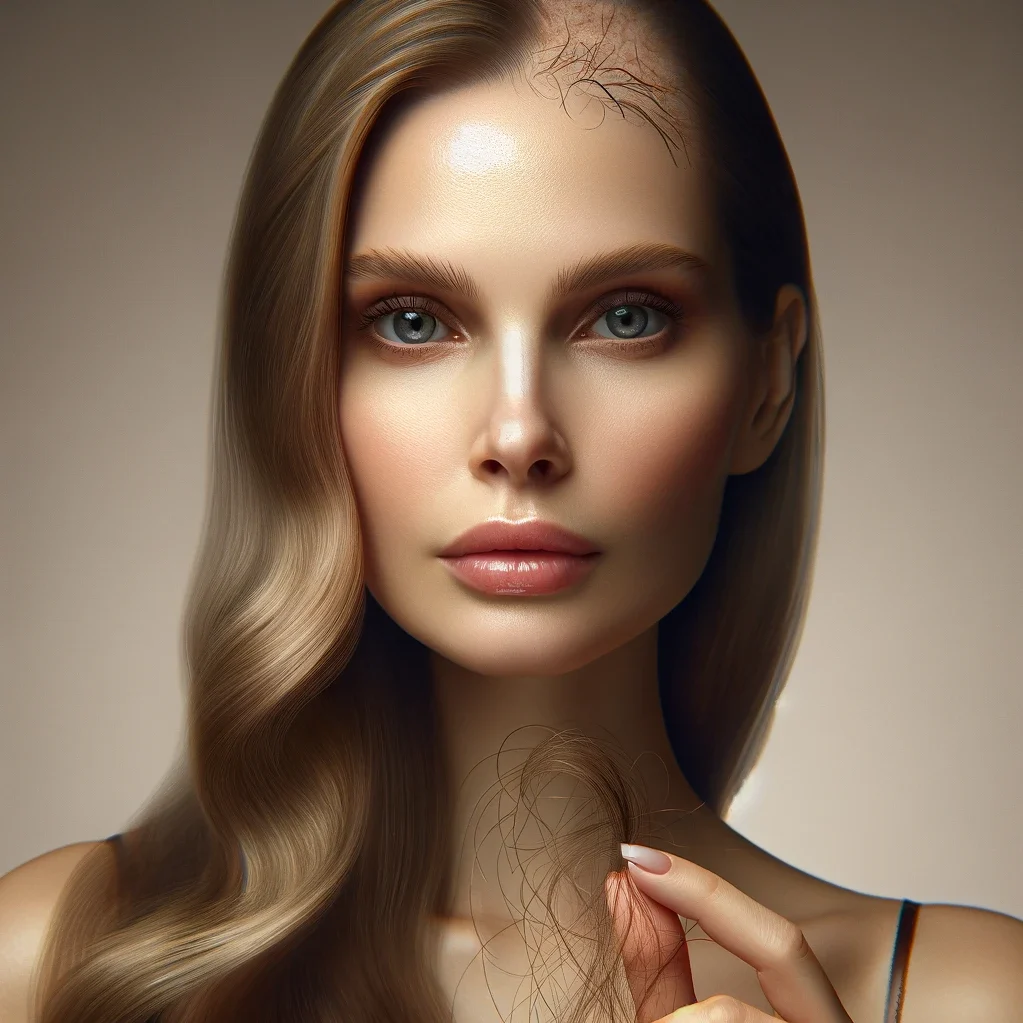
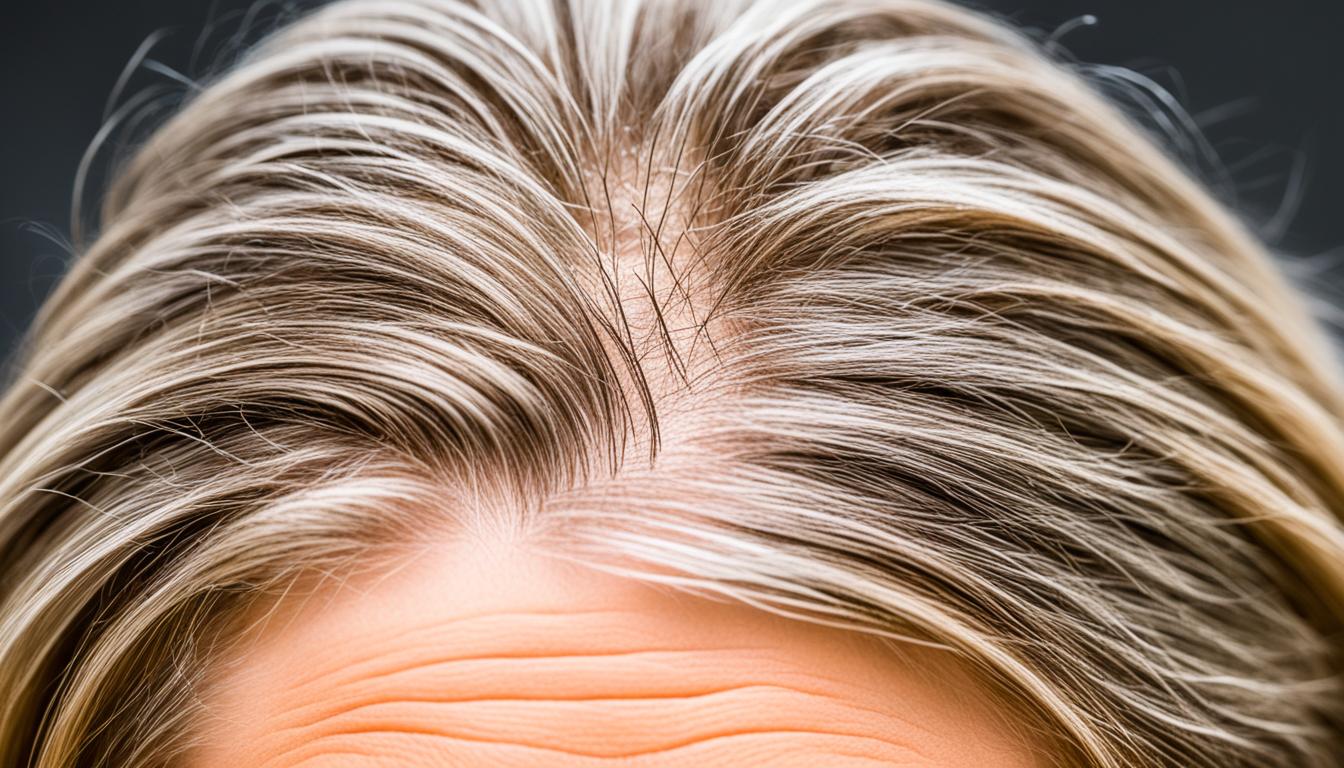
Welcome to our comprehensive guide on female hair thinning. Hair thinning can be a distressing issue for many women, affecting their self-esteem and overall confidence. In this article, we will explore the causes of female hair thinning and discuss various treatment options to help you regain your beautiful and healthy hair.
Female hair thinning can be caused by a variety of factors, including hormonal imbalances, genetics, and medical conditions. It is essential to identify the underlying cause in order to determine the most effective treatment for your specific situation. While hair thinning can be a common part of the aging process, it is important to remember that there are solutions available to address this issue.
When it comes to treating female hair thinning, there are several options to consider. One of the most popular treatments is Minoxidil, an FDA-approved medication that stimulates hair growth. Other treatments include low-level light therapy, ketoconazole shampoo, corticosteroid injections, and platelet-rich plasma therapy. It’s important to consult with a healthcare professional to determine the best course of action for your hair thinning concerns.
In addition to medical treatments, maintaining a healthy lifestyle is crucial for promoting hair health. This includes following a balanced diet rich in essential nutrients, maintaining good hair care practices, and avoiding excessive heat styling or chemical treatments. Incorporating these practices into your daily routine can help prevent further hair thinning and promote overall hair health.
Throughout this article, we will cover various aspects of female hair thinning, including the causes, treatment options, and lifestyle factors that can affect the health of your hair. We aim to provide you with valuable insights and practical solutions to help you combat hair thinning and restore your hair’s natural thickness and vitality.
Key Takeaways:
- Female hair thinning can occur due to various factors such as hormonal imbalances, genetics, and medical conditions.
- Treatment options for female hair thinning include medication, light therapy, and other innovative hair restoration techniques.
- Maintaining a healthy lifestyle and following a nutritious diet are important for promoting hair health and preventing further thinning.
- Hair thinning can be effectively managed and minimized with the right approach and treatment plan.
- If you are experiencing persistent or worsening hair thinning, it is advisable to consult with a healthcare professional for a proper diagnosis and personalized treatment recommendations.
Understanding Female Pattern Hair Loss
Female pattern hair loss, also known as androgenetic alopecia, is the most common cause of hair loss in women. It is characterized by a gradual thinning of the hair, particularly in the center of the scalp. This condition has strong genetic links and can be hereditary.
Fortunately, there are various remedies and solutions available to manage and treat female pattern hair loss. Let’s take a closer look at some of the options:
Topical Medications:
Topical medications, such as minoxidil (Rogaine), are commonly used to stimulate hair growth and slow down the progression of female pattern hair loss. These medications are applied directly to the scalp and can help in regrowing hair in some cases.
Hormone Therapy:
For women with hormonal imbalances contributing to hair loss, hormone therapy may be recommended. This type of treatment aims to restore hormonal balance and promote hair growth. It is typically prescribed by healthcare professionals after a thorough evaluation of the individual’s hormone levels.
Hair Transplants:
In cases where other treatments have not yielded satisfactory results, hair transplant surgery may be considered. This procedure involves removing hair follicles from areas of the scalp with healthy hair growth and transplanting them to the thinning areas. Hair transplants can provide long-lasting and natural-looking results for women experiencing significant hair loss.
It is important to consult with a healthcare professional or a qualified specialist to determine the most suitable treatment options for female pattern hair loss. They will evaluate your individual condition and recommend the best course of action.
Remember, effective management and treatment of female pattern hair loss require a comprehensive approach. Along with the remedies and solutions mentioned above, making healthy lifestyle choices, following a nutritious diet, and avoiding damaging hair practices can also contribute to overall hair health. By taking proactive steps and seeking appropriate treatment, you can address female pattern hair loss and restore your confidence.
Treating Hair Thinning: Minoxidil and Other Options
When it comes to managing female hair thinning, there are several treatment options available. One of the most commonly used treatments is minoxidil, which is sold under the brand name Rogaine. Minoxidil is an FDA-approved treatment for both men and women and has shown positive results in stimulating hair growth and thickening existing hairs.
Another option for thinning hair treatment women is low-level light therapy. This treatment involves exposing the scalp to red or near-infrared light, which stimulates hair follicles and promotes hair growth. Ketoconazole shampoo, a medicated shampoo that helps reduce scalp inflammation and control dandruff, can also be beneficial for managing female hair thinning.
In some cases, corticosteroid injections may be recommended to reduce inflammation and promote hair regrowth. Platelet-rich plasma (PRP) therapy is another option that involves injecting a concentration of platelets from the patient’s blood into the scalp to stimulate hair growth.
Hormone therapy may also be recommended in cases where hormonal imbalances contribute to hair loss. This can involve the use of oral contraceptives, hormone replacement therapy, or other medications to regulate hormone levels and minimize hair thinning.
“Minoxidil is a popular and effective treatment for female hair thinning. However, it’s important to consult with a healthcare professional to determine the most suitable treatment approach based on individual needs.”
Comparison of Treatment Options for Female Hair Thinning
| Treatment Option | Description | Benefits |
|---|---|---|
| Minoxidil (Rogaine) | Topical solution applied to the scalp |
|
| Low-Level Light Therapy | Exposure to red or near-infrared light |
|
| Ketoconazole Shampoo | Medicated shampoo to reduce inflammation and control dandruff |
|
| Corticosteroid Injections | Injections to reduce inflammation and promote hair regrowth |
|
| Platelet-Rich Plasma (PRP) Therapy | Injection of concentrated platelets to stimulate hair growth |
|
It is important to note that the effectiveness of these treatments may vary depending on the individual and the underlying cause of hair thinning. Consulting with a healthcare professional can help determine the most suitable treatment option for managing female hair thinning.
Lifestyle Factors and Home Remedies for Hair Health
Certain lifestyle factors can contribute to hair thinning in females. Over-treating the hair, using harsh hair products, and wearing tight hairstyles can all cause damage to the hair follicles. Maintaining a balanced diet that includes essential nutrients like iron and folic acid is important for hair health. Scalp massage, essential oils, and anti-thinning shampoos can also be used as home remedies to improve hair health and reduce thinning.
Over-treating your hair with excessive heat, such as curling irons and straighteners, can weaken the hair strands and lead to breakage. Avoid using harsh hair products that contain sulfates or alcohol, as they can strip the hair of its natural oils and cause dryness.
The Impact of Tight Hairstyles
Wearing tight hairstyles, such as ponytails, braids, or buns, can pull on the hair follicles and cause traction alopecia. This condition results in gradual hair loss due to constant tension on the roots. To prevent hair thinning, opt for looser hairstyles and avoid pulling the hair tightly.
A balanced diet plays a crucial role in promoting healthy hair growth. Ensure your meals include foods rich in iron, such as spinach, lentils, and lean meats, as iron deficiency can contribute to hair thinning. Folic acid, found in foods like avocado, citrus fruits, and leafy greens, is also essential for hair health.
Home Remedies for Hair Health
- Scalp Massage: Regular scalp massages can increase blood flow to the hair follicles, nourishing the scalp and promoting hair growth. Use your fingertips to gently massage the scalp in circular motions for a few minutes each day.
- Essential Oils: Certain essential oils, such as lavender, rosemary, and peppermint oil, have been traditionally used to improve hair health. Mix a few drops of your chosen essential oil with a carrier oil, like coconut or jojoba oil, and massage it into the scalp. Leave it on for a few hours or overnight before rinsing out.
- Anti-Thinning Shampoos: Look for shampoos specifically designed to combat hair thinning. These shampoos often contain ingredients like biotin, caffeine, and botanical extracts to strengthen the hair and promote growth.
While these lifestyle factors and home remedies can contribute to improving hair health and reducing thinning, it’s important to note that severe hair thinning may require professional intervention. If you are experiencing persistent hair thinning or if these remedies do not yield the desired results, it’s best to consult a healthcare professional for further evaluation and guidance.
Medical Conditions and Hair Thinning
Certain medical conditions can be the underlying cause of hair thinning in females. Conditions such as thyroid problems and hormone imbalances can disrupt the hair growth cycle, leading to hair loss. Additionally, polycystic ovary syndrome (PCOS) and autoimmune diseases can also contribute to hair thinning.
It is important to address any underlying medical conditions in order to effectively manage hair thinning.
“When treating hair thinning, it’s crucial to consider the potential impact of medical conditions on hair health. By identifying and managing these conditions, we can take proactive steps in preserving and restoring hair.”
Thyroid problems, such as hypothyroidism or hyperthyroidism, can disrupt the normal functioning of the thyroid gland, affecting hair growth. Hormone imbalances, such as those experienced during menopause or due to polycystic ovary syndrome (PCOS), can also lead to hair thinning.
Treating and managing these conditions can help minimize the impact on hair health and promote regrowth.
In addition, autoimmune diseases, like alopecia areata or lupus, can cause the body’s immune system to mistakenly attack hair follicles, resulting in hair loss. By addressing these underlying conditions through proper medical care, women can take proactive steps in managing their hair thinning and ensuring the best possible outcomes.
Addressing Medical Conditions for Effective Hair Thinning Management
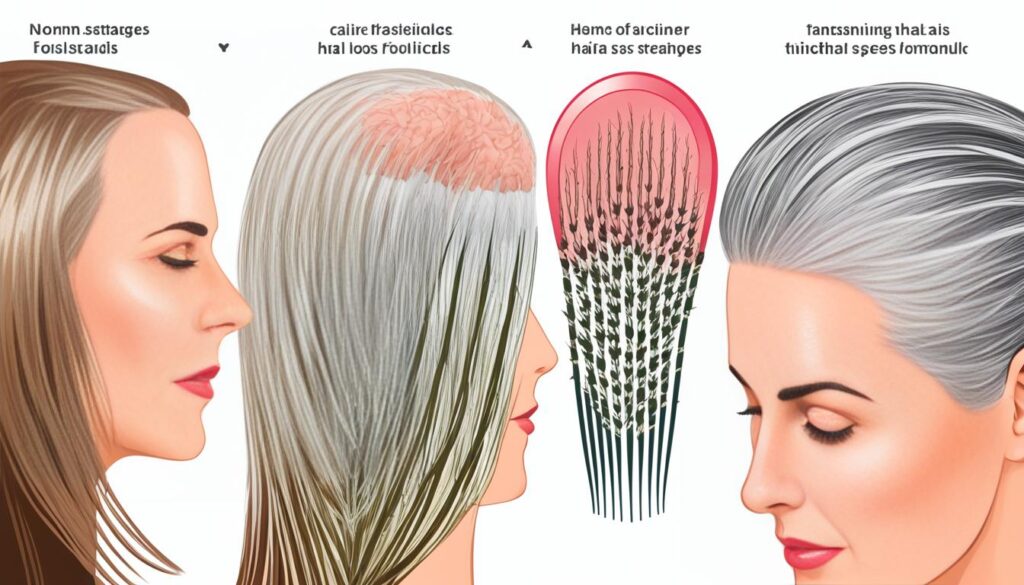
Addressing medical conditions that contribute to hair thinning is essential for effective management. Seeking medical advice and diagnosis is crucial in identifying the root cause of the hair thinning. Once the underlying condition is identified, a healthcare professional can recommend appropriate treatment options.
Incorporating lifestyle changes and adopting a healthy diet may also complement medical treatments and promote hair health.
It’s important for women experiencing hair thinning to consult with their healthcare provider to develop an individualized treatment plan that targets the specific medical condition and meets their unique needs.
Hair Loss After Pregnancy and Menopause
Hormonal changes during pregnancy and menopause can lead to temporary hair loss in females. When a woman is pregnant, her hormone levels rise significantly, keeping her hair in the growth phase and resulting in thicker hair. However, after giving birth or during menopause, hormone levels normalize, and a large number of hair follicles enter the resting phase and eventually fall out. It’s important to note that this hair loss is usually temporary, and the hair should naturally regrow over time.
Hormonal fluctuations play a crucial role in the hair growth cycle, and during pregnancy and menopause, these fluctuations can disrupt the balance, leading to hair thinning. While it can be distressing to experience significant hair loss during these stages, it’s important to understand that it is a natural and temporary occurrence.
To effectively manage hair thinning during pregnancy and menopause, maintaining a healthy lifestyle and following a nutritious diet is essential. Consuming foods rich in vitamins, minerals, and proteins can help promote hair growth and overall hair health. Additionally, incorporating gentle hair care practices, such as using mild and sulfate-free products, avoiding excessive heat styling, and minimizing tension on the hair, can also prevent further hair damage.
Table: Foods for Promoting Hair Health
| Food Group | Nutrients | Examples |
|---|---|---|
| Fruits and Vegetables | Vitamin C, A, E, and antioxidants | Citrus fruits, leafy greens, berries |
| Proteins | Amino acids, iron, zinc, biotin | Lean meats, fish, eggs, legumes |
| Healthy Fats | Omega-3 fatty acids | Avocado, nuts, seeds, fatty fish |
| Whole Grains | B vitamins, iron, zinc | Quinoa, brown rice, whole wheat bread |
While hair loss during pregnancy and menopause may be temporary, it is advisable to consult a healthcare professional for guidance and support. They can help evaluate any underlying conditions or hormonal imbalances that may be contributing to the hair loss. In some cases, they may recommend treatments or supplements to manage hair thinning effectively.
Managing hair thinning during and after pregnancy, as well as during menopause, requires patience and understanding. By adopting healthy habits and nourishing the hair from within, women can restore their hair’s strength and volume over time.
Conclusion
Female hair loss can be caused by a variety of factors, including genetic traits and underlying medical conditions. Identifying the specific cause of hair thinning is crucial in order to determine the most suitable treatment options. However, in some cases, simple lifestyle changes and home remedies can also play a significant role in improving hair health and preventing further thinning.
It is important to note that if hair thinning persists or worsens, it is advisable to seek professional help from a healthcare provider who specializes in hair health. They can provide a proper diagnosis and create an effective treatment plan tailored to your specific needs.
With the right approach, female hair thinning can be effectively managed and minimized. Whether through medical interventions, such as prescribed medications or hormone therapy, or through natural methods, like maintaining a balanced diet and using hair-friendly products, there are various solutions available for women experiencing hair loss.
By taking proactive steps in preventing hair thinning, you can maintain healthy and voluminous hair. Remember to always consult with a professional to determine the best course of action for your individual condition. We are here to support you every step of the way in your journey towards healthier, fuller hair.
FAQ
What are the causes of female hair thinning?
Female hair thinning can be caused by genetic factors, underlying medical conditions, hormonal changes, and lifestyle factors.
How can I treat female pattern hair loss?
There are various remedies and solutions available to manage and treat female pattern hair loss, including topical medications, hormone therapy, and hair transplants.
What is Minoxidil and how does it help with hair thinning?
Minoxidil, sold under the brand name Rogaine, is an FDA-approved treatment for hair loss in both men and women. It stimulates hair growth and can thicken existing hairs.
What are some other treatment options for female hair thinning?
Other treatment options for female hair thinning include low-level light therapy, ketoconazole shampoo, corticosteroid injections, and platelet-rich plasma therapy.
Can lifestyle factors contribute to hair thinning in females?
Yes, over-treating the hair, using harsh hair products, and wearing tight hairstyles can all cause damage to the hair follicles and contribute to hair thinning.
Are there any home remedies that can improve hair health and reduce thinning?
Yes, scalp massage, essential oils, and anti-thinning shampoos can be used as home remedies to improve hair health and reduce thinning.
Can medical conditions lead to hair thinning in females?
Yes, conditions such as thyroid problems, hormone imbalances, polycystic ovary syndrome (PCOS), and autoimmune diseases can disrupt the hair growth cycle and result in hair thinning.
Can hair loss occur after pregnancy or during menopause?
Yes, hormonal changes during pregnancy and menopause can cause temporary hair loss in females. This hair loss is usually temporary and the hair should grow back over time.
How can I effectively manage hair thinning?
It is important to identify the underlying cause of hair thinning and consult with a healthcare professional for a proper diagnosis and treatment plan. Depending on the cause, treatments, lifestyle changes, and home remedies may be recommended.