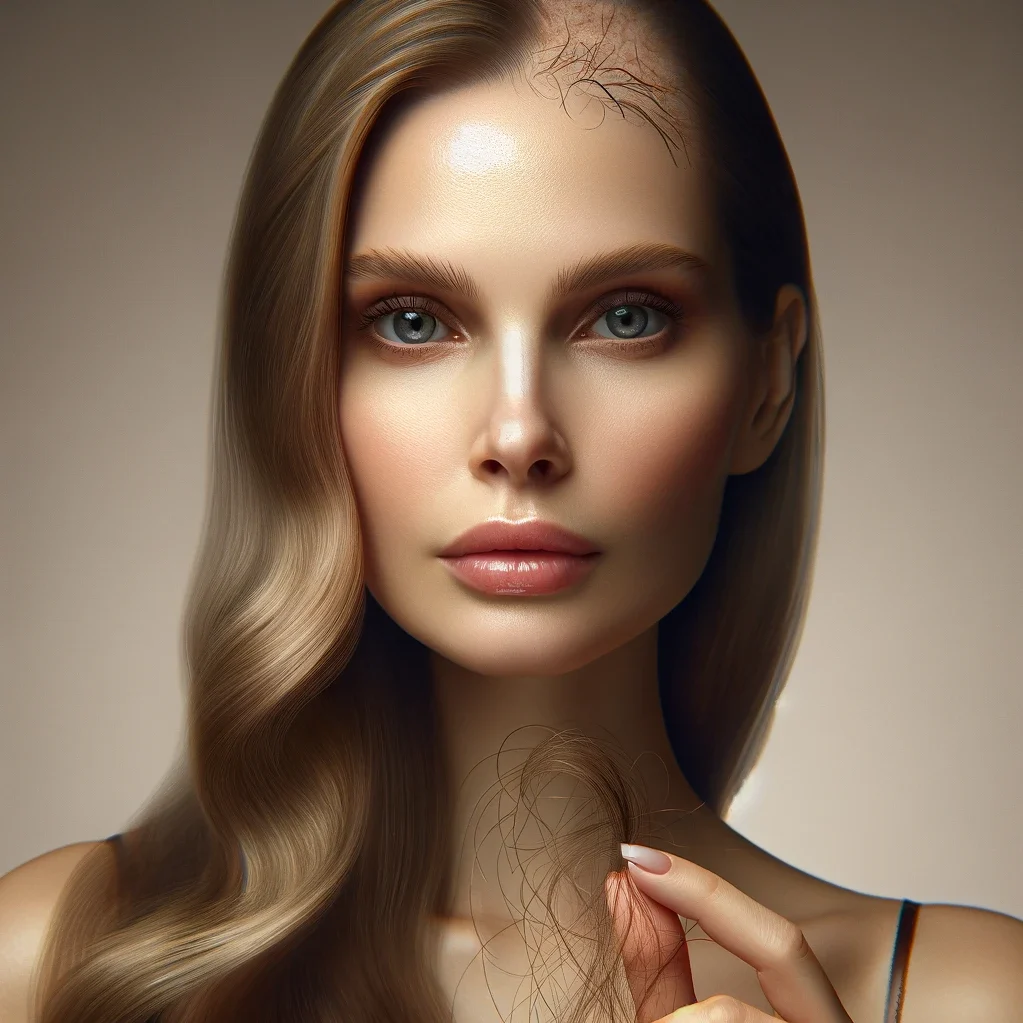

Alopecia in women’s hair is a common condition that can have a significant impact on self-esteem, psychological well-being, and body image. It often presents as hair loss on the scalp, ranging from small bare patches to a more diffuse pattern. The pathophysiology of alopecia involves disruptions in the hair growth cycle, affecting the anagen, catagen, and telogen phases.
Diagnosing alopecia in women requires a thorough history and physical examination, considering factors such as the duration and pattern of hair loss, scalp inflammation or erythema, and hair density and distribution. The “pull test” is a simple technique used to assess hair loss. In cases where the diagnosis is unclear, additional laboratory tests and biopsies may be necessary.
Androgenetic alopecia, also known as female pattern baldness, is the most common form of alopecia in both men and women. Women with androgenetic alopecia may have higher levels of 5α-reductase and androgen receptors. Fortunately, this type of hair loss is theoretically reversible, and treatment with a 2% minoxidil solution has proven effective in promoting hair regrowth in women.
Key Takeaways
- Alopecia in women’s hair can significantly impact self-esteem and body image.
- A thorough history and physical examination are important for diagnosing alopecia in women.
- Androgenetic alopecia is the most common form of alopecia in women.
- Treatment with 2% minoxidil solution can promote hair regrowth in androgenetic alopecia.
- Seeking professional help is crucial for proper diagnosis and treatment of alopecia in women.
Causes of Alopecia in Women
Alopecia in women can be attributed to various causes, with the most common form being Female Pattern Hair Loss (FPHL), also known as androgenetic alopecia. FPHL is a hereditary condition that often becomes more prevalent after menopause. Hormonal changes, particularly a decrease in estrogen levels, can contribute to hair follicle shrinkage and the cessation of new hair growth.
There are other factors that can also contribute to hair loss in women:
- Certain medications: Some medications, such as those used for chemotherapy, may cause temporary or permanent hair loss.
- Hormonal imbalances: Conditions such as polycystic ovarian syndrome (PCOS) can lead to hormonal imbalances, which may result in hair thinning.
- Nutritional deficiencies: Iron or vitamin D deficiencies can affect hair health and contribute to hair loss.
- Stress or trauma: High levels of physical or emotional stress can disrupt the hair growth cycle and lead to hair thinning or hair loss.
Common Causes of Alopecia in Women
| Cause | Description |
|---|---|
| Female Pattern Hair Loss (FPHL) | An inherited condition that becomes more common after menopause. |
| Certain medications | Medications like chemotherapy drugs can cause temporary or permanent hair loss. |
| Hormonal imbalances | Conditions like polycystic ovarian syndrome (PCOS) can lead to hormonal imbalances and hair thinning. |
| Nutritional deficiencies | Deficiencies in iron or vitamin D can impact hair health and contribute to hair loss. |
| Stress or trauma | High levels of physical or emotional stress can disrupt the hair growth cycle and result in hair thinning or loss. |
Identifying the underlying cause of alopecia is crucial in determining the most suitable treatment approach. By addressing the root cause, targeted therapies can be implemented to help prevent further hair loss and promote regrowth.
Treatment Options for Alopecia in Women
There are several treatment options available for women experiencing alopecia. One commonly used treatment is topical minoxidil, a medication that is applied directly to the scalp. Minoxidil has been shown to promote hair regrowth in women with androgenetic alopecia. Other medications, such as spironolactone and finasteride, may also be prescribed off-label for the treatment of hair loss in women.
In addition to medication, other treatment options include:
- Low-light lasers
- Platelet-rich plasma injections
- Microneedling
- Hair transplantation
It is important to consult with a healthcare provider to determine the most appropriate treatment approach based on the individual’s specific condition and needs.
Additionally, adopting healthy hair-care practices, such as avoiding excessive heat styling and using gentle hair products, can help prevent further hair loss and promote overall hair health.
Coping with Alopecia in Women
Coping with female alopecia can be challenging, as it can have a significant psychological and emotional impact. It is important for women experiencing hair loss to seek support from loved ones, friends, or support groups to help manage the emotional effects. Surrounding oneself with a supportive network can provide comfort, understanding, and encouragement during this journey.
Exploring different hairstyles, wigs, or hairpieces can also be empowering and help improve self-confidence. These options allow women to enhance their appearance and embrace their unique beauty. Trying out new looks can be a fun and creative way to navigate the changes in one’s hair.
Maintaining overall hair health is another vital aspect of coping with alopecia. Adopting a balanced diet rich in essential nutrients can promote healthy hair growth. Managing stress levels through relaxation techniques or hobbies can help minimize further hair loss. It is also crucial to avoid harsh hair treatments that may damage the hair follicles.
Remember, hair loss does not define a person’s worth or beauty. Embracing one’s unique appearance is a powerful way to foster self-acceptance and build confidence. Focus on cultivating inner strength and resilience, and celebrate the diverse beauty that exists in every individual.

Tips for Coping with Alopecia:
- Seek support from loved ones, friends, or support groups
- Explore different hairstyles, wigs, or hairpieces
- Maintain overall hair health through a balanced diet and stress management
- Avoid harsh hair treatments or styling
- Embrace and celebrate your unique appearance
“Hair loss does not define a person’s worth or beauty. Embrace your unique appearance and foster self-acceptance.” – Anonymous
| Ways to Cope with Alopecia | Benefits |
|---|---|
| Seeking support from loved ones or support groups | Emotional comfort, understanding, and encouragement |
| Exploring different hairstyles, wigs, or hairpieces | Improved self-confidence and enhanced appearance |
| Maintaining overall hair health | Promotes healthy hair growth and prevents further hair loss |
| Avoiding harsh hair treatments | Prevents damage to hair follicles and reduces hair loss |
| Embracing and celebrating unique appearance | Fosters self-acceptance and builds confidence |
Preventing and Managing Alopecia in Women
While it may not be possible to prevent all types of alopecia in women, there are steps that can be taken to minimize the risk and manage the condition effectively.
Eating a balanced diet rich in nutrients that promote hair health, such as vitamins and minerals, can help maintain the strength and vitality of hair follicles. Including foods like leafy greens, eggs, nuts, and fatty fish in your diet can provide the essential nutrients needed for healthy hair growth.
Avoiding excessive heat styling, harsh chemicals, and tight hairstyles can also help prevent hair damage and breakage. Opt for gentle hair care practices and use heat protectant sprays when using styling tools. Additionally, consider letting your hair air dry whenever possible.
Regular scalp massages can stimulate blood flow to the scalp and promote healthy hair growth. Use your fingertips to massage the scalp in circular motions for a few minutes each day. This can help improve the delivery of nutrients to the hair follicles.
If hair loss is accompanied by other symptoms or conditions, such as hormonal imbalances or nutritional deficiencies, it may be necessary to address those underlying issues with appropriate medical interventions. Consult with a healthcare professional to determine the best course of action.

| Preventive Measures | Benefits |
|---|---|
| Eat a balanced diet with hair-healthy nutrients | Provides essential nutrients for hair follicle health |
| Avoid excessive heat styling and harsh chemicals | Prevents hair damage and breakage |
| Practice regular scalp massages | Stimulates blood flow to the scalp and promotes healthy hair growth |
| Address underlying conditions or deficiencies | Optimizes overall health and hair growth |
Remember, prevention and management of alopecia in women require a comprehensive approach that includes healthy lifestyle choices and potential medical interventions. By taking proactive steps, you can minimize the risk and maintain optimal hair health.
Conclusion
Alopecia in women’s hair is a common and emotionally challenging condition. The effects of hair loss can significantly impact self-esteem and psychological well-being. However, understanding the causes and available treatment options can empower women to effectively manage alopecia and regain their confidence.
There are various approaches to promoting hair regrowth and preventing further hair loss. Topical medications, such as minoxidil, have shown effectiveness in stimulating hair growth. In-office procedures like low-light lasers and platelet-rich plasma injections can also be considered for more advanced cases.
While finding the right treatment is essential, coping with alopecia is not just about physical remedies. It involves seeking support from loved ones and embracing a positive mindset. By adopting healthy hair-care practices, maintaining overall hair health, and focusing on self-acceptance, women can navigate the challenges of alopecia and cultivate a sense of confidence and empowerment on their hair journey.
Remember, you are not alone in this journey. We are here to support you in coping with female alopecia and exploring effective remedies for female hair thinning. Together, we can overcome the challenges and embrace our unique beauty. Take the proactive steps and seek the appropriate care you deserve to thrive with healthy and beautiful hair.
FAQ
What is alopecia in women’s hair?
Alopecia in women’s hair refers to the loss of hair on the scalp, which can range from small bald patches to more diffuse hair thinning.
What are the causes of alopecia in women?
The most common cause of alopecia in women is female pattern hair loss (FPHL), also known as androgenetic alopecia. Other factors that can contribute to hair loss in women include hormonal imbalances, certain medications, deficiencies in iron or vitamin D, and high levels of stress or trauma to the body.
What are the treatment options for alopecia in women?
Treatment options for alopecia in women include topical minoxidil, medications such as spironolactone and finasteride, low-light lasers, platelet-rich plasma injections, microneedling, and hair transplantation.
How can women cope with alopecia?
Women can cope with alopecia by seeking support from loved ones or support groups, exploring different hairstyles, wigs, or hairpieces, and adopting healthy hair-care practices. Maintaining overall hair health and embracing one’s unique appearance can also help in coping with alopecia.
How can women prevent and manage alopecia?
Women can minimize the risk of alopecia by consuming a balanced diet, avoiding excessive heat styling and harsh chemicals, practicing gentle hair care routines, and addressing any underlying hormonal imbalances or nutritional deficiencies.