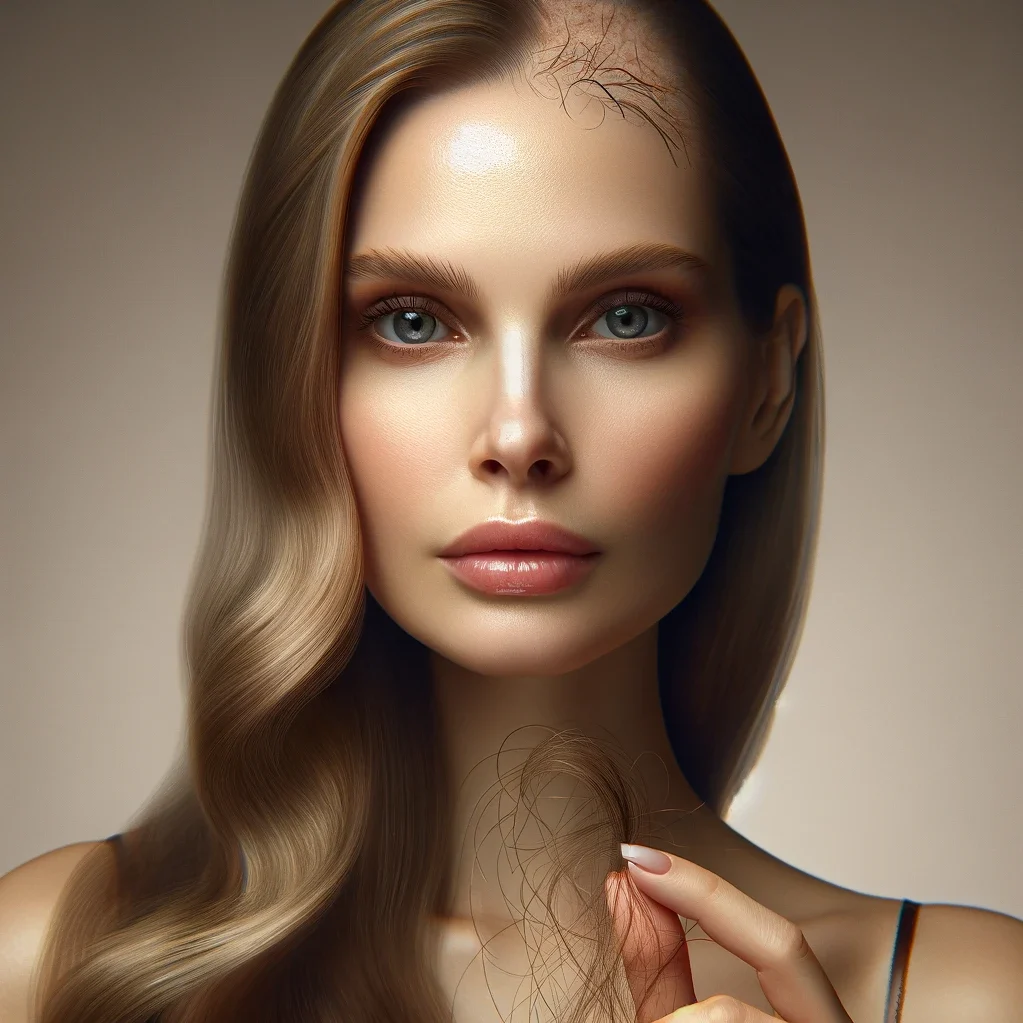
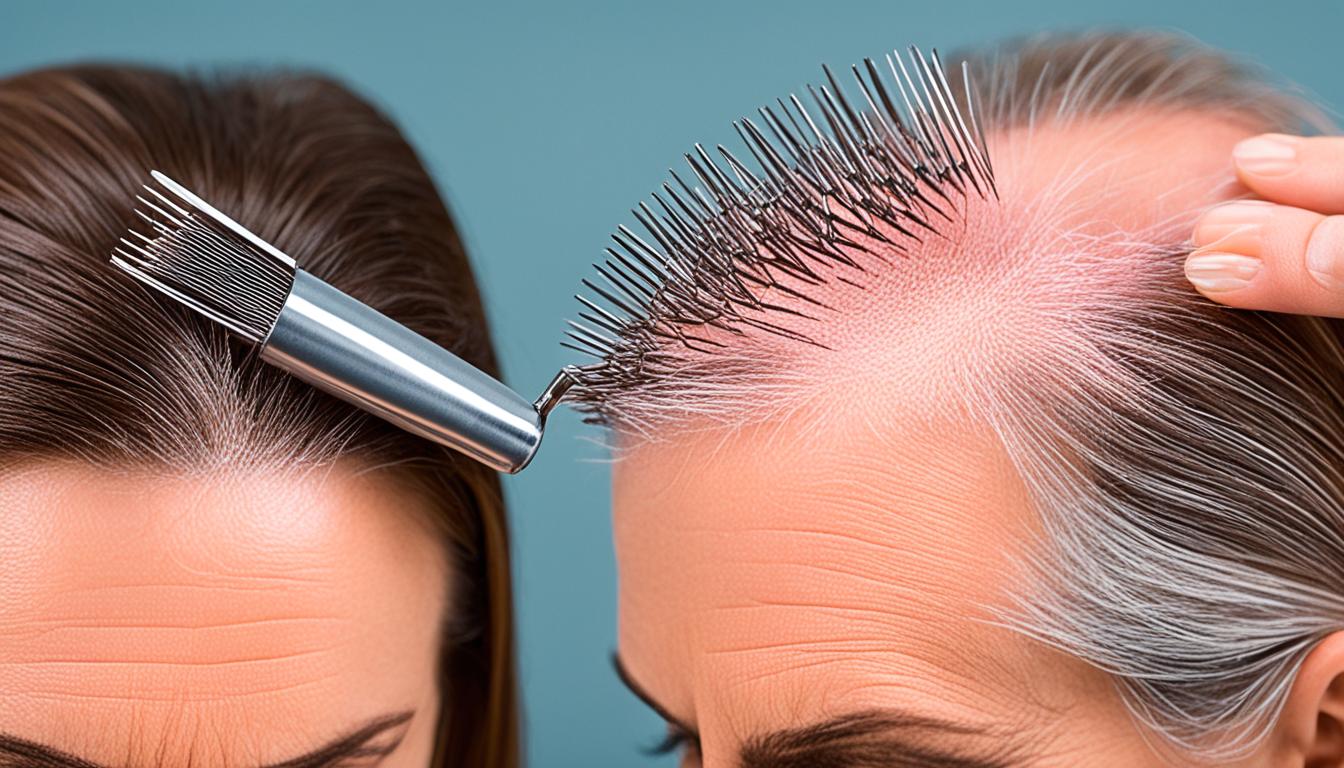
Welcome to our comprehensive guide on understanding female hair loss on the sides of the head. Hair loss can be a distressing experience for women, affecting not only their physical appearance but also their self-confidence. In this article, we will delve into the causes, diagnosis, and treatment options for female pattern hair loss and alopecia on the sides of the head.
Key Takeaways
- Female pattern hair loss is the most common type of hair loss in women, characterized by hair thinning on the top and crown of the scalp.
- Causes of female hair loss on the sides of the head can include genetics, underlying health conditions, medication use, and damaging hairstyling practices.
- Diagnosing female pattern baldness involves ruling out other causes through a medical history, physical examination, and sometimes blood tests or scalp biopsy.
- Treatment options for female hair loss on the sides of the head include medications, hair transplants, and cosmetic interventions.
- Prevention and lifestyle changes such as maintaining scalp health and avoiding damaging hairstyles can promote hair growth and prevent further hair loss.
Causes of Female Hair Loss on Head Sides
Female hair loss on the sides of the head can be attributed to various factors. Understanding these causes is essential in devising effective treatment strategies and preventing further hair loss.
Genetic factors play a significant role in female hair loss. Female pattern baldness, characterized by hair thinning on the top and crown of the scalp, tends to run in families. The inheritance of certain genes can make individuals more susceptible to this condition.
Additionally, certain health conditions can contribute to hair loss on the sides of the head. Autoimmune diseases, such as alopecia areata, can result in patchy hair loss. Hormonal imbalances, such as those seen in polycystic ovary syndrome (PCOS), can also play a role in hair loss in women.
Medication use can sometimes lead to hair loss as a side effect. Certain medications, such as those used for chemotherapy or blood pressure management, can disrupt the normal hair growth cycle.
“Pulling hair in a tight style” is another cause of female hair loss on the sides of the head. This includes hairstyles such as tight ponytails, braids, or cornrows. The constant tension and stress on the hair follicles can lead to traction alopecia, resulting in hair loss.
“Genetic factors, underlying health conditions, medication use, and pulling hair in a tight style can all contribute to hair loss on the sides of the head. Identifying the specific cause is crucial for effective treatment and prevention of further hair loss.”
Common Causes of Female Hair Loss on Head Sides
| Cause | Description |
|---|---|
| Genetic factors | Inherited genes that make individuals more susceptible to female pattern baldness |
| Health conditions | Autoimmune diseases, hormonal imbalances like PCOS, and other underlying medical conditions |
| Medication use | Side effects of certain medications, such as chemotherapy drugs or blood pressure medications |
| Pulling hair in a tight style | Hairstyles like tight ponytails, braids, or cornrows that put stress on the hair follicles |
Identifying the specific cause of hair loss on the sides of the head is essential for implementing targeted treatments and preventive measures. By addressing genetic factors, managing underlying health conditions, adjusting medication regimens, and opting for more gentle hairstyling practices, women can potentially reduce the risk of further hair loss and promote hair growth.
Diagnosis of Female Hair Loss on Head Sides
When it comes to diagnosing female hair loss on the sides of the head, our goal is to identify the specific cause and rule out other potential factors that may be contributing to the problem. This comprehensive approach allows us to develop an effective treatment plan tailored to each individual’s needs.
During the diagnostic process, we take into consideration various factors, such as medical history, physical examination, blood tests, and even scalp biopsy if necessary. By carefully evaluating these aspects, we can gain valuable insights into the underlying causes of hair loss and determine the most appropriate course of action.
Medical History: Obtaining a detailed medical history is crucial in identifying any underlying health conditions, hormonal imbalances, or medication use that may be contributing to hair loss. This information provides valuable context and helps guide further diagnostic investigations.
Physical Examination: A thorough physical examination allows us to assess the appearance and pattern of hair loss, as well as examine the overall health of the scalp. This examination may involve checking for signs of inflammation, infection, or other scalp disorders that could be causing hair loss on the sides of the head.
Blood Tests: Blood tests can help determine if there are any hormonal imbalances, vitamin deficiencies, or underlying medical conditions that may be contributing to hair loss. These tests provide important insights into the overall health and well-being of the individual.
Scalp Biopsy: In some cases, a scalp biopsy may be recommended to examine the scalp tissue under a microscope. This procedure helps identify any underlying skin disorders or inflammatory conditions that may be causing hair loss on the sides of the head.
By conducting a comprehensive evaluation, we can accurately diagnose female pattern baldness and rule out other potential causes. This enables us to develop a personalized treatment plan that targets the root cause of the hair loss, improving the chances of successful hair regrowth and restoration.
In the next section, we will explore the various treatment options available for female hair loss on the sides of the head, ranging from medical interventions to cosmetic solutions. Stay tuned to learn more about how we can address and overcome this challenging condition.
Treatment Options for Female Hair Loss on Head Sides
When it comes to managing female hair loss on the sides of the head, there are several treatment options available. These options aim to stimulate hair growth, prevent further thinning, and improve the overall appearance of the hair. Let’s take a closer look at some of the most effective treatment approaches:
Minoxidil:
Minoxidil, a topical medication commonly known as Rogaine, is one of the most popular treatments for women’s hair loss. It is applied directly to the scalp and can help stimulate hair follicles, promoting hair growth and preventing further thinning. Minoxidil is available over-the-counter and is often recommended as a first-line treatment option.
Oral Medication:
In some cases, oral medications may be prescribed to address female hair loss on the sides of the head. One such medication is spironolactone, which helps block the production of androgens, hormones that can contribute to hair loss. Other oral medications, such as cimetidine, have also shown potential in promoting hair regrowth and reducing hair loss.
Hair Transplant:

For those seeking a more permanent solution, a hair transplant procedure may be recommended. During this surgical procedure, healthy hair follicles from donor areas are transplanted to the balding areas. Hair transplants can provide a natural and long-lasting solution for restoring hair growth on the sides of the head.
Cosmetic Interventions:
Cosmetic interventions can also help improve the appearance of hair loss on the sides of the head. Scalp micro-pigmentation, for example, involves the application of pigments to the scalp to create the illusion of thicker hair. Other cosmetic solutions, such as hair weaves or extensions, can be used to add volume and camouflage areas of thinning hair.
| Treatment Options | Description |
|---|---|
| Minoxidil | A topical medication applied to the scalp to stimulate hair growth and prevent further thinning. |
| Oral Medication | Prescribed medications like spironolactone or cimetidine that address underlying hormonal factors contributing to hair loss. |
| Hair Transplant | A surgical procedure that involves transplanting healthy hair follicles from donor areas to the balding areas. |
| Cosmetic Interventions | Non-surgical options such as scalp micro-pigmentation, hair weaves, or extensions to improve the appearance of hair loss. |
It’s important to consult with a healthcare professional or a dermatologist to determine the most suitable treatment option based on individual needs and preferences. They will evaluate the severity and underlying cause of the hair loss and develop a personalized treatment plan.
Next, we will discuss prevention and lifestyle changes that can help manage female hair loss on the sides of the head.
Prevention and Lifestyle Changes for Female Hair Loss on Head Sides
While female pattern baldness on the sides of the head may not be preventable in all cases, there are steps that can be taken to promote scalp and hair health and possibly reduce the risk of further hair loss.
To prevent female hair loss and maintain scalp health, it is important to avoid hairstyles that cause damage. Tight hairstyles like ponytails, braids, and buns can put excessive tension on the hair follicles, leading to breakage and hair loss. Instead, opt for looser styles that allow for natural movement and minimize stress on the hair.
A healthy diet also plays a crucial role in maintaining scalp health and promoting hair growth. Consuming a well-balanced diet that includes essential nutrients, such as vitamins A, E, and C, biotin, and omega-3 fatty acids, can support the health of your hair follicles and contribute to healthy hair growth. Incorporate foods like fruits, vegetables, lean proteins, and healthy fats into your daily meals.
Protecting your scalp from sun damage is another important aspect of maintaining scalp health and preventing hair loss. Overexposure to the sun’s harmful UV rays can damage the hair follicles and lead to hair thinning. Consider wearing a hat or applying sunscreen to your scalp when spending time outdoors, especially during peak sun hours.
Managing stress is also crucial for maintaining scalp health and preventing hair loss. Chronic stress can disrupt the hair growth cycle and contribute to hair shedding. Engage in stress management techniques such as exercise, meditation, yoga, or deep breathing exercises to help reduce stress levels and promote overall well-being.
One-Sided Hair Loss: Causes and Treatment
One-sided hair loss, also known as unilateral hair loss, is a condition where hair loss predominantly affects only one side of the scalp. This type of hair loss can be distressing and may have various underlying causes, including genetics, stress, medical conditions, and hairstyling treatments.
Genetics play a significant role in hair loss, and one-sided hair loss can be inherited. If you have a family history of hair loss, it increases the likelihood of experiencing this condition. Stress is another factor that can contribute to one-sided hair loss. In periods of intense stress, the body may shift its energy away from non-essential functions like hair growth, leading to hair thinning or loss on one side.
Certain medical conditions can also cause one-sided hair loss. These can include autoimmune diseases like alopecia areata, scalp infections, or disorders that affect the hair follicles. Additionally, certain medications and medical treatments, such as chemotherapy, can lead to hair loss that affects one side of the scalp.
Hairstyling treatments that involve excessive heat, chemical processing, or the use of tight hairstyles like ponytails or braids can contribute to one-sided hair loss. These practices can damage the hair follicles, leading to hair breakage and loss on one side of the scalp.
In order to effectively treat one-sided hair loss, it is essential to identify the specific cause. Addressing underlying medical conditions through appropriate medical interventions is vital. Managing stress levels through techniques like meditation or therapy can also help promote hair regrowth. Furthermore, avoiding hairstyles or treatments that exert excessive strain on the hair and scalp is crucial in preventing further damage and encouraging the regrowth of healthy hair.

Overall, one-sided hair loss can have diverse causes and requires a personalized treatment approach. By addressing the underlying factors contributing to hair loss and implementing appropriate lifestyle changes, it is possible to mitigate the effects of one-sided hair loss and promote hair regrowth.
How to Treat One-Sided Hair Loss
Treating one-sided hair loss requires addressing the underlying cause to promote hair regrowth. By targeting the root of the problem, we can effectively address the specific factors contributing to the hair loss and enhance the chances of successful treatment. Some key approaches to treat one-sided hair loss include:
1. Addressing the Underlying Cause
Identifying and treating the underlying cause of one-sided hair loss is essential for effective treatment. This may involve consulting with a healthcare professional or dermatologist to determine if there are any medical conditions, hormonal imbalances, or medications contributing to the hair loss. By targeting the root cause, we can develop a comprehensive treatment plan tailored to the individual’s needs and circumstances.
2. Scalp Micro-pigmentation
Scalp micro-pigmentation is a cosmetic procedure that involves tattooing the scalp with tiny pigmented dots, replicating the appearance of hair follicles. This technique creates the illusion of thicker hair and can help improve the overall appearance of one-sided hair loss. Scalp micro-pigmentation can be a suitable option for individuals who prefer non-surgical interventions to address their hair loss concerns.
3. Scalp Massage and Stimulation Techniques
Scalp massage and stimulation techniques can help promote blood circulation to the hair follicles, enhancing nutrient delivery and stimulating hair growth. Gentle circular motions and light pressure applied during a scalp massage can encourage hair follicle activity and potentially aid in regrowth. This technique can be complemented with hair-stimulating oils or essential oils for additional benefits.
4. Natural Treatments
Some natural treatments may help stimulate hair regrowth for individuals experiencing one-sided hair loss. Onion juice, for example, contains sulfur compounds that may promote hair growth when applied to the scalp. Another potential natural remedy is ginseng, which has been traditionally used to strengthen hair follicles and improve hair growth. It is important to consult with a medical professional or trichologist before incorporating any natural treatments into a hair care routine.
| Treatment Options | Benefits | Considerations |
|---|---|---|
| Addressing the Underlying Cause | – Treats the root cause of one-sided hair loss – Enhances the effectiveness of targeted treatments |
– Requires proper diagnosis and consultation with a healthcare professional – Treatment duration may vary depending on the underlying cause |
| Scalp Micro-pigmentation | – Creates the appearance of fuller hair – Non-surgical and long-lasting results |
– Not suitable for everyone – Requires a qualified professional for optimal results |
| Scalp Massage and Stimulation Techniques | – Improves blood circulation to the hair follicles – Promotes hair growth and overall scalp health |
– Consistency is key for optimal results – May not be effective for all individuals |
| Natural Treatments | – Potential natural remedies for hair regrowth – Often easily accessible and affordable |
– Results may vary – Allergic reactions or skin irritations can occur |
Remember, treating one-sided hair loss requires a personalized approach based on the underlying cause. Consulting with a healthcare professional or a trichologist is crucial to determine the most suitable treatment options and develop an individualized plan for hair regrowth. By addressing the root cause and utilizing appropriate interventions, individuals can strive towards restoring a fuller and healthier head of hair.
Conclusion
Female hair loss on the sides of the head, whether due to female pattern baldness or one-sided hair loss, can be distressing for many women. The good news is that there are various treatment options available to improve hair growth and restore confidence.
Consulting with a healthcare professional or dermatologist is crucial to determine the underlying cause of hair loss and develop a personalized treatment plan. They can recommend medications, surgical procedures, or cosmetic interventions that are most suitable for your specific condition.
In addition to professional guidance, maintaining scalp and hair health through proper care and lifestyle changes also plays a crucial role in preventing further hair loss and promoting regrowth. Be sure to follow a healthy diet, avoid damaging hairstyles, protect your scalp from sun damage, and practice stress management techniques.
Remember, you don’t have to face female hair loss on the sides of the head alone. Reach out to a healthcare professional today to explore the available treatment options and regain your confidence and beautiful hair.
FAQ
What causes female hair loss on the sides of the head?
Female hair loss on the sides of the head can be caused by a variety of factors, including genetics, underlying health conditions, medication use, and tight hairstyles.
How is female hair loss on the sides of the head diagnosed?
Diagnosis involves ruling out other causes of hair loss through a thorough medical history, physical examination, and possibly blood tests or a scalp biopsy.
What are the treatment options for female hair loss on the sides of the head?
Treatment options may include minoxidil, oral medications, hair transplant procedures, and cosmetic interventions like scalp micro-pigmentation.
Can female hair loss on the sides of the head be prevented?
While it may not be preventable in all cases, steps can be taken to promote scalp and hair health and possibly reduce the risk of further hair loss.
What causes one-sided hair loss?
One-sided hair loss can be caused by genetics, stress, certain medical conditions, and hairstyling treatments that damage hair follicles.
How is one-sided hair loss treated?
Treatment involves addressing the underlying cause, such as treating medical conditions or managing stress levels, and potentially using cosmetic interventions or natural treatments to stimulate hair regrowth.