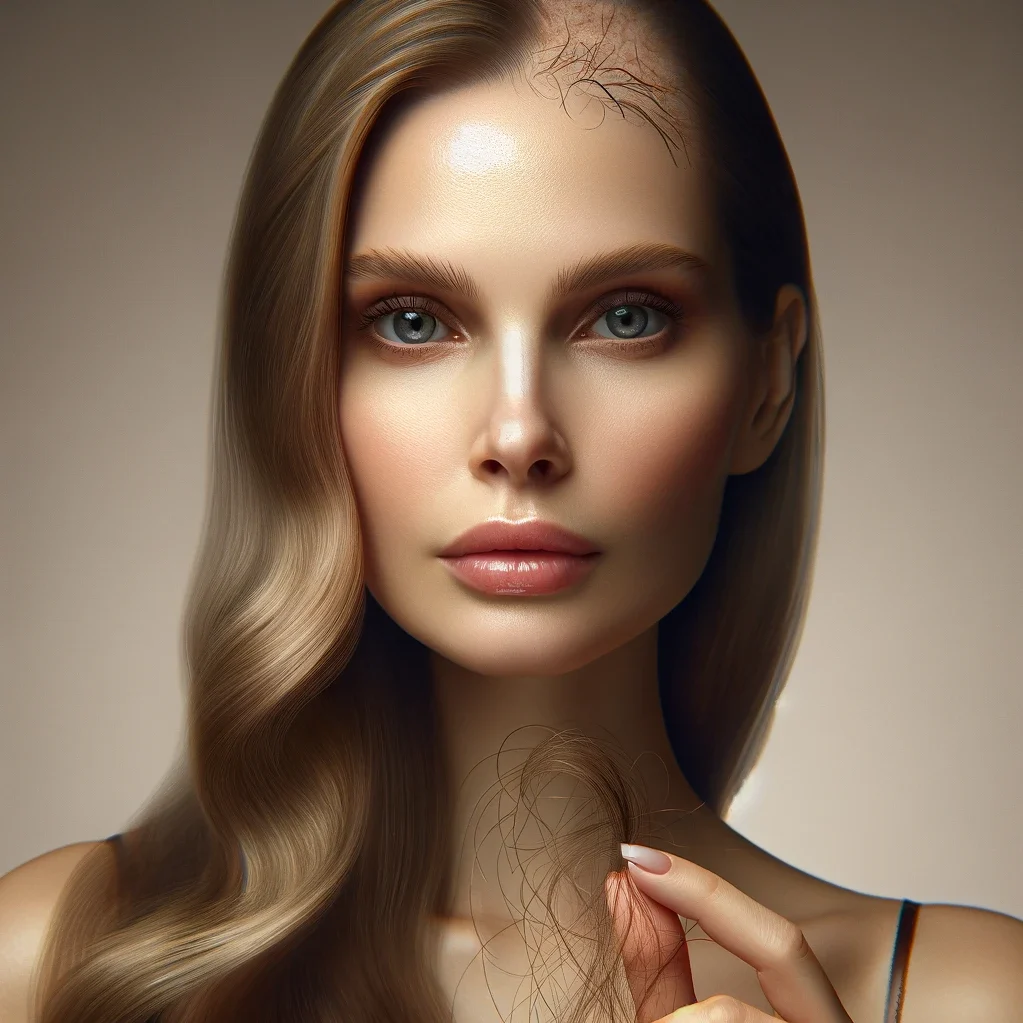

Female pattern baldness is the most common type of hair loss in women. It is characterized by hair thinning on the top and crown of the scalp, starting with a widening through the center hair part. This pattern is often referred to as the “Christmas tree pattern.” Female pattern baldness does not typically lead to total or near total baldness like it can in men. The exact cause of female pattern baldness is not well understood but may be related to aging, changes in hormone levels, family history of baldness, heavy menstrual bleeding, and certain medications. Diagnosis is usually based on ruling out other causes of hair loss and examining the appearance and pattern of hair loss.
Key Takeaways:
- Female pattern baldness is the most common type of hair loss in women.
- It is characterized by hair thinning on the top and crown of the scalp.
- Diagnosis is based on ruling out other causes of hair loss and examining the appearance and pattern of hair loss.
- The exact cause of female pattern baldness is not well understood but may be related to aging, hormone levels, family history, heavy menstrual bleeding, and certain medications.
- Female pattern baldness does not typically lead to total or near total baldness like it can in men.
Female pattern baldness can have a significant impact on a woman’s self-esteem and quality of life. Fortunately, there are solutions available to help reverse female pattern hair loss and promote hair regrowth. In this article, we will explore various treatment options and strategies for managing female pattern baldness.
Understanding Female Pattern Hair Loss
Female pattern hair loss, also known as female pattern baldness, is a common condition that affects many women. It is characterized by a gradual thinning and loss of hair in specific areas of the scalp. Understanding the causes and symptoms of female pattern hair loss is essential for effective treatment and hair regrowth remedies.
The Causes of Female Pattern Hair Loss
Female pattern hair loss occurs due to a combination of genetic and hormonal factors. It is believed that genes inherited from both parents play a significant role in the development of this condition. Hormonal changes, particularly an increase in the male hormone dihydrotestosterone (DHT), can also contribute to hair follicle shrinkage and hair thinning.
Other factors that may contribute to female pattern hair loss include:
- Age: Hair loss becomes more common as women age.
- Hormonal imbalances: Conditions such as polycystic ovary syndrome (PCOS) can lead to hormonal imbalances and hair loss.
- Medical conditions: Certain medical conditions like thyroid disorders and autoimmune diseases can cause hair loss.
- Stress and emotional factors: High levels of stress or emotional trauma can contribute to hair loss.
Recognizing the Symptoms of Female Pattern Hair Loss
Female pattern hair loss typically follows a distinct pattern, different from male pattern baldness. It primarily affects the top and crown of the scalp, while the front hairline remains intact. Common symptoms of female pattern hair loss include:
- Thinning of hair on the top and crown of the scalp
- A widening part line
- A visible decrease in hair density
- Miniaturized or fine hairs on the affected areas
It’s important to note that itching or skin sores on the scalp are generally not associated with female pattern hair loss. If you experience these symptoms, it may be a sign of another underlying condition that requires medical attention.
Treatment Options for Female Pattern Hair Loss
Fortunately, various treatment options are available to address female pattern hair loss and promote hair regrowth. These include:
- Medications: The most commonly prescribed medication for female pattern hair loss is minoxidil. It is available as a topical solution or foam and can stimulate hair growth when applied to the scalp regularly.
- Hormonal therapy: In some cases, hormonal therapy may be recommended to balance hormone levels and prevent further hair loss. This can involve the use of anti-androgen medications or oral contraceptives.
- Platelet-rich plasma (PRP) therapy: PRP therapy involves injecting platelet-rich plasma derived from the patient’s blood into the scalp to stimulate hair growth.
- Hair transplant: Hair transplant surgery can be an effective option for women with more advanced hair loss. During this procedure, hair follicles from a donor area are transplanted into the thinning or balding areas of the scalp.
Medications for Female Pattern Baldness
When it comes to addressing female pattern baldness, there are various medications available that can help stimulate hair regrowth and slow down hair loss. One of the most commonly prescribed and FDA-approved medications for female pattern baldness is minoxidil.
Minoxidil is a topical solution or foam that needs to be applied directly to the scalp. It comes in different strengths, typically 2% or 5%, and can promote hair regrowth in approximately 1 in 4 or 5 women. It works by improving blood flow to the hair follicles, which can help stimulate hair growth.
It’s important to note that minoxidil needs to be used continuously to maintain its effects. Discontinuing the use of minoxidil may result in hair loss resuming, so it is recommended to incorporate it into your daily hair care routine for long-term results.
Aside from minoxidil, there are other medications that healthcare providers might recommend for the treatment of female pattern baldness:
- Spironolactone: Originally a medication for treating high blood pressure, spironolactone can also help slow down hair loss and promote hair regrowth in women. It works by reducing the production of androgens, which can contribute to hair loss.
- Cimetidine: Cimetidine, primarily used to treat stomach ulcers and gastroesophageal reflux disease (GERD), may have a beneficial effect in promoting hair growth by inhibiting the production of androgens.
- Birth control pills: Certain types of oral contraceptives can help regulate hormone levels and reduce androgen production, potentially leading to a decrease in hair loss and an improvement in hair regrowth.
- Ketoconazole: Ketoconazole is an antifungal medication that can be used topically or in shampoo form. It may help reduce inflammation and the production of androgen hormones, which can contribute to hair loss.
Quote:
These medications can play an important role in female pattern baldness treatment, but it’s essential to consult with a healthcare provider to determine the most suitable option for your specific situation.
It’s important to keep in mind that medication effectiveness can vary from person to person, and results may take time to become noticeable. Additionally, medication is not a standalone solution for reversing hair loss in females. Other lifestyle factors, such as a balanced diet, stress management, and scalp hygiene, also contribute to hair health.
If you are considering taking any medications for female pattern baldness, it’s crucial to consult with a healthcare professional who can assess your condition and provide personalized recommendations.

| Medication | How it Works |
|---|---|
| Minoxidil | Improves blood flow to hair follicles, stimulating hair regrowth |
| Spironolactone | Reduces production of androgens, which can contribute to hair loss |
| Cimetidine | Inhibits androgen production, potentially promoting hair growth |
| Birth control pills | Regulates hormone levels and reduces androgen production |
| Ketoconazole | Reduces inflammation and androgen hormone production |
Hair Transplant as an Option
For women who do not respond well to medications or have significant cosmetic concerns, a hair transplant is a potential option for reversing hair loss. This procedure involves taking tiny plugs of hair from areas with thicker hair and transplanting them into the balding areas.
A hair transplant can provide excellent and permanent results. However, it’s important to note that the procedure may result in minor scarring and carries a slight risk of skin infection. Multiple transplants may be required to achieve the desired outcome, and the cost can be significant.
Nevertheless, many women find that the benefits of hair transplants outweigh the potential risks and costs. Let’s explore the details of this procedure and its effectiveness in reversing hair loss in females.
Other Solutions for Female Pattern Hair Loss
In addition to medications and hair transplants, there are other options for managing female pattern hair loss. These include techniques such as hair weaving, using hairpieces, or changing hairstyles to conceal hair loss and improve appearance. These options are generally less expensive and safer than medical interventions. It’s important to note that female pattern baldness is usually not a sign of an underlying medical disorder, but it can affect self-esteem and cause anxiety.
If you’re looking for non-medical solutions for female pattern hair loss, consider the following strategies:
| Technique | Description |
|---|---|
| Hair Weaving | A method where synthetic or human hair extensions are woven or braided into existing hair to add volume and length. It can effectively conceal hair loss and create a natural-looking appearance. |
| Hairpieces | Wigs or hair toppers made from real or synthetic hair that can be worn to cover areas of hair thinning or baldness. Hairpieces come in various styles, colors, and lengths to suit individual preferences. |
| Hairstyle Changes | Opting for a different haircut or style that helps to camouflage hair loss. Certain hairstyles, such as layered cuts or adding volume with mousse, can create the illusion of thicker hair. |
These non-medical interventions can provide immediate results and enhance your self-confidence while you address the underlying causes of hair loss. They offer flexibility and can be customized according to your preferences and budget.
It’s important to remember that these solutions are temporary and do not address the root cause of female pattern hair loss. It’s essential to consult with a healthcare professional or dermatologist to develop a comprehensive treatment plan tailored to your specific needs.

Supporting Hair Health Naturally
While these solutions can help manage hair loss, implementing strategies to support hair health is equally important. Here are some tips to prevent further hair thinning:
- Eat a balanced diet rich in vitamins, minerals, and proteins to nourish your hair follicles.
- Avoid harsh chemical treatments and heat styling tools that can damage the hair shafts.
- Practice stress management techniques such as meditation or yoga, as stress can contribute to hair thinning.
- Use gentle hair care products formulated for your hair type and avoid over-washing or excessive brushing.
By incorporating these practices into your daily routine, you can promote healthier hair growth and minimize the risk of further hair loss.
When to Seek Medical Help for Hair Loss
If you are experiencing hair loss that continues or if you have other symptoms such as itching or skin irritation on the scalp, it is recommended to seek medical help. A healthcare provider can diagnose female pattern baldness by ruling out other potential causes of hair loss, examining the pattern of hair loss, and evaluating any signs of hormonal imbalances. They may also use a dermoscope or microscope to examine the hair structure or perform a skin biopsy or blood tests to rule out other skin disorders that cause hair loss.
Finding the root cause of your hair loss is crucial for effective treatment. Consulting a medical professional will help you determine the appropriate course of action to address your specific hair loss concerns.
How Female Pattern Baldness Is Diagnosed
Diagnosing female pattern baldness typically involves:
- Evaluating your medical history and family history of hair loss
- Conducting a physical examination of your scalp and hair
- Ruling out other potential causes of hair loss, such as thyroid problems or autoimmune diseases
- Examining the pattern, extent, and density of hair loss on the scalp
- Assessing any signs of hormonal imbalances, such as irregular periods or excess facial hair
- Using a dermoscope or microscope to examine the hair follicles and detect any structural abnormalities
- Performing a skin biopsy or blood tests to rule out other skin disorders that cause hair loss
If you notice excessive hair loss or changes in your hair, it’s essential to consult a healthcare professional experienced in hair loss diagnosis. They have the expertise to accurately diagnose your condition and recommend appropriate treatment options.
| Signs that warrant seeking medical help | Signs that do not require immediate medical attention |
|---|---|
|
|
Remember, seeking timely medical help can lead to a proper diagnosis and the implementation of effective management strategies to address female pattern baldness and promote hair regrowth.
Treatment Options for Female Pattern Hair Loss
Finding an effective hair loss treatment for women experiencing female pattern baldness is crucial for restoring confidence and promoting hair regrowth. Fortunately, there are various treatment options available tailored specifically to address this condition.
Medications for Female Pattern Baldness
One of the primary medications prescribed for female pattern hair loss is minoxidil, which is the only FDA-approved medication for this condition. Available as a 2% or 5% solution or foam, minoxidil is applied directly to the scalp to stimulate hair growth. It has been shown to be effective in promoting hair regrowth in approximately 25-30% of women and can also help slow down or stop further hair loss. Continued use is necessary to maintain the results achieved with minoxidil.
In addition to minoxidil, healthcare providers may also recommend other medications such as:
- Spironolactone: This medication helps block the effects of androgens, hormones that can contribute to hair loss in women.
- Cimetidine: Originally used to treat stomach ulcers, cimetidine has shown potential in slowing down hair loss by blocking the effects of dihydrotestosterone (DHT), a hormone believed to contribute to female pattern baldness.
- Birth control pills: Certain types of birth control pills can help regulate hormone levels and potentially reduce hair loss in women.
- Ketoconazole: This antifungal medication has been found to have anti-androgenic properties that may help mitigate hair loss in women.
Hair Transplant as an Option
In cases where medications do not achieve the desired results, hair transplant surgery can be a viable option for women with female pattern baldness. During a hair transplant procedure, hair follicles from areas with dense hair growth are extracted and transplanted into the areas of thinning or baldness. This procedure can provide excellent and long-lasting results, although it may require multiple sessions and involves a potential risk of minor scarring and infection.
Other Solutions for Managing Hair Loss
Aside from medications and hair transplants, there are additional options available for managing female pattern hair loss:
- Hair weaving: This technique involves attaching natural or synthetic hair to existing hair, creating the appearance of thicker and fuller hair.
- Hairpieces: Wigs or hairpieces specially designed to blend with natural hair can effectively conceal hair loss and improve overall appearance.
- Hairstyle changes: Opting for hairstyles that provide volume and coverage can help minimize the appearance of thinning hair.
It’s important to consult with a healthcare professional to determine the most suitable treatment option for female pattern hair loss. They can provide personalized recommendations based on individual circumstances and help achieve optimal results in hair regrowth and restoration.
Conclusion
Reversing hair loss in females can be a distressing experience, but there are effective treatment options available. If you are experiencing hair loss that continues or are dealing with symptoms such as itching or skin irritation on the scalp, it is crucial to seek medical help.
Treatment strategies for female hair loss prevention include using medications such as minoxidil, which is an FDA-approved solution. In some cases, hair transplants can be a viable option for women who do not respond well to medications. Other solutions like hair weaving or using hairpieces can also improve the appearance and boost confidence.
In addition to medical interventions, maintaining a healthy lifestyle and a nutritious diet can support overall hair health. Early intervention and consistent treatment are key in reversing female pattern hair loss and achieving better outcomes. Remember, you don’t have to face hair loss alone – there are solutions available that can help you regain your confidence and hair.
FAQ
What is female pattern baldness?
Female pattern baldness is the most common type of hair loss in women. It is characterized by hair thinning on the top and crown of the scalp, starting with a widening through the center hair part. This pattern is often referred to as the “Christmas tree pattern.” Female pattern baldness does not typically lead to total or near total baldness like it can in men.
What causes female pattern baldness?
The exact cause of female pattern baldness is not well understood but may be related to aging, changes in hormone levels, family history of baldness, heavy menstrual bleeding, and certain medications.
How is female pattern baldness diagnosed?
Diagnosis is usually based on ruling out other causes of hair loss and examining the appearance and pattern of hair loss.
What is the treatment for female pattern baldness?
The only FDA-approved medication for the treatment of female pattern baldness is minoxidil. Other medications that might be recommended include spironolactone, cimetidine, birth control pills, and ketoconazole. Hair transplant is also a potential option for women who do not respond well to medications or have significant cosmetic concerns.
Are there other options for managing female pattern hair loss?
Yes, other options include techniques such as hair weaving, using hairpieces, or changing hairstyles to conceal hair loss and improve appearance.
When should I seek medical help for hair loss?
It is recommended to seek medical help if you are experiencing hair loss that continues or if you have other symptoms such as itching or skin irritation on the scalp.
How is female pattern baldness diagnosed?
A healthcare provider can diagnose female pattern baldness by ruling out other potential causes of hair loss, examining the pattern of hair loss, and evaluating any signs of hormonal imbalances. They may also use a dermoscope or microscope to examine the hair structure or perform a skin biopsy or blood tests to rule out other skin disorders that cause hair loss.
What are the treatment options for female pattern hair loss?
The primary treatment options include medications such as minoxidil, hair transplants, and other solutions like hair weaving or using hairpieces to improve appearance.