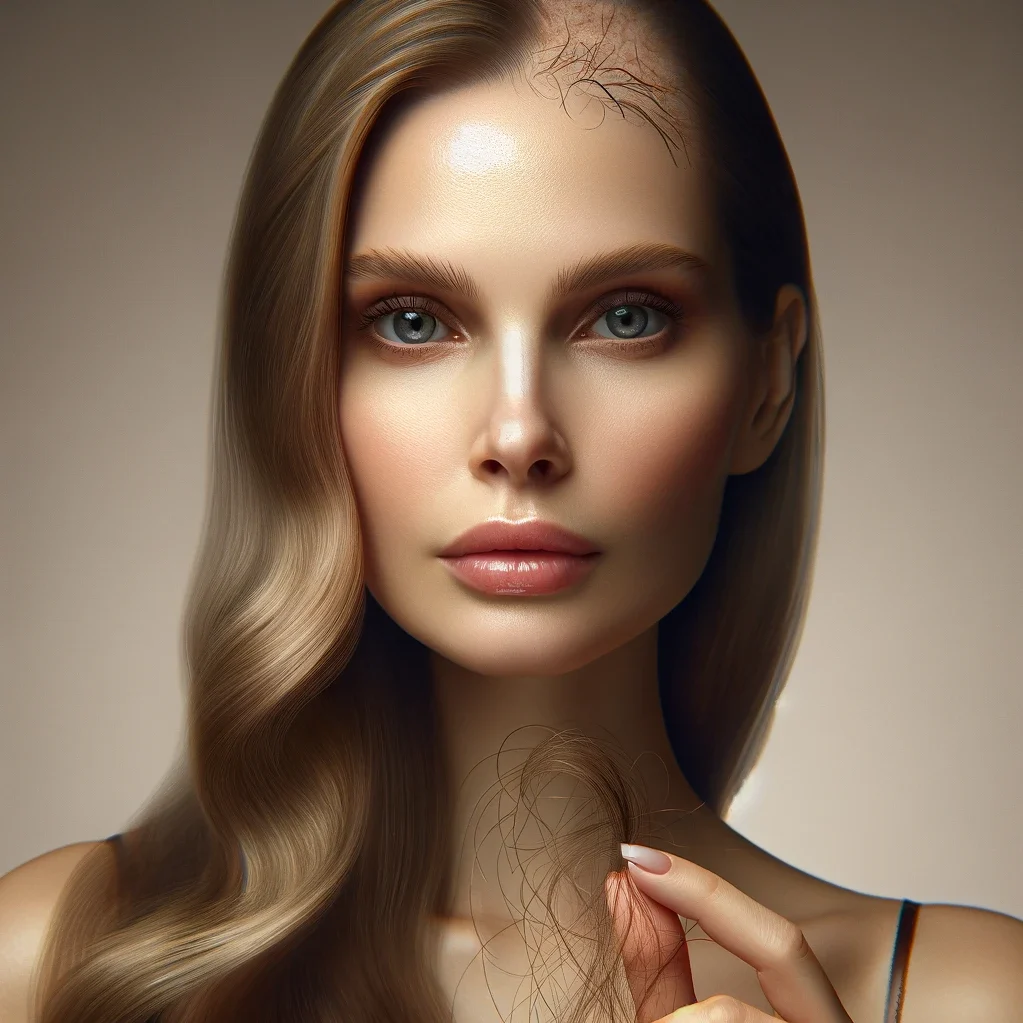
Discovering that your hair is becoming thin or sparse can be difficult for any woman. While female hair loss is incredibly common, a changing hairline or new bald spots can knock your confidence. About one in three women will experience some form of hair loss throughout their lives, with the vast majority caused by female pattern baldness. This gradual thinning of the hair goes hand in hand with aging and can be affected by genetic, hormonal, and lifestyle factors. It’s important to identify the type of hair loss you’re experiencing in order to create an effective treatment plan.
Key Takeaways:
- Rogaine is a popular hair regrowth treatment for women with female pattern baldness.
- Female pattern baldness is the most common cause of hair loss in women.
- Identifying the underlying cause of hair loss is crucial for effective treatment.
- Minoxidil, the active ingredient in Rogaine, has been clinically proven to boost hair regrowth in more than 80% of women.
- Consulting with a healthcare professional is important for determining the best treatment plan for individual needs.
Symptoms of Female Hair Loss
Recognizing the symptoms of hair loss in women is crucial in identifying and addressing the issue effectively. Female pattern baldness, the most common type of hair loss in women, typically presents with specific signs that can vary from person to person. Here are some key symptoms to be aware of:
- Gradual thinning: Female pattern baldness often starts with a gradual thinning at the part line and crown of the head. This thinning may become more noticeable over time.
- Bald spots: In some cases, women may experience random bald spots on their scalp. These spots can be a result of other types of hair loss, such as alopecia areata.
- Sudden shedding: Hair loss can sometimes occur suddenly, with an excessive amount of hair shedding. This can be alarming and may result in visibly thinner hair.
- Receding hairline: Similar to male pattern baldness, some women may notice a receding hairline, especially around the temples.
- Hair on pillow, brush, or drain: Finding an increased amount of hair on your pillow, brush, or in the drain after showering can be an indication of excessive hair loss.
- Sunburn on thinning spots: Thinning spots on the scalp may become more susceptible to sunburn due to the lack of hair coverage.
Hair loss symptoms can be progressive and may peak around menopause. It’s essential to pay attention to these signs and consult with a medical professional for an accurate diagnosis and appropriate treatment options.
Quote:
“Recognizing the signs of hair loss in women allows for early intervention and better outcomes in addressing the issue.”
| Hair Loss Symptoms in Women | Female Pattern Baldness Symptoms | Signs of Hair Loss in Females | Thinning Hair in Women | Alopecia in Women |
|---|---|---|---|---|
| Gradual thinning at the part line and crown of the head | Random bald spots on the scalp | Sudden and excessive hair shedding | Receding hairline, especially around the temples | Increased hair on pillow, brush, or in the drain |
| Sunburn on thinning spots on the scalp |
Causes of Hair Loss in Women
Female pattern baldness, also known as androgenic alopecia, is the most common type of hair loss in women. It is often caused by genetic factors, hormone activity (especially during menopause when estrogen and progesterone decline), and the natural aging process.
Other types of hair loss in women can be triggered by various factors, including:
- Stress
- Illness
- Medications
- Autoimmune disorders
- Lifestyle factors
Understanding the underlying cause of hair loss is crucial for developing an effective treatment plan. While genetic and hormonal factors play a significant role in female hair loss, it’s essential to address any external factors or conditions that may be contributing to the problem.
The Role of Genetics in Hair Loss
Genetic hair loss in females can be inherited from either the mother or father’s side of the family. If there is a family history of female pattern baldness, it increases the likelihood of experiencing hair loss.
Hormonal Changes and Hair Loss
Hormones play a crucial role in hair growth. Fluctuations in hormonal levels, such as those that occur during pregnancy, childbirth, or menopause, can contribute to hair loss in women. During menopause, the decline in estrogen and progesterone can lead to thinning hair.
Aging and Hair Loss
As women age, their hair naturally thins out. The aging process reduces the size of hair follicles and slows down hair growth. This gradual hair loss is a normal part of the aging process and affects both men and women.
By understanding the causes of hair loss in women, individuals can take proactive steps to address the underlying factors contributing to their hair loss and explore suitable treatment options.
How to Regrow Hair in Women
When it comes to hair regrowth in women, there are several effective treatments available. From trying new hairstyles to using over-the-counter solutions, finding the right approach can make a significant difference in restoring hair growth. One popular and FDA-approved treatment for female pattern hair loss is minoxidil, commonly known as Rogaine.
Minoxidil is a topical solution that has been clinically proven to boost hair regrowth in more than 80% of women. With regular use, this treatment can help address the underlying causes of hair loss and stimulate the growth of new hair follicles. The active ingredient in Rogaine, minoxidil, is available in different concentrations, such as Women’s Rogaine 2% Minoxidil Solution and Women’s Rogaine 5% Minoxidil Unscented Foam. These formulations offer convenience and effectiveness in promoting hair regrowth in women.
Early intervention is crucial in regrowing hair before it becomes too thin. Taking proactive steps to address hair loss can help restore confidence and promote a healthier, fuller head of hair. In addition to using minoxidil, it is important to maintain a healthy lifestyle, manage stress levels, and consult with a healthcare professional for personalized advice and recommendations.
The Benefits of Minoxidil for Women
- Boosts hair regrowth in more than 80% of women
- Addresses the underlying causes of female pattern hair loss
- FDA-approved and widely recognized as an effective treatment
- Available in different concentrations and formulations for convenience
“Minoxidil has proven to be a game-changer for many women struggling with hair loss. Its efficacy and availability make it a top choice for hair regrowth in women.”
Embracing treatments like minoxidil can provide women with effective solutions for hair loss. By stimulating hair regrowth and addressing the underlying causes of female pattern hair loss, minoxidil offers a convenient and proven method for regaining confidence and promoting healthier hair.

Side Effects of Minoxidil for Women
While minoxidil is generally considered safe and effective, it’s important to be aware of the potential side effects. These side effects can vary from person to person and may include:
- Contact dermatitis: This common side effect can cause scalp discomfort, itchiness, flaking skin, redness, and irritation.
- Unwanted hair growth: Some women may experience unwanted hair growth on the face, although this side effect is more common with higher concentrations of minoxidil. Using the 2% concentration can help minimize this effect.
- Temporary hair shedding: Initially, you may notice increased hair shedding when starting minoxidil treatment. However, this is often a sign that the medication is working, as it helps transition hair follicles into the active growth phase.
- Low blood pressure: While rare, minoxidil can potentially lower blood pressure in some individuals. It’s important to monitor your blood pressure regularly if you have any concerns.
- Potential fetal development impairment: Minoxidil is not recommended for pregnant or breastfeeding women due to limited research on its effects on fetal development.
- Allergies: In rare cases, some individuals may experience allergic reactions to minoxidil. If you develop any symptoms such as rash, hives, or difficulty breathing, seek medical attention immediately.
- Headaches: Headaches are a possible side effect of minoxidil, although they are generally mild and temporary.
- Heart palpitations: It is uncommon, but some individuals may experience heart palpitations while using minoxidil. If you have a history of heart problems, consult with your healthcare provider before using minoxidil.
It’s important to note that these side effects are generally mild and temporary. However, if you experience any severe or persistent side effects, it’s recommended to discontinue use and consult with a healthcare professional.
Expert Insights
“While minoxidil can be an effective solution for women experiencing hair loss, it’s crucial to be aware of the potential side effects. Contact dermatitis, scalp discomfort, and unwanted hair growth are the most common side effects. However, these side effects are often rare and can be minimized by using the appropriate concentration of minoxidil. If you have any concerns or experience severe reactions, it’s best to consult with a healthcare professional.” – Dr. Emily Jones, Dermatologist
Alternatives to Rogaine for Women
While Rogaine is the only FDA-approved topical medication for female pattern baldness, there are alternative treatment options available.
1. Addressing the underlying cause of hair loss: Identifying and treating the root cause of hair loss can be a highly effective approach. Consulting with a healthcare professional or dermatologist can help determine if hormonal imbalances, nutritional deficiencies, or other factors are contributing to hair loss.
2. Wearing wigs to cover balding areas: Wigs offer a non-medication option for women experiencing hair loss. They provide instant coverage for balding areas and can be styled to match natural hair.
3. Making dietary changes to promote hair growth: Consuming a nutrient-rich diet can support healthy hair growth. Incorporate foods rich in vitamins, minerals, and proteins, such as leafy greens, lean meats, fish, and nuts.
4. Undergoing hair transplant procedures: Hair transplant is a surgical procedure that involves transplanting hair follicles from one part of the body to the balding areas. This option is more invasive and should be discussed with a qualified hair transplant specialist.
5. Finasteride: While primarily approved for men, finasteride may be prescribed for postmenopausal women with female pattern hair loss. It is essential to consult with a healthcare professional to assess the potential risks and benefits of this medication before use.
Next Steps
Considering the various alternatives to Rogaine for women, it is crucial to explore the options that best suit individual needs and preferences. Consulting with a healthcare professional or dermatologist can provide valuable guidance on selecting the most suitable treatment approach.
| Treatment Option | Description |
|---|---|
| Addressing the underlying cause | Ideal for identifying and treating the root cause of hair loss |
| Wearing wigs | Provides instant coverage for balding areas |
| Making dietary changes | Promotes hair growth by consuming a nutrient-rich diet |
| Hair transplant procedures | A surgical option for transplanting hair follicles to balding areas |
| Finasteride | Prescribed for postmenopausal women with female pattern hair loss |
Conclusion
When it comes to female pattern baldness, finding an effective hair regrowth treatment is crucial for restoring confidence and self-esteem. Rogaine, with its active ingredient minoxidil, has proven to be a popular and reliable option for women seeking to address hair loss. By prolonging the growth phase of hair follicles, Rogaine promotes thicker and fuller hair, helping women regain their natural beauty.
It’s important to acknowledge that while Rogaine offers significant benefits, there are potential side effects and considerations to be aware of. Contact dermatitis, scalp discomfort, and unwanted hair growth are among the possible risks associated with minoxidil. However, these side effects can be managed by using the appropriate concentration and consulting with a healthcare professional.
Ultimately, Rogaine provides a safe and accessible solution for women experiencing female pattern baldness. By consulting with a medical expert, women can determine the best treatment plan that suits their individual needs and addresses their hair loss concerns. Take the first step towards regaining your confidence and achieving fuller, thicker hair with Rogaine.
FAQ
What is Rogaine for Female Pattern Baldness?
Rogaine is an FDA-approved topical treatment for female pattern hair loss. It contains minoxidil, which has been clinically proven to boost hair regrowth in more than 80% of women.
What are the symptoms of female hair loss?
Female hair loss can manifest as gradual thinning at the part line and crown of the head, random bald spots, sudden extreme shedding, or a receding hairline. Other signs may include finding more hair on your pillow, in your brush or comb, in the drain, or experiencing sunburn on thinning spots on the scalp.
What causes hair loss in women?
Hair loss in women can be caused by genetic factors, hormonal changes (especially during menopause), and the natural aging process. Other causes may include stress, illness, medications, autoimmune disorders, or lifestyle factors.
How can I regrow hair as a woman?
Treatment options for female hair loss include trying new hairstyles or haircuts, using over-the-counter hair loss treatments like minoxidil (such as Women’s Rogaine), addressing any underlying causes, making dietary changes, and considering hair transplant procedures.
Are there any side effects of using minoxidil for women?
While minoxidil is generally considered safe and effective, potential side effects may include scalp discomfort, itchiness, flaking skin, redness, and irritation. Unwanted hair growth on the face is another possible side effect, although it usually occurs more frequently in women and can be minimized by using the 2% concentration of minoxidil. Temporary hair shedding, low blood pressure, potential fetal development impairment, allergies, headaches, and heart palpitations are also possible.
What are the alternatives to Rogaine for women?
Alternative treatment options for female pattern baldness include addressing the underlying cause of hair loss, wearing wigs or other hairpieces to cover balding areas, making dietary changes to promote hair growth, and considering non-medication options or natural remedies.
What is the best treatment for female pattern baldness?
The best treatment for female pattern baldness may vary depending on individual circumstances. However, Rogaine (minoxidil) is the only FDA-approved topical medication for female pattern hair loss and has been clinically proven to be effective in the majority of women. Consulting with a healthcare professional can help determine the most suitable treatment plan.
What should I do if I’m experiencing hair loss as a woman?
If you are experiencing hair loss, it is recommended to consult with a healthcare professional or dermatologist who can evaluate your specific situation and recommend appropriate treatment options. They can help diagnose the type of hair loss and develop a personalized treatment plan for you.
Is hair loss in women common?
Yes, hair loss in women is relatively common. Approximately one in three women will experience some form of hair loss throughout their lives, with the majority being due to female pattern baldness.