
Platelet-rich plasma (PRP) therapy has emerged as a cutting-edge treatment for various conditions, offering advanced solutions for those seeking effective healing and rejuvenation. Derived from the patient’s own blood, PRP injections are processed to increase platelet concentration, aiming to improve the capacity for healing and recovery. With its growing popularity among athletes like Tiger Woods and Rafael Nadal, PRP therapy has become a go-to treatment for osteoarthritis, tendon and soft tissue injuries, and aiding in the post-surgical recovery process.
Research has shown promising results in the field of PRP therapy, particularly in treating knee osteoarthritis, protecting cartilage and tendons from degradation, and improving pain and stiffness. Moreover, scientists are exploring other potential applications of PRP, such as in cosmetic procedures and hair loss treatment. However, it is crucial to find a trusted physician who has conducted clinical trials and maintains a commitment to quality. Additionally, it’s worth noting that the cost of PRP injections can vary, and insurance coverage may be limited as scientific research is still in its early stages.
- PRP therapy utilizes the patient’s own blood to increase platelet concentration for improved healing and recovery.
- PRP injections have shown positive results in treating osteoarthritis, tendon and soft tissue injuries, and aiding in post-surgical recovery.
- Research is ongoing to explore other potential applications of PRP, including cosmetic procedures and hair loss treatment.
- It is essential to consult a trusted physician with expertise in PRP therapy to ensure the best results.
- The cost of PRP injections can vary, and insurance coverage may be limited due to ongoing research.
The Mechanism of PRP and How It Works
Platelet-rich plasma (PRP) therapy harnesses the platelet activation process to trigger tissue repair and protect cartilage and tendons. This innovative treatment involves injecting a concentrated solution of platelets, derived from the patient’s own blood, into the injured area.
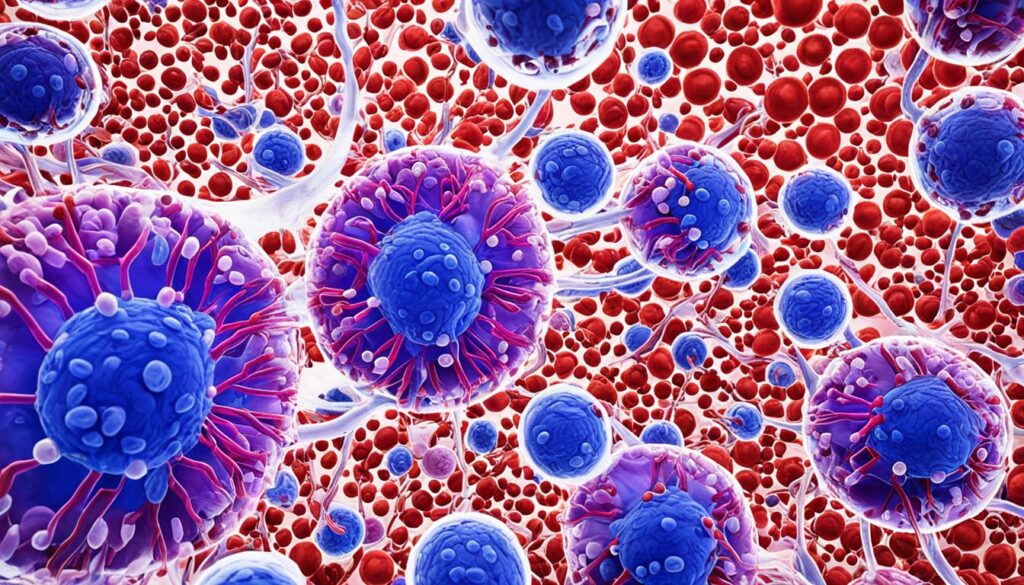
When platelets are activated, they release proteins found in the blood that initiate the repair process. These proteins play a crucial role in stimulating the regeneration of damaged cartilage, blood vessels, and soft tissue, promoting the body’s natural healing mechanisms.
While the body cannot naturally increase platelet production in a specific area, PRP therapies have been shown to feature up to five times the normal concentration of platelets found in blood. This heightened platelet concentration is believed to enhance healing and recovery by safeguarding cartilage and tendons from further deterioration caused by everyday wear and tear.
Studies have shown the effectiveness of PRP injections in the repair of various injuries, including tendon injuries like tennis elbow and Achilles tendonitis, as well as ligament and muscle injuries. By initiating tissue repair and stimulating healing mechanisms, PRP therapy holds promise for improving outcomes in musculoskeletal conditions.
Research continues to explore the full potential of PRP therapy and its mechanisms of action, unlocking new possibilities for effective treatment options and improved patient outcomes.
How the Platelet Activation Process Works:
- Step 1: Platelet-rich plasma is derived from the patient’s own blood through a simple blood draw.
- Step 2: The blood is processed to separate the platelet-rich plasma from other blood components.
- Step 3: The concentrated PRP solution is prepared for injection, ensuring a high concentration of platelets.
- Step 4: The PRP solution is injected into the targeted area, delivering a potent dose of growth factors and proteins.
- Step 5: The activated platelets release these proteins, initiating the repair process and facilitating tissue healing.
By leveraging the body’s own natural healing mechanisms, PRP therapy offers a promising approach to address a range of musculoskeletal conditions and promote optimal recovery. Ongoing research in the field of regenerative medicine continues to shape our understanding of PRP therapy and refine its application in clinical practice.
| Benefits of PRP Therapy | Conditions Treated |
|---|---|
| Enhanced tissue repair | Soft tissue injuries |
| Protection of cartilage and tendons | Tendon injuries |
| Promotion of natural healing mechanisms | Ligament injuries |
| Reduced pain and inflammation | Muscle injuries |
| Improved mobility and function | Osteoarthritis |
The Applications and Effectiveness of PRP Therapy
PRP therapy has proven to be highly effective in treating a variety of conditions, including osteoarthritis, tendon and soft tissue injuries, and aiding in the post-surgical recovery process. Numerous studies have shown that PRP injections can offer significant relief from knee pain and improve the level of activity for up to a year after a single injection.
One of the key benefits of PRP therapy is its ability to protect cartilage and tendons from degradation, which is particularly important in conditions like knee osteoarthritis. By injecting platelet-rich plasma directly into the affected area, PRP therapy stimulates tissue repair and accelerates the healing process, resulting in reduced pain and improved functionality.
In addition to its effectiveness in treating osteoarthritis, PRP therapy has shown promising results in addressing tendon and soft tissue injuries. Whether it’s tennis elbow, Achilles tendonitis, or other similar conditions, PRP injections have been proven to promote tissue regeneration and enhance the healing process.
Furthermore, PRP therapy has extended its reach beyond traditional medical applications. It has been widely used in cosmetic procedures, such as the popular “vampire facial,” where PRP injections are combined with microneedling to rejuvenate the skin and stimulate collagen production. PRP injections are also being explored as a potential treatment for hair loss, with studies and clinical trials underway to evaluate its effectiveness in this area.
While the applications and potential benefits of PRP therapy are vast, it’s important to note that further research is still needed to determine the full extent of its effectiveness in cosmetic procedures and hair loss treatment. Clinical trials are ongoing, and as more data becomes available, we will gain a better understanding of the therapeutic potential of PRP in these areas.
It is also worth mentioning that the cost of PRP injections can vary depending on various factors, including the location and provider. It is important to consult with a trusted physician who has conducted clinical trials and has a commitment to quality to determine if PRP therapy is a suitable option for your specific condition.
Overall, PRP therapy offers promising results in the treatment of osteoarthritis, tendon and soft tissue injuries, as well as in aiding the post-surgical recovery process. Consult with a qualified healthcare professional to explore the potential benefits of PRP therapy and determine if it is the right choice for you.
| Treatment | Efficacy | Pain Relief | Duration |
|---|---|---|---|
| Osteoarthritis | Highly effective | Significant reduction | Up to a year |
| Tendon Injuries | Promotes tissue regeneration | Relieves pain and stiffness | Varies by injury |
| Soft Tissue Injuries | Enhances healing process | Improves functionality | Varies by injury |
Conclusion
Platelet-rich plasma (PRP) therapy offers a promising solution for individuals suffering from osteoarthritis, tendon and soft tissue injuries, and the recovery process after surgery. The effectiveness of PRP injections has been demonstrated in various studies, showing improvements in pain, stiffness, and the protection of cartilage and tendons. However, ongoing research is necessary to fully comprehend its effectiveness and mechanisms of action.
When considering PRP therapy, it is crucial to consult with a trusted physician who specializes in the field. A knowledgeable practitioner can guide you through the treatment process and provide expert advice. Since the cost of PRP injections can vary, it is wise to conduct thorough research and compare different providers before making a decision. By carefully weighing the potential benefits and risks, you can find the top PRP treatments that best suit your needs and enable effective healing and rejuvenation.
With the right physician and a well-designed treatment plan, PRP therapy offers premium solutions for individuals seeking optimal platelet-rich plasma therapies. By harnessing the power of your body’s own healing abilities, PRP treatments provide an effective alternative to traditional methods. Explore the leading PRP therapy services and discover the best platelet-rich plasma solutions to address your specific condition and attain an improved quality of life.
FAQ
What is platelet-rich plasma (PRP) therapy?
Platelet-rich plasma (PRP) is an injection derived from the patient’s own blood and processed to increase platelet concentration. PRP aims to improve the capacity for healing and recovery by increasing platelet concentration and injecting them at the site of injury.
What conditions can PRP therapy treat?
PRP injections have been used to treat osteoarthritis, tendon and soft tissue injuries, and aid in the post-surgical recovery process.
What are the benefits of PRP injections for knee osteoarthritis?
PRP injections have shown promising results in treating knee osteoarthritis by protecting cartilage and tendons from degradation and improving pain and stiffness.
Are there any other applications of PRP therapy?
PRP injections have been used in cosmetic procedures and are being tested as a treatment for hair loss. However, further research is needed to determine their effectiveness in these areas.
Is PRP therapy covered by insurance?
The cost of PRP injections can vary, and insurance coverage may be limited as scientific research is still in its early stages. It is important to consult with a trusted physician to discuss the potential benefits and costs.
1 thought on “Top Platelet-Rich Plasma Therapies Reviewed”