I. Introduction
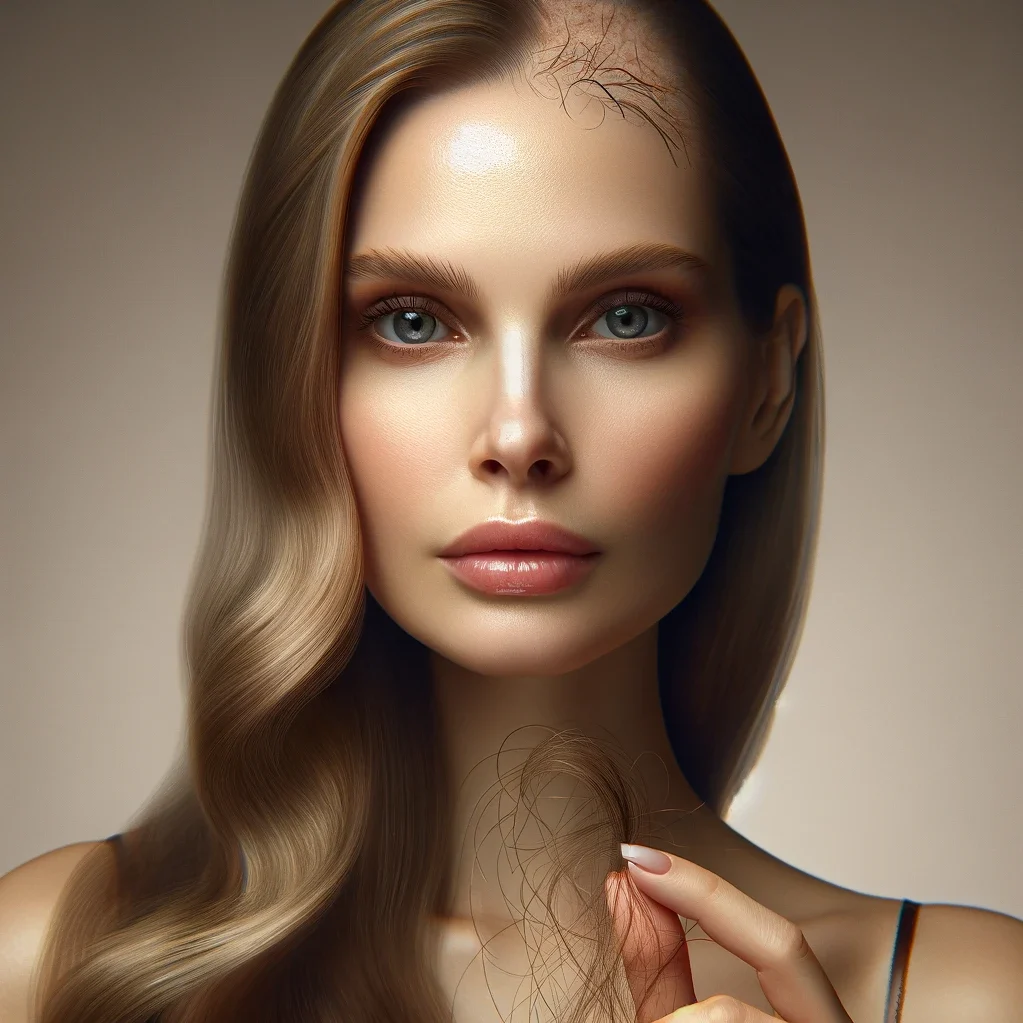
Hair loss, medically known as alopecia, is a common condition that affects millions of people worldwide. While it’s often associated with aging, hair loss can occur at any age and for various reasons. For many, hair is an integral part of their identity and self-image, making hair loss a potentially distressing experience that can significantly impact self-esteem and quality of life.
This comprehensive guide aims to demystify hair loss by exploring its causes, types, and available treatments. Whether you’re experiencing hair loss yourself or seeking to understand it better, this article will provide valuable insights into the complexities of hair growth and loss, as well as the latest approaches to managing and treating this condition.
II. The Hair Growth Cycle
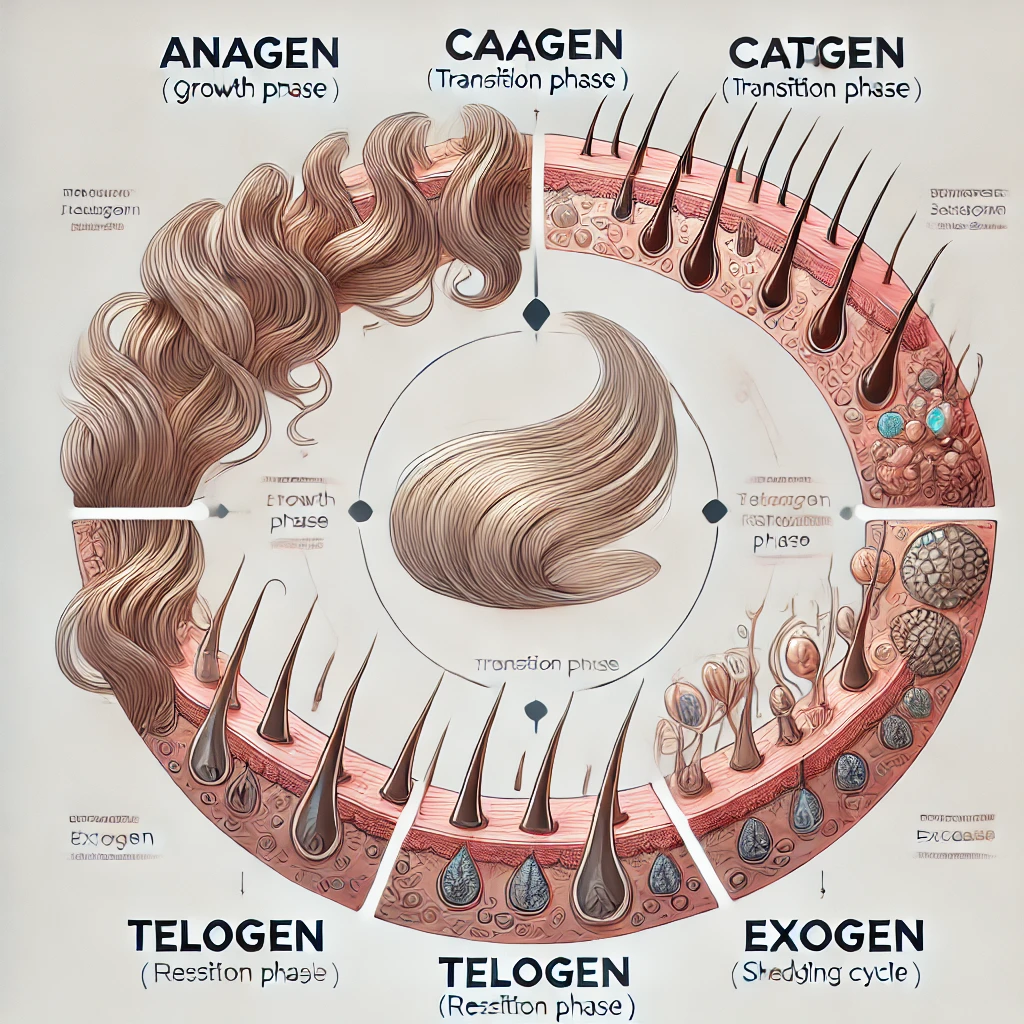
To understand hair loss, it’s essential to first grasp the normal hair growth cycle. Each hair on your head goes through this cycle independently, which is why we constantly shed and grow new hairs without becoming bald.
A. Anagen phase This is the active growth phase, lasting between 2-7 years. During this time, hair grows about 1 cm every 28 days. At any given time, about 90% of the hairs on your head are in this phase.
B. Catagen phase This short transitional phase lasts about 2-3 weeks. The hair follicle shrinks and detaches from the dermal papilla.
C. Telogen phase This is the resting phase, lasting about 3 months. Old hair is released and falls out, and new hair begins to grow in the follicle.
Hair loss occurs when this cycle is disrupted or when hair follicles are damaged. Various factors can interfere with the cycle, leading to increased shedding, slower growth, or complete cessation of hair production.
III. Common Types of Hair Loss
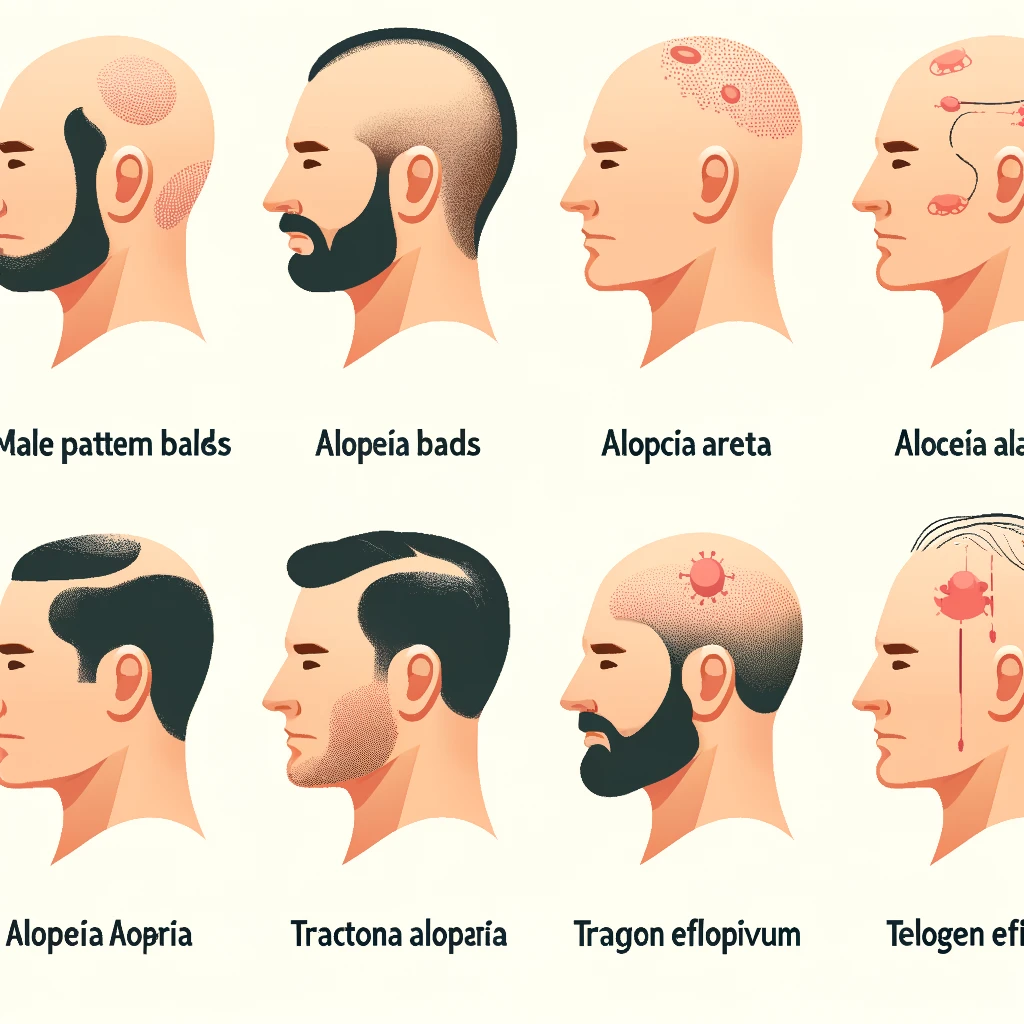
A. Androgenic Alopecia
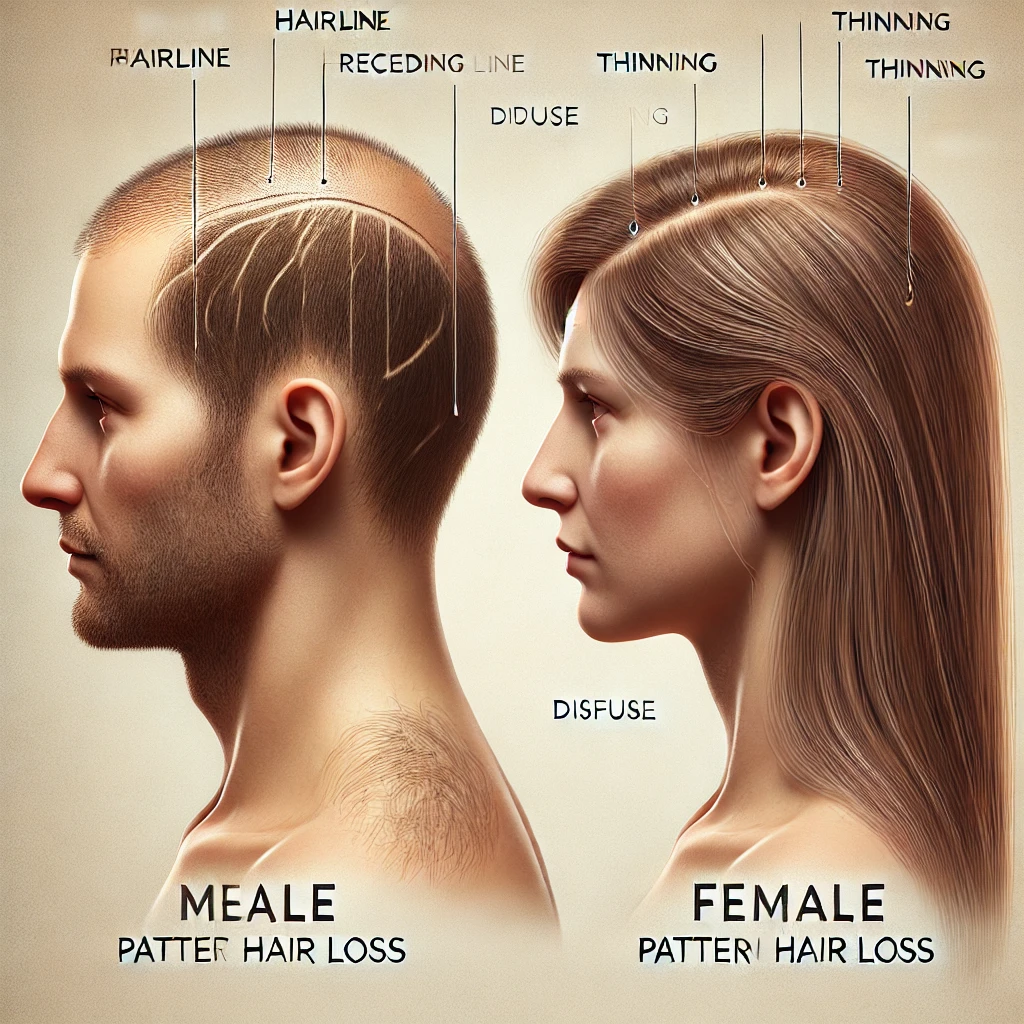
- Male pattern baldness This is the most common type of hair loss in men. It typically begins with a receding hairline and thinning at the crown, eventually leading to partial or complete baldness. It’s caused by a genetic sensitivity to dihydrotestosterone (DHT), a byproduct of testosterone.
- Female pattern hair loss Women experience a different pattern of androgenic alopecia. Instead of a receding hairline, women typically notice overall thinning, particularly at the crown. The frontal hairline usually remains intact, but the part may widen over time.
B. Alopecia Areata
This is an autoimmune condition where the body’s immune system attacks hair follicles, leading to hair loss. It often presents as round, smooth bald patches on the scalp or other parts of the body. In some cases, it can progress to total scalp hair loss (alopecia totalis) or complete body hair loss (alopecia universalis).
C. Telogen Effluvium
This is a temporary form of hair loss often triggered by a shock to the system. Common causes include severe stress, major surgery, significant weight loss, or childbirth. In telogen effluvium, a large number of hair follicles enter the telogen (resting) phase simultaneously, leading to increased shedding and noticeable thinning.
D. Traction Alopecia
This type of hair loss is caused by prolonged tension on the hair follicles. It’s often seen in people who frequently wear tight hairstyles like braids, ponytails, or extensions. Over time, the constant pulling can damage hair follicles, leading to permanent hair loss if not addressed.
E. Scarring Alopecia
Also known as cicatricial alopecia, this group of disorders destroys hair follicles, replacing them with scar tissue. This leads to permanent hair loss. It can be caused by various conditions, including certain autoimmune disorders, infections, or severe burns.
IV. Causes of Hair Loss
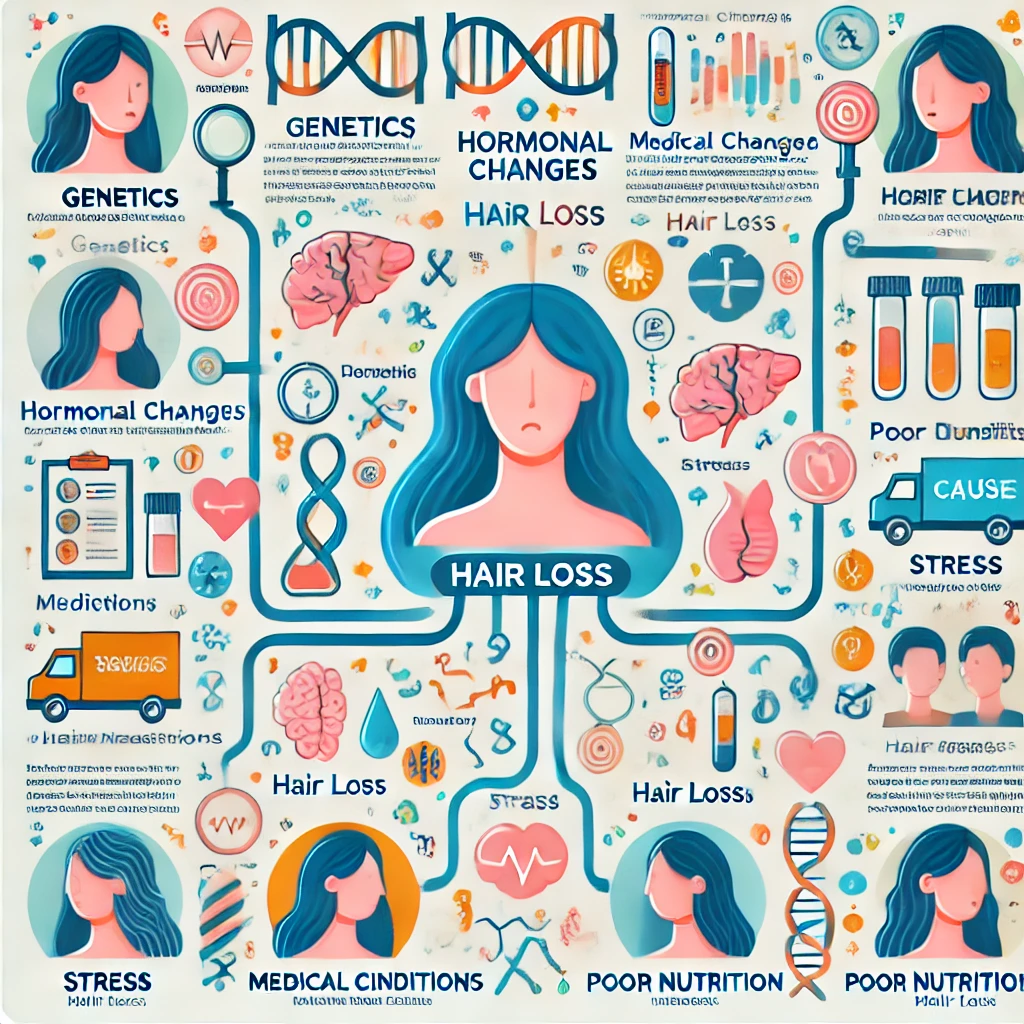
A. Genetic Factors
Heredity plays a significant role in many cases of hair loss, particularly in androgenic alopecia. If you have a family history of baldness on either your mother’s or father’s side, you may have a higher risk of experiencing hair loss yourself.
B. Hormonal Imbalances
- Thyroid disorders: Both hyperthyroidism and hypothyroidism can cause hair loss.
- Polycystic ovary syndrome (PCOS): This condition can lead to elevated levels of androgens in women, potentially causing hair loss.
- Pregnancy and postpartum changes: Many women experience increased hair shedding several months after giving birth due to hormonal fluctuations.
C. Medical Conditions
- Autoimmune diseases: Conditions like lupus and alopecia areata can cause hair loss.
- Scalp infections: Fungal infections such as ringworm can invade the hair and scalp, leading to patchy hair loss.
- Skin disorders: Conditions like psoriasis and seborrheic dermatitis can affect the scalp and interfere with hair growth.
D. Nutritional Deficiencies
- Iron deficiency: This is one of the most common nutritional causes of hair loss, particularly in women.
- Vitamin B deficiency: Biotin (Vitamin B7) deficiency, in particular, has been linked to hair loss.
- Protein deficiency: Hair is primarily made of protein, so insufficient protein intake can affect hair growth.
- Zinc deficiency: Zinc plays a crucial role in hair tissue growth and repair.
E. Medications and Treatments
- Chemotherapy: This cancer treatment is well-known for causing rapid hair loss.
- Certain blood pressure medications: Beta-blockers and ACE inhibitors can cause hair loss in some people.
- Antidepressants: Some antidepressants list hair loss as a potential side effect.
F. Lifestyle Factors
- Stress: Severe stress can shock the hair cycle, pushing more hairs into the telogen phase.
- Poor hair care practices: Overuse of harsh chemicals or excessive heat styling can damage hair and lead to breakage.
- Extreme dieting: Rapid weight loss or nutritionally inadequate diets can lead to hair loss.
V. Diagnosis of Hair Loss
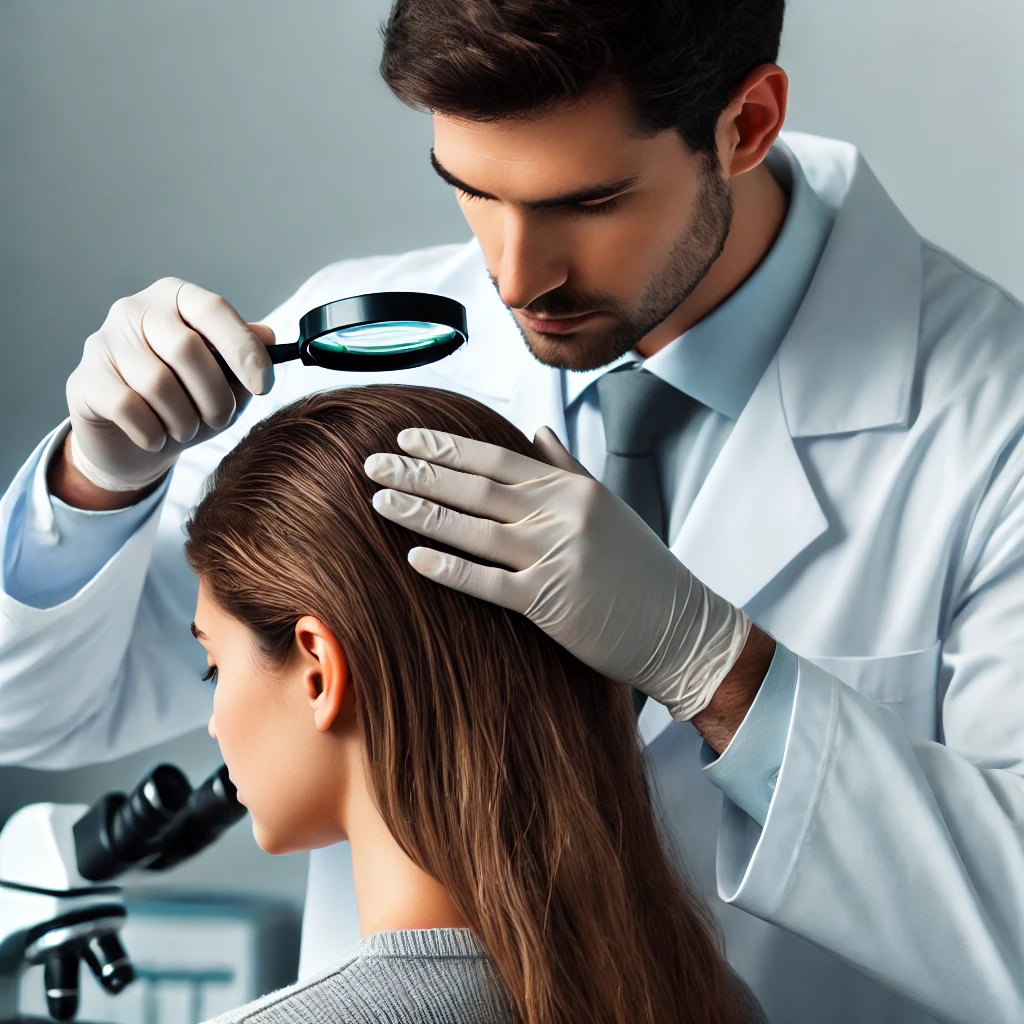
If you’re experiencing unusual hair loss, it’s important to consult a healthcare professional. A dermatologist or trichologist (hair and scalp specialist) can provide a proper diagnosis and treatment plan.
The diagnostic process may include:
- A thorough medical history, including family history of hair loss, recent illnesses, and medications.
- A physical examination of the scalp, looking at the pattern of hair loss and the condition of the skin.
- Pull test: Gently pulling on a small section of hair to see how many strands come out.
- Scalp biopsy: In some cases, a small sample of scalp tissue may be taken for analysis.
- Blood tests: To check for nutritional deficiencies, hormonal imbalances, or signs of autoimmune conditions.
Early diagnosis is crucial for effective treatment, as some types of hair loss can be more easily addressed if caught early.
VI. Treatment Options for Hair Loss
[Image 6: Collage of various hair loss treatments]
A. Medications
- Minoxidil: An over-the-counter medication applied topically to the scalp. It can slow hair loss and promote regrowth in some people.
- Finasteride: A prescription pill for men that blocks the conversion of testosterone to DHT.
- Anti-androgens: Medications like spironolactone can be used in women to treat hormonal hair loss.
B. Hair Transplantation
- Follicular Unit Transplantation (FUT): A strip of scalp is removed from a non-balding area and individual follicular units are transplanted to balding areas.
- Follicular Unit Extraction (FUE): Individual follicular units are extracted directly from the scalp and transplanted to balding areas.
C. Scalp Micropigmentation
This is a cosmetic procedure where pigment is tattooed into the scalp to create the appearance of a fuller head of hair or a closely-shaved scalp.
D. Low-Level Laser Therapy
This involves the use of red light therapy to stimulate hair growth. While more research is needed, some studies have shown promising results.
E. Platelet-Rich Plasma (PRP) Therapy
This treatment involves injecting a concentration of the patient’s own platelets into the scalp to stimulate hair growth.
F. Nutritional Supplements
Supplements like biotin, iron, and zinc may be recommended if deficiencies are detected. However, it’s important to consult a healthcare provider before starting any supplement regimen.
VII. Prevention and Self-Care Strategies
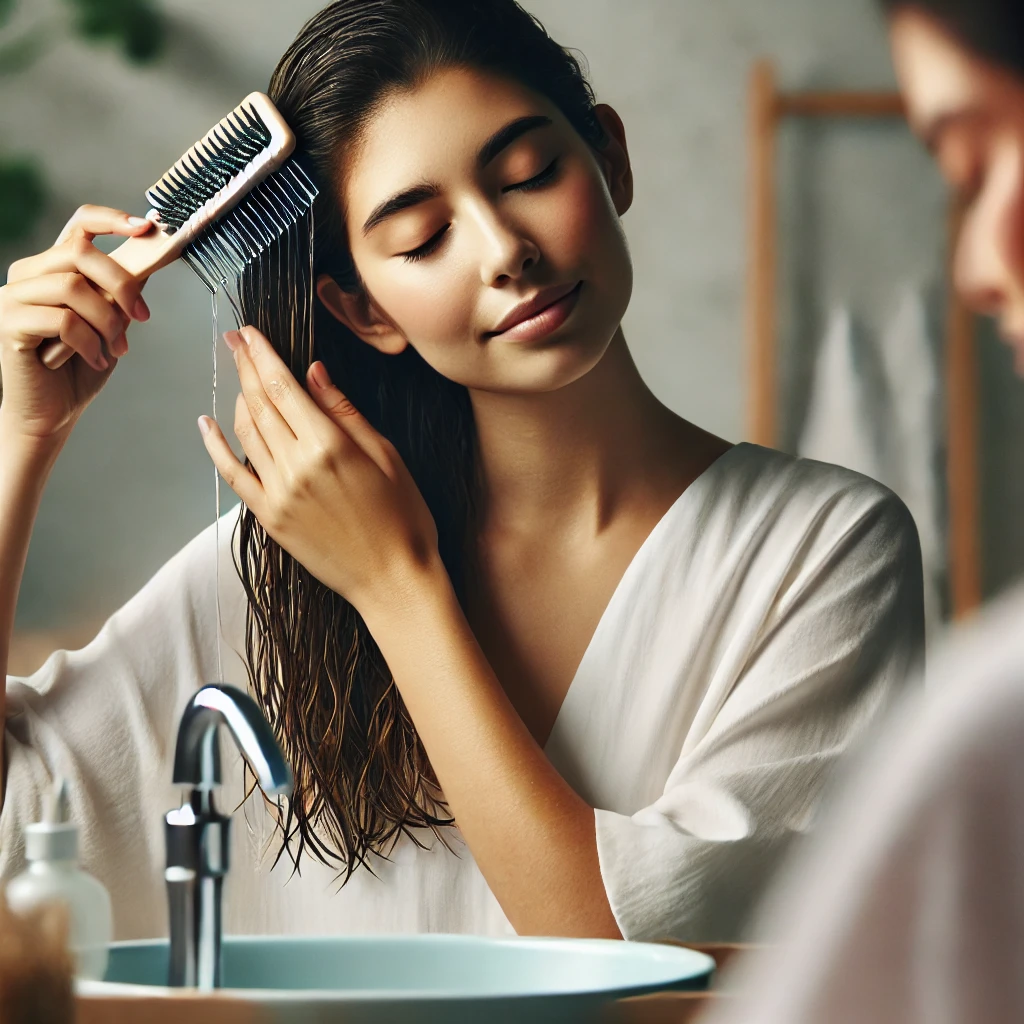
While not all hair loss is preventable, certain strategies can help maintain healthy hair:
- Gentle hair care: Avoid tight hairstyles, excessive heat styling, and harsh chemical treatments.
- Balanced diet: Ensure you’re getting adequate protein, iron, and other essential nutrients.
- Stress management: Practice stress-reduction techniques like meditation or yoga.
- Regular scalp care: Keep your scalp clean and healthy to promote optimal hair growth.
VIII. Coping with Hair Loss

Hair loss can have a significant emotional impact. It’s important to remember that you’re not alone, and there are resources available:
- Support groups: Connecting with others experiencing hair loss can be extremely helpful.
- Counseling: A mental health professional can help you cope with the emotional aspects of hair loss.
- Cosmetic solutions: Wigs, hairpieces, and scalp concealers can help you feel more confident while dealing with hair loss.
IX. Future of Hair Loss Treatments
The field of hair loss treatment is continually evolving. Promising areas of research include:
- Stem cell therapy: Using stem cells to regenerate hair follicles.
- JAK inhibitors: A class of drugs showing potential in treating alopecia areata.
- Gene therapy: Targeting the genetic causes of hair loss.
X. Conclusion
Hair loss is a complex condition with many potential causes. Understanding the type and cause of your hair loss is crucial for finding the most effective treatment. While hair loss can be distressing, it’s important to remember that various treatment options are available, and ongoing research continues to uncover new possibilities.
If you’re concerned about hair loss, don’t hesitate to seek professional help. A dermatologist or trichologist can provide a proper diagnosis and guide you towards the most appropriate treatment options for your specific situation.
Remember, while hair is often tied to our self-image, it doesn’t define us. Whether you choose to treat your hair loss or embrace it, what matters most is your overall health and well-being. With the right support and resources, you can navigate the challenges of hair loss and maintain your confidence and self-esteem.