Introduction
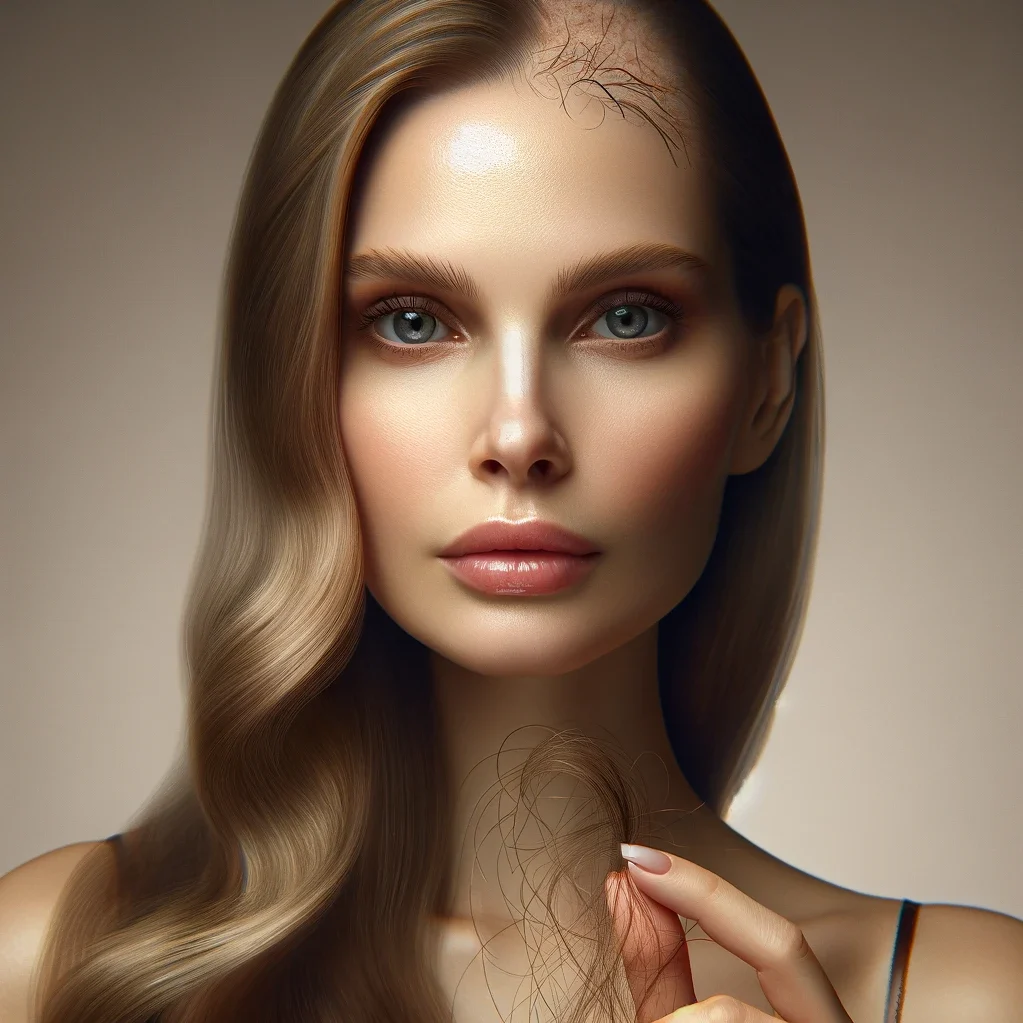
Scalp hair density is a crucial factor in determining the overall appearance and health of your hair. It refers to the number of hair strands per square inch on your scalp. Whether you’re concerned about thinning hair or simply want to maintain a lush, full head of hair, understanding scalp hair density is key. In this comprehensive guide, we’ll explore the factors affecting hair density, how to measure it, and most importantly, how to improve and maintain it through various evidence-based approaches.
Understanding Normal Hair Density
The average person has approximately 2,200 hair follicles per square inch on their scalp, though this number can vary significantly based on genetic factors and hair characteristics. Hair density typically ranges from 800 to 3,500 follicles per square inch, with blonde hair usually having the highest density and red hair the lowest.
Factors Affecting Scalp Hair Density
Several factors can influence your scalp hair density:
1. Genetic Factors
- Inherited hair characteristics
- Family history of pattern baldness
- Natural hair thickness and texture
- Follicle distribution patterns
2. Age-Related Changes
- Natural hair thinning with age
- Changes in hair growth cycles
- Reduced follicle function
- Slower regeneration rates
3. Hormonal Influences
- Pregnancy-related changes
- Menopause transitions
- Thyroid dysfunction
- Androgens and DHT levels
- Birth control effects
4. Nutritional Considerations
- Protein intake adequacy
- Essential vitamin levels
- Mineral balance
- Hydration status
- Dietary restrictions impact
5. Environmental Factors
- UV radiation exposure
- Pollution effects
- Climate conditions
- Water quality
- Chemical exposure
6. Lifestyle Impact
- Stress levels
- Sleep quality
- Exercise habits
- Smoking status
- Alcohol consumption
Hair Density Classification Table
| Density Category | Hairs per Square Inch | Visual Description | Common Characteristics |
|---|---|---|---|
| Very High | >3,000 | Extremely thick appearance | Often difficult to style, takes long to dry |
| High | 2,500-3,000 | Full, thick appearance | Versatile styling options, good volume |
| Medium | 1,800-2,500 | Average fullness | Most common density, balanced manageability |
| Low | 1,300-1,800 | Slightly thin appearance | May see scalp through hair |
| Very Low | <1,300 | Visibly thin | Scalp easily visible, limited styling options |
How to Measure and Assess Scalp Hair Density
Professional Assessment Methods
- Trichoscopy
- Digital microscope analysis
- Follicular unit counting
- Scalp condition evaluation
- Growth pattern assessment
- Phototrichogram
- Standardized photography
- Growth cycle tracking
- Density mapping
- Progressive monitoring
- Hair Count Tests
- Standardized area measurement
- Growth rate calculation
- Density distribution analysis
- Follow-up comparisons
At-Home Assessment Techniques
- Hair Part Test
- Natural light observation
- Part width measurement
- Temporal comparison
- Photo documentation
- Ponytail Circumference Method
- Regular measurements
- Thickness tracking
- Volume assessment
- Progress monitoring
Treatment Efficacy and Timeline Table
| Treatment Method | Expected Timeline | Success Rate | Maintenance Required | Cost Range |
|---|---|---|---|---|
| Minoxidil | 4-6 months | 60-80% | Daily application | $20-50/month |
| PRP Therapy | 3-6 months | 70-90% | Every 6-12 months | $500-2500/session |
| Hair Transplant | 8-12 months | 85-95% | One-time procedure | $4000-15000 |
| Natural Methods | 3-12 months | 40-60% | Daily routine | $50-200/month |
| Laser Therapy | 2-6 months | 55-75% | Weekly sessions | $200-1000 initial |
Common Causes of Low Scalp Hair Density
Medical Conditions
- Androgenetic Alopecia
- Genetic predisposition
- Hormonal sensitivity
- Progressive thinning
- Pattern-specific loss
- Telogen Effluvium
- Stress-induced shedding
- Temporary nature
- Recovery potential
- Trigger identification
- Alopecia Areata
- Autoimmune response
- Patchy hair loss
- Unpredictable progression
- Treatment options
- Scalp Conditions
- Inflammatory responses
- Infection impacts
- Scarring potential
- Treatment approaches
Natural Methods to Improve Scalp Hair Density
1. Scalp Care Techniques
- Regular massage routines
- Exfoliation methods
- Blood flow stimulation
- Natural oil treatments
2. Essential Oil Applications
- Rosemary oil benefits
- Peppermint stimulation
- Lavender properties
- Application methods
- Proper dilution ratios
3. Dietary Interventions
- Protein requirements
- Essential vitamins
- Mineral balance
- Hydration importance
- Supplement selection
Advanced Medical Treatments
1. Medication Options
- Minoxidil mechanisms
- Finasteride effects
- Combination therapy
- Side effect awareness
- Treatment monitoring
2. PRP Therapy
- Procedure details
- Recovery process
- Expected results
- Treatment frequency
- Cost considerations
3. Surgical Solutions
- FUE technique
- FUT procedure
- Recovery timeline
- Result expectations
- Cost analysis
Lifestyle Optimization for Hair Health
1. Stress Management
- Meditation practices
- Exercise benefits
- Relaxation techniques
- Sleep importance
- Work-life balance
2. Exercise Benefits
- Circulation improvement
- Hormone balance
- Stress reduction
- Overall health impact
- Recommended activities
3. Sleep Quality
- Sleep cycle importance
- Environment optimization
- Duration requirements
- Quality indicators
- Improvement strategies
Professional Hair Care Practices
1. Washing Techniques
- Frequency guidelines
- Water temperature
- Product selection
- Scalp stimulation
- Drying methods
2. Protective Styling
- Gentle techniques
- Heat protection
- Style rotation
- Overnight care
- Accessory selection
3. Product Selection
- Ingredient awareness
- Natural options
- Chemical concerns
- Brand evaluation
- Cost effectiveness
Prevention and Maintenance
1. Regular Monitoring
- Progress tracking
- Professional check-ups
- Photo documentation
- Measurement records
- Symptom awareness
2. Early Intervention
- Warning signs
- Professional consultation
- Treatment timing
- Prevention strategies
- Maintenance plans
3. Long-term Care
- Routine development
- Product rotation
- Seasonal adjustments
- Lifestyle integration
- Success monitoring
Future Developments in Hair Density Treatment
1. Emerging Technologies
- Stem cell therapy
- Gene therapy
- Growth factors
- Novel medications
- Treatment combinations
2. Research Directions
- Genetic studies
- Treatment innovations
- Prevention strategies
- Natural alternatives
- Clinical trials
Conclusion
Improving and maintaining scalp hair density requires a comprehensive approach that addresses multiple factors. Success lies in understanding your specific situation and choosing appropriate interventions. Whether opting for natural methods, medical treatments, or a combination approach, consistency and patience are key to achieving results.
Remember that individual responses to treatments can vary significantly. Regular monitoring and adjusting your approach based on results will help optimize your outcomes. When in doubt, consult with a qualified healthcare provider or trichologist who can provide personalized guidance based on your specific needs and circumstances.
By following the guidelines and implementing the strategies outlined in this guide, you can work towards achieving and maintaining optimal scalp hair density. Stay committed to your chosen treatment plan, maintain realistic expectations, and celebrate the progress you make along your journey to healthier, fuller hair.