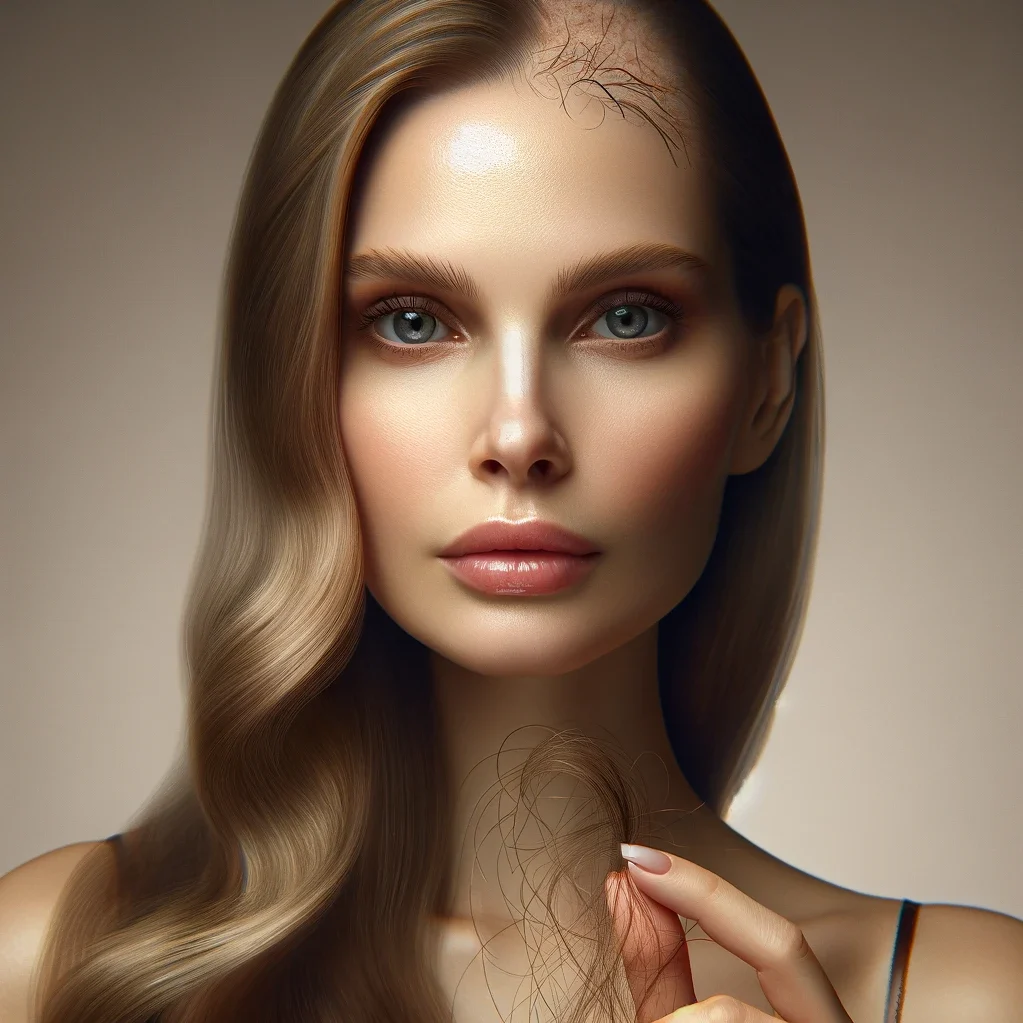

Hair loss, particularly androgenetic alopecia (AGA), can have significant psychological effects on individuals. AGA, which affects both men and women, is often associated with negative emotions such as self-consciousness, embarrassment, frustration, and jealousy. Hair thinning and perceived hair loss impact one’s body image and can lead to psychological disturbance and distress. Women, in particular, may face increased societal pressure and experience a greater negative impact on their self-esteem. These psychological effects can result in anxiety, depression, decreased confidence, social withdrawal, and even suicidal tendencies.
It is important for clinicians to be aware of these psychological implications and provide appropriate support and management strategies for individuals experiencing hair loss.
Key Takeaways:
- Hair loss, especially AGA, can lead to self-consciousness, embarrassment, frustration, and jealousy.
- Both men and women may experience anxiety, depression, decreased confidence, and social withdrawal due to hair loss.
- Women may face increased societal pressure and negative impact on self-esteem from hair loss.
- Clinicians should be aware of the psychological implications of hair loss and provide support and management strategies.
- Appropriate support and treatment can help individuals cope with the psychological effects of balding and improve their overall well-being.
In the following sections, we will explore the sociological meaning of hair loss, its emotional impact, associated psychological disorders, and strategies for coping with hair loss, as well as the importance of a holistic approach to treatment that includes psychological support. By addressing the psychological effects of balding, individuals can better understand and manage the emotional challenges that come with hair loss.
The Sociological Meaning of Hair Loss
Hair loss, especially on the scalp, carries sociological meaning and plays a significant role in how individuals perceive themselves and how others perceive them. Hair is often associated with youthfulness, gender, vigor, and status. It can be a key component of one’s self-identity and body image. The loss of hair, especially at an early age, can lead to feelings of decreased attractiveness, reduced virility, and less likability. This is particularly true for women, who often view their hair as a symbol of femininity and attractiveness. Hair loss can be perceived as early aging, which further impacts self-esteem and sexual attraction. Society’s emphasis on cosmetic acceptance also adds to the negative impact of hair loss, as individuals may feel pressured to conform to certain beauty standards.
Additionally, hair holds cultural significance in various societies, reflecting cultural norms, values, and ideals. Different cultures may place different importance on hair, with some associating it with wisdom, spirituality, or social standing. In certain contexts, hair may serve as a visual cue that helps identify individuals belonging to specific groups, such as religious or ethnic communities.
Moreover, the impact of hair loss often extends beyond individual self-perception and can affect interpersonal relationships and societal expectations. For instance, research suggests that hair loss can influence perceptions of gender and attractiveness. Men who experience hair loss may struggle with masculinity and societal expectations associated with a full head of hair. On the other hand, women facing hair loss may grapple with the pressure to conform to beauty standards highly influenced by long, luxurious hair.
In a society preoccupied with physically appealing attributes, individuals with hair loss may face stigma and discrimination, leading to significant psychological distress. Studies indicate that the societal pressure to conform to traditional beauty standards can negatively impact the self-esteem and overall well-being of individuals experiencing hair loss. This pressure may contribute to feelings of social exclusion and a diminished sense of self-worth.
“Hair is often viewed as a visual representation of an individual’s identity, and its loss can challenge societal expectations and one’s own self-image.”
Understanding the sociological meaning of hair loss is essential for developing comprehensive strategies to support individuals experiencing this condition. By recognizing the cultural significance, social pressure, and impact on self-identity and body image, we can work towards creating a more accepting and inclusive society. Furthermore, addressing the sociological implications of hair loss can aid in developing effective interventions and support systems to help individuals cope with the psychological and emotional challenges associated with hair loss.
| Gender | Perceived Impact of Hair Loss |
|---|---|
| Men | Challenges to masculinity and societal expectations |
| Women | Pressure to conform to beauty standards and societal expectations related to hair |
Emotional Impact of Hair Loss
Hair loss can have a profound emotional impact on individuals. It goes beyond mere physical changes and delves into the realm of self-consciousness, frustration, embarrassment, and even jealousy. The experience of balding or hair thinning can make individuals hyper-aware of their appearance, leading to a range of emotions that can significantly affect their daily lives and overall well-being.
For many people, hair loss can erode their self-confidence and make them feel self-conscious about their appearance. They may find themselves constantly preoccupied with thoughts about their hair and how others perceive them. The frustration and disappointment associated with losing hair can give rise to a sense of defeat and impact one’s self-esteem.
Embarrassment often arises as individuals may feel self-conscious about their changing appearance and worry about being judged by others. This can lead to social withdrawal, avoiding situations or functions where they may feel exposed or scrutinized. Family gatherings, outings with friends, or even professional engagements can become sources of anxiety and discomfort.
The emotional impact of hair loss can extend beyond personal relationships. In instances where hair thinning is more prevalent in one’s social or professional circles, jealousy can arise. Seeing others with a full head of hair can evoke feelings of envy and further reinforce the individual’s negative self-image.
Moreover, hair loss may impose limitations on individuals’ daily routines. The need to hide or compensate for hair loss can result in a significant amount of time and effort spent on grooming. From exploring various hairstyle options to using hairpieces or undergoing extensive hair care regimens, individuals may find themselves constantly occupied with managing their hair loss, impacting their daily activities and productivity.
“Hair loss can impact individuals in profound ways, causing emotional distress and challenging their sense of self. It is important to acknowledge and address the psychological implications of hair loss to help individuals cope and regain confidence in their appearance.”
Both men and women can experience these emotional responses to hair loss, albeit in different ways, due to societal expectations and beauty standards. Studies have found that women, particularly those with alopecia, may face additional challenges in their personal and professional lives, such as strained relationships and career-related setbacks.
The psychological impact of hair loss varies among individuals, with some experiencing a normal emotional response to the change in appearance, and others developing psychological disorders on the borderline of somatization or underlying psychiatric conditions. It is crucial to provide support and resources to help individuals navigate the emotional impact of hair loss, ensuring they receive the proper care and attention they need.
Next, we will explore the various psychological disorders associated with hair loss, shedding light on the specific challenges individuals may face and the importance of effective intervention and treatment.
Psychological Disorders Associated with Hair Loss
Hair loss can have a profound impact on individuals, not only physically but also psychologically. In some cases, hair loss can be associated with various psychological disorders. Understanding the relationship between hair loss and these disorders is crucial in providing comprehensive support and treatment for individuals experiencing hair loss.
Body Dysmorphic Disorder (BDD)
One psychological disorder that can manifest in relation to hair loss is body dysmorphic disorder (BDD). BDD is a mental health condition characterized by an obsessive preoccupation with perceived defects in one’s appearance. Individuals with BDD may excessively focus on their hair loss, leading to distress and impaired daily functioning.
Hypochondriacal Disorder
Hypochondriacal disorder, also known as illness anxiety disorder, can also be related to hair loss. Individuals with this disorder become preoccupied with the fear of serious illness, even when no abnormality is present. Hair loss can trigger excessive medical investigations and distress in individuals with hypochondriacal disorder, exacerbating their anxiety and emotional distress.
Adjustment Disorder
Adjustment disorder is a common psychological response to hair loss. When individuals experience a significant psychosocial stressor, such as hair loss, they may develop an adjustment disorder. Hair loss can cause emotional and behavioral changes, leading to difficulty coping with daily life and impaired functioning.
When healthcare professionals encounter individuals with hair loss, it is essential to recognize the potential presence of these psychological disorders. Proper assessment, diagnosis, and appropriate referral for psychological interventions can provide individuals with the necessary support and treatment to manage the psychological impact of hair loss.
| Psychological Disorder | Description |
|---|---|
| Body Dysmorphic Disorder (BDD) | A mental health condition characterized by an obsession with perceived defects in appearance. |
| Hypochondriacal Disorder | A psychological disorder where individuals fear serious illness, even in the absence of abnormality. |
| Adjustment Disorder | A psychological response to a significant stressor, causing emotional and behavioral changes. |
Hair Loss and Mental Health
Hair loss can have a significant impact on an individual’s mental health. The emotional distress caused by hair loss can lead to anxiety, depression, and other psychiatric disorders. It’s important to recognize and address the mental health implications of hair loss to provide appropriate support and treatment options.
Individuals experiencing hair loss may develop feelings of decreased confidence and self-esteem. The change in appearance can contribute to social withdrawal and a negative impact on relationships. Work performance and sexual performance may also be affected, as hair loss can contribute to overall feelings of insecurity and decreased well-being.
This emotional toll can sometimes become overwhelming, leading individuals to experience suicidal tendencies. It is crucial for healthcare professionals to be vigilant, recognize the signs of distress, and provide the necessary support and intervention to prevent any harm.
Understanding the psychological impact of hair loss is key to developing effective strategies for managing and coping with the associated mental health challenges. By addressing both the physical and emotional aspects of hair loss, individuals can regain a sense of control and enhance their overall quality of life.
Taking a holistic approach that combines medical interventions with psychological support is essential in managing the impact of hair loss on mental health. Collaborative efforts between dermatologists and mental health professionals can ensure comprehensive care that addresses the emotional well-being of individuals.
| Mental Health Implications of Hair Loss | Impact |
|---|---|
| Anxiety | Increased risk of anxiety disorders |
| Depression | Higher prevalence of depression in individuals with hair loss |
| Suicidal Tendencies | Associated with increased risk of suicidal thoughts and behaviors |
| Work Performance | Decreased self-esteem and confidence can impact work performance |
| Sexual Performance | Negative impact on self-image and relationships |
To address these mental health implications, individuals experiencing hair loss can benefit from various psychological interventions. Cognitive-behavioral therapy (CBT) can help individuals develop healthier thoughts and behaviors related to their hair loss. Support groups and counseling can provide a safe space for individuals to share their experiences and find solace in connecting with others in similar situations.
By acknowledging the emotional impact of hair loss, healthcare professionals can play a crucial role in supporting individuals and ensuring they receive the comprehensive care they need. With the right psychological strategies and treatment options, individuals can navigate the challenges of hair loss and maintain their mental well-being.
Psychological Strategies for Coping with Hair Loss
Coping with hair loss can be a challenging journey, but there are psychological strategies and support available to help you navigate this experience. One effective approach is cognitive-behavioral therapy (CBT), which focuses on reshaping negative thoughts and behaviors related to hair loss.
CBT can help you identify and challenge negative beliefs about your appearance, develop self-acceptance, and cultivate self-compassion. Through guided therapy sessions, you can learn coping mechanisms to manage the emotional impact of hair loss and regain a sense of control over your self-image.
“CBT can empower individuals to change their perspective on hair loss and develop healthy coping strategies.”
In addition to therapy, joining psychological support groups and seeking counseling can provide valuable peer support and a safe space to share experiences. Interacting with others who are facing similar challenges can create a sense of validation and promote learning from each other’s coping strategies.
Remember, seeking professional help and developing a personalized coping plan is crucial in overcoming the psychological impact of hair loss. You don’t have to face this journey alone; there are resources and experts available to support you every step of the way.
Treatment Options and Psychological Support
When it comes to addressing hair loss, a comprehensive approach that considers both medical and psychological aspects is essential. That’s why a collaboration between dermatologists and mental health professionals is crucial in providing holistic care for individuals experiencing hair loss. By combining medical interventions with psychological support, we can offer a well-rounded treatment approach that addresses the emotional impact of hair loss.
Medical interventions for hair loss may include hair transplant procedures, medication, or topical treatments. These options aim to address the underlying causes of hair loss and promote hair regrowth. However, it’s important to recognize that hair loss can also have a significant psychological toll on individuals. That’s where psychological support and counseling play a vital role in integrative care.
Psychological support can assist individuals in coping with the emotional distress, self-esteem issues, and body image concerns that often accompany hair loss. By providing a safe space for individuals to express their feelings, receive validation, and learn coping strategies, we can help them navigate the psychological impact of hair loss.
“Combining medical interventions with psychological support, we can offer a well-rounded treatment approach that addresses the emotional impact of hair loss.”
A holistic approach to hair loss treatment ensures that individuals receive comprehensive care that addresses both the physical and psychological aspects of their condition. This collaboration between dermatologists and mental health professionals allows for a more personalized and tailored treatment plan that caters to the unique needs of each patient.
Collaboration Between Dermatologists and Mental Health Professionals
The collaboration between dermatologists and mental health professionals is built on the understanding that hair loss is not purely a physical concern but also has a profound impact on an individual’s mental well-being. By working together, these professionals can offer a multidisciplinary approach to hair loss treatment that considers the interconnected nature of physical and psychological health.
The relationship between dermatologists and mental health professionals extends beyond mere referral. It involves open communication, shared knowledge, and a joint commitment to delivering integrative care that addresses all aspects of hair loss. This collaboration allows for a more comprehensive understanding of an individual’s needs and ensures that treatment plans are tailored to address both the medical and psychological components of hair loss.
By utilizing this collaborative approach, we can enhance patient outcomes, improve emotional well-being, and provide individuals with the comprehensive care they deserve.
| Treatment Options | Psychological Support |
|---|---|
| – Hair transplant procedures | – Counseling |
| – Medication | – Support groups |
| – Topical treatments | – Cognitive-behavioral therapy |
| – Scalp micropigmentation | – Individual therapy |
The image above illustrates the collaborative effort between dermatologists and mental health professionals in providing holistic care for hair loss. Through their collective expertise and collaboration, individuals experiencing hair loss can receive comprehensive treatment that addresses both the physical and psychological aspects of their condition.
Conclusion
Hair loss, particularly androgenetic alopecia, can have a profound impact on an individual’s psychological well-being. It affects self-esteem, body image, and overall mental health. Understanding the psychological effects of balding is crucial for healthcare professionals to provide comprehensive care and support to those experiencing hair loss.
A holistic approach to hair loss management is essential. By combining medical interventions such as hair transplant, medication, or topical treatments with psychological support and counseling, individuals can address not only the physical aspects but also the emotional toll of hair loss. Such an integrative approach can lead to better patient outcomes and improved emotional well-being.
By addressing the psychological effects of balding, individuals can enhance their overall quality of life. It is important to acknowledge the impact of hair loss on self-esteem and body image, and provide appropriate support and treatment options to help individuals cope with the emotional challenges they may face. With a comprehensive and holistic care approach, individuals experiencing hair loss can regain their self-confidence and find emotional well-being.
FAQ
What are the psychological effects of balding?
Balding can have significant psychological effects on individuals, including self-consciousness, embarrassment, frustration, and jealousy. It can impact self-esteem, body image, and overall mental well-being.
How does hair loss affect self-esteem?
Hair loss can lead to decreased self-esteem and a negative impact on one’s body image. Individuals may feel less attractive, less likable, and may experience a decline in confidence.
Does hair loss have a greater impact on women?
Hair loss can have a greater impact on women, as they may face increased societal pressure and view their hair as a symbol of femininity and attractiveness. The loss of hair can be perceived as early aging, further impacting self-esteem and sexual attraction.
Can hair loss lead to anxiety and depression?
Yes, hair loss is associated with an increased risk of anxiety, depression, and other psychiatric disorders. The emotional distress caused by hair loss can result in social withdrawal, decreased confidence, and even suicidal tendencies.
What psychological disorders are associated with hair loss?
Hair loss can be associated with psychological disorders such as body dysmorphic disorder (BDD), hypochondriacal disorder, and adjustment disorder. These disorders can manifest as an obsession with appearance, excessive fear of illness, and emotional and behavioral changes in response to the stress of hair loss.
How can individuals cope with hair loss?
Coping with hair loss requires psychological strategies and support. Cognitive-behavioral therapy (CBT) can be effective in helping individuals develop healthier thoughts and behaviors related to their hair loss. Psychological support groups and counseling can also provide a safe space for individuals to share their experiences and learn from others facing similar challenges.
What treatment options are available for hair loss?
Hair loss treatment options include medical interventions such as hair transplant, medication, or topical treatments. It is important to address both the physical and psychological aspects of hair loss by collaborating with both dermatologists and mental health professionals to provide comprehensive care.
Why is it important to address the psychological effects of hair loss?
Addressing the psychological effects of hair loss is crucial for improving overall well-being and patient outcomes. By recognizing the mental health implications of hair loss and providing appropriate support and treatment options, individuals can better cope with their condition and enhance their overall quality of life.