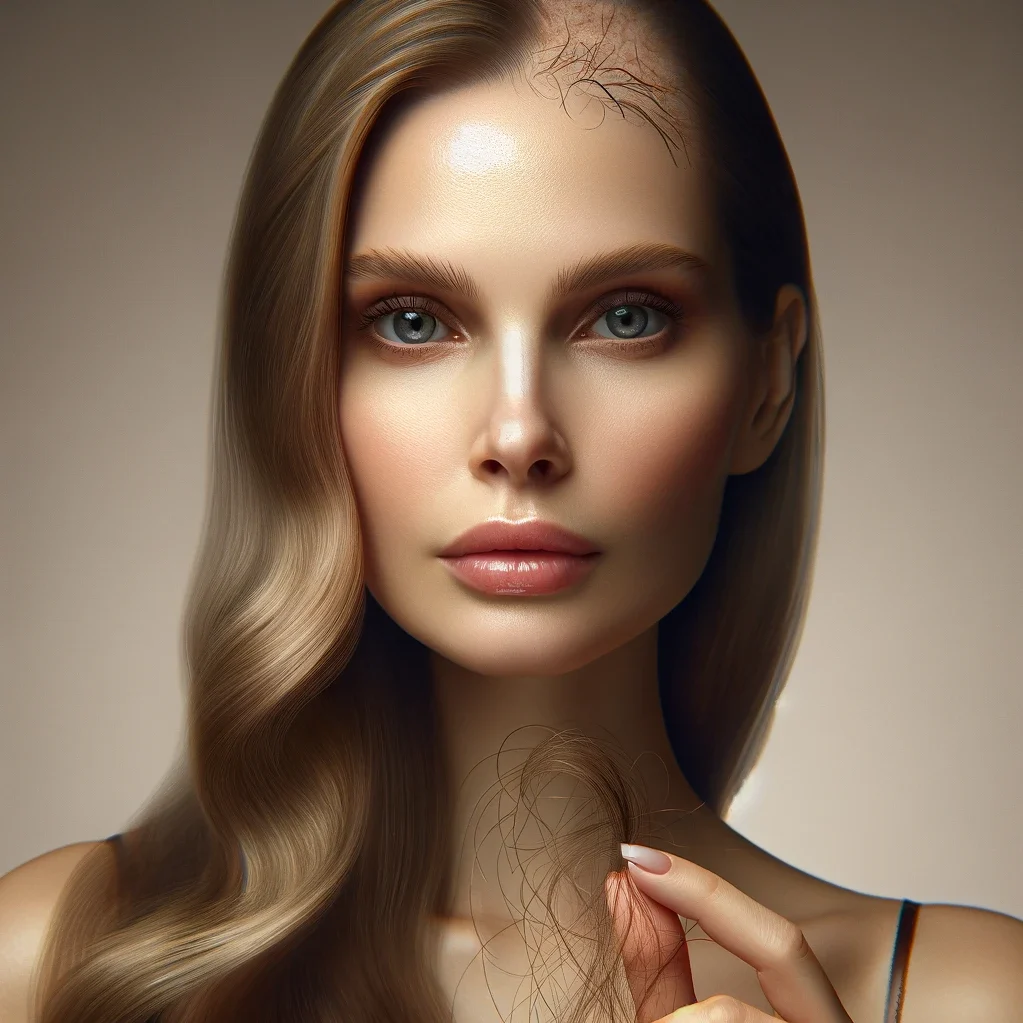

Hair loss is a common issue for women, with up to 40% experiencing noticeable hair loss by the age of 50. Understanding the causes of hair loss in women is crucial for finding the right solutions and managing this concern effectively. In this article, we will explore the various factors that contribute to women’s hair loss and the treatment options available to address this issue.
Key Takeaways:
- Causes of hair loss in women can range from genetic factors to hormonal imbalances and nutritional deficiencies.
- Female pattern baldness is a common type of hair loss influenced by genetics and hormonal changes.
- Stress, both physical and emotional, can trigger hair loss in women.
- Medical conditions such as thyroid disorders and autoimmune diseases can contribute to hair loss.
- Effective treatment options include topical minoxidil, low-light lasers, prescription medications, platelet-rich plasma, and microneedling.
The Hair Growth Cycle in Women
The hair growth cycle is a complex process that consists of three distinct phases: the anagen phase, the catagen phase, and the telogen phase. Understanding these phases is crucial in comprehending the factors that contribute to hair loss in women.
Anagen Phase – The Active Growth Phase
The anagen phase is the first and longest phase of the hair growth cycle. During this phase, approximately 90% of the hair on the head is in active growth mode. The duration of the anagen phase can vary between 2 and 8 years, depending on individual factors such as genetics and overall health.
Catagen Phase – The Transition Phase
Following the anagen phase, the hair follicles enter the catagen phase, which is a short transition period lasting about 2 to 3 weeks. During this phase, the hair follicles shrink and detach from the blood supply, causing hair growth to come to a halt. It is important to note that the catagen phase represents a natural part of the hair growth cycle, and hair loss during this phase is minimal.
Telogen Phase – The Resting Phase
The telogen phase is the final phase of the hair growth cycle. It is a resting phase that lasts approximately 2 to 4 months. During this phase, the hair strands remain in the follicles without any active growth. Eventually, new hair starts to grow, pushing out the old strands. It is during this phase that hair shedding is most noticeable.
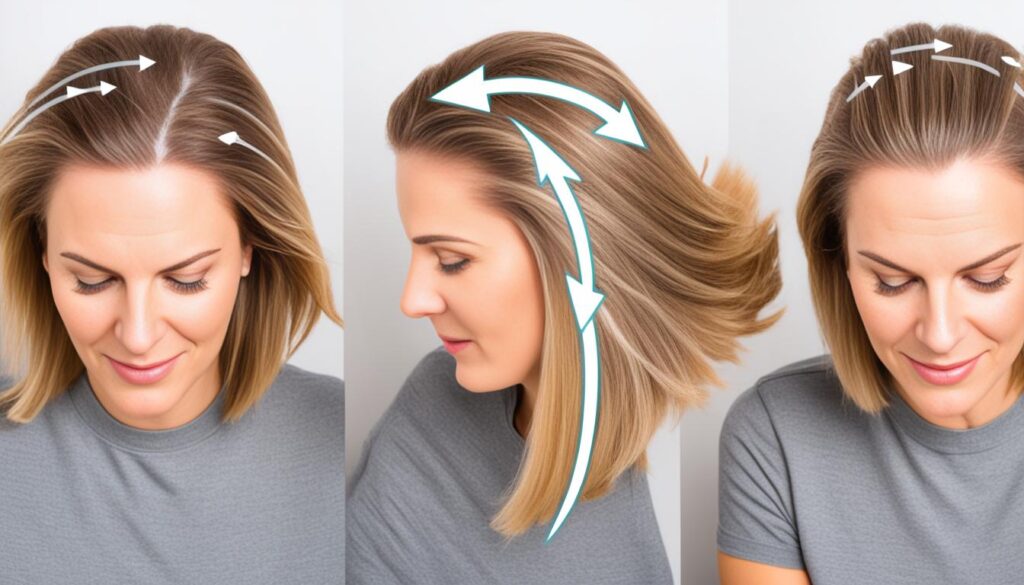
In general, individuals can lose between 50 and 100 strands of hair per day, which is considered normal. However, when there is a disruption in the hair growth cycle, such as an extended telogen phase or a shortened anagen phase, hair loss in women can occur. The imbalance in the growth cycle leads to excessive shedding or thinning of the hair, resulting in noticeable hair loss.
| Phase | Duration | Characteristics |
|---|---|---|
| Anagen Phase | 2 to 8 years | Active growth phase; 90% of hair in this phase |
| Catagen Phase | 2 to 3 weeks | Transition phase; hair follicles shrink |
| Telogen Phase | 2 to 4 months | Resting phase; hair strands fall out |
Common Causes of Hair Loss in Women
Sudden and dramatic hair loss in women can be attributed to various factors, including telogen effluvium, female pattern hair loss, hormonal imbalance, polycystic ovarian syndrome (PCOS), and other medical conditions.
Telogen Effluvium
One common cause of hair loss in women is telogen effluvium, a condition where hair follicles enter the resting phase prematurely. This can be triggered by high stress levels, trauma to the body, childbirth, severe infection or fever, crash diets, iron deficiency, vitamin D deficiency, psychological stress, depression, anxiety, or thyroid disease.
Female Pattern Hair Loss
Female pattern hair loss, also known as androgenetic alopecia, is the most prevalent type of hair loss in women. It is influenced by genetics and hormonal changes, particularly during menopause. As women age, hormonal imbalances can lead to the shrinking of hair follicles, resulting in hair thinning and loss.
Polycystic Ovarian Syndrome (PCOS)
Women with polycystic ovarian syndrome (PCOS) often experience hair loss due to hormonal imbalances. PCOS is a common hormonal disorder characterized by the presence of cysts on the ovaries, irregular menstrual cycles, and an excess of male hormones (androgens). This hormonal imbalance can contribute to hair loss in women.
Other Medical Conditions
There are several other medical conditions that can contribute to hair loss in women. Thyroid disorders, such as hypothyroidism or hyperthyroidism, can disrupt the hair growth cycle and lead to hair loss. Anemia, autoimmune diseases, and certain medications can also play a role in hair loss. It is important for women experiencing hair loss to consult with their healthcare provider to determine the underlying cause and appropriate treatment.
Understanding the potential causes of hair loss in women is crucial for effective management and treatment. By identifying the underlying factors contributing to hair loss, women can explore suitable treatment options to promote hair regrowth and improve overall hair health.

| Cause | Description |
|---|---|
| Telogen Effluvium | Premature entry of hair follicles into the resting phase due to various factors such as stress, trauma, childbirth, infection, dietary deficiency, and hormonal imbalances. |
| Female Pattern Hair Loss | The most common type of hair loss in women, influenced by genetics and hormonal changes, particularly during menopause. |
| Polycystic Ovarian Syndrome (PCOS) | Hormonal imbalances associated with PCOS can contribute to hair loss in women. |
| Other Medical Conditions | Thyroid disorders, anemia, autoimmune diseases, and certain medications can also be underlying causes of hair loss in women. |
Hair Loss Treatments for Women
When it comes to addressing hair loss in women, there are several effective treatment options available. Whether it’s mild hair thinning or more significant hair loss, these treatments can help promote hair regrowth and improve the overall appearance of the hair.
Topical Minoxidil
One popular treatment for hair loss in women is topical minoxidil. It is available over the counter in strengths of 2% and 5%, and is applied directly to the scalp on a daily basis. Minoxidil works by revitalizing hair follicles and stimulating hair growth, making it an effective option for both men and women.
Low-Light Lasers
Low-light lasers, such as laser combs and caps, have also proven to be effective in treating hair loss in women. These devices emit red light at a low intensity, which stimulates the hair follicles and increases blood flow to the scalp. FDA-approved, low-light laser devices can be used in the comfort of your own home, making them a convenient option for women seeking to address hair loss.
Prescription Oral Medications
In some cases, prescription oral medications may be recommended to treat hair loss in women. Medications such as finasteride (commonly used to treat male pattern baldness) and spironolactone (often used to treat conditions related to hormonal imbalance) can be prescribed off-label to help women combat hair loss, particularly in cases of female pattern hair loss.
Platelet-Rich Plasma (PRP) Therapy
Platelet-rich plasma therapy is another innovative treatment option for hair loss in women. This procedure involves extracting a sample of the patient’s blood, spinning it in a centrifuge to separate the platelet-rich plasma, and then injecting the concentrated plasma directly into the scalp. The growth factors present in the plasma promote hair regrowth and improve the overall health of the hair follicles.
Microneedling
Microneedling is a treatment that involves using fine needles to create tiny punctures in the scalp. These punctures stimulate the production of collagen and promote blood circulation to the hair follicles. When combined with the application of topical hair loss treatments, such as minoxidil, microneedling can enhance the absorption and effectiveness of these treatments, leading to improved hair regrowth.
It is important for women experiencing hair loss to consult with a healthcare professional to determine the most suitable treatment option based on their specific needs and underlying cause of hair loss. By exploring these treatment options, women can regain confidence and take proactive steps towards addressing their hair loss concerns.
Conclusion
Managing hair loss in women requires a comprehensive understanding of the underlying causes and available treatment options. Hair loss can be attributed to genetic factors, hormonal imbalances, stress, medical conditions, and nutritional deficiencies. By consulting with a healthcare professional, women can identify the specific cause of their hair loss and explore appropriate solutions.
With advancements in medical technology, there are various effective treatment modalities available for managing hair loss in women. These include topical minoxidil, low-light lasers, prescription medications, platelet-rich plasma therapy, and microneedling. Each treatment option has its own benefits and considerations, so it is important to work with a healthcare professional to determine the most suitable approach for individual needs.
By addressing the underlying cause and utilizing appropriate treatments, women can effectively manage their hair loss concerns and promote healthier hair growth. Remember, there is no one-size-fits-all solution, and what works for one person may not work for another. Consistency, patience, and professional guidance are key factors in managing hair loss and achieving desirable results.
FAQ
What are the common causes of hair loss in women?
Hair loss in women can be caused by various factors, including genetics, hormonal changes, stress, medical conditions, and nutritional deficiencies.
What is telogen effluvium and what causes it?
Telogen effluvium is a condition in which hair follicles enter the resting phase prematurely. It can be caused by high stress levels, trauma to the body, childbirth, severe infection or fever, crash diets, iron deficiency, vitamin D deficiency, psychological stress, depression, anxiety, or thyroid disease.
What is female pattern hair loss?
Female pattern hair loss, also known as androgenetic alopecia, is the most common type of hair loss in women. It is influenced by genetics and hormonal changes, particularly around menopause.
Can hormonal imbalances cause hair loss in women?
Yes, hormonal imbalances, such as those seen in conditions like polycystic ovarian syndrome (PCOS), can contribute to hair loss in women.
What medical conditions can cause hair loss in women?
Medical conditions such as thyroid disorders, anemia, autoimmune diseases, and certain medications can also contribute to hair loss in women.
What are the treatment options for hair loss in women?
Treatment options for hair loss in women include topical minoxidil, low-light lasers, prescription oral medications, platelet-rich plasma therapy, and microneedling. It is important to consult with a healthcare professional to determine the most suitable treatment option for your specific case.
1 thought on “Understanding Understanding Women’s Hair Loss Causes”