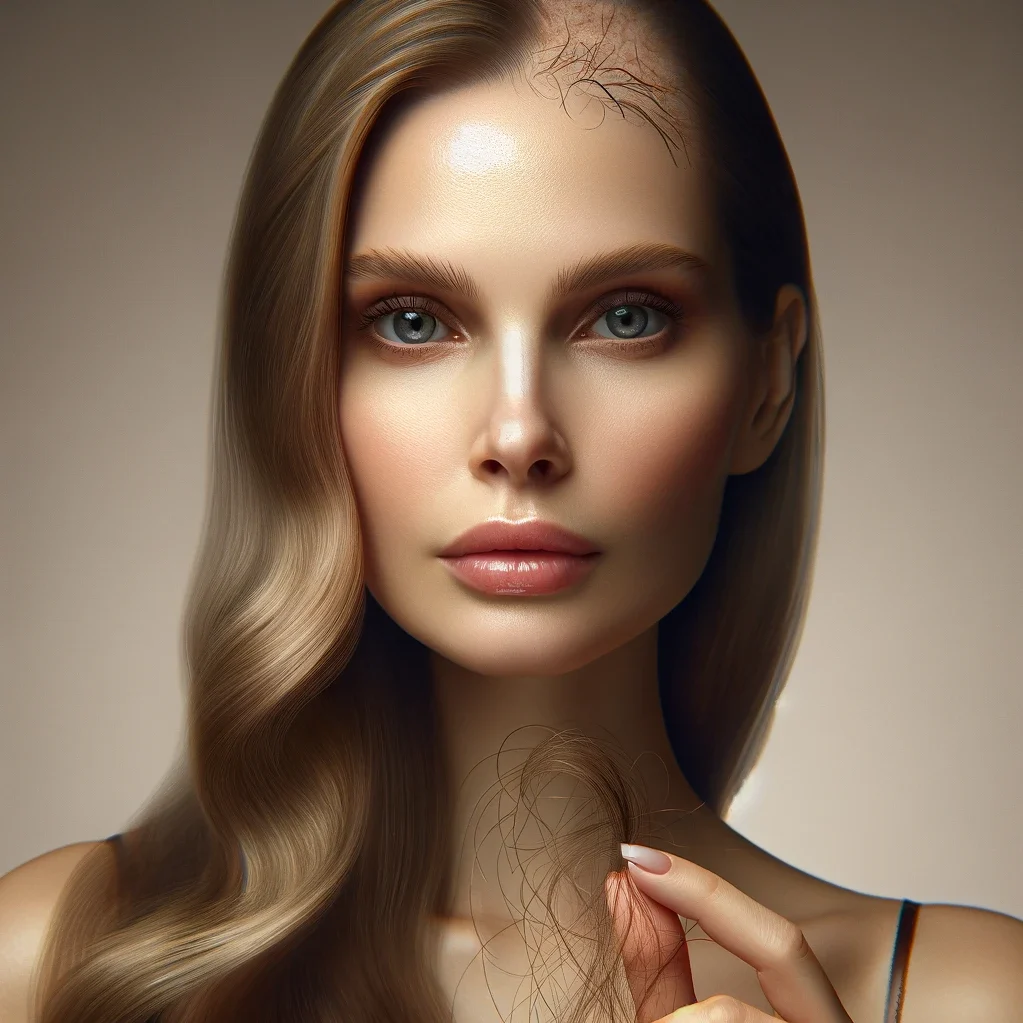
Did you know that unwanted hair growth affects approximately 70% of women with polycystic ovarian syndrome (PCOS)? This condition, characterized by elevated androgen levels, including testosterone, can lead to excessive hair growth in areas such as the face, stomach, chest, and back. Many women seek various methods to remove the hair, but addressing the root cause of the problem through diet and lifestyle changes can be more effective in managing PCOS-related hair growth.
Unwanted hair growth is just one of the challenges faced by women with PCOS. Hair loss is also a common symptom of this hormonal disorder. But don’t worry, there are strategies and solutions available to effectively manage both hair growth and hair loss in PCOS. By implementing the right treatments and interventions, you can take control of your hair and regain your confidence.
In this article, we will explore the various strategies and solutions for managing hair growth in PCOS, as well as ways to reverse hair loss. From diet and lifestyle changes to medical interventions and treatment options, we’ll cover everything you need to know to address these concerns.
Key Takeaways:
- Unwanted hair growth affects approximately 70% of women with PCOS.
- Diet and lifestyle changes can be effective in managing hair growth in PCOS.
- Medications, supplements, and cosmetic solutions can also help manage hair growth in PCOS.
- Hair loss is another common symptom of PCOS, but it can be reversed with the right treatments.
- Seek support and guidance from healthcare professionals to develop a personalized plan for managing hair growth and hair loss in PCOS.
The Role of Diet in Hair Growth Management
One way to manage hair growth in PCOS is through diet. By making conscious choices about what we eat, we can help regulate hormone levels and promote healthy hair growth. Here are some natural remedies and dietary recommendations to consider:
1. Spearmint Herbal Tea
Spearmint herbal tea has been shown to reduce androgen levels in women with PCOS, resulting in decreased hair growth. The anti-androgenic properties of spearmint can help balance hormone levels and manage excessive hair growth. Consider incorporating spearmint tea into your daily routine to reap its potential benefits.
2. Low Glycemic Index (GI) Diet
Managing blood glucose levels and insulin resistance is crucial for maintaining hormonal balance and reducing hair growth in PCOS. Following a low glycemic index (GI) diet can help achieve this. Focus on consuming foods with a low GI, such as whole-grain bread, brown rice, quinoa, oats, and legumes. These foods release sugar into the blood gradually, preventing spikes in insulin levels.
Avoid foods with a high GI, which can lead to increased insulin production and hormone imbalances. These include processed carbohydrates, sugary snacks, and sugary drinks.
3. Limited Dairy Intake
Dairy products contain hormones that can potentially increase hair growth in PCOS. Consider limiting your intake of dairy or switching to alternative options, such as plant-based milk or dairy-free alternatives.
By incorporating these dietary changes, we can support hormone regulation and manage hair growth in PCOS. Remember to consult with a healthcare professional or registered dietitian before making any major dietary changes.

Disclaimer: This image is purely for illustrative purposes and does not represent specific products or recommendations.
Lifestyle Changes for Hair Growth Management
In addition to diet, implementing certain lifestyle changes can significantly contribute to managing hair growth in women with PCOS. By adopting healthy habits and integrating specific practices into your daily routine, you can promote hormone balance and improve insulin sensitivity, which can help reduce excessive hair growth. Let’s explore some lifestyle tips that can aid in managing hair growth in PCOS:
1. Regular Exercise
Engaging in regular physical activity, even simple activities like walking or cycling, can have a positive impact on insulin sensitivity and hormone balance. Exercise helps regulate blood glucose levels, supports overall health, and may contribute to reducing hair growth associated with PCOS.
2. Sufficient Sleep
Getting an adequate amount of sleep, around 7-9 hours per night, is crucial for hormone regulation and general well-being. Lack of sleep or disrupted sleep patterns can lead to hormonal imbalances, potentially exacerbating hair growth issues related to PCOS.
3. Soluble Fiber Intake
Including soluble fiber-rich foods in your diet, such as apples, oats, legumes, and psyllium husks, can improve blood glucose control and appetite management. Soluble fiber helps slow down digestion, preventing insulin spikes and promoting more stable hormone levels, which may aid in managing hair growth.
4. Stress-Relief Activities
High levels of stress can impact hormone balance and insulin resistance. Incorporating stress-relieving activities into your daily routine, such as meditation, deep breathing exercises, or taking scenic walks, can help manage stress levels and potentially contribute to reducing unwanted hair growth in PCOS.
Implementing these lifestyle changes, along with dietary modifications, can have a positive impact on managing hair growth in PCOS. It’s important to remember that each person’s experience with PCOS is unique, so it may take time and experimentation to find the combination of strategies that work best for you.
Together, by making mindful choices and prioritizing self-care, we can take control of our hair growth and promote a healthier, more balanced lifestyle.
| Lifestyle Changes for Hair Growth Management |
|---|
| Regular Exercise |
| Sufficient Sleep |
| Soluble Fiber Intake |
| Stress-Relief Activities |
Implementing these lifestyle changes can help manage hair growth in PCOS.
Medical Interventions for Hair Growth in PCOS
In some cases, medical interventions may be necessary to manage hair growth in PCOS. Here are a few options:
Hair Growth Supplements
Hair growth supplements can be helpful in promoting hair regrowth in PCOS. Some effective supplements include:
- Biotin
- Keratin
- Zinc
- Iron
- Vitamin C
- Vitamin D
Prescription Medications
Prescription medications can also play a role in managing hair growth in PCOS. These include:
- Oral contraceptives: These help balance hormone levels and reduce hair growth.
- Anti-androgen treatments: Medications like cyproterone, spironolactone, and finasteride can help control androgen levels and reduce hair growth.
Eflornithine Cream
Eflornithine cream is a topical treatment that can be applied after hair removal techniques. It helps slow down hair growth and can be especially beneficial for facial hair.
Laser Hair Removal and Electrolysis
For long-term hair reduction, laser hair removal and electrolysis are effective options. These procedures target the hair follicles, leading to a significant reduction in hair growth.
It’s important to consult with a healthcare professional to determine the most suitable medical interventions for managing hair growth in PCOS.
Understanding Hair Loss in PCOS
Hair loss is a common symptom experienced by individuals with Polycystic Ovarian Syndrome (PCOS). This condition is characterized by elevated levels of androgens, such as testosterone, which can disrupt the natural hair growth cycle. As a result, individuals may experience thinning hair, male-pattern baldness, and weakened hair follicles.
Hair loss in PCOS typically occurs gradually, starting with overall thinning of the hair and progressing to a receding hairline. This can have a significant impact on an individual’s self-esteem and quality of life. However, the good news is that hair loss in PCOS can be reversed with the right treatments and interventions.
To effectively address hair loss in PCOS, it is important to target the underlying hormonal imbalances. By managing and reducing the levels of androgens, individuals can support healthy hair regrowth and strengthen their hair follicles.
In the next section, we will explore the various treatment options available for reversing hair loss in PCOS and promoting healthy hair growth.
Key Points:
- Hair loss in PCOS is caused by elevated androgen levels.
- Thinning hair, male-pattern baldness, and weakened hair follicles are common manifestations of hair loss in PCOS.
- Hair loss typically progresses gradually, starting with overall thinning and then followed by a receding hairline.
- The right treatments and interventions can help reverse hair loss in PCOS.
Treatment Options for Reversing Hair Loss in PCOS
When it comes to promoting hair growth in PCOS, there are several treatment options to consider. These treatments can help stimulate hair regrowth, prevent further damage to the hair follicles, and address hormonal imbalances that contribute to hair loss. Here are some effective treatment options:
1. Medications
Medications such as minoxidil and anti-androgens can be prescribed to promote hair regrowth in PCOS. Minoxidil is a topical solution that stimulates hair follicles, while anti-androgens work by blocking the effects of androgens on the hair follicles. These medications can help slow down hair loss and encourage the growth of new hair.
2. Oral Contraceptives
Oral contraceptives, also known as birth control pills, can be an effective treatment for hair loss in PCOS. These medications help regulate hormone levels, including androgens, and can reduce hair loss. By restoring hormonal balance, oral contraceptives can help promote hair regrowth and improve overall hair health.
3. Good Hair Care Practices
Implementing good hair care practices can also support hair regrowth in PCOS. Using gentle brushes, avoiding heat-styling tools, and opting for nourishing shampoos and conditioners can help prevent further hair damage and promote healthier hair growth. Taking proper care of your hair can make a significant difference in its overall health and appearance.
4. Cosmetic Solutions
In some cases, individuals may choose cosmetic solutions to manage the immediate appearance of hair loss. Wigs and hairpieces offer a non-invasive way to restore hair volume and conceal thinning areas. These solutions can provide a temporary boost of confidence while other treatment options are being explored.
Incorporating these treatment options into your hair care routine can make a significant difference in promoting hair growth and reversing hair loss in PCOS. Remember, each individual may respond differently to treatments, so it’s important to work closely with a healthcare professional to identify the most suitable options for you.
Image:
Conclusion
Hair growth and hair loss are common symptoms of PCOS, resulting from hormonal imbalances and elevated androgen levels. Thankfully, there are a range of strategies and solutions available to manage and reverse these symptoms effectively. By addressing the root cause through adjustments in diet and lifestyle, utilizing medical interventions, and practicing good hair care, women with PCOS can regain control over their hair growth and restore their confidence.
It is important to recognize that every individual’s PCOS journey is unique, and finding the ideal combination of treatments may require some trial and error. Seeking support and guidance from healthcare professionals is essential in developing a personalized plan for managing hair growth in PCOS. With the right approach, it is possible to create a comprehensive hair growth management strategy that works specifically for you.
Remember, managing hair growth in PCOS is a journey that requires patience and perseverance. With determination and the proper tools, you can effectively navigate this aspect of your PCOS experience and achieve the results you desire. Take control of your hair growth today and embrace a future characterized by healthy, beautiful hair.
FAQ
Is hair growth a common symptom of PCOS?
Yes, unwanted hair growth is a common symptom of polycystic ovarian syndrome (PCOS).
What causes excessive hair growth in PCOS?
Excessive hair growth in PCOS is caused by elevated androgen levels, such as testosterone.
How can diet help manage hair growth in PCOS?
Spearmint herbal tea has been found to reduce androgen levels in women with PCOS, leading to decreased hair growth. Following a low glycemic index (GI) diet and limiting dairy intake can also help balance hormones and reduce hair growth.
What lifestyle changes can help manage hair growth in PCOS?
Regular exercise, sufficient sleep, and stress-relieving activities can improve hormone balance and manage hair growth. Adding soluble fiber to the diet is beneficial for blood glucose control.
What medical interventions are available for PCOS-related hair growth?
Hair growth supplements and prescription medications like oral contraceptives and anti-androgen treatments can help balance hormone levels and reduce hair growth. Eflornithine cream, laser hair removal, and electrolysis are also options for long-term hair reduction.
Is hair loss a common symptom of PCOS?
Yes, hair loss is another common symptom of PCOS, caused by elevated androgen levels.
What treatment options are available for reversing hair loss in PCOS?
Medications such as minoxidil and anti-androgens can help stimulate hair regrowth. Oral contraceptives and good hair care practices can also be effective in treating hair loss.
How can I manage hair growth in PCOS?
By addressing the root cause through diet and lifestyle changes, utilizing medical interventions, and practicing good hair care, women with PCOS can manage hair growth and regain confidence.