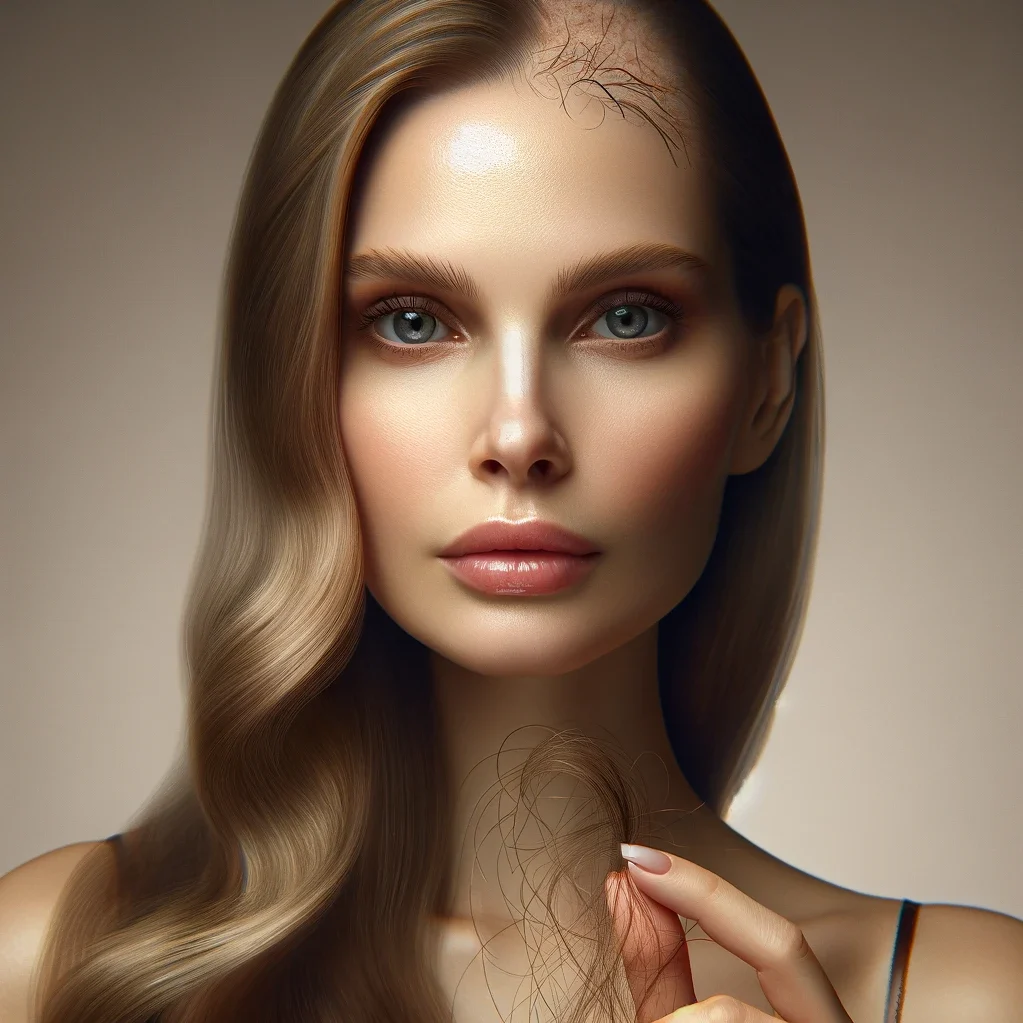
Did you know that hair loss affects approximately 50 million men and 30 million women in the United States alone? Whether you’re experiencing excessive hair shedding or noticing your hair thinning, understanding the causes of hair loss is crucial for effective prevention.
Hair loss, also known as alopecia, can be triggered by a variety of factors, including heredity, hormonal changes, medical conditions, and the natural aging process. Excessive hair shedding and hair thinning are common symptoms of hair loss, indicating an underlying issue that needs to be addressed.
In this comprehensive guide, we will explore the causes of hair loss in both men and women, delve into the connection between stress and hair loss, highlight the importance of a balanced diet for preventing hair loss, and provide you with practical tips to maintain healthy hair. By the end, you’ll have a better understanding of hair loss and be equipped with the knowledge to take proactive steps in preventing it.
Key Takeaways:
- Hair loss affects a significant number of people in the United States.
- Understanding the causes of hair loss is essential for prevention.
- Excessive hair shedding and hair thinning are common symptoms of hair loss.
- Heredity, hormonal changes, medical conditions, and aging can contribute to hair loss.
- Taking proactive measures, such as managing stress and maintaining a balanced diet, can help prevent hair loss.
Hair Loss in Men: Common Causes and Prevention Tips
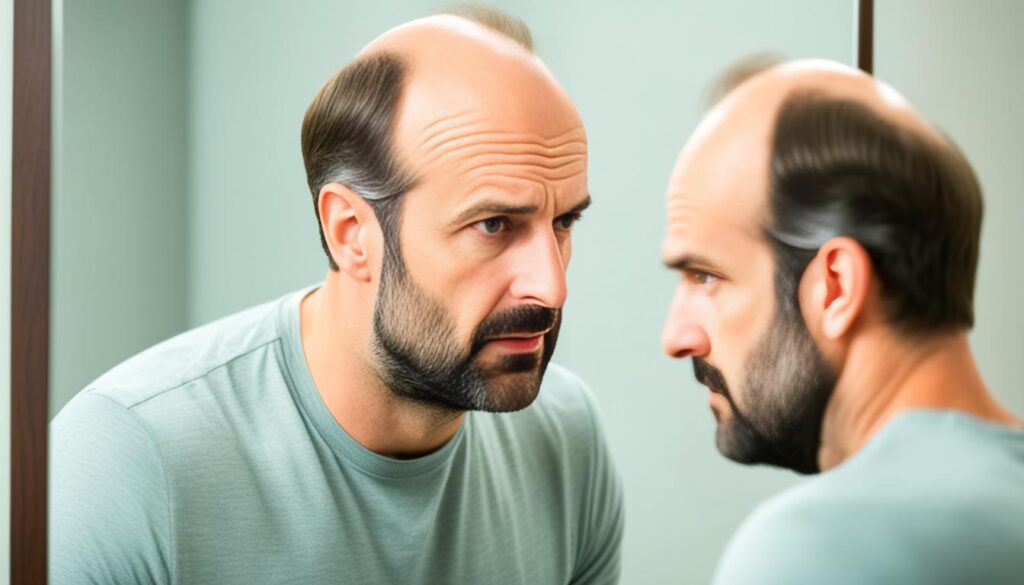
When it comes to hair loss in men, male-pattern baldness is often the primary culprit. This condition, also known as androgenetic alopecia, is characterized by a gradual thinning of hair on the scalp, resulting in a receding hairline and bald patches.
Hormonal imbalances can play a significant role in hair loss among men. Androgens, specifically dihydrotestosterone (DHT), can shrink hair follicles and shorten the hair growth cycle. This leads to the production of finer, shorter hair and eventual hair loss.
Genetics also play a crucial role in determining the risk of male-pattern baldness. Certain genes are associated with an increased susceptibility to hair loss, and if you have a family history of baldness, you may be more likely to experience it yourself.
To effectively prevent hair loss in men, it is important to understand the role of hormones and genetics. While you cannot change your genetic makeup, you can implement strategies to manage hormonal imbalances and slow down the progression of male-pattern baldness.
Hormonal Imbalance and Hair Loss
Hormonal imbalances, particularly an excess of DHT, can contribute to the onset of hair loss in men. Here are some tips to maintain hormonal balance and prevent hair loss:
- Consult a healthcare professional to assess and manage any hormonal imbalances.
- Consider medications or treatments that target DHT production to inhibit its effects on hair follicles.
- Explore natural remedies such as saw palmetto extract, which may help reduce DHT levels.
Genetics and Hair Loss
If you have a family history of hair loss, it is essential to take proactive measures to prevent or delay its onset. Here are some preventive steps:
- Undergo regular scalp check-ups to monitor the early signs of male-pattern baldness.
- Adopt a hair care routine that promotes scalp health, such as gentle shampooing and avoiding harsh styling products.
- Consider hair thickening treatments or hair transplantation procedures to restore lost hair.
Taking charge of your hair health involves understanding the causes of hair loss in men and implementing appropriate prevention strategies. By managing hormonal imbalances, addressing genetic predispositions, and seeking professional guidance, you can maintain a healthy head of hair for years to come.
Hair Loss in Women: Causes and Prevention Tips
Hair loss in women can be attributed to various factors, including female-pattern baldness, hormonal imbalances, and nutritional deficiencies. Female-pattern baldness is characterized by thinning hair and hair loss along the central portion of the head. As women age, hormonal changes, such as those experienced during pregnancy or menopause, can contribute to hair loss. Additionally, nutritional deficiencies, particularly insufficient protein and vitamins, can also lead to hair loss.
Recognizing these causes is crucial in taking proactive steps to prevent further hair loss and promote hair regrowth. Implementing specialized treatments and adopting lifestyle changes can address these underlying factors and enhance overall hair health.
Female-Pattern Baldness
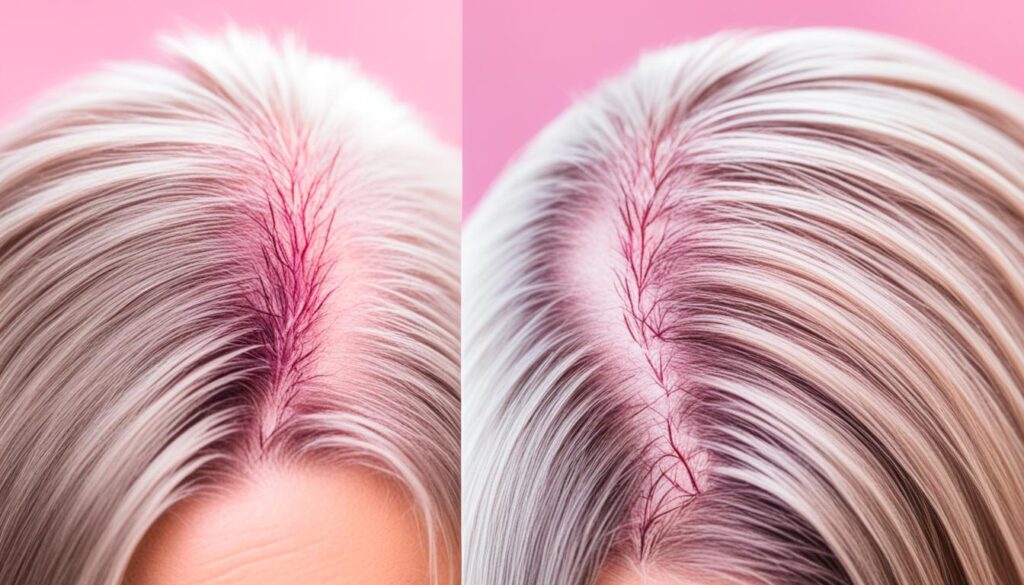
Female-pattern baldness is one of the most common causes of hair loss in women. This condition typically results in a gradual thinning of hair on the top and crown of the head. The central portion of the scalp may become more visible, causing self-consciousness and affecting self-esteem.
While the exact cause of female-pattern baldness is not fully understood, genetic factors and hormonal imbalances play a significant role. It is believed that dihydrotestosterone (DHT), a hormone derived from testosterone, contributes to the shrinking of hair follicles in susceptible individuals. Understanding the genetic and hormonal aspects of female-pattern baldness can help women identify effective preventive measures and seek appropriate treatment options.
Hormonal Imbalances and Hair Loss
Fluctuations in hormone levels can influence hair growth cycles and contribute to hair loss in women. Hormonal imbalances often occur during pregnancy, postpartum, or menopause, leading to changes in hair thickness and density.
Pregnancy-related hair loss, known as telogen effluvium, may occur due to hormonal fluctuations after giving birth. Many women experience excessive hair shedding within a few months postpartum as their hormone levels return to normal. This shedding is usually temporary, and regular hair growth resumes after several months.
In menopausal women, hormone imbalances and the decline in estrogen levels can result in hair thinning, especially along the hairline and crown. Addressing hormonal imbalances through proper medical guidance and treatments can help prevent or minimize hair loss associated with these fluctuations.
Nutritional Deficiencies and Hair Loss
A balanced diet rich in essential nutrients is vital for healthy hair growth. Nutritional deficiencies, particularly inadequate intake of protein, vitamins, and minerals, can contribute to hair loss in women.
Protein is crucial for the production of keratin, the protein that makes up the hair structure. Insufficient protein intake can weaken hair strands, leading to breakage and hair loss. Additionally, deficiencies in vitamins, such as biotin, vitamin D, and iron, can impair hair growth, resulting in hair thinning and increased shedding.
Ensuring a well-rounded diet that includes sources of lean protein, leafy greens, fruits, and whole grains can help prevent nutritional deficiencies and promote healthy hair growth. In cases of severe deficiencies, supplements may be recommended under the guidance of a healthcare professional.
By addressing the underlying causes of hair loss in women, such as female-pattern baldness, hormonal imbalances, and nutritional deficiencies, preventive measures can be implemented to maintain vibrant and healthy hair. Consulting with a healthcare professional or hair specialist can provide personalized guidance and recommendations for effective prevention and treatment options.
Stress and Hair Loss: Understanding the Connection
Stress can have a significant impact on hair health and contribute to hair loss. Excessive stress can disrupt the hair growth cycle, leading to increased hair shedding and hair thinning. It is important to manage stress levels in order to maintain healthy hair. Practicing stress-reducing techniques such as meditation, exercise, and self-care can help prevent stress-induced hair loss.
Stress can disrupt the normal hair growth cycle, leading to excessive hair shedding and thinning. Additionally, stress hormones can affect the production of keratin, the protein responsible for hair strength and growth. When stress levels are high, the body prioritizes vital functions over non-essential ones, including hair growth.
By reducing stress levels, individuals can promote healthier hair growth and minimize the risk of hair loss. Taking time for self-care activities such as hobbies, spending time with loved ones, and engaging in relaxation techniques can help alleviate stress. Implementing a regular exercise routine and practicing mindfulness exercises like meditation or deep breathing can also effectively manage stress levels.
It’s important to remember that managing stress is not only beneficial for hair health but for overall well-being. Chronic stress can have numerous negative effects on the body, including compromising the immune system, increasing the risk of cardiovascular disease, and affecting mental health. Prioritizing stress management can lead to healthier hair and a happier, more balanced life.
Holistic Approach to Stress Reduction
- Practice meditation or deep breathing exercises to promote relaxation
- Engage in regular physical activity such as yoga or cardio workouts
- Prioritize self-care activities that bring joy and relaxation
- Establish a consistent sleep schedule to support overall well-being
- Seek support from friends, family, or a mental health professional
| Stress Management Techniques for Hair Health | Effectiveness |
|---|---|
| Meditation and deep breathing exercises | High |
| Regular physical activity and exercise | High |
| Engagement in self-care activities | Moderate |
| Healthy sleep patterns | Moderate |
| Seeking support from friends and family | Moderate |
Nutritional Deficiencies and Hair Loss: Importance of a Balanced Diet
Nutritional deficiencies can play a significant role in hair loss and hair thinning. When our bodies lack essential nutrients like protein, vitamins, and minerals, our hair follicles may suffer, leading to hair loss. It is important to maintain a balanced diet that provides all the necessary components for healthy hair growth.
Avoiding crash diets and maintaining a healthy weight is crucial in preventing nutritional deficiencies and subsequent hair loss. Crash diets can deprive our bodies of essential nutrients, negatively impacting hair health. Instead, focus on consuming a variety of nutrient-rich foods to meet your body’s needs.
Here are some key nutrients that are important for healthy hair growth:
- Biotin: Also known as vitamin B7, biotin helps promote hair growth and prevent hair thinning. Include foods like eggs, nuts, and whole grains in your diet, as they are rich in biotin.
- Iron: Iron deficiency is a common cause of hair loss. Consume iron-rich foods like lean meats, seafood, legumes, and leafy green vegetables to ensure an adequate intake of this essential nutrient.
- Vitamin D: Vitamin D plays a role in hair follicle cycling and hair growth. Exposure to sunlight and consumption of foods like fatty fish, fortified dairy products, and eggs can help maintain optimal vitamin D levels.
Incorporating these nutrients into your diet can help prevent hair thinning and promote healthy hair growth. Additionally, maintaining a well-balanced diet provides various other health benefits, beyond just preventing hair loss.
“Nutritional deficiencies can have a profound impact on hair health. By ensuring a well-rounded and nutrient-dense diet, we can support hair growth and minimize the risk of hair loss.” – Dr. Sarah Thompson, Nutrition Specialist
Remember, a healthy scalp and hair require proper nourishment from within. Eating a variety of nutrient-rich foods and avoiding restrictive diets is key to maintaining optimal hair health.
| Nutrient | Food Sources |
|---|---|
| Biotin | Eggs, nuts, whole grains |
| Iron | Lean meats, seafood, legumes, leafy green vegetables |
| Vitamin D | Fatty fish, fortified dairy products, eggs |
Summary:
Nutritional deficiencies, especially those lacking protein, vitamins, and minerals, can contribute to hair loss and hair thinning. Maintaining a balanced diet that includes essential nutrients like biotin, iron, and vitamin D is crucial for healthy hair growth and prevention of hair loss. Avoid crash diets and strive to maintain a healthy weight to prevent nutritional deficiencies. Ensuring proper nourishment through a healthy diet leads to optimal hair health and overall well-being.
Conclusion
Hair loss can be a distressing experience, but by understanding the causes and implementing effective prevention strategies, it is possible to maintain healthy hair. Our hair loss prevention tips include managing stress levels, maintaining a balanced diet, and addressing any hormonal imbalances or nutritional deficiencies.
One key aspect of healthy hair maintenance is regular scalp care. By gently cleansing and exfoliating the scalp, we can promote the growth of strong, healthy hair. It is also important to avoid harsh treatments such as excessive heat styling or chemical processing, as these can damage the hair and lead to further hair loss.
Additionally, maintaining a healthy lifestyle that includes regular exercise, adequate sleep, and stress-reducing practices can contribute to overall hair health. By taking these steps, we can minimize the risk of hair loss and promote the long-term maintenance of healthy, vibrant hair.
FAQ
What can cause hair loss?
Hair loss can be caused by a variety of factors, including heredity, hormonal changes, medical conditions, and the natural aging process.
What are common symptoms of hair loss?
Excessive hair shedding and hair thinning are common symptoms of hair loss.
What causes hair loss in men?
Hair loss in men is often attributed to male-pattern baldness, a hereditary condition. Hormonal imbalances can also contribute to hair loss in men.
What role do genetics play in male hair loss?
Genetic factors play a significant role in male hair loss, with certain genes increasing the risk of developing baldness.
What causes hair loss in women?
Hair loss in women can be caused by various factors, including female-pattern baldness, hormonal imbalances, and nutritional deficiencies.
What is female-pattern baldness?
Female-pattern baldness is characterized by thinning hair and hair loss along the central portion of the head.
How do hormonal imbalances contribute to hair loss in women?
Hormonal imbalances, such as those experienced during pregnancy or menopause, can contribute to hair loss in women.
Can nutritional deficiencies lead to hair loss in women?
Nutritional deficiencies, particularly deficiencies in protein and vitamins, can also lead to hair loss in women.
How does stress contribute to hair loss?
Excessive stress can disrupt the hair growth cycle, leading to increased hair shedding and hair thinning.
How can nutritional deficiencies contribute to hair loss?
Nutritional deficiencies, particularly deficiencies in protein, vitamins, and minerals, can contribute to hair loss.
What are some hair loss prevention tips?
Key prevention tips include managing stress levels, maintaining a balanced diet, and addressing any hormonal imbalances or nutritional deficiencies.
How can I maintain healthy hair?
Regular scalp care and avoiding harsh treatments can contribute to healthy hair maintenance.