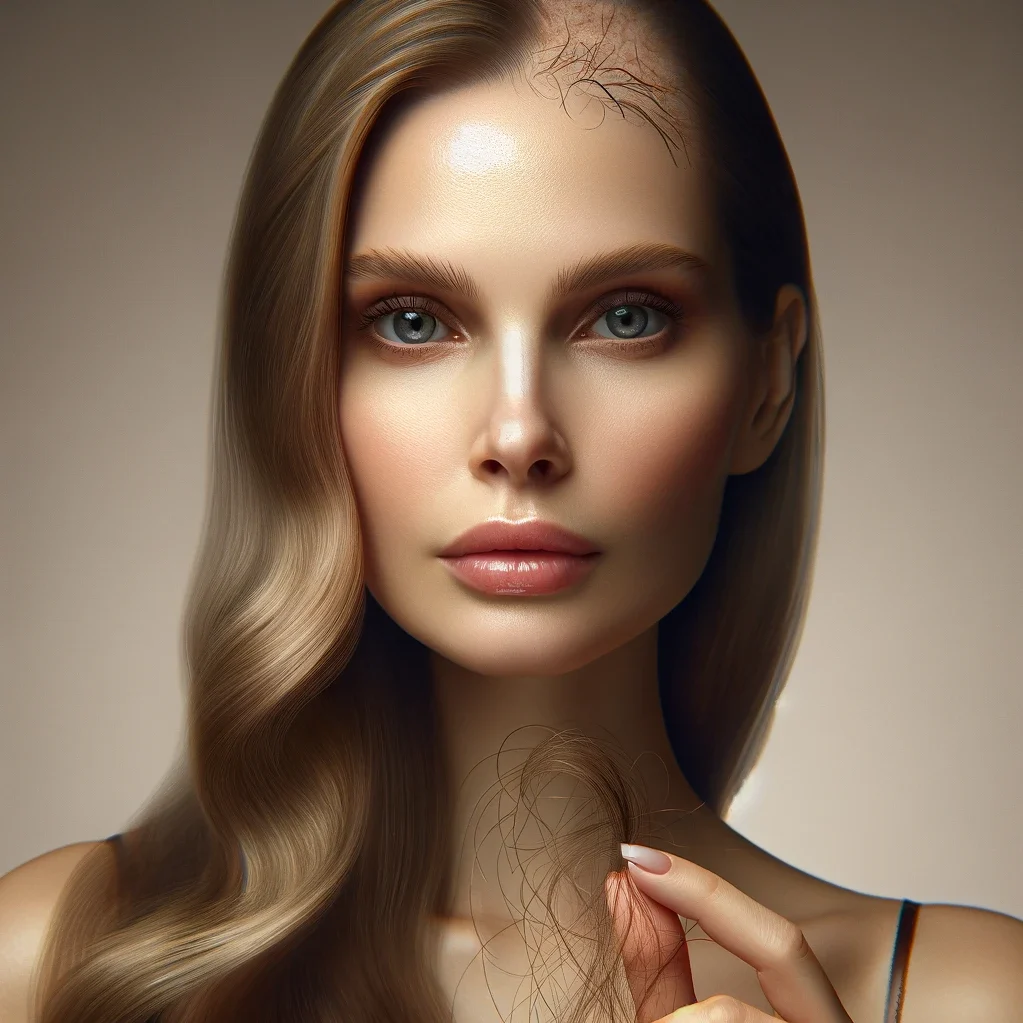
At any age, hair loss can be a distressing experience, affecting both physical appearance and self-confidence. When it comes to women in their 30s, hair loss due to diet is a significant concern that deserves attention and understanding.
While genetics and hormonal dysregulation can contribute to hair loss, the impact of diet on hair health should not be overlooked. A woman’s diet plays a crucial role in providing essential nutrients that support hair growth and strength.
Micronutrient deficiencies, such as iron, vitamin D, and zinc, have been linked to hair loss in women. Iron deficiency, specifically, can lead to excessive shedding and hair loss known as telogen effluvium. Vitamin D deficiency has been associated with conditions like female pattern hair loss, while zinc deficiency can cause hair loss in conditions like alopecia areata.
In addition to these key nutrients, other vitamins and minerals like copper, biotin, vitamin B12, folate, and riboflavin also play a role in maintaining healthy hair growth. Calorie and protein restriction, as well as rapid weight loss, can further contribute to hair loss.
To prevent hair loss due to diet in women in their 30s, it is crucial to maintain a balanced diet that includes a variety of nutrient-rich foods. Consult with a healthcare professional to identify any underlying nutritional deficiencies and develop a personalized plan to address them.
Your hair deserves the best care, and nourishing it from within is an essential step towards preventing diet-induced hair loss. We are here to guide you through this journey and empower you with the knowledge and tips to maintain healthy, vibrant hair.
Hormonal Hair Loss and Other Factors
Hormonal changes can play a significant role in hair loss among women, especially in their 30s. One common type of hair loss in women is female pattern hair loss (FPHL), also known as androgenetic alopecia. This condition is influenced by hormonal imbalances and tends to become more prevalent after menopause, when estrogen levels decrease.
In addition to menopause, other hormonal conditions like polycystic ovarian syndrome (PCOS) can contribute to hair loss in younger women. Hormonal fluctuations associated with these conditions affect hair growth cycles and can lead to increased shedding and thinning of the hair.
However, hormonal imbalances are not the sole factors contributing to hair loss in women. Lifestyle choices and environmental factors can also play a role. For instance, smoking, excessive alcohol consumption, chronic stress, and inadequate sleep have been associated with an increased risk of hair loss in women.
It is essential for women to address these factors and maintain a healthy lifestyle to promote hair health and prevent hair loss. Additionally, focusing on proper nutrition is crucial in preventing hair loss in women. Nutritional deficiencies, such as lack of iron, vitamin D, zinc, and other essential nutrients, can negatively impact hair growth.
“Balanced nutrition is key to maintaining healthy hair growth and preventing hair loss. Adequate intake of essential nutrients is essential for promoting hair health in women.”
By incorporating a well-rounded diet rich in these essential nutrients, women can help promote healthy hair growth and reduce the risk of hair loss caused by hormonal imbalances and nutritional deficiencies.
To better understand the relationship between diet and hair loss, let’s take a look at how specific nutrients can impact hair health:
| Nutrient | Impact on Hair Health |
|---|---|
| Iron | Iron deficiency can lead to hair loss conditions like telogen effluvium. |
| Vitamin D | Vitamin D deficiency has been linked to female pattern hair loss. |
| Zinc | Zinc deficiency can contribute to hair loss conditions like alopecia areata. |
| Copper | Copper is involved in the production of melanin, which gives hair its color. |
| Biotin | Biotin is crucial for healthy hair growth and deficiency can lead to hair loss. |
Addressing these nutritional deficiencies through a balanced diet or supplementation, under the guidance of a healthcare professional, can help support hair health and minimize the risk of hair loss.
Overall, understanding the impact of hormones, lifestyle choices, and nutritional deficiencies on hair loss in women is crucial in developing effective prevention and treatment strategies. By addressing these factors through proper nutrition and lifestyle changes, women can promote healthy hair growth and maintain voluminous, lustrous locks.
Hair Loss Prevention and Treatment Options
Preventing hair loss due to diet is crucial for maintaining healthy hair, but for women who are already experiencing hair loss, there are various treatment options available. One effective option is topical minoxidil, which can be purchased over the counter. Approved by the FDA for both male and female pattern hair loss, minoxidil stimulates hair growth and helps prevent further loss.
For more intensive treatment, low-light lasers can be employed to stimulate hair follicles and promote growth. Prescription oral medications such as finasteride and spironolactone can also be prescribed by healthcare professionals to counter hair loss. Another innovative treatment option is platelet-rich plasma therapy, which uses the patient’s own blood to inject growth factors into the scalp and stimulate hair growth.
In combination with these treatments, maintaining a healthy diet rich in essential nutrients is vital. Consuming adequate amounts of iron, vitamin D, zinc, and other vitamins and minerals is key to promoting healthy hair growth and preventing further loss. It is essential to consult with a healthcare professional to determine the most suitable treatment plan and address any underlying nutritional deficiencies that may be contributing to hair loss.
In summary, while preventing hair loss through a balanced diet is important, there are a range of treatment options available for women experiencing hair loss. From topical minoxidil to platelet-rich plasma therapy, there are various approaches to stimulate hair growth and prevent further loss. Combining these treatments with a nutritious diet can help individuals achieve healthier and fuller hair.
FAQ
What are the causes of hair loss due to diet in women in their 30s?
Hair loss due to diet in women in their 30s can be caused by micronutrient deficiencies, such as iron, vitamin D, and zinc. Other nutrients like copper, biotin, vitamin B12, folate, and riboflavin have also been associated with hair loss. Calorie and protein restriction, as well as rapid weight loss, can contribute to hair loss as well.
How do hormonal changes contribute to hair loss in women in their 30s?
Hormonal changes, particularly hormonal imbalances, can contribute to hair loss in women in their 30s. Female pattern hair loss (FPHL), also known as androgenetic alopecia, is a common type of hair loss in women and can be influenced by hormonal imbalances. Hormones associated with conditions like polycystic ovarian syndrome (PCOS) can also contribute to hair loss in younger women.
Are there treatment options available for hair loss in women?
Yes, there are treatment options available for women experiencing hair loss. Topical minoxidil, low-light lasers, and prescription oral medications like finasteride and spironolactone are all options for treating hair loss. Platelet-rich plasma therapy and microneedling are also procedures that can help stimulate hair growth. It’s important to consult with a healthcare professional to determine the most suitable treatment for individual needs.