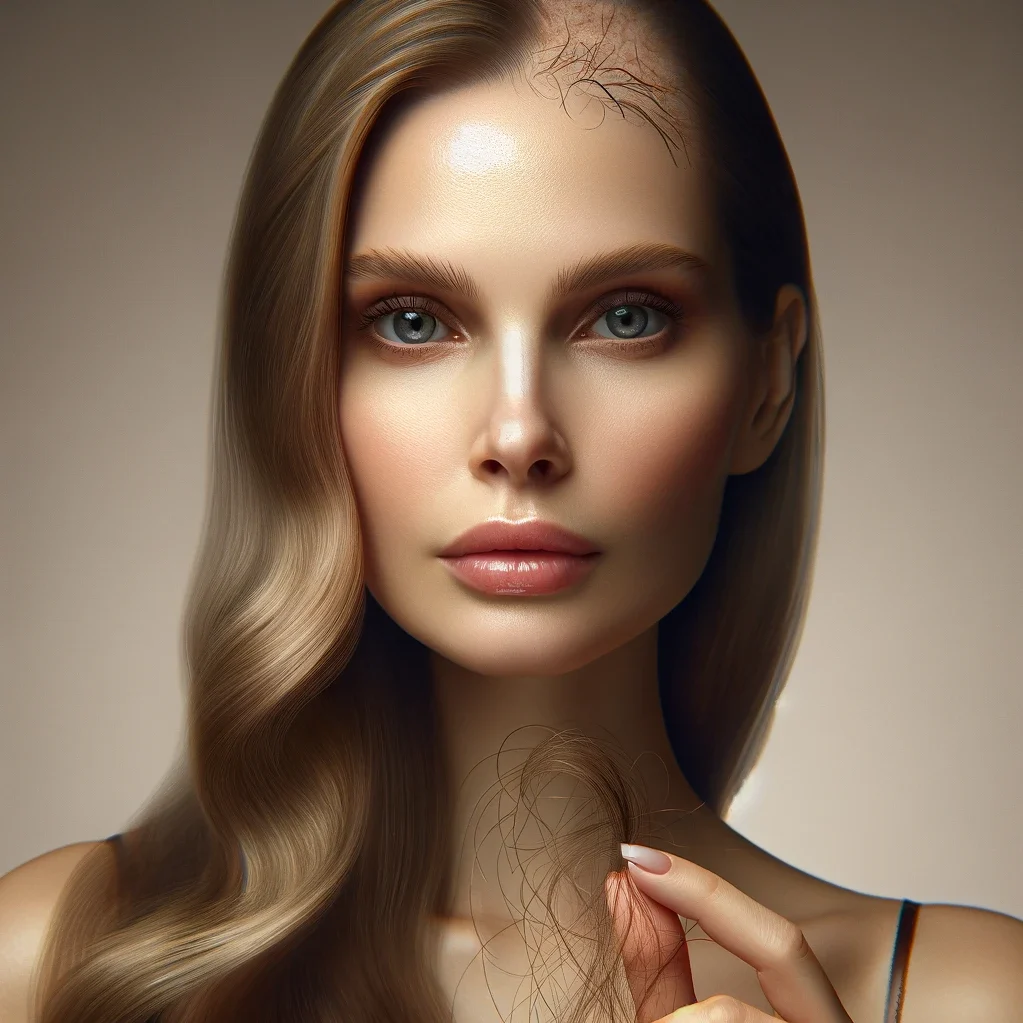
At some point in our lives, many of us may experience hair loss, and it can be a distressing experience, especially for women. While hormonal imbalances are often blamed for hair loss, they account for only a small percentage of cases. There are various factors that can contribute to hair loss, including normal life events like childbirth and menopause. One condition that can also lead to hair loss is thyroid disorder, which affects the function of the thyroid gland.
The thyroid gland plays a crucial role in regulating our metabolism and producing hormones that affect various bodily functions, including hair growth. When there is an imbalance in thyroid hormones, it can disrupt the hair growth cycle and result in hair loss. This is particularly relevant for women over 30, as this age group may be more susceptible to thyroid-related hair loss.
Hypothyroidism, a condition where the thyroid gland is underactive and doesn’t produce enough thyroid hormones, can cause hair loss. Similarly, hyperthyroidism, when the thyroid gland is overactive and produces excessive thyroid hormones, can also lead to hair loss. Both conditions can result in diffuse hair loss, where hair sheds evenly from the scalp.
In addition to hormonal imbalances, other causes of hair loss in thyroid disorder include autoimmune thyroid diseases, such as Hashimoto’s thyroiditis, which is associated with increased risk of hair loss, including alopecia areata. Furthermore, female pattern hair loss, a hereditary condition that leads to progressive hair thinning, can also be influenced by thyroid dysfunction.
Managing hair loss in women with thyroid problems requires a comprehensive approach. The first step is to seek medical advice to determine the underlying cause of hair loss. A healthcare professional will conduct a thorough evaluation, which may include blood tests to assess thyroid function. Based on the diagnosis, appropriate treatment options can be explored.
Treatment of thyroid-related hair loss primarily focuses on addressing the underlying thyroid disorder. For individuals with hypothyroidism, synthetic hormones like levothyroxine sodium are typically prescribed to restore thyroid hormone levels. In cases of hyperthyroidism, various treatment options, including antithyroid drugs, radioactive iodine therapy, or surgery, may be recommended based on the severity of the condition.
It is important to note that hair regrowth may take several months, even with proper thyroid treatment. Additionally, hair loss can be a side effect of antithyroid drugs, so it is essential to discuss potential side effects and alternative options with a healthcare provider.
Alongside medical treatment, maintaining a balanced diet can play a role in promoting hair growth and improving the overall condition of the hair. Consuming foods rich in omega-3 fatty acids, vitamins A and C, protein, biotin, calcium, and other nutrients can be beneficial for hair health.
In conclusion, understanding the relationship between thyroid function and hair loss is crucial for managing hair loss in women over 30. While thyroid disorders can contribute to hair loss, they are not the sole cause. It is important for individuals experiencing hair loss to seek medical advice to determine the underlying cause and appropriate treatment. By addressing the thyroid condition and adopting a comprehensive approach, individuals can promote hair regrowth and improve the condition of their hair.
The Link between Thyroid Function and Hair Loss
The thyroid hormone plays a crucial role in the development and maintenance of hair follicles. When there is an imbalance in thyroid hormone levels, it can disrupt the normal hair growth cycle and lead to hair loss.
In conditions like hypothyroidism and hyperthyroidism, the hair follicles can be affected, resulting in a condition called telogen effluvium. Telogen effluvium is characterized by excessive shedding of hair as the hair follicles prematurely enter the resting phase of the hair cycle.
Individuals with autoimmune thyroid disease, such as Hashimoto’s thyroiditis, frequently experience diffuse hair loss. Additionally, individuals with autoimmune thyroid disease are prone to a specific type of hair loss called alopecia areata.
It is essential to note that certain antithyroid drugs may also cause hair loss as a side effect of their medication. Therefore, it is crucial for individuals with thyroid conditions experiencing hair loss to consult with their healthcare provider for accurate diagnosis and appropriate treatment.

The Role of Thyroid Hormone in Hair Growth
The thyroid hormone, specifically triiodothyronine (T3), and thyroxine (T4), are responsible for regulating the hair growth cycle. T3 is the active form of the hormone that influences various cellular processes, including hair growth and development. These hormones act on the hair follicles, stimulating their growth and preventing premature hair loss.
When an individual has an underactive thyroid (hypothyroidism), the reduced levels of thyroid hormone can disrupt the hair growth cycle, leading to thinning hair and hair loss. In contrast, individuals with an overactive thyroid (hyperthyroidism) may experience accelerated hair growth, but it can still lead to hair loss due to hair follicles entering the telogen phase too soon.
Furthermore, individuals with autoimmune thyroid diseases, such as Hashimoto’s thyroiditis, may experience hair loss as a result of the body’s immune system attacking hair follicles. This can lead to alopecia areata, a condition characterized by patchy hair loss.
Treating Hair Loss Associated with Thyroid Disorders
To effectively manage hair loss related to thyroid disorders, it is crucial to address the underlying thyroid condition.
In cases of hypothyroidism, treatment primarily involves replacing the deficient thyroid hormone. This is typically done through the use of synthetic hormones like levothyroxine sodium to bring thyroid hormone levels back to normal. With proper thyroid hormone levels restored, hair regrowth can occur, although it may take several months to see noticeable results.
For individuals with hyperthyroidism, treatment options may include antithyroid drugs, radioactive iodine therapy, or even surgery, depending on the severity of the condition. These treatments aim to regulate thyroid hormone levels and prevent further hair loss.
In addition to medical treatments, maintaining a balanced diet can support hair growth and improve the condition of the hair. Consuming foods rich in essential nutrients such as omega-3 fatty acids, vitamins A and C, protein, biotin, and calcium can contribute to healthier hair growth.
In Summary
Thyroid function plays a vital role in hair follicle development and maintenance. Imbalances in thyroid hormone levels can disrupt the hair growth cycle, leading to hair loss.
Conditions like hypothyroidism and hyperthyroidism can trigger telogen effluvium, while autoimmune thyroid diseases are associated with both diffuse hair loss and alopecia areata.
Treating the underlying thyroid disorder is crucial for managing hair loss related to thyroid function. This may involve hormone replacement therapy for hypothyroidism, or medications, radioiodine therapy, or surgery for hyperthyroidism.
Additionally, adopting a balanced diet rich in essential nutrients can promote healthy hair growth. Consulting with a healthcare provider is essential for accurate diagnosis and tailored treatment plans for individuals experiencing hair loss associated with thyroid disorders.
Treatment and Management of Thyroid-Related Hair Loss
Treating thyroid-related hair loss requires a comprehensive approach that focuses on addressing the underlying thyroid condition. By effectively managing the thyroid disorder, individuals can promote hair regrowth and improve the condition of their hair.
For individuals with hypothyroidism, the primary treatment option is usually the prescription of synthetic hormones called levothyroxine sodium. These hormones help to bring the thyroid hormone levels back to normal, thereby addressing the underlying cause of hair loss. It is important to follow the prescribed dosage and frequency of the medication as advised by a healthcare professional.
Hyperthyroidism, on the other hand, can be managed through various treatment options depending on the individual case. Antithyroid drugs are commonly prescribed to reduce the production of thyroid hormones. These drugs can help control the symptoms of hyperthyroidism and potentially halt hair loss. In some cases, radioactive iodine therapy or surgery may be recommended to address the underlying cause of the condition.
In addition to medical treatments, maintaining a balanced diet is crucial for promoting hair growth and improving the overall condition of the hair. Foods that are rich in essential nutrients such as omega-3 fatty acids, vitamins A and C, protein, biotin, calcium, and other nutrients can support hair health. Including a variety of fruits, vegetables, lean proteins, whole grains, and healthy fats in the diet can provide the necessary nutrients for hair growth and maintenance.
Here is an example of how a balanced diet for hair growth might look:
| Food Group | Recommended Foods |
|---|---|
| Fruits and Vegetables | Citrus fruits, berries, leafy greens, carrots |
| Protein | Lean meats, poultry, fish, beans, lentils |
| Whole Grains | Oats, brown rice, quinoa, whole wheat bread |
| Healthy Fats | Avocado, nuts, seeds, olive oil |
| Dairy or Dairy Alternatives | Low-fat milk, yogurt, cheese, almond milk |
| Additional Nutrients | Eggs, nuts, seeds, fish, broccoli, sweet potatoes |
Remember to consult with a healthcare professional or a registered dietitian to create a personalized diet plan that suits individual needs and medical conditions.
A balanced diet, combined with appropriate medical treatments, can help individuals effectively manage and overcome thyroid-related hair loss. It is important to follow the recommended treatment plan and maintain a healthy lifestyle to support hair regrowth and overall well-being.
Conclusion
Managing hair loss caused by thyroid disorders is crucial for women seeking to regain confidence and maintain healthy hair. Although it can be distressing, the good news is that hair loss associated with thyroid disorders is often temporary and can be effectively treated.
To ensure successful management, it is essential for women experiencing hair loss to seek medical advice from a healthcare professional. A proper diagnosis will help determine the underlying cause and guide the appropriate treatment options.
Addressing the thyroid condition through medication and other prescribed treatments is a key component of managing thyroid-related hair loss. Additionally, maintaining a balanced diet rich in essential nutrients, such as omega-3 fatty acids, vitamins A and C, protein, and biotin, can promote hair regrowth and improve the overall condition of the hair.
By taking a comprehensive approach and working closely with healthcare providers, women can effectively manage thyroid-related hair loss. With the right treatment and a healthy lifestyle, they can restore their hair’s vitality and regain confidence in their appearance.
FAQ
Can thyroid problems cause hair loss in women over 30?
Yes, thyroid disorders such as hypothyroidism and hyperthyroidism can lead to hair loss in women over 30.
What is the link between thyroid function and hair loss?
The thyroid hormone plays a crucial role in the development and maintenance of hair follicles. When there is an imbalance in thyroid hormone levels, it can disrupt the hair growth cycle and result in hair loss.
Are there specific thyroid disorders associated with hair loss?
Yes, autoimmune thyroid disease, such as Hashimoto’s thyroiditis, is often associated with diffuse hair loss. Alopecia areata, a form of hair loss, is also commonly seen in individuals with autoimmune thyroid disease.
Can antithyroid drugs cause hair loss?
Yes, some antithyroid drugs may cause hair loss as a side effect. It is important to consult with your healthcare provider if you experience hair loss while taking these medications.
How is thyroid-related hair loss treated?
The treatment of thyroid-related hair loss involves addressing the underlying thyroid condition. For hypothyroidism, synthetic hormones like levothyroxine sodium are typically prescribed. Hyperthyroidism can be managed through antithyroid drugs, radioactive iodine therapy, or surgery, depending on the individual case.
Can a balanced diet help with hair regrowth in thyroid-related hair loss?
Yes, maintaining a balanced diet that includes foods rich in omega-3 fatty acids, vitamins A and C, protein, biotin, calcium, and other nutrients can promote hair growth and improve the condition of the hair.
Is hair loss associated with thyroid disorders temporary?
In many cases, hair loss associated with thyroid disorders is temporary and can be managed with appropriate treatment. However, it may take several months for hair regrowth to occur.