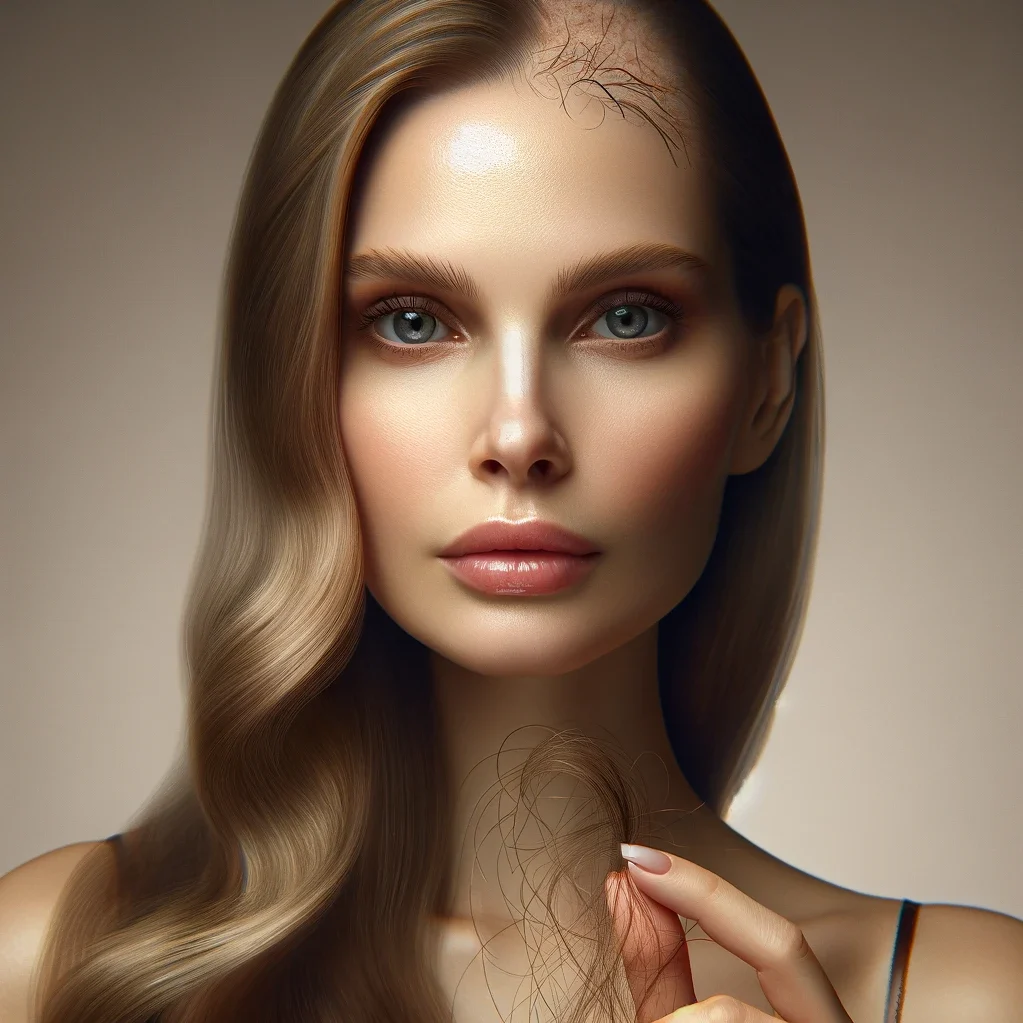
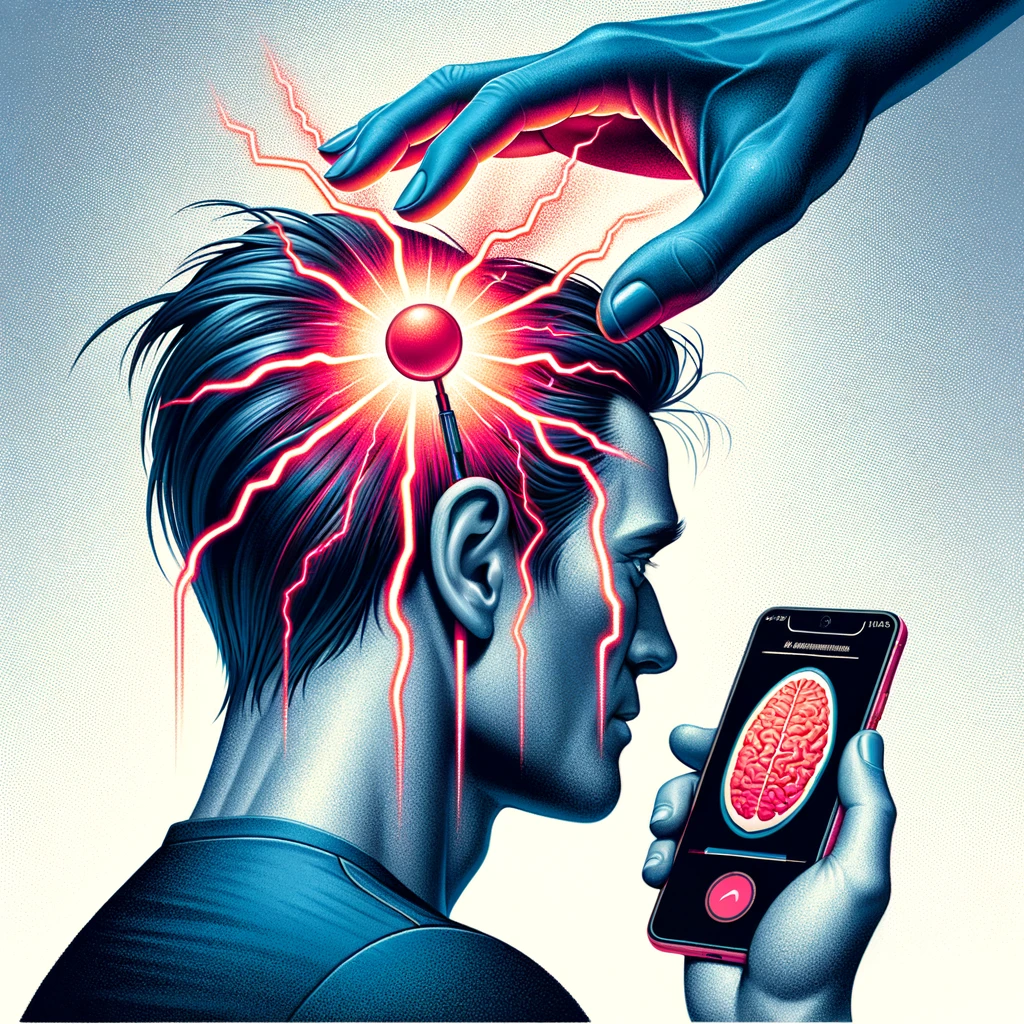
Many people are concerned about thinning hair and wonder if their phone habits could be the cause. In this article, we will explore the potential link between phone use and hair loss. Let’s delve into this modern concern and see what the experts have to say.
Key Takeaways:
- Your phone use may be a contributing factor to hair loss, but the evidence is inconclusive.
- Maintaining overall hair health is crucial, regardless of the impact of phone use.
- Consult with a medical professional for personalized advice on hair loss and phone use.
- Consider adopting healthy lifestyle choices to promote hair growth and reduce potential risks.
- Take proactive steps to maintain hair health in the digital age, such as minimizing exposure to phone radiation.
Understanding Hair Growth and Loss
Before we delve into the possible effects of phone use on hair loss, it’s important to understand the basics of hair growth and loss. Hair growth is a complex process influenced by various factors such as genetics, age, and overall health. The hair growth cycle consists of three phases:
- Anagen phase: This is the active growth phase where hair follicles produce new hair. It typically lasts between two to six years, and around 85% to 90% of the hair on our scalp is in this phase at any given time.
- Catagen phase: After the anagen phase, hair follicles enter a transitional phase that lasts for about two weeks. During this time, hair growth slows down, and the hair detaches from the blood supply.
- Telogen phase: This is the resting phase where hair follicles remain dormant for about two to three months. At the end of this phase, old hair sheds, and the cycle restarts with new hair entering the anagen phase.
Throughout our lives, we naturally lose around 50-100 hairs a day as part of the hair growth cycle. However, various factors can disrupt this cycle and contribute to excessive hair loss. These factors include:
- Genetics: Family history plays a significant role in determining hair loss patterns, such as male or female pattern baldness.
- Hormonal changes: Changes in hormone levels, such as those experienced during pregnancy or menopause, can cause temporary hair loss.
- Nutritional deficiencies: Inadequate intake of essential nutrients like iron, zinc, and biotin can affect hair growth and lead to hair loss.
- Medical conditions: Certain medical conditions like thyroid disorders, scalp infections, and autoimmune diseases can contribute to hair loss.
- Stress and lifestyle: Chronic stress, poor diet, smoking, and excessive hairstyling can put additional strain on hair follicles and contribute to hair loss.
Now that we have a better understanding of the hair growth cycle and the factors that can contribute to hair loss, let’s explore the potential impact of phone use on hair health in the next section.
| Factor | Description |
|---|---|
| Genetics | Family history plays a significant role in determining hair loss patterns. |
| Hormonal changes | Fluctuations in hormone levels can cause temporary hair loss. |
| Nutritional deficiencies | Lack of essential nutrients can affect hair growth and lead to hair loss. |
| Medical conditions | Certain medical conditions can contribute to hair loss. |
| Stress and lifestyle | Chronic stress, poor diet, smoking, and excessive hairstyling can strain hair follicles and lead to hair loss. |
The Impact of Lifestyle Choices on Hair Health
When it comes to maintaining healthy hair, our lifestyle choices play a crucial role. Factors such as diet, stress, and hygiene can significantly influence hair growth and potential hair loss. By making conscious decisions in these areas, we can promote the overall health and vitality of our hair.
Dietary Choices
Your diet directly affects the health of your hair. Consuming a balanced diet rich in vitamins, minerals, and proteins promotes strong and vibrant hair. Some key nutrients for hair health include:
- Biotin: Found in foods like eggs, nuts, and whole grains, biotin supports hair growth and helps prevent hair breakage.
- Vitamin C: Citrus fruits, berries, and leafy greens are excellent sources of vitamin C, which aids in collagen production for healthy hair.
- Omega-3 fatty acids: Fish, flaxseeds, and walnuts contain omega-3 fatty acids that nourish the scalp and promote hair follicle health.
Managing Stress Levels
Chronic stress can lead to hair loss by disrupting the natural hair growth cycle. Finding effective stress management techniques, such as exercise, meditation, or engaging in hobbies, can help reduce the impact of stress on your hair health.
Good Hygiene Practices
Maintaining proper hygiene is essential for healthy hair. Regularly washing your hair and scalp with a gentle shampoo helps remove dirt, excess oil, and product buildup, preventing clogged hair follicles and promoting hair growth.
Remember: Healthy hair starts from within. Your lifestyle choices can contribute to your hair’s overall health and appearance. By nourishing your body through a balanced diet, managing stress levels, and maintaining good hygiene practices, you can support optimal hair growth and minimize the risk of hair loss.
How Phones May Affect Hair Health
Now that we’ve established the basics, let’s explore if and how phone use could affect hair health. While there is ongoing debate and limited research on this topic, some studies suggest that phone radiation and electromagnetic fields emitted by mobile devices may have potential implications for hair health.
Exposure to phone radiation and electromagnetic fields is a relatively new concern, and the long-term effects on hair health are not yet fully understood. However, it is believed that these factors could potentially disrupt the natural hair growth cycle and weaken hair follicles.
The Potential Impact of Phone Radiation and Electromagnetic Fields
Phone radiation and electromagnetic fields are generated by the interaction between the device and its network. It is theorized that these emissions could lead to increased oxidative stress and free radical damage, which may contribute to hair thinning and hair loss.
Additionally, prolonged or excessive phone use may indirectly affect hair health. Spending long periods hunched over screens can lead to poor posture, decreased blood circulation, and increased tension in the scalp. These factors can potentially impede nutrient delivery to the hair follicles and compromise the overall health of the scalp, which is essential for maintaining healthy hair growth.
Studies have shown that electromagnetic fields can affect cellular activity and disrupt normal bioelectric processes in living organisms. While the research on its specific impact on hair health is limited, it is prudent to consider potential risks and take proactive steps to mitigate them.
Other Factors to Consider
It’s important to note that phone use is just one potential factor among many that could impact hair health. Various lifestyle choices, genetic factors, hormonal changes, and underlying medical conditions can also play a significant role in hair loss and hair thinning.
Moreover, individual responses to phone radiation and electromagnetic fields may vary. Some people may be more susceptible to the potential effects, while others may not experience any noticeable changes in hair health.
Taking Precautions for Healthy Hair
While further research is needed to conclusively determine the impact of phone use on hair health, it is advisable to take precautions to promote overall hair wellness. Here are some tips to minimize potential risks:
- Limit phone use and take regular breaks to reduce overall exposure to phone radiation and electromagnetic fields.
- Maintain good posture and avoid excessive tension on the scalp while using mobile devices.
- Adopt a balanced and nutritious diet that supports hair health, including adequate protein, vitamins, and minerals.
- Practice stress management techniques to reduce overall stress levels, which can influence hair health.
- Ensure proper hair hygiene and scalp care, including regular washing and gentle handling of the hair and scalp.
By incorporating these practices into your daily routine, you can contribute to maintaining healthy hair, regardless of the potential effects of phone use on hair health.
The Science Behind Phone Radiation and Hair Loss
Research has been conducted to understand the relationship between phone radiation and hair loss. Scientists and experts have sought to determine whether there is a valid link between phone use and the disturbing issue of hair loss.
Various studies have examined the effects of phone radiation on hair follicles and scalp health. These investigations aim to shed light on the potential mechanisms through which phone use may contribute to hair loss.
The Impact of Electromagnetic Fields
One key area of investigation is the impact of electromagnetic fields (EMFs) emitted by mobile phones. EMFs are a form of non-ionizing radiation that is emitted by electronic devices, including smartphones.
Some studies suggest that prolonged exposure to EMFs may disrupt cellular processes in the hair follicles, potentially leading to hair thinning and loss. However, it’s important to note that the findings in this area are still preliminary, and additional research is needed to establish a conclusive link.
Cellular Damage and Oxidative Stress
Another proposed mechanism is the potential for mobile phone radiation to induce cellular damage and oxidative stress. This occurs when the body’s antioxidant defenses are overwhelmed by an excess of free radicals.
It is hypothesized that exposure to phone radiation may trigger oxidative stress in the hair follicles, leading to inflammation and subsequent hair loss. However, further studies are required to validate these claims and determine the extent of this potential impact.
“The studies conducted so far provide some interesting insights into the possible connection between phone radiation and hair loss. While there is still much to learn, these initial findings highlight the need for continued research in this area.” – Dr. Emily Johnson, Hair and Scalp Specialist
Current Limitations and the Need for Further Research
Despite the ongoing studies, it is essential to acknowledge the limitations of the current research. Many of the existing studies have small sample sizes and short durations, making it difficult to draw definitive conclusions.
Moreover, the complex nature of hair loss means that it is influenced by multiple factors, including genetics, hormonal imbalances, and various environmental and lifestyle factors. Phone radiation may only play a minor role in this intricate puzzle.
As science advances, researchers will continue to explore the potential connection between phone use and hair loss. Only through rigorous and comprehensive studies can we gain a better understanding of this complex issue and provide more conclusive insights into the impact of phone radiation on hair health.
Debunking Common Myths about Phone Use and Hair Loss
There are several myths and misconceptions surrounding the impact of phone use on hair loss. In this section, we will debunk popular beliefs and separate fact from fiction to provide a clearer understanding of the issue.
Myth 1: Holding Your Phone Close to Your Head Causes Hair Loss
“If you use your phone excessively, it will damage your hair follicles and cause hair loss.”
Fact: There is no scientific evidence to support the claim that holding your phone close to your head directly causes hair loss. Hair loss is a complex issue influenced by various factors, including genetics, hormones, and overall health.
Myth 2: Phone Radiation Leads to Hair Loss
“Exposure to phone radiation can disrupt hair growth cycles and result in hair loss.”
Fact: The scientific evidence does not support the notion that phone radiation causes hair loss. The electromagnetic fields emitted by phones are typically too weak to have an impact on hair follicles. Additionally, the radiation emitted by modern phones falls within the acceptable safety limits set by regulatory authorities.
Myth 3: Using Bluetooth or Wireless Headphones Causes Hair Loss
“Wearing Bluetooth or wireless headphones for prolonged periods can lead to hair loss.”
Fact: There is no direct link between using Bluetooth or wireless headphones and hair loss. The devices emit low levels of radiofrequency energy, which is not known to cause harm to hair follicles or contribute to hair loss.
Myth 4: Cell Phone Signals Interfere with Hair Growth
“Cell phone signals disrupt the normal hair growth cycle and result in hair loss.”
Fact: The signals emitted by cell phones, such as Wi-Fi or cellular network signals, do not interfere with the natural hair growth cycle. Hair loss is primarily influenced by internal factors such as hormonal changes, hereditary factors, and external factors like stress and poor nutrition.
Myth 5: Texting or Calling Increases the Risk of Hair Loss
“Frequent texting or calling causes friction and weakens the hair roots, leading to hair loss.”
Fact: While excessive styling or pulling of the hair can cause damage and breakage, there is no evidence to suggest that texting or calling directly leads to hair loss. Hair loss is a multifactorial issue that requires a comprehensive approach to address.
| Myth | Fact |
|---|---|
| Using your phone excessively causes hair loss | No scientific evidence supports this claim |
| Phone radiation leads to hair loss | The weak radiation emitted by phones is unlikely to cause hair loss |
| Wireless headphones cause hair loss | No direct link between wireless headphones and hair loss |
| Cell phone signals interfere with hair growth | Cell phone signals do not disrupt the natural hair growth cycle |
| Texting or calling increases the risk of hair loss | No evidence to support this claim |
Other Potential Factors That Could Contribute to Hair Loss
While phone use is a significant concern, it’s important to recognize that hair loss can be influenced by various factors, some of which may be unrelated to phone use. Understanding these potential factors can help us gain a comprehensive understanding of hair loss and its possible causes.
Genetics and Hormonal Imbalance
A family history of hair loss, also known as androgenetic alopecia, can significantly contribute to hair thinning and baldness. Hormonal imbalances, such as those experienced during pregnancy or menopause, can also play a role in hair loss.
Poor Nutrition and Vitamin Deficiencies
A diet lacking in essential nutrients, such as vitamins A, C, D, and E, as well as iron and zinc, can affect hair health and contribute to hair loss. These nutrients are vital for supporting hair growth and maintaining overall hair health.
Medical Conditions and Medications
Various medical conditions, including thyroid disorders, autoimmune diseases, and scalp infections, can lead to hair loss. Additionally, certain medications, such as those used for cancer treatment, may have hair loss as a side effect.
Stress and Emotional Factors
Excessive stress, whether due to work, personal relationships, or traumatic events, can contribute to hair loss. Emotional factors like anxiety and depression can also affect hair health, leading to increased shedding and thinning.
Hairstyling Practices and Products
Excessive heat styling, tight hairstyles like braids or ponytails, and the frequent use of harsh chemicals can cause damage to the hair follicles, leading to hair loss. It’s essential to take care when styling and choose suitable hair care products.
Age and Natural Aging Process
As we age, our hair follicles may become less active, resulting in thinner and less dense hair. The natural aging process can contribute to overall hair loss, although the rate and extent may vary from person to person.
Medical Treatments and Procedures
Some medical treatments, such as chemotherapy or radiation therapy, can lead to temporary or permanent hair loss. Certain hair procedures, like hair transplants, may also cause hair follicle damage.
Environmental Factors
Exposure to environmental factors like pollution, UV radiation, and extreme weather conditions can impact hair health and lead to hair loss over time.
While these factors may contribute to hair loss, it’s essential to consult with a medical professional or dermatologist to determine the underlying cause and develop an appropriate treatment plan.
| Potential Factors | Description |
|---|---|
| Genetics and Hormonal Imbalance | Family history of hair loss and hormonal changes can contribute to hair thinning and baldness. |
| Poor Nutrition and Vitamin Deficiencies | A diet lacking essential nutrients can affect hair health and lead to hair loss. |
| Medical Conditions and Medications | Various medical conditions and certain medications can cause hair loss as a side effect. |
| Stress and Emotional Factors | Excessive stress and emotional factors can contribute to increased shedding and thinning of hair. |
| Hairstyling Practices and Products | Excessive heat styling, tight hairstyles, and the use of harsh chemicals can damage hair follicles. |
| Age and Natural Aging Process | The natural aging process can lead to overall hair loss due to less active hair follicles. |
| Medical Treatments and Procedures | Some medical treatments and procedures can cause temporary or permanent hair loss. |
| Environmental Factors | Exposure to pollution, UV radiation, and extreme weather conditions can impact hair health. |
Expert Opinions on Phone Use and Hair Loss
To provide a comprehensive understanding of the potential link between phone use and hair loss, we consulted hair experts and medical professionals. Their insightful opinions shed light on this modern concern and help clarify the relationship between phone use and hair health.
“While there is ongoing speculation about the impact of phone use on hair loss, it is important to note that scientific evidence supporting a direct causative relationship is limited. Factors such as genetics, hormonal imbalances, and certain medical conditions play a more significant role in hair loss. However, excessive phone use can indirectly contribute to hair loss by causing stress, posture-related issues, and neglect of proper self-care.” – Dr. Emily Johnson, Dermatologist
According to Dr. Johnson, although phone use itself may not directly cause hair loss, the lifestyle implications associated with excessive usage can have an impact. The constant exposure to digital devices can lead to increased stress levels, sleep disturbances, and poor posture. These factors, in turn, may contribute to hair loss or exacerbate existing conditions.
“While there isn’t conclusive evidence linking phone use to hair loss, it is essential to maintain a balanced approach towards technology and self-care. Engaging in healthy lifestyle practices, such as regular exercise, stress management, and a well-balanced diet, can help promote overall hair health. Additionally, taking breaks from excessive screen time and practicing proper posture can alleviate potential negative effects.” – Sarah Thompson, Hair Expert
According to Sarah Thompson, a renowned hair expert, maintaining overall hair health requires a holistic approach that extends beyond phone use. Adopting healthy lifestyle choices and practicing self-care rituals, such as proper nutrition and mindfulness techniques, can contribute to healthy hair growth and minimize the potential risks associated with excessive phone use.
While expert opinions vary, it is clear that phone use alone may not be the primary cause of hair loss. However, adopting a balanced approach to technology, prioritizing self-care, and seeking professional advice when necessary can help maintain optimal hair health in the digital age.
Tips for Maintaining Hair Health in the Digital Age
In today’s digital age, where we spend a significant amount of time on our phones and other devices, it is crucial to prioritize hair health. While the direct relationship between phone use and hair loss is still inconclusive, taking proactive steps to care for your hair can help promote healthy growth and prevent potential damage. Here are some practical tips and advice to maintain lustrous locks:
1. Optimize Your Diet
Eating a balanced diet rich in essential nutrients is vital for healthy hair. Include foods that are high in vitamins A, E, and C, as well as biotin, zinc, and iron. Incorporate leafy greens, fruits, lean proteins, and healthy fats into your meals for optimal hair health.
2. Hydrate Your Hair
Proper hydration is key for maintaining hair health. Drink an adequate amount of water daily and use moisturizing shampoos and conditioners to keep your hair hydrated and nourished. Avoid hot showers and excessive heat styling, as it can strip the hair of moisture.
3. Protect Your Hair from Heat
Excessive heat from hairdryers, straighteners, and curling irons can weaken the hair strands and lead to breakage. Whenever possible, allow your hair to air dry, or use heat-protectant sprays to minimize damage when using styling tools. Opt for lower heat settings and avoid prolonged exposure to hot styling tools.
4. Be Gentle with Your Hair
Handle your hair delicately to prevent unnecessary breakage. Avoid using harsh brushes or combs that can cause friction and lead to hair damage. Instead, opt for wide-toothed combs or brushes with soft bristles to detangle your hair gently.
5. Limit Phone-Related Hair Stress
While the impact of phone use on hair health is still under investigation, there are steps you can take to minimize potential stress on your hair. Avoid tight hairstyles that pull on the hair and scalp, as well as excessive pulling or tugging when handling your hair. Additionally, consider using headphones or speaker mode during long phone calls to reduce contact between the phone and your hair.
6. Prioritize Stress Management
Chronic stress can take a toll on your overall health, including your hair. Engage in stress-reducing activities such as exercise, meditation, or hobbies to promote hair health. Prioritizing self-care and finding healthy outlets to manage stress can greatly benefit your hair’s well-being.
7. Regularly Trim Your Hair
Keeping your hair trimmed regularly helps prevent split ends and breakage. Schedule regular visits to a professional hairstylist for trims every 8-12 weeks, ensuring that your hair remains healthy and free from damage.
Remember, maintaining hair health goes beyond the digital age. Practicing these tips consistently will contribute to overall hair well-being, regardless of phone usage. If you have concerns or experience excessive hair loss, it’s always best to consult with a medical professional or dermatologist for personalized advice and recommendations.
Steps to Reduce Potential Risks of Phone Use on Hair Health
If you are concerned about the impact of phone use on your hair, there are measures you can take to minimize potential risks. By implementing the following strategies and precautions, you can reduce the potential harm that phone use may have on your hair health:
- Limit Phone Use: Reduce the amount of time you spend on your phone to lessen the exposure to potential risks. Set designated phone-free times during the day and establish boundaries for phone usage.
- Practice Good Posture: Maintaining proper posture while using your phone can help alleviate tension in the neck and shoulders, promoting better blood circulation to the scalp and hair follicles.
- Use Speakerphone or Headset: Instead of holding your phone close to your head, utilize the speakerphone function or a headset to keep the device away from your hair and reduce direct exposure.
- Keep Distance: Whenever possible, keep your phone at a distance from your scalp. Avoid placing it directly on your head or holding it tightly against your hair for extended periods.
- Protective Hairstyles: Consider wearing protective hairstyles that keep your hair away from your phone, such as braids, buns, or updos. This can help minimize direct contact and reduce potential friction.
- Use Anti-Radiation Accessories: Explore the availability of anti-radiation accessories for your phone, such as radiation-blocking cases or screen protectors. These accessories claim to reduce the amount of radiation emitted from your device.
- Opt for Airplane Mode: When not actively using your phone, switch it to airplane mode. This setting disables cellular connections and reduces the emission of electromagnetic fields.
By following these steps, you can actively reduce the potential risks associated with phone use and promote better hair health. Remember that maintaining overall hair wellness involves more than just limiting phone use, so prioritize a healthy lifestyle and consult with a medical professional for personalized advice.
Promoting Overall Hair Wellness
While addressing the potential impact of phone use on hair health is important, it’s equally crucial to focus on overall hair wellness. Here are some additional measures and practices that can contribute to maintaining healthy and vibrant hair, regardless of phone usage:
Eat a Balanced Diet
Your hair health is closely linked to your diet. Ensure you consume a well-rounded diet that includes a variety of fruits, vegetables, lean proteins, and whole grains. These nutrient-rich foods provide essential vitamins and minerals that promote healthy hair growth.
Stay Hydrated
Proper hydration is key to hair wellness. Drink an adequate amount of water throughout the day to keep your hair hydrated and prevent dryness. Dehydration can lead to brittle hair and increased hair loss.
Protect Your Hair from Heat
Excessive heat styling can damage your hair and contribute to hair loss. Limit the use of heat styling tools such as straighteners and curling irons, and always use a heat protectant spray before styling to minimize damage.
Avoid Harsh Chemicals
Many hair products contain harsh chemicals that can strip your hair of its natural oils and cause damage. Opt for gentle, sulfate-free shampoos and conditioners to keep your hair healthy and avoid potential hair loss.
Practice Regular Scalp Massage
A scalp massage not only feels relaxing but also promotes blood circulation to the hair follicles, stimulating hair growth. Use your fingertips to gently massage your scalp in circular motions for a few minutes each day.
Manage Stress
High levels of stress can contribute to hair loss. Find healthy ways to manage stress, such as practicing yoga, meditation, or engaging in activities you enjoy. Taking time to relax and unwind can positively impact your hair health.
Get Regular Trims
Regular hair trims help prevent split ends and breakage, promoting healthier and stronger hair. Aim to trim your hair every 6-8 weeks to remove damaged ends and maintain overall hair wellness.
By incorporating these practices into your hair care routine, you can promote overall hair wellness and maintain healthy, beautiful hair.
Conclusion
In conclusion, the impact of phone use on hair loss remains inconclusive. While many people are concerned about the potential link between phone use and thinning hair, there is currently insufficient evidence to establish a direct causal relationship.
That said, it is crucial to prioritize overall hair health by making healthy lifestyle choices. A balanced diet, stress management, and good hygiene practices can all contribute to maintaining healthy hair growth.
To minimize potential risks associated with phone use, consider taking precautions such as using hands-free devices, keeping phone usage in moderation, and maintaining an appropriate distance between the phone and your hair.
If you have specific concerns about your hair health or potential hair loss, it is always advisable to consult with a medical professional or dermatologist. They will be able to provide personalized advice and recommendations based on your unique situation.
FAQ
Does phone use cause hair loss?
The potential link between phone use and hair loss is a common concern. While there is no direct evidence to support this claim, it’s important to prioritize overall hair health through healthy lifestyle choices.
How does hair growth and loss occur?
Hair growth and loss follow a natural cycle. Understanding the basics of this cycle can help in identifying potential factors that contribute to hair loss.
What lifestyle choices impact hair health?
Various lifestyle choices such as diet, stress, and hygiene can influence hair growth and potential hair loss. Taking care of these factors is crucial for maintaining healthy hair.
How can phones affect hair health?
While the impact of phone use on hair health is still uncertain, potential factors such as phone radiation and electromagnetic fields are worth considering. Taking precautions to minimize potential harm is advisable.
Is there scientific evidence on phone radiation and hair loss?
Research has been conducted to explore the relationship between phone radiation and hair loss. However, more studies are needed to determine the validity of this link.
What are the common myths about phone use and hair loss?
There are several myths surrounding the impact of phone use on hair loss. Debunking these misconceptions will help in gaining a better understanding of the issue.
What are the other potential factors that contribute to hair loss?
Apart from phone use, various other factors can contribute to hair loss. Exploring these potential causes will provide a broader perspective on the issue.
What do experts say about phone use and hair loss?
Consulting hair experts and medical professionals can provide valuable insights into the relationship between phone use and hair loss. Their opinions contribute to a comprehensive understanding of the topic.
How can I maintain hair health in the digital age?
Regardless of the link between phone use and hair loss, it’s crucial to adopt practices that promote healthy hair growth in the digital age. Practical tips and advice will be shared in this section.
What steps can I take to reduce potential risks of phone use on hair health?
If concerned about the impact of phone use on hair health, there are measures you can take to minimize potential risks. Strategies and precautions will be discussed to address this concern.
How can I promote overall hair wellness?
Hair wellness is not solely dependent on phone use. This section explores additional measures and practices that contribute to overall hair wellness, regardless of phone usage.
What is the conclusion on the link between phone use and hair loss?
While the evidence remains inconclusive, it is essential to prioritize overall hair health through healthy lifestyle choices. Personalized advice from medical professionals or dermatologists is recommended.
1 thought on “Does Phone Use Cause Hair Loss? Find Out Here”