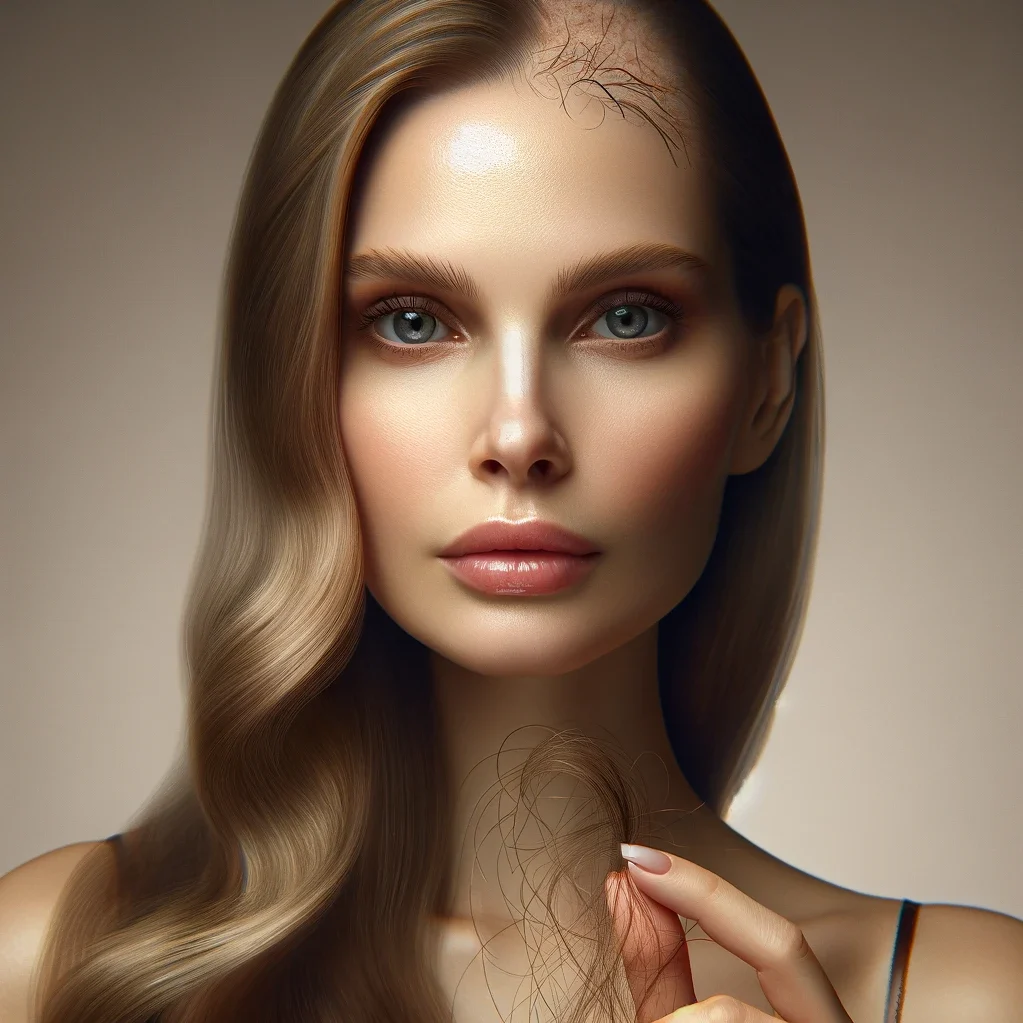
Hair loss can be a concerning issue for women, especially when it occurs at a young age. Female pattern baldness in your 20s is a condition that affects many young women and can lead to thinning hair, bald spots, and premature hair loss. There are various causes of female pattern baldness, including androgenetic alopecia, telogen effluvium, and non-pattern hair loss. Understanding the potential causes and treatment options for managing hair loss in your 20s is crucial for finding effective solutions.
Key Takeaways:
- Female pattern baldness in your 20s can cause thinning hair, bald spots, and premature hair loss.
- Causes of female pattern baldness include androgenetic alopecia, telogen effluvium, and non-pattern hair loss.
- Treatment options for managing hair loss in your 20s include low-level laser therapy, platelet-rich plasma therapy, and scalp micropigmentation.
- Differentiate between thinning hair and a receding hairline to understand the specific hair loss patterns in your 20s.
- Preventing hair loss in your 20s can be achieved through a balanced diet, stress reduction, gentle hair styling, and proper scalp care.
Causes of Hair Loss in Your 20s
Hair loss can be a distressing experience for women in their 20s. Understanding the causes of hair loss is essential for finding effective solutions. In this section, we will explore the main causes of hair loss in your 20s, including female pattern baldness, androgenetic alopecia, telogen effluvium, non-pattern hair loss, hormonal changes, stress, genetics, autoimmune diseases, medication use, and poor diet.
Androgenetic Alopecia
One of the primary causes of hair loss in women is androgenetic alopecia, a hereditary condition that results in sensitivity to male hormones. This sensitivity causes hair follicles to shrink, leading to thinning hair over time.
Telogen Effluvium
Telogen effluvium is another common cause of hair loss in your 20s. It occurs when there is a disruption in the hair growth cycle, causing more hair to enter the resting (telogen) phase and eventually fall out. Factors such as stress, hormonal changes, and medication use can trigger telogen effluvium.
Non-Pattern Hair Loss
Non-pattern hair loss encompasses various types of hair loss caused by underlying diseases and conditions. Autoimmune diseases, such as lupus or alopecia areata, can lead to hair loss. Thyroid disorders and other hormonal imbalances can also contribute to non-pattern hair loss in women during their 20s.
Other Factors
Several other factors can contribute to hair loss in your 20s, including genetics, where a family history of hair loss increases the risk. Hormonal changes, such as those experienced during pregnancy or menopause, can also trigger hair loss. Additionally, high levels of stress, certain medications, and a poor diet lacking essential nutrients can further exacerbate hair loss.
Understanding the causes of hair loss in your 20s is the first step towards finding appropriate treatment options and implementing preventive measures. In the next section, we will explore the available treatment options for female pattern hair loss.
Female Pattern Hair Loss Treatment Options
When it comes to managing female pattern hair loss, there are several treatment options available. These options aim to stimulate hair growth, improve hair density, and restore confidence. Let’s explore some of the most effective treatments:
1. Low-Level Laser Therapy
Low-level laser therapy (LLLT) is a non-invasive treatment that utilizes special light to stimulate hair follicles. It promotes hair growth by increasing blood flow to the scalp and enhancing cellular activity. LLLT devices, such as laser combs or helmets, emit red or near-infrared light that penetrates the scalp. This treatment option is safe, painless, and can be used at home with regular sessions to achieve optimal results.
2. Platelet-Rich Plasma Therapy
Platelet-rich plasma (PRP) therapy involves injecting concentrated platelets from the patient’s own blood into the scalp. These platelets contain growth factors that stimulate hair follicles and promote new hair growth. The procedure begins with drawing a small amount of blood, which is then processed to separate the platelet-rich plasma. The PRP is then carefully injected into the scalp, targeting the areas of thinning or baldness. PRP therapy is a safe and natural treatment option that can be used alone or in combination with other treatments for enhanced results.
3. Scalp Micropigmentation
Scalp micropigmentation (SMP) is a cosmetic procedure that creates the appearance of a full head of hair by tattooing tiny dots on the scalp. It is an effective solution for those who prefer a non-surgical and low-maintenance approach to address hair loss. The procedure involves applying specially formulated pigments to the scalp, mimicking the appearance of hair follicles. SMP can provide the illusion of a full head of hair, camouflage thinning areas, or recreate a natural hairline. It is a long-lasting solution that requires minimal maintenance and can boost self-confidence.
4. Hair Transplants
In cases of more severe hair loss, hair transplants may be a suitable option. This surgical procedure involves removing hair follicles from donor areas, typically the back or sides of the scalp, and transplanting them into the areas with thinning or no hair. Hair transplants provide a permanent solution and can result in natural-looking hair growth. The procedure requires careful planning and skilled execution by a qualified hair transplant surgeon.
To determine the most suitable treatment option, it is essential to consult with a hair loss specialist or dermatologist. They will assess the extent of hair loss, overall health, and personal preferences to create a tailored treatment plan.
Remember, early intervention and timely treatment can yield better outcomes. Don’t hesitate to explore these treatment options and regain your confidence with a fuller, healthier head of hair.
Thinning vs Receding Hairline – Understanding the Difference
When it comes to hair loss, it’s essential to distinguish between thinning hair and a receding hairline. Thin hair refers to a decrease in the diameter of individual hair strands, resulting in reduced density and fullness. Thinning hair can occur throughout the scalp and may be caused by various factors such as genetics, hormonal changes, and nutritional deficiencies. On the other hand, a receding hairline is characterized by hair loss specifically at the front of the scalp, usually along the hairline.
While a receding hairline is commonly associated with male pattern baldness, it can also occur in women. Female pattern baldness typically involves thinning or shedding of hair on the top or crown of the head, rather than a receding hairline. Understanding the distinctions between these hair loss patterns can help identify the underlying causes and determine appropriate treatment options.
Thinning hair and a receding hairline may have different causes and require different approaches for treatment. It is vital to consult with a healthcare professional or a dermatologist to accurately diagnose the cause of your hair loss and obtain appropriate guidance. They can help determine whether your hair loss is due to thinning or a receding hairline and recommend suitable treatment options.
If you are experiencing thinning hair or a receding hairline, remember that you are not alone. Many effective treatments and solutions are available to address hair loss patterns, whether they are due to female pattern baldness or male pattern baldness. With the right guidance and care, you can regain confidence and achieve healthy, fuller-looking hair.

Distinctions between Thinning Hair and a Receding Hairline
Thinning Hair:
- Reduction in hair strand diameter
- Decreased density and fullness
- Occurs throughout the scalp
- Causes may include genetics, hormonal changes, and nutritional deficiencies
Receding Hairline:
- Hair loss specifically at the front of the scalp
- Typically along the hairline
- More commonly associated with male pattern baldness
- Can also affect women
Hair Shedding vs Hair Thinning in Your 20s
Differentiating between hair shedding and hair thinning is essential in understanding hair loss conditions in your 20s. Hair shedding is a natural process that occurs when hair reaches the end of its growth cycle and falls out. On average, we lose around 50 to 100 hair strands daily, which is considered normal.
However, hair thinning refers to a reduction in the diameter of individual hair strands, resulting in less density and fullness. This can be a cause for concern when noticeable hair loss or a receding hairline becomes evident. Excessive hair loss or a decrease in hair density could indicate hair thinning or other underlying conditions.
Consulting a healthcare professional or dermatologist can help determine the underlying cause of hair shedding or hair thinning. They can provide appropriate treatment options based on your specific situation and recommend ways to improve hair density and address a receding hairline if necessary.
| Hair Shedding | Hair Thinning | |
|---|---|---|
| Definition | The natural process of hair reaching the end of its growth cycle and falling out. | Reduction in the diameter of individual hair strands, resulting in less density and fullness. |
| Cause | Natural hair growth cycle | Various factors, including genetics, hormonal changes, and nutritional deficiencies. |
| Normal or concerning? | Normal; lose around 50 to 100 strands daily. | Concerning when excessive or leads to noticeable hair loss and decreased hair density. |
| Treatment | N/A | Depends on the underlying cause; can range from lifestyle changes to medical interventions. |
| Key Features | N/A | Decreased hair density, noticeable hair loss, receding hairline. |
Understanding the distinction between hair shedding and hair thinning can help you identify when it’s necessary to seek professional advice. Monitoring your hair density, being aware of noticeable hair loss, and paying attention to whether a receding hairline is present can provide valuable insights into your hair health. Remember, early intervention is often key to effectively managing hair loss conditions.
Can Hair Grow Back After Thinning?
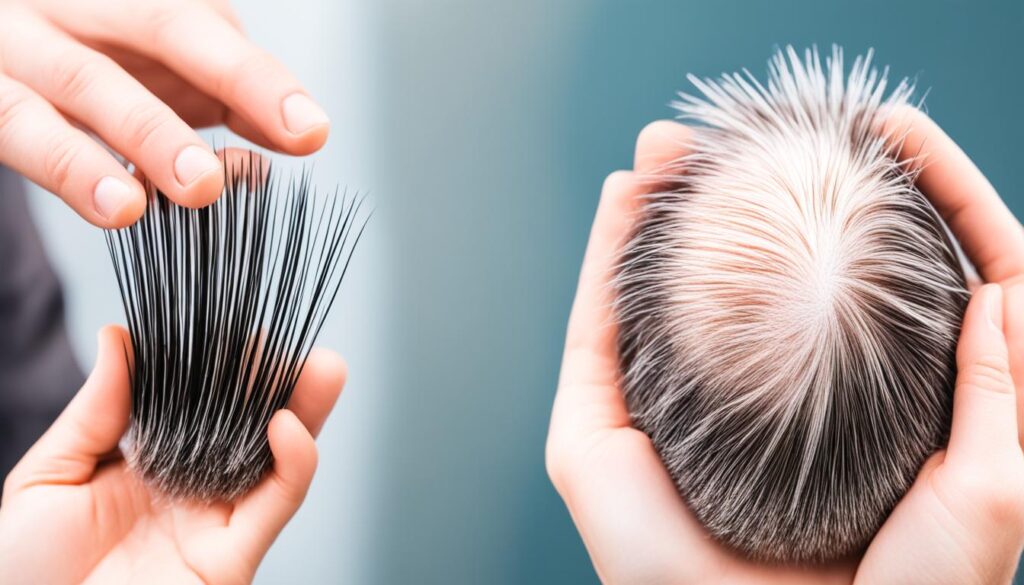
Whether or not hair can grow back after thinning depends on various factors, including the extent of hair loss and the overall health of the scalp and hair follicles. If hair thinning is primarily caused by factors like stress, hormonal changes, and nutritional deficiencies, hair may *grow back on its own* once these causes are addressed. However, if hair loss is due to genetics or medical conditions, regrowth may be more challenging and not as extensive. It’s important to note that regrowing hair after thinning takes time, and the results may not be immediate or as thick as before. *Maintaining scalp health* and addressing any underlying causes can promote healthier hair growth.
Tips for Preventing Hair Loss in Your 20s
There are several steps you can take to help prevent or slow down hair loss in your 20s. Here are some tips to consider:
- Maintain a Balanced Diet: Eating a balanced diet is essential for promoting healthy hair growth. Include foods rich in biotin, vitamin D, and iron, such as eggs, spinach, salmon, and nuts, in your daily meals.
- Reduce Stress: High levels of stress can contribute to hair loss, so it’s important to find ways to manage and reduce stress in your life. Try relaxation techniques like yoga, meditation, or deep breathing exercises to help alleviate stress.
- Gentle Hair Styling: Avoid harsh hair styling practices that can damage your hair follicles. Limit the use of heat styling tools and opt for gentle hairstyles that don’t pull or strain your hair, such as loose braids or low ponytails.
- Care for your Scalp: Keeping your scalp clean and moisturized is essential for healthy hair growth. Use a gentle shampoo to wash your hair regularly and follow up with a conditioner to keep your hair well-hydrated.
By following these tips, you can create a hair care routine that promotes hair health and helps prevent hair loss in your 20s.
Consulting with healthcare professionals or dermatologists can provide further guidance on preventing hair loss and maintaining healthy hair in your 20s.
Conclusion
Experiencing hair loss in your 20s, especially female pattern baldness, can be a distressing journey. However, by understanding the causes and available treatment options, you can effectively manage this condition and regain confidence. It is essential to address any underlying health issues and explore treatment options such as low-level laser therapy and platelet-rich plasma therapy. These treatments have shown promising results in promoting hair growth.
Furthermore, taking preventive measures is crucial to prevent further hair loss. Maintaining a balanced diet, rich in essential nutrients, can nourish your hair follicles from within. Reducing stress levels through relaxation techniques and adopting gentle hair styling practices can also contribute to preventing hair loss in your 20s. Remember, consulting with healthcare professionals can provide you with personalized guidance and support throughout your hair loss journey.
You are not alone in facing hair loss at a young age, and there are dedicated solutions available to help you manage and overcome this challenging experience. Together, we can navigate this journey and ensure that your hair remains healthy and beautiful.
FAQ
What is female pattern baldness?
Female pattern baldness is a condition that causes hair loss in women, particularly in their 20s. It can result in thinning hair, bald spots, and premature hair loss.
What are the causes of hair loss in your 20s?
The causes of hair loss in your 20s can include androgenetic alopecia, telogen effluvium, non-pattern hair loss, hormonal changes, stress, genetics, autoimmune diseases, medication use, and poor diet.
What are the treatment options for female pattern hair loss?
Treatment options for female pattern hair loss include low-level laser therapy, platelet-rich plasma therapy, scalp micropigmentation, and hair transplants.
What is the difference between thinning and a receding hairline?
Thinning hair refers to a reduction in hair strand diameter, while a receding hairline is characterized by hair loss at the front of the scalp along the hairline.
What is the difference between hair shedding and hair thinning?
Hair shedding is a natural process where hair falls out at the end of its growth cycle, while hair thinning refers to a reduction in hair strand diameter and density.
Can hair grow back after thinning?
Whether or not hair can grow back after thinning depends on factors such as the extent of hair loss and the overall health of the scalp and hair follicles.
How can I prevent hair loss in my 20s?
You can prevent hair loss in your 20s by maintaining a balanced diet, reducing stress levels, practicing gentle hair styling techniques, and taking care of your scalp.
What should I do if I’m experiencing hair loss in my 20s?
If you’re experiencing hair loss in your 20s, it’s best to consult with a healthcare professional or dermatologist who can provide personalized guidance and treatment options.
Are there effective treatments available for managing hair loss in your 20s?
Yes, there are various treatment options available for managing hair loss in your 20s. Consulting with a hair loss specialist can help determine the most suitable treatment option for your individual needs.
Can I regain the same thickness of hair after hair loss?
Regrowing the same thickness of hair after hair loss may not always be possible, but maintaining scalp health and addressing any underlying causes can promote healthier hair growth.
Are there any lifestyle changes I can make to promote hair growth?
Yes, you can make lifestyle changes such as maintaining a balanced diet, reducing stress levels, practicing gentle hair styling techniques, and taking care of your scalp to promote hair growth.
1 thought on “Understanding Female Pattern Baldness in Your 20s”