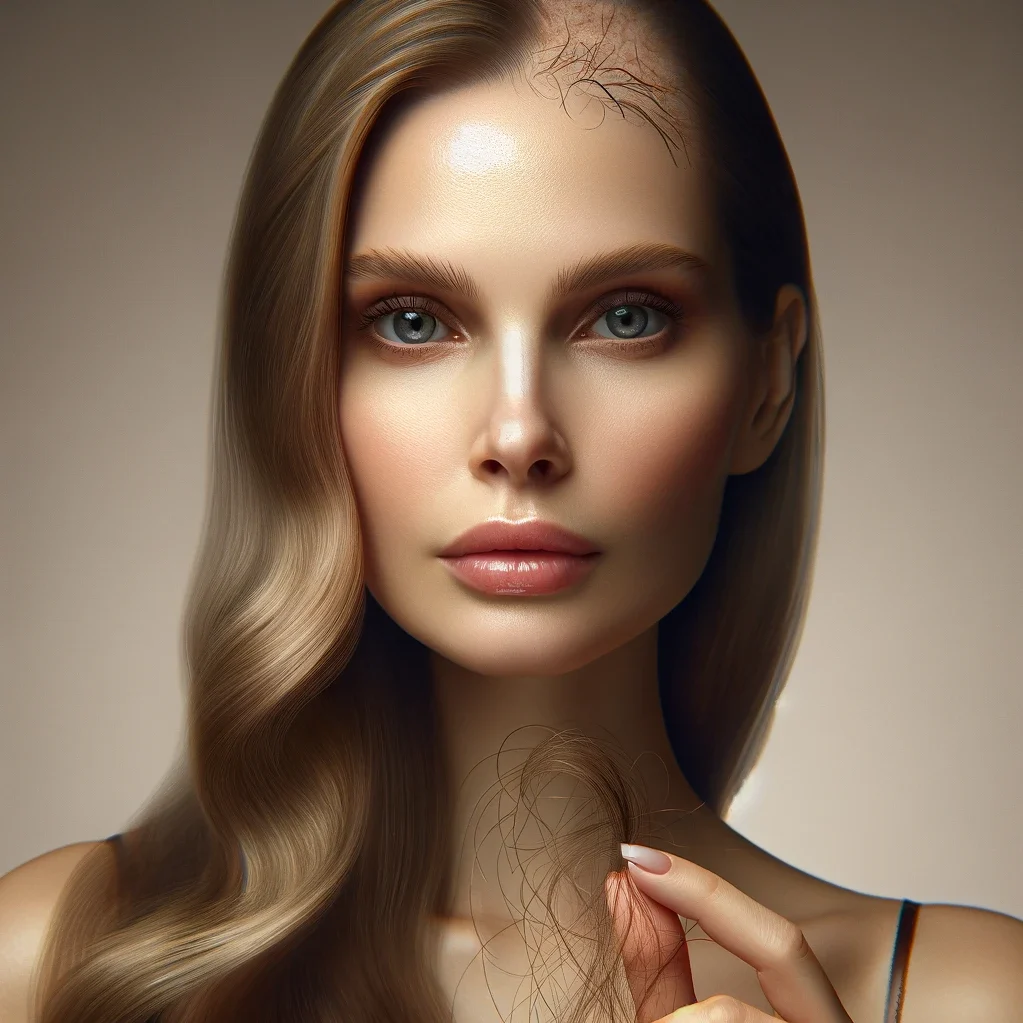
Female pattern baldness, also known as female pattern alopecia, is the most common type of hair loss in women. It occurs when the hair follicles shrink over time, resulting in shorter and finer hair. The exact cause of female pattern baldness is not well understood but may be related to aging, hormonal changes, family history, and certain medications. Hair thinning in female pattern baldness is different from that in men, with hair mainly thinning on the top and crown of the scalp, starting with a widening through the center hair part, resembling a Christmas tree pattern. The front hairline usually remains unaffected. Female pattern baldness is usually diagnosed based on the appearance and pattern of hair loss, ruling out other causes, and a medical history. Hair loss in this condition is usually permanent, but there are treatment options available to slow down or stop the progression of hair loss.
Key Takeaways:
- Female pattern baldness is the most common type of hair loss in women.
- It is characterized by hair thinning on the top and crown of the scalp, with a widening through the center hair part.
- The exact cause of female pattern baldness is not fully understood but may be related to aging, hormonal changes, family history, and medications.
- Diagnosis is based on the appearance and pattern of hair loss, ruling out other causes, and a medical history.
- Treatment options are available to slow down or stop the progression of hair loss in female pattern baldness.
Causes and Risk Factors of Female Pattern Baldness
The exact cause of female pattern baldness alopecia, also known as female androgenic alopecia, is still not fully understood. However, it is believed to be influenced by various factors, including hormonal changes, genetic predisposition, and the aging process.
Hormonal changes, specifically alterations in androgen levels, play a significant role in the development of female pattern baldness. Androgens are hormones that can stimulate male features, and imbalances or fluctuations in their levels can contribute to hair loss in women.
“Changes in hormone levels, particularly androgens, may contribute to female pattern baldness.”
In addition to hormonal factors, genetic predisposition is another key risk factor. A family history of male or female pattern baldness can increase a woman’s likelihood of experiencing hair loss.
Other potential contributors to female pattern baldness include heavy blood loss during menstrual periods and certain medications. For example, contraceptive pills containing estrogen may impact hair growth and contribute to hair thinning.
It is important to note that female pattern baldness is distinct from other forms of hair loss, such as telogen effluvium or alopecia areata. Each type of hair loss has its own set of causes and characteristics, requiring different treatment approaches.
Diagnosis and Treatment of Female Pattern Baldness
Diagnosing female pattern baldness involves a thorough assessment to rule out other potential causes of hair loss, such as thyroid disease or iron deficiency. Additionally, the appearance and pattern of hair loss are carefully examined. To further aid in diagnosis, the healthcare provider will consider the patient’s medical history and may perform tests such as a scalp biopsy or blood tests to identify any underlying skin disorders or hormonal imbalances.
To effectively address female pattern baldness, the primary objective of treatment is to slow down or halt the progression of hair loss. Multiple interventions and medications can be utilized to achieve this goal. The only FDA-approved medication for female pattern baldness is minoxidil, which is topically applied to the scalp. This medication promotes hair growth and is available over-the-counter.
Other medications may also be prescribed for female pattern baldness, including:
- Spironolactone: Typically used as a diuretic, spironolactone can help block the effects of androgens, which are hormones associated with male characteristics.
- Cimetidine: Originally used to treat gastric ulcers, cimetidine has been found to have anti-androgenic effects and may help slow down hair loss in women.
- Birth control pills: Certain oral contraceptives containing anti-androgenic properties can be effective in treating female pattern baldness.
In cases where medication alone may not be sufficient, alternative treatment options can be considered. These include hair transplants, hair weaving, or the use of hairpieces. These solutions can help improve the aesthetic appearance and boost confidence in women experiencing hair loss.
| Treatment Options for Female Pattern Baldness | Benefits | Considerations |
|---|---|---|
| Minoxidil (topical application) | Promotes hair growth, easily accessible | Regular application required for optimal results |
| Spironolactone | Blocks effects of androgens, potentially slows down hair loss | May cause side effects, such as dizziness and breast tenderness |
| Cimetidine | Has anti-androgenic effects, potential hair loss reduction | Not specifically approved for hair loss treatment |
| Birth control pills | May reduce hair loss, regulate hormonal imbalances | Consultation with a healthcare provider required, potential side effects |
| Hair transplant | Offers a permanent solution, restores natural hair growth | Expensive, requires surgical procedure |
| Hair weaving and hairpieces | Non-invasive, instantly improves appearance | Temporary solution, regular maintenance required |

Impact on Women and Psychological Effects
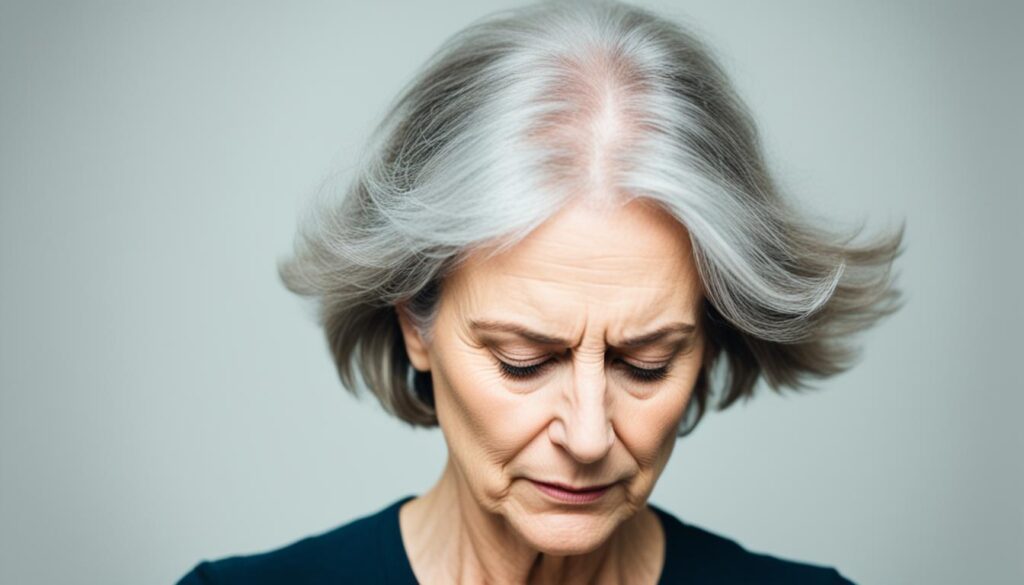
Female pattern baldness can have a significant impact on women’s self-esteem and emotional well-being. Hair loss is not just a physical change; it can also cause psychological distress, leading to anxiety, depression, and social embarrassment. Women experiencing female pattern baldness often feel self-conscious about their appearance and may struggle with a decrease in confidence and overall quality of life.
It is essential for healthcare providers to recognize the psychological effects of female pattern baldness and offer support and counseling to women affected by this condition. By addressing the emotional impact, healthcare professionals can provide valuable guidance and help women navigate the challenges associated with hair loss.
Moreover, providing information about available treatment options and coping strategies is crucial in assisting women in managing the psychological impact of hair loss. Educating women about remedies and solutions for female pattern baldness allows them to make informed decisions regarding their hair health and regain a sense of control over their appearance.
Conclusion
Female pattern baldness, also known as female pattern alopecia, is the most common type of hair loss in women. While the exact cause is not fully understood, factors such as hormonal changes, genetic predisposition, and aging are believed to contribute to its development. Diagnosis is typically determined by evaluating the appearance and pattern of hair loss, ruling out other potential causes, and considering the medical history of the individual.
Fortunately, there are various treatment options available to address female pattern baldness and prevent further hair loss. Medications like minoxidil can help slow down or stop the progression of hair loss. In some cases, more extensive interventions like hair transplant may be considered. It is crucial for healthcare providers to recognize the emotional impact of female pattern baldness and offer support to those affected.
Female pattern baldness can have psychological effects on women’s self-esteem and overall well-being. As such, it is important to address the emotional aspect of hair loss and provide guidance on coping strategies. With the right treatment and support, women can regain their confidence and maintain a positive outlook despite their hair loss. Remember, we are here to provide you with the necessary information and help you navigate your journey toward managing female pattern baldness effectively.
FAQ
What is female pattern baldness alopecia?
Female pattern baldness, also known as female pattern alopecia, is the most common type of hair loss in women. It occurs when the hair follicles shrink over time, resulting in shorter and finer hair.
What are the causes and risk factors of female pattern baldness?
The exact cause of female pattern baldness is not well understood but may be related to aging, hormonal changes, family history, and certain medications. Changes in the levels of androgens, which are hormones that can stimulate male features, may also play a role. Family history of male or female pattern baldness and certain medications, such as estrogenic oral contraceptives, can increase the risk.
How is female pattern baldness diagnosed and treated?
Diagnosis of female pattern baldness is usually based on ruling out other causes of hair loss, examining the appearance and pattern of hair loss, and considering the medical history. Treatment aims to slow down or stop the progression of hair loss and may include medication, such as minoxidil, and other interventions like hair transplant or hair weaving.
What impact does female pattern baldness have on women and what are the psychological effects?
Female pattern baldness can have a significant impact on women’s self-esteem and emotional well-being. It may cause anxiety, depression, and social embarrassment. Women with female pattern baldness may feel self-conscious about their appearance, leading to a decrease in confidence and quality of life.