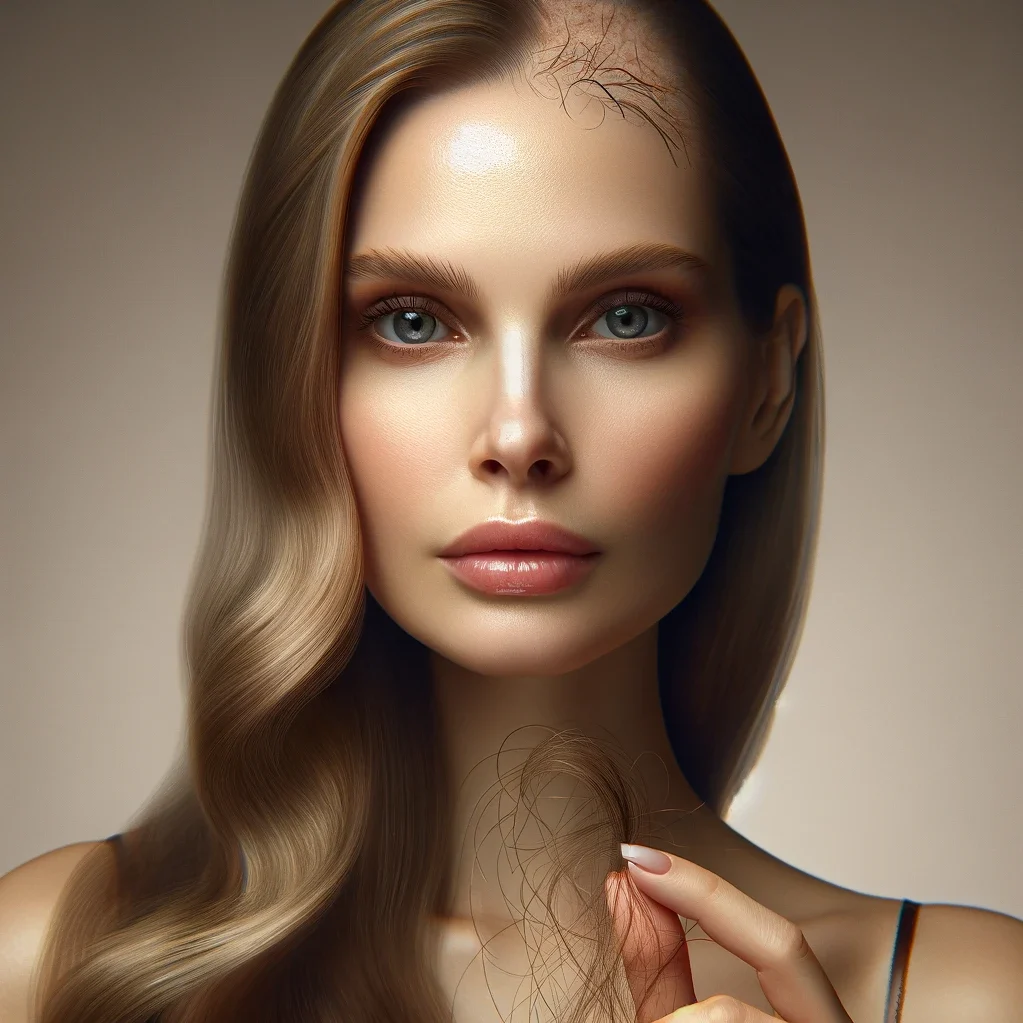

Female pattern hair loss, also known as androgenetic alopecia, is a common condition that affects many women. It is characterized by thinning hair on the top and crown of the scalp, resulting in a widening center hair part. If left untreated, the hair loss in female pattern baldness is permanent. However, there are treatment options available that can slow down or stop the progression of hair loss and even promote hair regrowth.
Key Takeaways:
- Female pattern hair loss is the most common type of hair loss in women.
- It is characterized by thinning hair on the top and crown of the scalp.
- The exact cause is not fully understood, but it is believed to be hereditary and hormonal.
- Treatment options include topical minoxidil, prescription medications, and hair transplant surgery.
- Consulting a dermatologist is essential for accurate diagnosis and personalized treatment.
Understanding Female Pattern Hair Loss
Female pattern hair loss is a common condition that affects many women. It occurs when the hair follicles shrink gradually over time, leading to shorter and finer hair. While the exact reasons for this shrinkage are not fully understood, several factors may contribute, including aging, changes in hormone levels, and a family history of hair loss. Understanding the nature of female pattern hair loss is essential to explore potential solutions for reversing female hair thinning and promoting natural remedies for female hair regrowth.
In female pattern baldness, hair thinning typically occurs on the top and crown of the scalp, resulting in a widening center hair part. Unlike male pattern baldness, which often affects the front hairline, female pattern hair loss spares the frontal region, maintaining a relatively unchanged hairline. Itching or skin sores on the scalp are usually not present in female pattern baldness.
Diagnosing female pattern hair loss involves ruling out other causes of hair loss and examining the pattern of hair thinning. If left untreated, hair loss in female pattern baldness is generally permanent. However, there are a variety of women’s hair regrowth solutions and treatment options available to address this condition and potentially reverse the effects of female hair thinning.
Effect of Female Pattern Hair Loss
“Female pattern hair loss can be a distressing experience for women, impacting their self-esteem and confidence. Understanding this condition is the first step towards finding effective solutions for reversing hair thinning and promoting natural remedies for regrowing hair in women.”
Exploring Women’s Hair Regrowth Solutions
When it comes to reversing female hair thinning, there are various treatment options available that aim to promote hair regrowth. These include:
- Topical treatments: FDA-approved minoxidil is a commonly recommended topical solution for women’s hair regrowth. It has been shown to slow down or stop hair loss and promote regrowth in some women. Minoxidil is available as a 2% solution or a 5% foam and should be applied directly to the scalp.
- Prescription medications: In certain cases, dermatologists may prescribe medications such as spironolactone, cimetidine, birth control pills, or ketoconazole to address female pattern baldness if minoxidil alone proves ineffective.
- Hair transplant surgery: For women who do not respond well to medical treatments or desire significant cosmetic improvement, hair transplant surgery can be an option. This procedure involves transplanting hair follicles from a donor site to the thinning areas of the scalp.
- Non-surgical solutions: Hair weaving, hairpieces, and changes in hairstyle can help conceal hair loss and provide temporary solutions. These non-surgical approaches can be particularly beneficial for women who prefer non-invasive methods.
While these options offer potential solutions for women experiencing hair loss, it’s important to consult with a dermatologist to determine the most suitable approach based on individual circumstances.
Natural Remedies for Female Hair Regrowth
In addition to conventional treatments, there are also natural remedies that women can explore to promote hair regrowth. These may include:
- A nutrient-rich diet: Consuming a balanced diet that includes essential vitamins, minerals, and proteins can support healthy hair growth.
- Scalp massage: Massaging the scalp can stimulate blood circulation and promote hair growth.
- Essential oils: Some essential oils, such as lavender, rosemary, and peppermint, may have properties that promote hair regrowth. However, it’s important to dilute these oils before using them on the scalp to prevent skin irritation.
- Reducing stress: Chronic stress can contribute to hair loss. Practicing stress management techniques, such as meditation or yoga, may help reduce the impact of stress on hair health.
It’s worth noting that natural remedies may not be as extensively researched or scientifically proven as medical treatments. Therefore, it’s important to approach them with caution and consult with a healthcare professional or dermatologist before incorporating them into a hair regrowth regimen.
Treatment Options for Female Pattern Hair Loss
When it comes to addressing female pattern hair loss, there are various treatment options available. These treatments aim to slow down or stop hair loss, promote hair regrowth, and provide women with effective solutions for managing their hair thinning concerns.
One of the most widely recognized treatments for female pattern hair loss is minoxidil, which has been approved by the FDA. Minoxidil is available as a topical solution or foam in 2% or 5% concentrations. When applied directly to the scalp, minoxidil can help promote hair regrowth in approximately 1 in 4 or 5 women and also slow down or halt further hair loss.
If minoxidil doesn’t yield the desired results, other medications may be recommended by dermatologists. These may include spironolactone, cimetidine, birth control pills, or ketoconazole. Each medication works differently to address the underlying causes of hair loss and promote hair regrowth in women.
In cases where medical treatments are ineffective or if significant cosmetic improvement is desired, hair transplant surgery can be considered. This surgical procedure involves the transplantation of healthy hair follicles to areas of hair thinning or baldness. Hair transplant surgery has shown positive outcomes for women with female pattern hair loss.
For women who prefer non-surgical alternatives, there are other options to consider. Hair weaving and hairpieces can be used to conceal hair loss, providing an immediate cosmetic solution. Additionally, changing hairstyles can effectively hide thinning hair and create the illusion of fuller locks.
To summarize, treatment options for female pattern hair loss vary depending on the severity of the condition and the individual’s preferences. From FDA-approved medications like minoxidil to surgical interventions like hair transplant surgery, women have a range of choices to address their hair loss concerns. It’s important to consult with a dermatologist to determine the most suitable treatment plan for each individual.
Treatment Options for Female Pattern Hair Loss
| Treatment | Description |
|---|---|
| Minoxidil | A topical solution or foam that promotes hair regrowth and slows down hair loss. |
| Spironolactone | A medication that helps address hormonal imbalances and reduce hair thinning in women. |
| Cimetidine | An oral medication primarily used for heartburn, but it may also help reduce hair loss in women. |
| Birth control pills | Some birth control pills can help regulate hormone levels and minimize hair thinning. |
| Ketoconazole | An antifungal medication that may help address underlying scalp conditions associated with hair loss. |
| Hair transplant surgery | A surgical procedure that involves the transplantation of healthy hair follicles to areas of hair thinning or baldness. |
| Hair weaving and hairpieces | Non-surgical options to conceal hair loss and provide immediate cosmetic improvement. |
Myths and Misconceptions About Female Pattern Hair Loss
There are several myths surrounding female pattern hair loss that we need to debunk. It’s important to clarify these misconceptions to ensure accurate knowledge and informed decision-making. Let’s address some common myths:
Myth 1: Vitamin deficiencies cause female pattern hair loss
Fact: While vitamin deficiencies, such as iron and vitamin D, can contribute to temporary hair loss conditions, they do not directly cause female pattern hair loss. It’s important to maintain a balanced and nutritious diet to support overall hair and scalp health, but addressing vitamin deficiencies alone will not stop female pattern hair loss naturally.
Myth 2: Birth control pills and antidepressant medications cause female pattern hair loss
Fact: Although birth control pills and antidepressant medications may cause temporary shedding, they are not direct causes of female pattern hair loss. These medications can sometimes disrupt the hair growth cycle, resulting in shedding. However, once the underlying cause is resolved or adjusted, hair typically regrows.
Myth 3: Female pattern hair loss only occurs during midlife
Fact: Female pattern hair loss can occur at any age, not just during midlife. While it is more common as women age, younger women can also experience thinning and hair loss due to genetic factors, hormonal imbalances, or other underlying conditions. It’s important to address the issue regardless of age to prevent further hair loss and promote regrowth naturally.
Remember, these myths can lead to confusion and delay in seeking appropriate treatment for female pattern hair loss. Consulting with a dermatologist is crucial for an accurate diagnosis and personalized treatment plan. They can provide expert guidance on how to stop female hair loss naturally and recommend suitable options based on your specific needs and goals.

Stay informed and separate fact from fiction when it comes to female pattern hair loss. Let’s dispel these myths and empower women with the correct knowledge to take control of their hair health.
Potential Side Effects of Hair Loss Medications
When considering treatment options for female pattern hair loss, it is important to be aware of the potential side effects associated with hair loss medications. Two commonly used medications for female hair loss treatment are minoxidil and prescription medications such as finasteride and spironolactone.
Minoxidil:
Minoxidil is an FDA-approved topical treatment for female pattern hair loss. It is available as a 2% solution or 5% foam and is applied directly to the scalp. While minoxidil can effectively slow down or stop hair loss and promote hair regrowth in many women, it may also have some side effects.
One common side effect of minoxidil is initial shedding, which occurs when the medication is first used. However, this shedding is usually temporary and subsides as hair regrowth begins. Another potential side effect of minoxidil is scalp irritation, which can cause redness or itching. If you experience any persistent or severe side effects from minoxidil, it is important to consult a dermatologist for further guidance.
Prescription Medications:
Prescription medications like finasteride, dutasteride, and spironolactone are sometimes prescribed for female pattern hair loss, but they come with their own set of potential risks and side effects. These medications are not typically recommended for women of child-bearing age due to their potential to cause birth defects if taken during pregnancy.
Finasteride and dutasteride are medications that inhibit the production of a hormone called dihydrotestosterone (DHT), which plays a role in hair follicle miniaturization in female pattern hair loss. However, they can have side effects such as decreased libido, sexual dysfunction, and potential mood changes. Spironolactone, which is a medication commonly used to treat conditions such as high blood pressure, can also have side effects including increased urination, breast tenderness, and irregular menstrual cycles.
It is important to discuss the potential side effects and risks of these prescription medications with a dermatologist before starting any treatment. Your dermatologist can provide guidance on the appropriateness of these medications for your specific situation and help you weigh the potential benefits against the potential risks.
Alternative and Experimental Treatments for Female Pattern Hair Loss
In addition to traditional treatments, there are alternative and experimental options for female pattern hair loss. While scientific evidence may be limited for some of these treatments, they provide additional choices for women seeking to address hair regrowth. Here are a few options:
Laser Therapy Devices
Some women may explore the use of laser therapy devices, such as laser combs or helmets, which emit low-level laser light to stimulate hair growth. While the exact mechanism behind laser therapy’s effectiveness is not fully understood, it is believed to increase blood flow to the hair follicles and encourage cellular activity.
Platelet-Rich Plasma Therapy
Another emerging treatment for female pattern hair loss is platelet-rich plasma (PRP) therapy. This procedure involves extracting a small amount of blood from the patient, processing it to concentrate the platelets, and then injecting the platelet-rich plasma back into the scalp. PRP contains growth factors that may promote hair regrowth and improve hair thickness.
Stem Cell Therapy
Stem cell therapy is an area of ongoing research for female hair loss. It involves using stem cells to stimulate the regeneration of hair follicles and promote hair growth. While still in the experimental stage, stem cell therapy holds promise as a potential future treatment option for female pattern hair loss.
Natural Remedies and Supplements
Many natural remedies and supplements are marketed for hair regrowth, although their effectiveness may vary. Biotin and folic acid are commonly recommended supplements for supporting hair health. While these supplements may improve the overall condition of hair, it is important to note that they may not necessarily reverse female pattern hair loss.

“While some alternative and experimental treatments show promise in promoting hair regrowth, it is crucial to approach them with caution. Consulting a trusted dermatologist or hair specialist is essential to receive accurate guidance and determine the most suitable treatment option.”
Conclusion
Female pattern hair loss is a common condition that affects many women, causing distress and impacting their self-esteem. However, there is hope for those experiencing this issue. While female pattern hair loss is generally permanent if left untreated, effective treatment options are available to slow down or even stop its progression.
The FDA has approved minoxidil as a topical medication specifically for female pattern hair loss. This medication, available as a 2% solution or 5% foam, has shown promising results in promoting hair regrowth in approximately 25% of women. Additionally, other prescription medications may be recommended by dermatologists if minoxidil proves ineffective.
Seeking professional help is crucial in managing female pattern hair loss. Consulting a dermatologist allows for a personalized diagnosis and treatment plan tailored to each individual. This ensures that the most suitable course of action is taken to address the unique needs and circumstances of the patient.
With proper treatment and management, many women can slow down or halt the progression of female pattern hair loss. It’s important to remember that there is no one-size-fits-all solution, and what works for one person may not work for another. However, by working closely with healthcare professionals and exploring different treatment options, women can regain confidence and potentially promote hair regrowth, ultimately improving their overall well-being.
FAQ
Is female pattern hair loss reversible?
Female pattern hair loss is generally a progressive condition. If left untreated, the hair loss is permanent. However, with appropriate treatment, many women can slow down or stop the progression of hair loss and potentially promote hair regrowth.
What are some women’s hair regrowth solutions for reversing female hair thinning?
The FDA has approved minoxidil as a topical treatment for female pattern hair loss. It is available as a 2% solution or 5% foam and can help promote hair regrowth in some women. Other treatment options include medications like spironolactone, cimetidine, birth control pills, or ketoconazole. In addition, non-surgical solutions like hair weaving, hairpieces, or a change in hairstyle can help hide hair loss.
Are there any natural remedies for female hair regrowth?
While there are no guaranteed natural remedies for female hair regrowth, some women may try laser therapy devices, such as laser combs or helmets, which emit low-level laser light to stimulate hair growth. Supplements like biotin and folic acid are also marketed for hair growth, but their effectiveness is not well-supported by scientific evidence.
What are some female hair loss prevention tips for dealing with female pattern baldness?
To prevent or manage female pattern hair loss, it is important to maintain a healthy lifestyle, eat a balanced diet, manage stress levels, and avoid aggressive hairstyles or excessive heat and chemical treatments that can damage the hair. Regular scalp massages and using a gentle shampoo can also help maintain a healthy scalp environment.
Are there any remedies to reverse female hair thinning?
While there is no guaranteed way to reverse female hair thinning, there are treatment options available that can slow down or stop the progression of hair loss and promote hair regrowth. It is important to consult a dermatologist for an accurate diagnosis and appropriate treatment plan.
What are some common myths and misconceptions about female pattern hair loss?
Some common myths about female pattern hair loss include the idea that vitamin deficiencies, such as iron and vitamin D, cause the condition (they do not directly cause it but can contribute to temporary hair loss conditions), that birth control pills and antidepressant medications are direct causes of female pattern hair loss (they are not, although they may cause temporary shedding), and that female pattern hair loss only occurs during midlife (it can occur at any age).
What are the potential side effects of hair loss medications for female pattern hair loss?
Hair loss medications like minoxidil and prescription medications such as finasteride and spironolactone may have potential side effects. Minoxidil can cause initial shedding when first used, but this typically subsides as hair regrowth begins. Scalp irritation is a common side effect of minoxidil. Finasteride, dutasteride, and spironolactone are not typically prescribed for women of childbearing age due to potential risks. It is important to discuss potential side effects and interactions with other medications with a dermatologist before starting any hair loss treatment.
Are there any alternative and experimental treatments for female pattern hair loss?
Some alternative and experimental treatments for female pattern hair loss include laser therapy devices like laser combs or helmets that emit low-level laser light to stimulate hair growth. Platelet-rich plasma therapy and stem cell therapy are emerging treatments being studied for their potential to promote hair regrowth. However, the effectiveness of these treatments is still being researched. It is important to consult a dermatologist to discuss the most appropriate treatment options for your individual case.