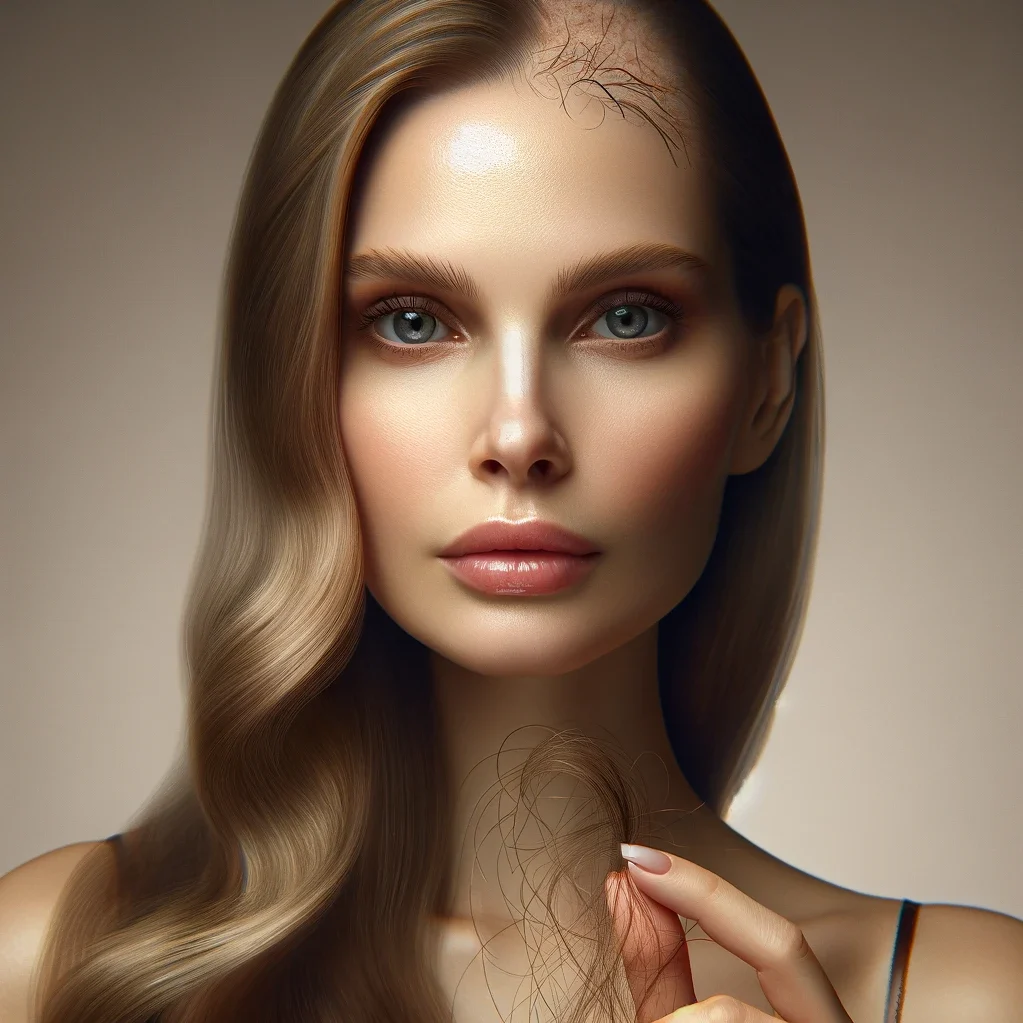

Welcome to our comprehensive guide on women’s hair loss solutions and support. Whether you are experiencing hair loss, thinning hair, or female pattern baldness, we are here to provide you with the information and resources you need to understand the causes and explore effective treatment options.
When it comes to hair loss in women, there can be various underlying factors, including hormonal imbalances, genetics, and medical conditions such as alopecia. Finding the right treatment approach is essential in addressing these concerns and restoring confidence in your appearance.
Key Takeaways:
- Hair loss in women can occur due to various factors.
- Treatment options for female hair loss include topical medications, light therapy, and hormone therapy.
- Maintaining a healthy lifestyle and proper hair care can help prevent further hair loss.
- Consulting with a healthcare professional is crucial for developing a personalized treatment plan.
- Remember, you are not alone in your journey towards addressing hair loss, and there are resources and support available to you.
Understanding Female Pattern Baldness
Female pattern baldness, also known as androgenetic alopecia, is a common cause of hair loss in women. It is a progressive condition characterized by gradual thinning of hair on the top of the head, a widening part, and the development of patchy bald spots. This type of hair loss is often hereditary and can be triggered or exacerbated by hormonal changes, such as those experienced during menopause. Genetic factors, hormonal imbalances, and underlying health conditions can all contribute to the development of female pattern baldness.
When it comes to female pattern baldness, understanding the underlying causes and factors can help women better navigate their hair loss journey. By having a clear understanding of this condition, women can explore the available treatment options and make informed decisions about managing their hair loss.
Treatment Options for Female Hair Loss
When it comes to addressing female hair loss, there are several treatment options available. The choice of treatment depends on the individual’s specific situation and the underlying cause of the hair loss. Here are some effective treatment options for women’s hair loss:
1. Topical Medications
One of the most commonly used treatments for women’s hair loss is a topical medication called Minoxidil, commonly known as Rogaine. This FDA-approved medication is applied directly to the scalp and can help stimulate hair growth. It is available over-the-counter and has shown promising results in regrowing hair.
2. Low-Level Light Therapy
Low-level light therapy, also known as laser therapy, uses red light wavelengths to stimulate hair follicles and promote hair regrowth. This non-invasive treatment can be used alone or in combination with other hair loss treatments to enhance their effectiveness. Low-level light therapy has shown positive results in improving hair density and thickness.
3. Ketoconazole Shampoo
Ketoconazole is an antifungal medication that is available in shampoo form. It can help reduce scalp inflammation and improve the strength and appearance of the hair. Ketoconazole shampoos are often used as an adjunct treatment alongside other hair loss products.
4. Injections
In some cases, corticosteroid injections or platelet-rich plasma (PRP) injections may be recommended to address female hair loss. Corticosteroid injections can help reduce inflammation in the scalp, while PRP injections use the patient’s own blood platelets to stimulate hair growth.
5. Hormone Therapy
Hormone therapy, such as birth control pills or hormone replacement therapy, can be used to address hormonal imbalances that may contribute to hair loss in women. By restoring hormonal balance, these treatments can help prevent further hair loss and promote regrowth.
6. Hair Transplantation
In more severe cases of female hair loss, hair transplantation may be an option. During this procedure, healthy hair follicles are transplanted from donor areas to areas with thinning or balding hair. Hair transplantation can provide long-lasting results and restore a fuller head of hair.
It is important to note that the effectiveness of these treatments can vary depending on the individual. Consulting with a healthcare professional specializing in hair loss is crucial to determine the most suitable treatment approach for your specific needs.
Take a look at the image below for a visual representation of these treatment options for female hair loss:
| Treatment Option | Description |
|---|---|
 |
Topical Medications |
| Low-Level Light Therapy | |
| Ketoconazole Shampoo | |
| Injections | |
| Hormone Therapy | |
| Hair Transplantation |
Tips for Maintaining Healthy Hair
In addition to treatment options, there are several steps you can take to maintain healthy hair and prevent further hair loss. By following these haircare tips, you can promote healthy hair growth and maintain the vitality of your locks:
- Gently massage shampoo into the scalp: When washing your hair, be sure to massage the shampoo into your scalp using your fingertips. This helps stimulate blood flow to the hair follicles and promotes hair growth.
- Use conditioner after each wash: Conditioner helps hydrate and nourish your hair, making it less prone to damage and breakage. Apply conditioner from mid-length to the ends of your hair, avoiding the scalp to prevent excess oiliness.
- Avoid damaging treatments: Heat styling tools, such as curling irons and straighteners, can cause hair damage and breakage. Limit their use and consider using heat protectant sprays before styling.
- Say no to chemical dyes: Harsh chemical dyes can weaken your hair and make it more vulnerable to breakage. Consider natural alternatives or consult a professional hair colorist for safer options.
- Eat a nutritious diet: A balanced diet rich in vitamins, minerals, and proteins is essential for healthy hair growth. Include fruits, vegetables, whole grains, lean proteins, and healthy fats in your meals to provide your hair with the necessary nutrients.
- Manage stress: High levels of stress can contribute to hair loss. Practice stress management techniques such as meditation, yoga, or engaging in activities you enjoy to reduce stress levels and promote healthy hair maintenance.
By incorporating these haircare tips into your daily routine, you can support healthy hair growth and prevent further hair loss. Remember, maintaining a healthy lifestyle and taking good care of your hair is crucial for its overall health and vitality.

Conclusion
When it comes to women’s hair loss, there are solutions and support available to help you regain confidence and promote healthy hair growth. Treatment options range from topical medications like Rogaine to innovative therapies such as light therapy and hormone therapy. In more severe cases, hair transplantation may be recommended.
However, it’s not just about the treatments. Maintaining healthy hair care habits is equally important. Gently massaging shampoo into the scalp, using conditioner, and avoiding damaging treatments can all contribute to the overall health of your hair. A nutritious diet packed with fruits and vegetables provides essential nutrients to support hair growth.
Remember, you don’t have to face hair loss alone. Consult with a healthcare professional to determine the best approach for your specific situation. Whether it’s finding the right treatment or seeking emotional support, there are resources available to help you navigate through this journey. Together, we can overcome women’s hair loss and find the solutions that work best for you.
FAQ
What causes hair loss in women?
Hair loss in women can be caused by a variety of factors, including genetics, hormonal changes, underlying health conditions, and certain medications.
What is female pattern baldness?
Female pattern baldness, also known as androgenetic alopecia, is a common cause of hair loss in women. It is characterized by gradual thinning of hair on the top of the head, widening part, and patchy bald spots.
What are the treatment options for female hair loss?
Treatment options for female hair loss include topical medications like Minoxidil (Rogaine), low-level light therapy, ketoconazole shampoo, corticosteroid injections, platelet-rich plasma injections, hormone therapy, and hair transplantation.
How can I maintain healthy hair and prevent further hair loss?
To maintain healthy hair and prevent further hair loss, you can massage shampoo into your scalp gently, use conditioner regularly, avoid damaging treatments like heat styling and chemical dyes, eat a nutritious diet, manage stress, and lead a healthy lifestyle.
Where can I find support and solutions for women’s hair loss?
It is important to consult with a healthcare professional to determine the best treatment approach for your specific situation. Additionally, there are resources and support available through hair loss clinics and organizations that specialize in women’s hair loss.