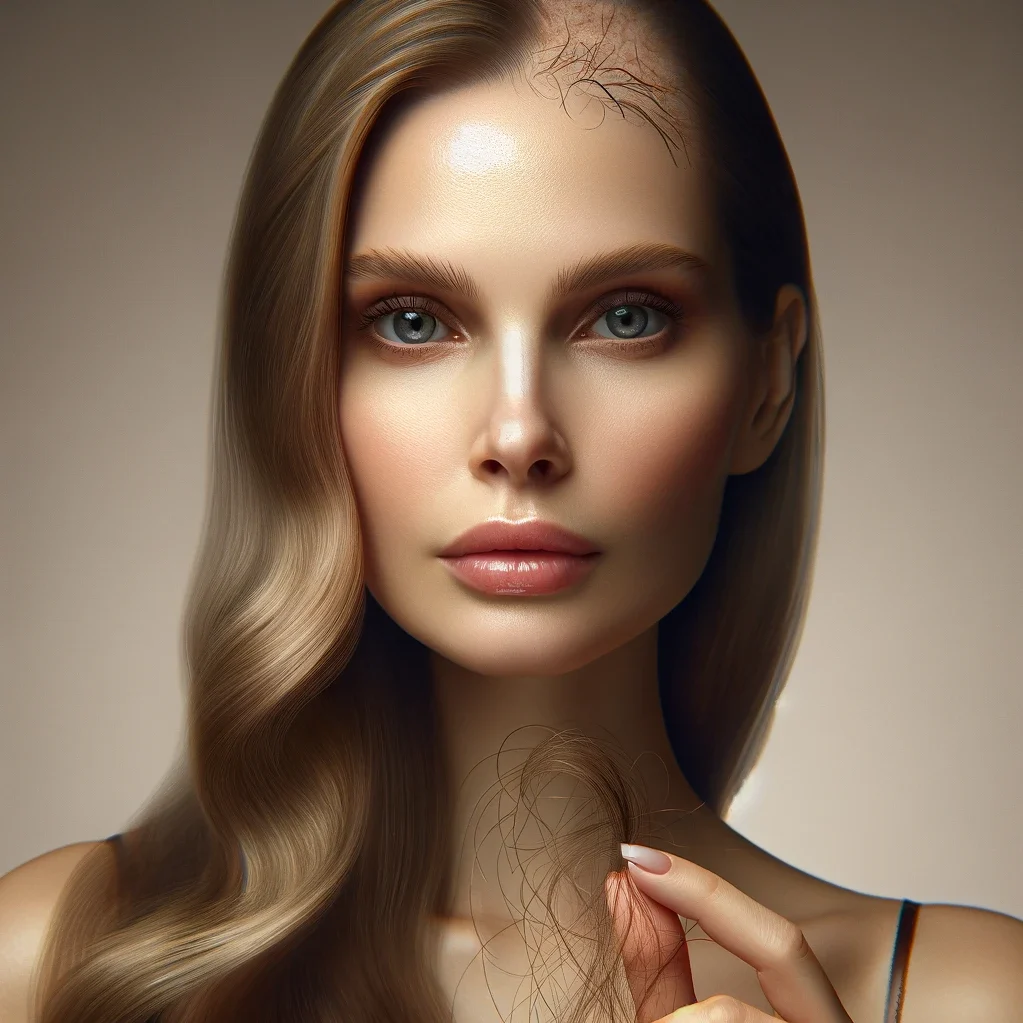

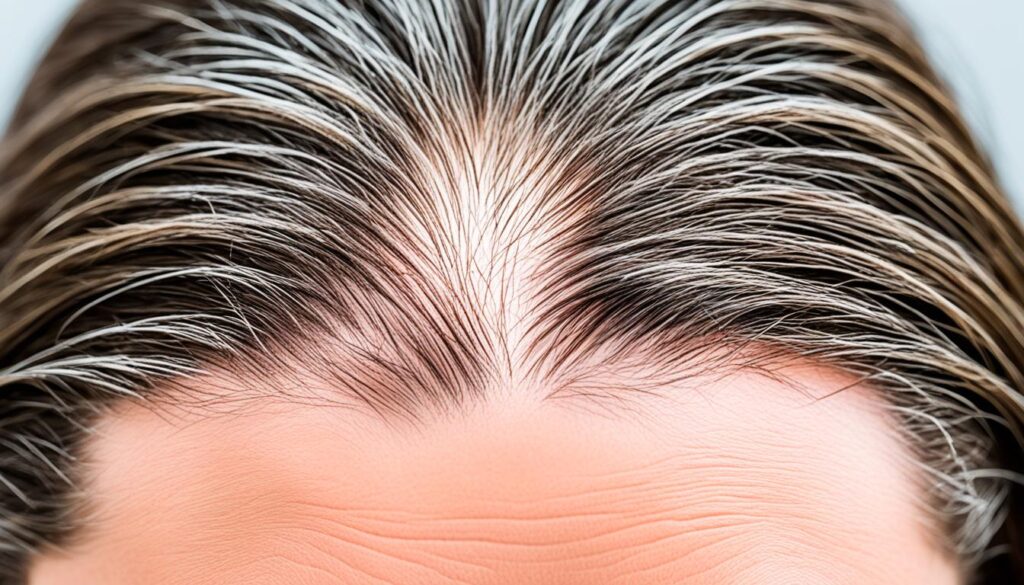
Female pattern baldness, known as hereditary alopecia in women, is the most common type of hair loss in females. The condition is characterized by thinning of hair across the scalp, particularly on the top and crown. It often starts with a widening through the center hair part, creating a Christmas tree pattern. Female pattern baldness is believed to be influenced by various factors, including aging, changes in hormone levels, family history of hair loss, heavy menstrual bleeding, and certain medications.
The condition is usually diagnosed based on the appearance and pattern of hair loss, ruling out other causes, and assessing the patient’s medical history. While hair loss in female pattern baldness is permanent, treatment options such as minoxidil may help slow or stop hair loss. Other treatment options include spironolactone, cimetidine, birth control pills, and ketoconazole. In some cases, hair transplant procedures can be effective. Hair weaving, hairpieces, and changes in hairstyle can also help improve appearance. It is essential to consult a healthcare provider if hair loss continues or is accompanied by symptoms such as itching or skin sores on the scalp.
Key Takeaways:
- Female pattern baldness, known as hereditary alopecia in women, is the most common type of hair loss in females.
- The condition is characterized by thinning of hair across the scalp, particularly on the top and crown, and often starts with a widening through the center hair part.
- Factors influencing female pattern baldness include aging, changes in hormone levels, family history of hair loss, heavy menstrual bleeding, and certain medications.
- Diagnosis is based on the appearance and pattern of hair loss, ruling out other causes, and assessing the patient’s medical history.
- Treatment options include minoxidil, spironolactone, cimetidine, birth control pills, ketoconazole, hair transplant procedures, hair weaving, hairpieces, and changes in hairstyle.
Causes of Female Pattern Hair Loss
The exact cause of female pattern hair loss is not well understood, but it is believed to be influenced by various factors. Aging, changes in hormone levels, and genetic predisposition are among the key contributing factors to this condition.
As women age, their hair follicles naturally shrink, resulting in shorter and finer hair. This process, known as miniaturization, is a common factor in the progression of female pattern hair loss.
Hormonal imbalances, particularly an increase in androgens (male hormones), can also play a role in hair loss among women. Androgens can bind to hair follicles, causing them to shrink and produce thinner, weaker hair strands. This disrupts the natural hair growth cycle and can lead to hair loss.
Genetics also play a significant role in female pattern hair loss. Having a family history of male or female pattern baldness increases the risk of developing hereditary alopecia. Researchers have identified several genes that may contribute to this condition, including the AR gene and the ESR1 gene.
Furthermore, certain medications can also be associated with hair thinning in women. Estrogenic oral contraceptives, which contain synthetic hormones, have been linked to hair loss. Additionally, heavy menstrual bleeding, which can lead to iron deficiency anemia, may contribute to hair thinning.
In rare cases, underlying medical conditions such as polycystic ovary syndrome (PCOS) or thyroid disorders may cause or exacerbate female pattern hair loss.
To accurately diagnose the underlying factors contributing to female pattern hair loss, it is essential to consult a healthcare provider. They can conduct a thorough evaluation of your medical history, perform necessary tests, and rule out other potential causes of hair loss.
Contributing Factors to Female Pattern Hair Loss
| Factors | Description |
|---|---|
| Aging | Hair follicles naturally shrink over time, resulting in finer hair strands. |
| Hormonal Changes | Elevated levels of androgens can lead to hair follicle shrinkage and hair thinning. |
| Genetics | Having a family history of male or female pattern baldness increases the risk. |
| Medications | Some medications, such as estrogenic oral contraceptives, may contribute to hair loss. |
| Underlying Medical Conditions | Conditions like PCOS or thyroid disorders can cause or worsen female pattern hair loss. |
Diagnosis and Treatment of Female Pattern Hair Loss
The diagnosis of female pattern hair loss is usually based on a thorough evaluation of the patient’s medical history, ruling out other potential causes of hair loss, and examining the appearance and pattern of hair loss. A healthcare provider may also perform a skin biopsy of the scalp or blood tests to diagnose any underlying skin disorders that may be contributing to hair loss.
While there is no known prevention for female pattern hair loss, several treatment options are available. The only FDA-approved medication for treating female pattern baldness is minoxidil, which is applied directly to the scalp. Other medications, such as spironolactone, cimetidine, birth control pills, and ketoconazole, may also be recommended by a healthcare provider.
In some cases, hair transplant procedures can be effective for women who do not respond well to medical treatment or desire significant cosmetic improvement.
Other solutions, such as hair weaving, hairpieces, and changes in hairstyle, can help hide hair loss and improve appearance. It is important to note that untreated hair loss in female pattern baldness is usually permanent, and seeking treatment is a personal choice based on individual comfort with appearance.
Treatment Options for Female Pattern Hair Loss:
| Treatment Option | Description |
|---|---|
| Minoxidil | The only FDA-approved medication for treating female pattern baldness. It is applied directly to the scalp. |
| Spironolactone | A medication that can help block androgens and reduce hair loss in women. |
| Cimetidine | Commonly used to treat heartburn and stomach ulcers, cimetidine may also help reduce hair loss in some women. |
| Birth Control Pills | Some types of oral contraceptives can help regulate hormone levels and reduce hair loss. |
| Ketoconazole | An antifungal medication that may help reduce hair loss by reducing scalp inflammation. |
It is important to consult a healthcare provider to determine the most suitable treatment option based on individual needs and preferences.
Managing the Emotional Impact of Female Pattern Hair Loss
Female pattern hair loss, also known as hereditary alopecia in women, can have a significant emotional impact on individuals. The physical changes associated with hair loss often result in decreased self-esteem, increased anxiety, and a range of other emotional challenges. It is essential to address these emotional impacts and seek support to navigate the emotional journey of female pattern hair loss.
One of the key emotional challenges faced by individuals with female pattern hair loss is depression. The noticeable changes in physical appearance can lead to feelings of sadness, loss, and a distorted self-image. These emotions can often manifest as increased social isolation, avoidance of activities that were once enjoyed, and strained relationships.
In addition to depression, female pattern hair loss can also impact an individual’s work life and overall productivity. The emotional distress can make it challenging to concentrate, focus, and perform optimally in professional settings. This can result in reduced confidence, missed opportunities, and strain on career growth.
The emotional impact of female pattern hair loss can also extend to personal relationships. Individuals may experience difficulties in intimate relationships, romantic partnerships, and even meeting new people. The fear of judgment and societal beauty standards can lead to a lack of confidence and hinder the ability to form meaningful connections.
Addressing the Emotional Aspect
To navigate the emotional impact of female pattern hair loss, it is essential to seek support and adopt coping strategies.
Talking to a healthcare provider or a psychologist knowledgeable about hair loss and its psychological effects can be a valuable step. These professionals can provide guidance, validate emotions, and help individuals develop coping mechanisms to navigate the emotional journey brought on by hair loss.
Support organizations like Beyond Blue can also provide assistance to individuals experiencing anxiety or depression due to hair loss. Engaging with such organizations can offer an opportunity to connect with individuals who understand the challenges associated with female pattern hair loss and provide a supportive community.
Self-Care and Building Self-Esteem
Building self-esteem and practicing self-care are integral parts of managing the emotional impact of female pattern hair loss. Here are a few strategies that can help:
- Focus on self-care activities that promote overall well-being, such as exercise, healthy eating, and self-reflection.
- Experiment with different hairstyles, colors, and accessories to embrace new looks and boost confidence.
- Surround yourself with supportive friends and family members who can offer encouragement and positive reinforcement.
“Hair loss is a common condition, and seeking emotional support is an important part of managing its impact on one’s well-being.”

The Importance of Self-Acceptance
Learning to accept oneself and embrace one’s unique beauty is a crucial aspect of managing the emotional impact of female pattern hair loss. It is essential to remember that beauty comes in various forms, and hair loss does not define one’s worth or attractiveness. Practicing self-acceptance can empower individuals to confidently navigate the challenges of female pattern hair loss and embrace their own unique beauty.
Conclusion
Female pattern hair loss, also known as hereditary alopecia in women, is a common condition that affects many women worldwide. This condition is characterized by the gradual thinning of hair across the scalp, which can have a significant impact on a woman’s self-esteem and overall well-being.
Although the exact cause of female pattern hair loss remains unknown, researchers believe that it is influenced by a combination of factors, including aging, hormonal changes, and a genetic predisposition. It is important for women experiencing hair thinning to consult with a healthcare provider to determine the underlying cause and explore the available treatment options.
Treatment for female pattern hair loss typically involves various approaches, such as medical interventions like minoxidil and other medications recommended by healthcare providers. In some cases, hair transplant procedures may be considered. Additionally, non-surgical solutions like hair weaving and changes in hairstyle can help improve the appearance of thinning hair.
While it is important to note that hair loss in female pattern baldness is typically permanent, seeking treatment and emotional support can greatly assist in managing the impact of this condition. By working with healthcare professionals, women can explore tailored treatment plans that address their individual needs and concerns, ultimately helping them regain confidence and maintain a positive sense of self.
FAQ
What is hereditary alopecia in women?
Hereditary alopecia in women, also known as female pattern hair loss, refers to the most common type of hair loss in females. It is characterized by thinning of hair across the scalp, particularly on the top and crown.
What causes female pattern hair loss?
Female pattern hair loss is believed to be influenced by various factors, including aging, changes in hormone levels, and family history of hair loss. Other factors such as heavy menstrual bleeding and certain medications may also contribute to hair thinning in women.
How is the diagnosis of female pattern hair loss made?
The diagnosis of female pattern hair loss is usually based on a thorough evaluation of the patient’s medical history, ruling out other potential causes of hair loss, and examining the appearance and pattern of hair loss. In some cases, a healthcare provider may perform a scalp biopsy or blood tests to diagnose any underlying skin disorders.
What are the treatment options for female pattern hair loss?
Treatment options for female pattern hair loss include medications such as minoxidil, spironolactone, cimetidine, birth control pills, and ketoconazole. In cases where medical treatment is ineffective or desired, hair transplant procedures may be considered. Non-surgical solutions like hair weaving and changes in hairstyle can also help improve appearance.
Is female pattern hair loss permanent?
Yes, hair loss in female pattern baldness is usually permanent. However, seeking treatment and adopting non-surgical solutions can help manage the impact it may have on self-esteem and overall well-being.
How can the emotional impact of female pattern hair loss be managed?
Female pattern hair loss can have a significant emotional impact on individuals, including feelings of depression, anxiety, and decreased self-esteem. It is important to seek emotional support from healthcare providers or psychologists to address these concerns. Support organizations can also provide assistance to individuals feeling anxious or depressed due to hair loss.