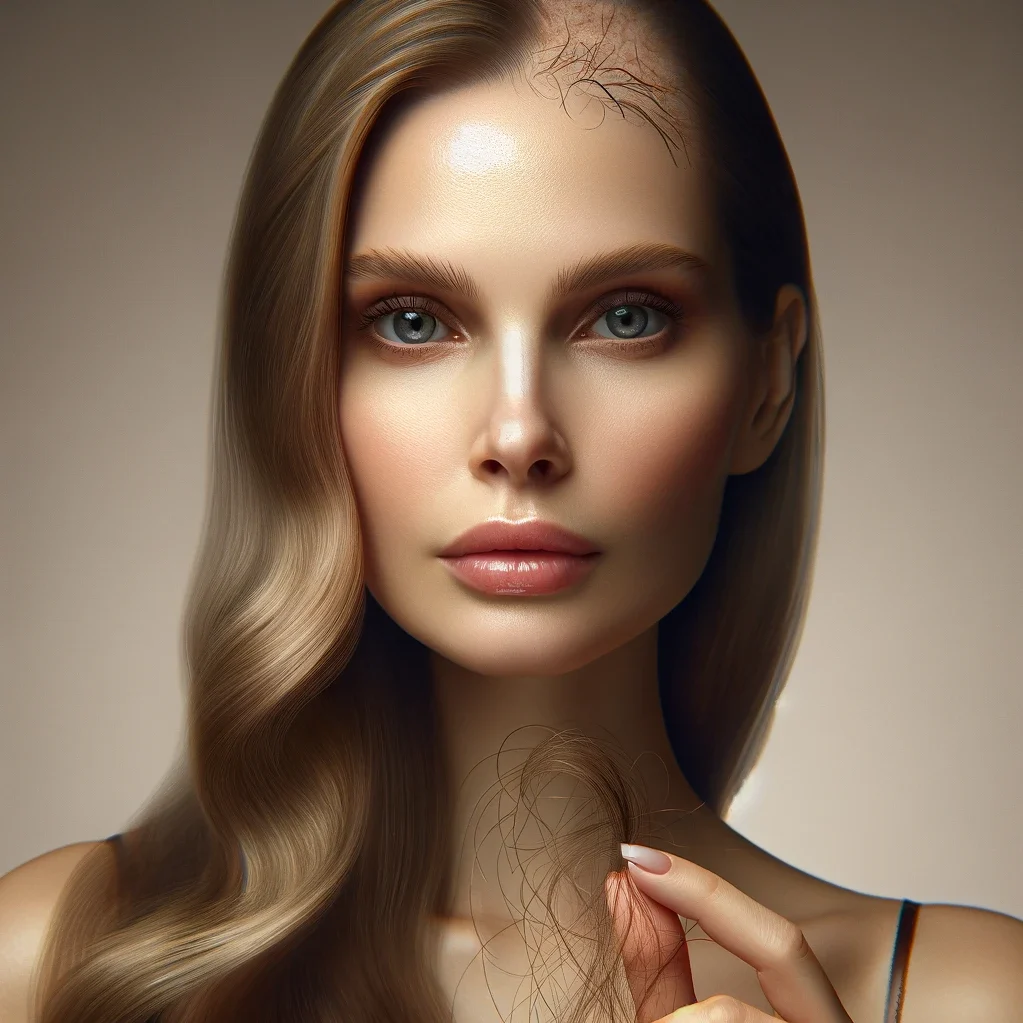

Welcome to our informative article on frontal hair thinning solutions for women. Hair thinning in the front is a common concern among women and can affect self-confidence and overall well-being. In this article, we will explore the best remedies and effective solutions for female hair thinning near the forehead. Whether you are experiencing female pattern baldness or frontal fibrosing alopecia, understanding these conditions and exploring treatment options is crucial in addressing hair loss and regaining confidence.
Female pattern baldness is the most prevalent type of hair loss in women, characterized by thinning hair on the top and crown of the scalp, while the front hairline remains unaffected. Although the exact causes of female pattern baldness are not fully understood, factors such as aging, changes in hormone levels, family history, heavy menstrual bleeding, and certain medications may contribute to this condition. Proper diagnosis is essential to ruling out other causes of hair loss and determining the most suitable treatment options.
On the other hand, frontal fibrosing alopecia is a condition that primarily results in hair loss at the front hairline. It commonly occurs in postmenopausal women and is believed to be influenced by genetic factors and hormonal imbalances. Understanding the diagnosis and treatment options for both female pattern baldness and frontal fibrosing alopecia is vital in addressing hair thinning near the forehead.
Key Takeaways:
- Female pattern baldness is the most common type of hair loss in women, characterized by thinning hair on the top and crown of the scalp.
- Frontal fibrosing alopecia is a condition that primarily results in hair loss at the front hairline, commonly occurring in postmenopausal women.
- Proper diagnosis is essential to determine the underlying causes of hair thinning near the forehead.
- Treatment options for female pattern baldness include minoxidil, oral medications, and hair transplant procedures.
- Frontal fibrosing alopecia can be managed with medications such as finasteride, corticosteroids, hydroxychloroquine, laser therapy, and hair transplants.
Understanding Female Pattern Baldness
Female pattern baldness is a common condition characterized by hair thinning primarily on the top and crown of the scalp, while the front hairline generally remains intact. Unlike male pattern baldness, which often leads to complete baldness, female pattern baldness progresses slowly and rarely results in total hair loss.
To diagnose female pattern baldness, healthcare professionals typically exclude other potential causes of hair loss and closely observe the pattern of hair thinning. Although the exact causes are not fully understood, genetic factors and hormonal changes are believed to play significant roles in the development of this condition.
Unfortunately, there are currently no known methods for preventing female pattern baldness. However, early diagnosis and treatment can effectively manage the condition and potentially stimulate hair regrowth.
Here, we will explore various ways to treat hair thinning at the front in females, as well as the top treatments for front hair thinning in women. We will also discuss natural remedies for female frontal hair loss.
Treatments for Front Hair Thinning in Women
When it comes to treating front hair thinning in women, there are several options available:
- Minoxidil: This FDA-approved medication is available in the form of solutions or foams and is applied directly to the scalp. Minoxidil can help slow down or stop hair loss, as well as stimulate hair regrowth in some women.
- Oral medications: Spironolactone, cimetidine, and certain birth control pills may be prescribed to address female pattern baldness. These medications can help counteract the effects of androgens, which can contribute to hair thinning.
- Hair transplant: In severe cases of front hair thinning, a hair transplant procedure may be recommended. This involves removing hair follicles from areas of the scalp with healthy hair growth and transplanting them to the thinning areas.
- Natural remedies: While scientific evidence is limited, some natural remedies have been suggested to promote hair growth. These include using essential oils like rosemary and lavender, scalp massage, and incorporating a nutrient-rich diet.
It’s important to consult with a healthcare professional or dermatologist to determine the most suitable treatment option based on your individual needs and the severity of your hair thinning.
“Hair loss is a common concern for many women, and understanding the causes and available treatment options is crucial in managing female pattern baldness. By being proactive in seeking the right treatments, women can regain confidence and maintain healthy hair.”
Treatment Options for Female Pattern Baldness
Professional treatments for front hair thinning in females, how to regrow hair in the front for women, techniques to address hair thinning near the forehead in females.
When it comes to treating female pattern baldness and addressing hair thinning near the forehead, there are various options available. It’s important to consult with a professional to determine the best course of action based on your specific condition and needs.
Medications:
Minoxidil is the only FDA-approved medication for treating female pattern baldness. It is available in 2% or 5% solutions or foams, and consistent application to the scalp can help slow down or stop hair loss and stimulate hair regrowth in some women. Other medications that may be prescribed include spironolactone, cimetidine, and birth control pills, which can also be effective in addressing hair thinning near the forehead.
Hair Transplant:
In severe cases of female pattern baldness, when other treatments have not yielded satisfactory results, a hair transplant procedure may be recommended. This involves transplanting hair follicles from a donor area to the thinning or balding areas near the forehead, promoting natural hair regrowth.
Non-Surgical Options:
Non-surgical options can also be considered to address hair thinning near the forehead. Techniques such as hair weaving and using hairpieces can help hide areas of hair loss and create a fuller appearance. Changing hairstyles or using specific hair care products can also help improve the overall look and manage hair thinning.

“Treating female pattern baldness requires a personalized approach. It’s important to consult with a professional to discuss the available treatment options and find the best solution for you.”
Remember, each individual’s experience and response to treatment may vary. It’s crucial to consult with a healthcare professional or dermatologist to determine the most suitable treatment for your specific condition and discuss any potential risks or side effects.
Diagnosis and Treatment of Frontal Fibrosing Alopecia
Frontal fibrosing alopecia (FFA) is a condition that primarily affects women, leading to permanent hair loss along the front hairline. It is more commonly observed in postmenopausal women. While the exact cause of FFA is unknown, it is believed to be linked to genetic factors and hormonal imbalances.
Diagnosing FFA requires a thorough examination of the hairline, scalp, and eyebrows. In some cases, a scalp biopsy may be necessary to confirm the diagnosis. By evaluating these areas and collecting relevant medical history, healthcare professionals can determine the presence of FFA.
When it comes to the treatment of FFA, the primary goal is to prevent further hair loss and alleviate symptoms. Multiple approaches are available, depending on the severity of the condition and individual needs:
-
Medications: Women with FFA may be prescribed medications such as finasteride, corticosteroids, hydroxychloroquine, and minoxidil. These medications can help slow down or halt hair loss, reduce inflammation, and promote hair regrowth.
-
Laser Therapy: Laser therapy is a non-invasive treatment option that utilizes low-level laser light to stimulate hair growth. This therapy can be beneficial for women with FFA, helping to improve the overall appearance of the hairline.
-
Hair Transplant: In more severe cases of FFA, hair transplant surgery may be considered. This procedure involves transplanting hair follicles from donor areas to the affected areas, restoring natural hair growth.
It’s important for women experiencing hair loss due to FFA to consult with a healthcare professional for an accurate diagnosis and personalized treatment plan. With the right interventions, it is possible to manage FFA and achieve improved hair density and overall appearance.
Frontal Fibrosing Alopecia: Diagnosis and Treatment
Frontal fibrosing alopecia (FFA) is a condition that primarily affects women, resulting in gradual hair loss in the front hairline and forehead area. If you are experiencing hair thinning in these regions, it is crucial to seek a proper diagnosis and explore treatment options to effectively manage FFA.
Diagnosis
The diagnosis of FFA involves a comprehensive examination of the hairline, scalp, and eyebrows by a qualified healthcare professional. This includes carefully observing the pattern of hair loss and assessing any accompanying symptoms. In some cases, a scalp biopsy may be recommended to confirm the diagnosis and rule out other possible conditions.
Treatment
While there is no known cure for FFA, several treatment modalities can help manage the condition and potentially promote hair regrowth. Treatment plans are typically tailored to the individual and may involve a combination of therapies to address specific symptoms and concerns.
1. Medications: Medications such as finasteride and dutasteride have shown promise in preventing further hair loss and stimulating regrowth in some individuals with FFA. These medications work by blocking the effects of hormones that contribute to hair loss.
2. Corticosteroids: Corticosteroids can be administered through injections into the scalp or applied topically as creams or ointments. These anti-inflammatory medications help reduce scalp inflammation, which is often associated with FFA. Corticosteroids have shown effectiveness in slowing down the progression of hair loss and relieving associated symptoms.
3. Hydroxychloroquine: Hydroxychloroquine, a medication commonly used to treat autoimmune conditions, has been found to be beneficial in managing the symptoms of FFA. It can help reduce inflammation, relieve itching, and potentially promote hair regrowth.
4. Laser therapy: Low-level laser therapy (LLLT) is a non-invasive treatment option that involves the use of specialized devices to stimulate hair follicles. This therapy has shown promising results in promoting hair regrowth and improving hair density in individuals with FFA.
5. Minoxidil: Although minoxidil is primarily FDA-approved for treating androgenetic alopecia (female pattern hair loss), some healthcare providers may recommend its use in FFA. Minoxidil is a topical solution that can help stimulate hair growth and improve the overall appearance of thinning hair.
6. Hair transplant: In severe cases of FFA where extensive hair loss has occurred, hair transplant surgery may be considered as a treatment option. During the procedure, hair follicles from a donor site (usually the back of the scalp) are transplanted to the affected areas, allowing for natural hair regrowth.
It is important to note that every individual’s experience with FFA is unique, and not all treatment options may be suitable or necessary. Consulting with a dermatologist or hair specialist is crucial to determine the most effective and personalized treatment plan for managing FFA.

| Treatment | Description |
|---|---|
| Medications (finasteride and dutasteride) | Oral medications that help prevent further hair loss and stimulate regrowth. |
| Corticosteroids | Injected or applied topically to reduce inflammation and slow down hair loss. |
| Hydroxychloroquine | A medication that relieves symptoms and potentially promotes hair regrowth. |
| Laser therapy | Non-invasive treatment using specialized devices to stimulate hair follicles. |
| Minoxidil | Topical solution that can stimulate hair growth and improve hair density. |
| Hair transplant | Surgical procedure to transplant hair follicles for natural regrowth. |
Coping with Female Pattern Baldness
Dealing with hair loss can have a significant impact on a woman’s self-esteem and confidence. However, there are various ways to cope with female pattern baldness and manage its effects on your overall well-being.
Seeking Support
First and foremost, it’s essential to seek support from your loved ones, as they can provide emotional encouragement throughout your hair loss journey. Sometimes, simply talking to someone who understands can make a world of difference in how you feel about yourself.
Consulting a Healthcare Provider
If you’re experiencing hair thinning or balding, it’s important to consult a healthcare provider who specializes in hair loss. They can help determine the underlying cause and recommend appropriate treatment options to address your specific needs. Don’t hesitate to voice your concerns and ask questions – remember, your provider is there to support you.
Exploring Different Hair Care Options
There are several hair care options available to help manage and improve the appearance of thinning hair. Consider exploring hair weaving or hairpieces, which can be customized to blend seamlessly with your natural hair and cover areas of thinning. Changing your hairstyle can also make a significant difference, as certain cuts and styles can create the illusion of fuller hair.
Protecting Your Hair
Minimizing damage and maintaining the health of your existing hair is crucial. Avoid using harsh treatments, such as excessive heat styling or chemical processes, as they can further weaken and damage your hair. Instead, embrace more gentle hair care practices that promote growth and minimize breakage.
Eating a Balanced Diet
Proper nutrition plays a vital role in maintaining healthy hair. Ensure your diet includes a variety of foods rich in protein, vitamins (such as biotin and Vitamin D), and minerals (such as zinc and iron) to support hair health and growth. Incorporating foods like lean meats, fish, nuts, seeds, leafy greens, and fruits can provide essential nutrients for your hair.
In addition to the steps mentioned above, protecting your hair from sun damage by wearing a hat or using a UV-protective spray can help prevent further damage and promote healthier hair. Lastly, avoid brushing wet hair, as it is more susceptible to breakage. Instead, gently pat dry your hair and use a wide-toothed comb or a brush designed specifically for wet hair.
Remember, coping with female pattern baldness is a journey that requires patience and self-care. By seeking support, consulting healthcare professionals, exploring hair care options, protecting your hair, and maintaining a balanced diet, you can take proactive steps toward managing hair thinning and embracing your natural beauty.
Conclusion
Female pattern baldness and frontal fibrosing alopecia are two common causes of hair thinning in the front for women. Early diagnosis and proper treatment are crucial in managing these conditions and potentially regrowing hair in the front. In terms of treatment options, various medications such as minoxidil, finasteride, and hydroxychloroquine can be effective, along with corticosteroid injections, laser therapy, and hair transplant.
If you are experiencing hair thinning in the front, it is important to consult with a healthcare professional to determine the underlying cause and develop a personalized treatment plan. They can assess your specific situation and advise you on the best course of action to address your hair loss concerns. Remember, the key to successful regrowth lies in early intervention and consistent adherence to the recommended treatments.
While there is no one-size-fits-all solution, advances in medical science and technology have provided effective treatments for female hair thinning in front. With the right approach, you can take control of your hair health, regain confidence, and enjoy a fuller, healthier mane once again.
FAQ
What causes hair thinning in the front for women?
Hair thinning in the front for women can be caused by conditions such as female pattern baldness or frontal fibrosing alopecia. These conditions may be influenced by factors such as aging, changes in hormone levels, genetics, and hormonal imbalances.
What is female pattern baldness?
Female pattern baldness is the most common type of hair loss in women. It is characterized by thinning hair on the top and crown of the scalp, while the front hairline remains intact. The exact cause is unknown, but it may be related to aging, genetics, hormonal changes, family history, heavy menstrual bleeding, and certain medications.
What are the treatments for female pattern baldness?
Female pattern baldness can be treated with medications such as minoxidil, spironolactone, cimetidine, and birth control pills. In severe cases, a hair transplant procedure may be recommended. Non-surgical options like hair weaving, hairpieces, and changing hairstyles can also help conceal hair loss.
What is frontal fibrosing alopecia?
Frontal fibrosing alopecia (FFA) is a condition characterized by hair loss at the front hairline. It is more common in postmenopausal women and its exact cause is unknown. Some factors that may contribute to FFA include genetics and hormonal imbalances.
How is frontal fibrosing alopecia diagnosed and treated?
Diagnosis of frontal fibrosing alopecia involves a thorough examination of the hairline, scalp, and eyebrows, and may include a scalp biopsy if necessary. Treatment aims to prevent further hair loss and relieve symptoms and may include medications such as finasteride, corticosteroids, hydroxychloroquine, and minoxidil, as well as laser therapy and hair transplant.
How can women cope with hair thinning in the front?
Coping with hair thinning in the front can involve seeking support from loved ones, talking to a healthcare provider, and exploring different hair care options. Hair weaving, hairpieces, and changes in hairstyle can help cover up areas of thinning hair and improve appearance. Eating a balanced diet, protecting the hair from sun damage, and avoiding brushing wet hair can also help minimize breakage.