Hair loss can be a distressing experience for women in their 30s, especially when it is stress-related. It is estimated that around half of women aged 70 years or over experience female-pattern baldness, which is the most common type of hair loss.
Stress-related hair loss can take various forms, such as thinning or total loss of hair, and it can be gradual or sudden. It can be caused by genetic factors, extreme stress, medical conditions, or certain treatments such as chemotherapy.
Treatment options for female-pattern baldness include using a hair lotion containing minoxidil, which has shown improvements in slowing down or stopping balding and promoting thicker hair.
It is important to address not only the physical aspects of hair loss but also the psychological impact. Joining support groups, accepting the changes, talking about the issues with loved ones, and finding ways to cover up or embrace the new appearance can all help in coping with stress-related hair loss in women.
Types of Stress-Related Hair Loss and Other Causes of Hair Loss
When it comes to stress-related hair loss in women in their 30s, there are three main types to consider:
- Chronic stress-related hair loss: Prolonged exposure to stress can disrupt the natural hair growth cycle. Increased levels of stress hormones like cortisol can lead to hair loss in women. This type of hair loss is characterized by gradual thinning of the hair over time.
- Telogen effluvium: This is a more acute form of stress-related hair loss that occurs after a severe stress event. It can lead to an excessive shedding of hair, resulting in noticeable thinning or bald patches.
- Trichotillomania: Trichotillomania is a condition where individuals compulsively pull or pluck their own hair as a nervous habit. This can lead to significant hair loss and is often related to underlying stress or anxiety disorders.
While stress is a common cause of hair loss in women in their 30s, it’s important to note that there are other factors that can contribute to hair loss as well. These include:
- Hormonal conditions such as polycystic ovary syndrome (PCOS) can cause hair loss in women.
- Autoimmune diseases like alopecia areata can result in patchy hair loss.
- Infections, medications, and nutritional deficiencies can also contribute to hair loss.
- Diabetes, childbirth, genetics, and certain lifestyle factors may also play a role in hair loss.
Identifying the underlying cause of hair loss is crucial in developing an effective treatment plan. Whether it’s stress-related or due to other causes, addressing the root cause can help manage and prevent further hair loss.
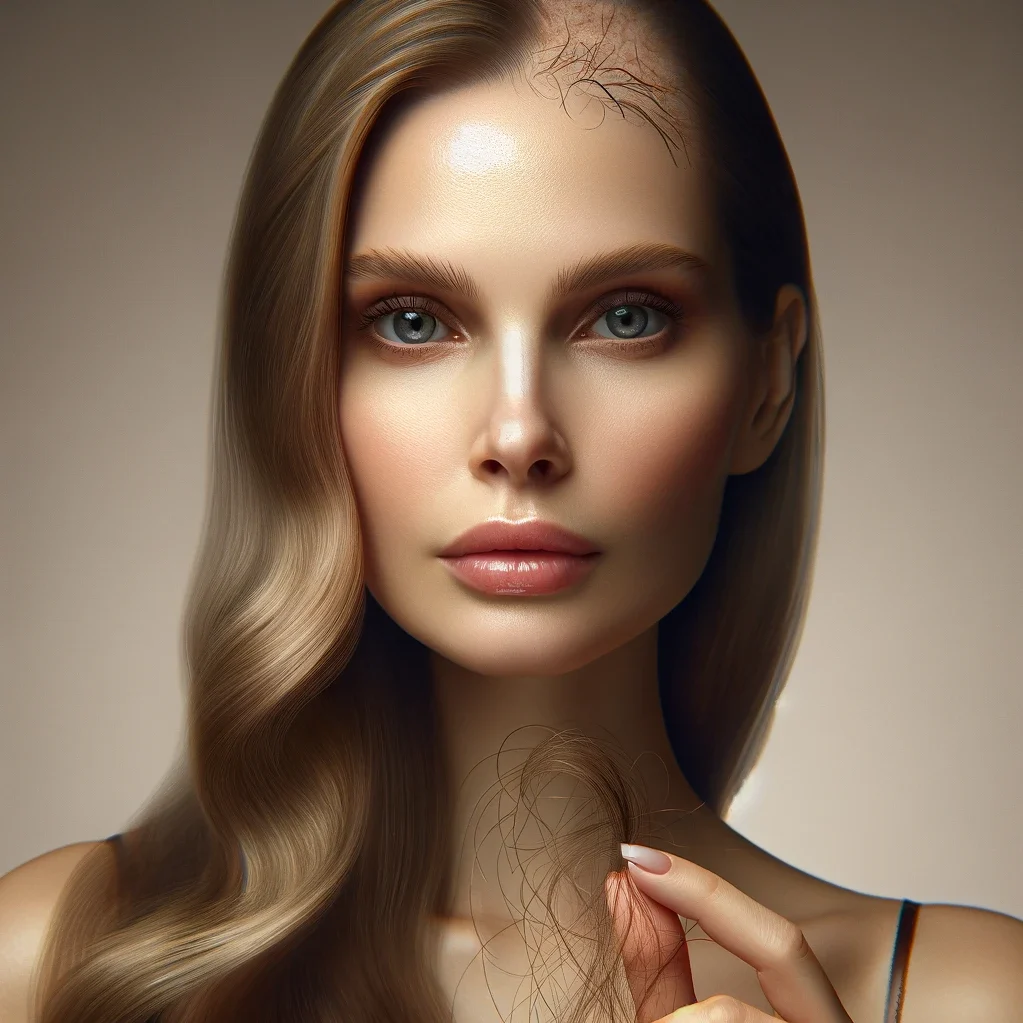
Image: Pattern of hair thinning due to stress-related hair loss in women in their 30s.
| Hair Loss Cause | Description |
|---|---|
| Chronic stress-related hair loss | Gradual thinning of hair due to prolonged exposure to stress. |
| Telogen effluvium | Rapid hair shedding following a severe stress event. |
| Trichotillomania | Compulsive hair-pulling resulting in hair loss. |
| Hormonal conditions | Conditions like PCOS can lead to hair loss in women. |
| Autoimmune diseases | Alopecia areata causes patchy hair loss. |
| Infections, medications, and nutritional deficiencies | These factors can contribute to hair loss. |
| Diabetes, childbirth, genetics, and lifestyle factors | These can also play a role in hair loss. |
Conclusion
Hair loss can be a significant concern for women in their 30s, impacting their confidence and overall well-being. Stress-related hair loss is a common issue that many women in this age group face. Seeking professional advice and medical evaluation is crucial in identifying the underlying cause of hair loss.
Addressing the physical aspects of hair loss through various treatments and making necessary lifestyle modifications can help promote hair growth and prevent further shedding. It is essential to adopt a comprehensive approach that considers both the physical and psychological impact of hair loss.
Support groups, therapy, and finding ways to cover up or embrace the new appearance can all aid in coping with the emotional effects of stress-related hair loss. By managing stress levels, practicing self-care, and incorporating healthy habits, women in their 30s can take proactive steps to prevent and manage hair loss, ensuring a healthier and fuller head of hair.
FAQ
How does stress cause hair loss in women in their 30s?
Stress can disrupt the natural hair growth cycle, leading to hair loss. It can affect hormone levels in the body and increase the production of stress hormones, which can contribute to hair shedding or thinning.
What are the different types of stress-related hair loss in women?
There are three types of stress-related hair loss in women: chronic stress-related hair loss, telogen effluvium, and trichotillomania. Chronic stress-related hair loss occurs due to prolonged exposure to stress, telogen effluvium is a more acute form of hair loss that occurs after severe stress events, and trichotillomania is a condition where individuals pull or pluck their own hair as a nervous habit.
What are some other causes of hair loss in women?
Aside from stress, other causes of hair loss in women include hormonal conditions (such as polycystic ovary syndrome), autoimmune diseases (like alopecia areata), infections, medications, nutritional deficiencies, diabetes, childbirth, genetics, and certain lifestyle factors.
How can stress-related hair loss in women in their 30s be managed and treated?
It is important to seek professional advice and undergo medical evaluation to determine the underlying cause of hair loss. Treatment options may include using hair lotions containing minoxidil, making lifestyle changes, managing stress levels, and addressing any underlying medical conditions. Additionally, seeking support through support groups or therapy can help in coping with the emotional impact of hair loss.
Are there ways to prevent stress-related hair loss in women in their 30s?
While it may not be possible to completely prevent stress-related hair loss, there are steps you can take to minimize its impact. These include practicing stress management techniques, maintaining a healthy lifestyle, eating a balanced diet, avoiding harsh styling practices, and using products that promote hair health.
1 thought on “Stress-Related Hair Loss in Women 30s: Solutions”