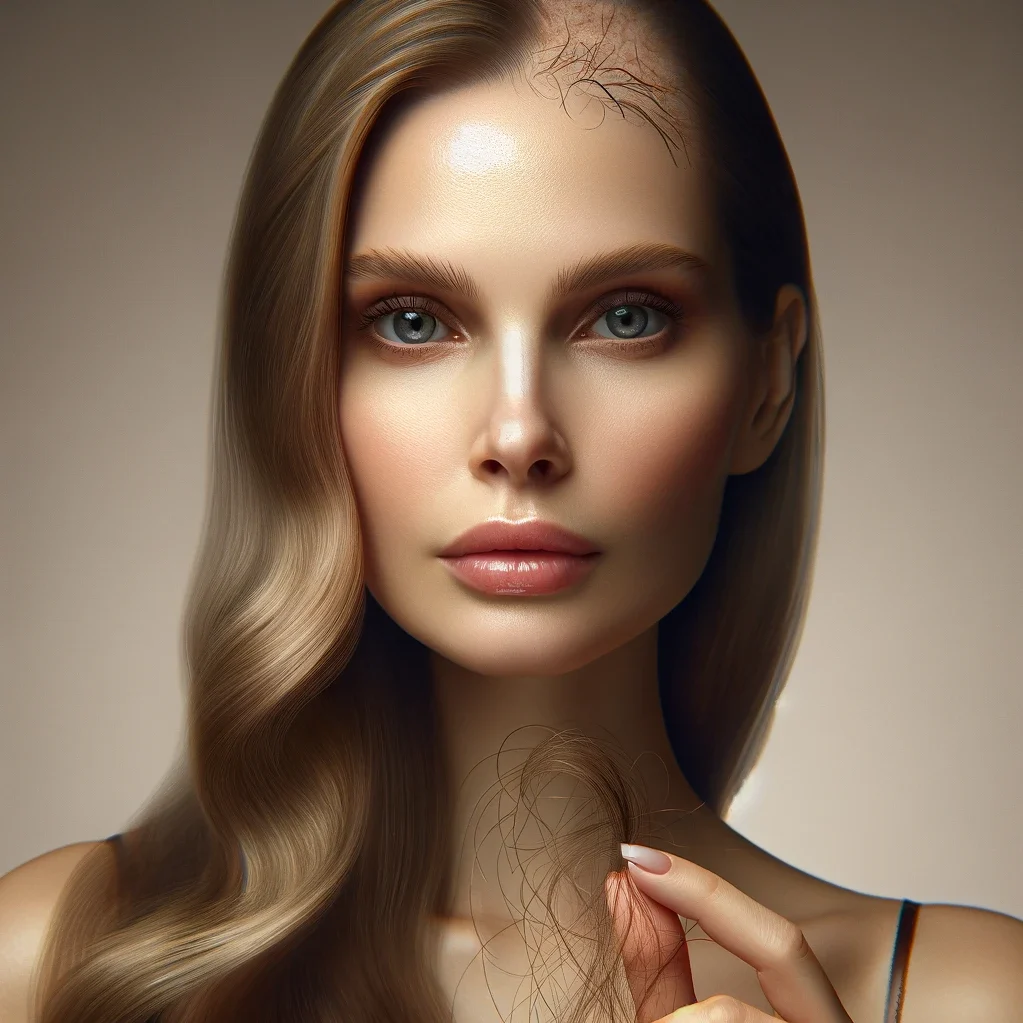
Welcome to our comprehensive guide on postpartum hair loss treatment for women in their 30s. As a new mom, you may be experiencing hair loss after childbirth, commonly known as postpartum shedding or telogen effluvium. We understand that this can be a concerning and frustrating experience, but rest assured, you are not alone. Many women in their 30s go through this temporary phase.
Postpartum hair loss typically starts around three to four months after delivery and can last for several months. The hormonal changes during pregnancy, particularly the drop in estrogen levels after giving birth, can trigger an increase in hair shedding. But the good news is that there are effective treatments and remedies available to help promote hair regrowth and combat postpartum hair loss.
During this time, it is crucial to take care of your hair and scalp. Maintaining a healthy diet with prenatal vitamins or supplements can help reduce hair loss. Incorporating nutrients like vitamin C, biotin, and amino acids into your daily routine can support hair growth. Additionally, using scalp-friendly hair care products, trying different hairstyles, and exploring scalp scrubs and toners can contribute to healthier hair.
If you find yourself struggling with postpartum hair loss and need professional advice, we recommend reaching out to a trusted healthcare provider or a dermatologist specializing in hair loss. They can provide personalized guidance and recommend the best course of action based on your specific needs.
We are here to support you throughout this journey. In the following sections of this guide, we will delve deeper into tips and solutions for dealing with postpartum hair loss, as well as embracing change and boosting confidence. You deserve to feel confident and beautiful as you navigate through this exciting chapter of motherhood.
Dealing with Postpartum Hair Loss: Tips and Solutions
When it comes to dealing with postpartum hair loss, there are several strategies that new moms in their 30s can employ to promote hair regrowth and manage hair thinning. Here are some helpful tips and solutions:
Maintain a Balanced Diet and Take Prenatal Vitamins
A balanced diet rich in essential nutrients is crucial for healthy hair regrowth after pregnancy. Incorporate foods that are high in vitamins, minerals, and proteins such as lean meats, fish, fruits, vegetables, and whole grains. Additionally, taking prenatal vitamins or supplements can provide the necessary nutrients to support hair growth. Pay special attention to vitamin C, biotin, and amino acids, as they are known for their positive effects on hair health.
Switch Up Hairstyles and Partings
Experimenting with different hairstyles and partings can help create the appearance of volume and disguise hair thinning. Opt for styles that add dimension and fullness, such as loose waves, curls, or updos. Changing the parting can also make a noticeable difference in creating the illusion of thicker hair.
Use Scalp-Friendly Hair Care Products
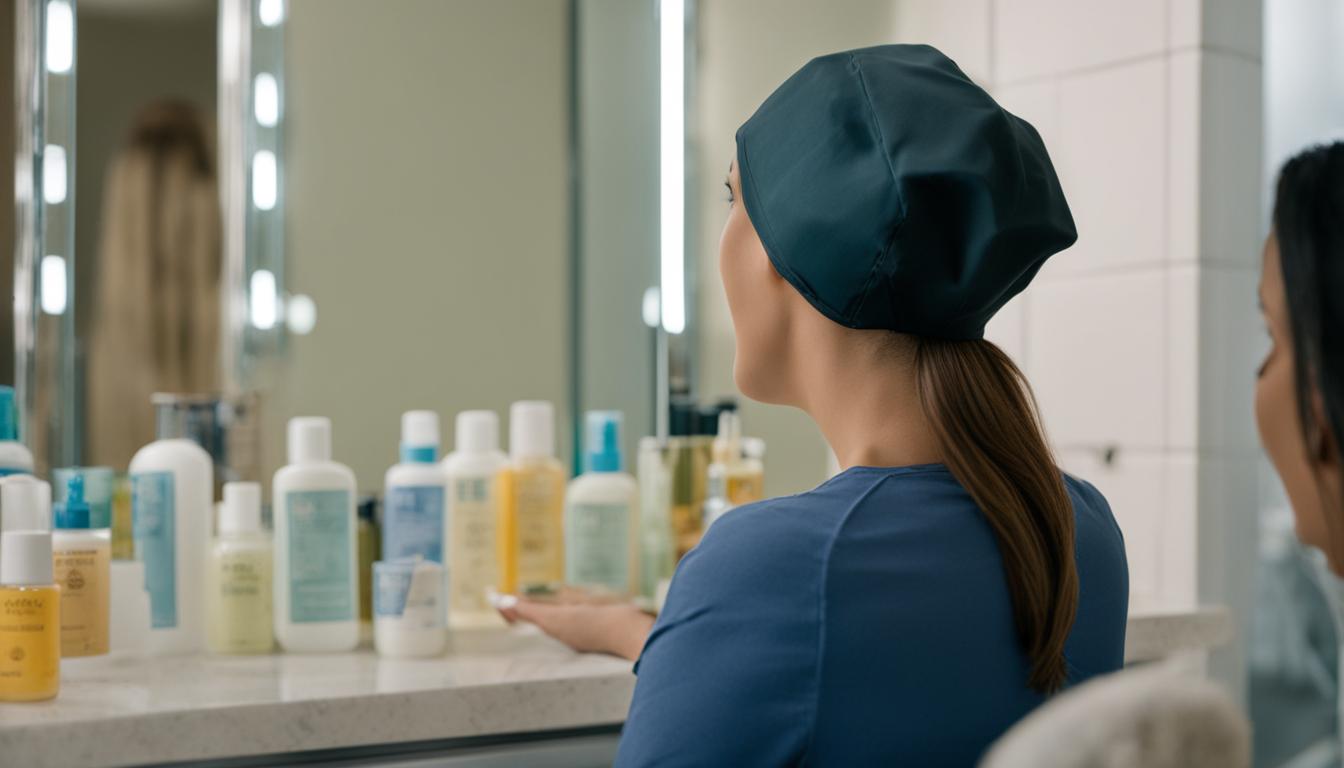
Choosing lighter hair care products that are scalp-friendly can make a significant impact on hair health and regrowth. Look for products specifically formulated to strengthen and nourish the hair follicles. Avoid using harsh chemicals or excessive heat styling, as they can further damage the hair and impede regrowth.
Incorporate Scalp Scrubs and Toners
Scalp scrubs and toners can be excellent additions to your hair care routine as they help to exfoliate the scalp, remove debris, and stimulate blood circulation. These actions promote a healthy environment for hair growth and provide gentle care to the scalp.
Be Patient and Seek Professional Advice if Needed
It’s important to be patient during the postpartum period, as hair regrowth can take time and vary from person to person. If you have concerns about excessive hair loss or the effectiveness of your hair care routine, don’t hesitate to seek professional advice from a dermatologist or a trichologist. They can provide personalized recommendations and treatments tailored to your specific needs.
By implementing these tips and solutions, women in their 30s can effectively deal with postpartum hair loss and support healthy hair regrowth after pregnancy. Remember, embracing the changes in your hair and practicing self-care are key to maintaining confidence and embracing your natural beauty.
Embracing Change and Boosting Confidence
When experiencing postpartum hair loss, it is crucial for women in their 30s to embrace the changes in their hair and focus on boosting their confidence. This temporary phase can be challenging, but there are ways to navigate through it with positivity and grace.
Joining support groups or seeking therapy can provide valuable emotional support and an opportunity to share experiences with others who are going through similar challenges. Talking to professionals or connecting with fellow new moms can help alleviate worries and anxieties, creating a sense of camaraderie and understanding.
Accepting the temporary nature of postpartum hair loss is key. By practicing self-care and self-love, women can maintain a positive mindset during this transition. Taking time for relaxation, pursuing hobbies, and engaging in activities that promote well-being can greatly contribute to overall confidence and self-assurance.
While some may choose to use wigs, hair extensions, scarves, or makeup to cover up their hair loss, embracing one’s natural hair and allowing it to grow and change can be empowering. Patience is crucial, as hair regrowth can vary from person to person. Exploring natural hair growth methods, such as a balanced diet, proper hair care, and the use of recommended hair growth products, can also aid in preventing hair loss after childbirth and promote healthy regrowth.
FAQ
What is postpartum hair loss?
Postpartum hair loss, also known as postpartum shedding or telogen effluvium, is a normal occurrence after giving birth. It is characterized by an increase in hair loss due to a drop in estrogen levels. This type of hair loss typically begins around three to four months after delivery and can last for several months.
How can women in their 30s deal with postpartum hair loss?
Women in their 30s can employ several strategies to address postpartum hair loss. These include maintaining a balanced diet and taking prenatal vitamins or supplements rich in vitamin C, biotin, and amino acids. Switching up hairstyles and partings can create the illusion of volume and disguise thinning hair. Using scalp-friendly hair care products, scalp scrubs, and toners can also support hair health and stimulate regrowth.
How long does it take for hair to regrow after pregnancy?
The hair regrowth process after pregnancy can vary from person to person, but it usually takes several months to a year for hair to fully regrow. It is important to be patient and consistent with a healthy hair care routine to promote regrowth.
Is postpartum hair loss permanent?
No, postpartum hair loss is usually temporary. With time and proper care, healthy hair growth can be restored. It is important to remember that this is a normal and common experience for new moms.
How can new moms boost their confidence during postpartum hair loss?
New moms can boost their confidence during postpartum hair loss by embracing the changes in their hair and focusing on self-care and self-love. Joining support groups or seeking therapy can provide emotional support and the opportunity to share experiences with others facing similar challenges. Accepting the temporary nature of postpartum hair loss and practicing positive mindset can go a long way in boosting confidence.
1 thought on “Postpartum Hair Loss Treatment for Women in 30s”