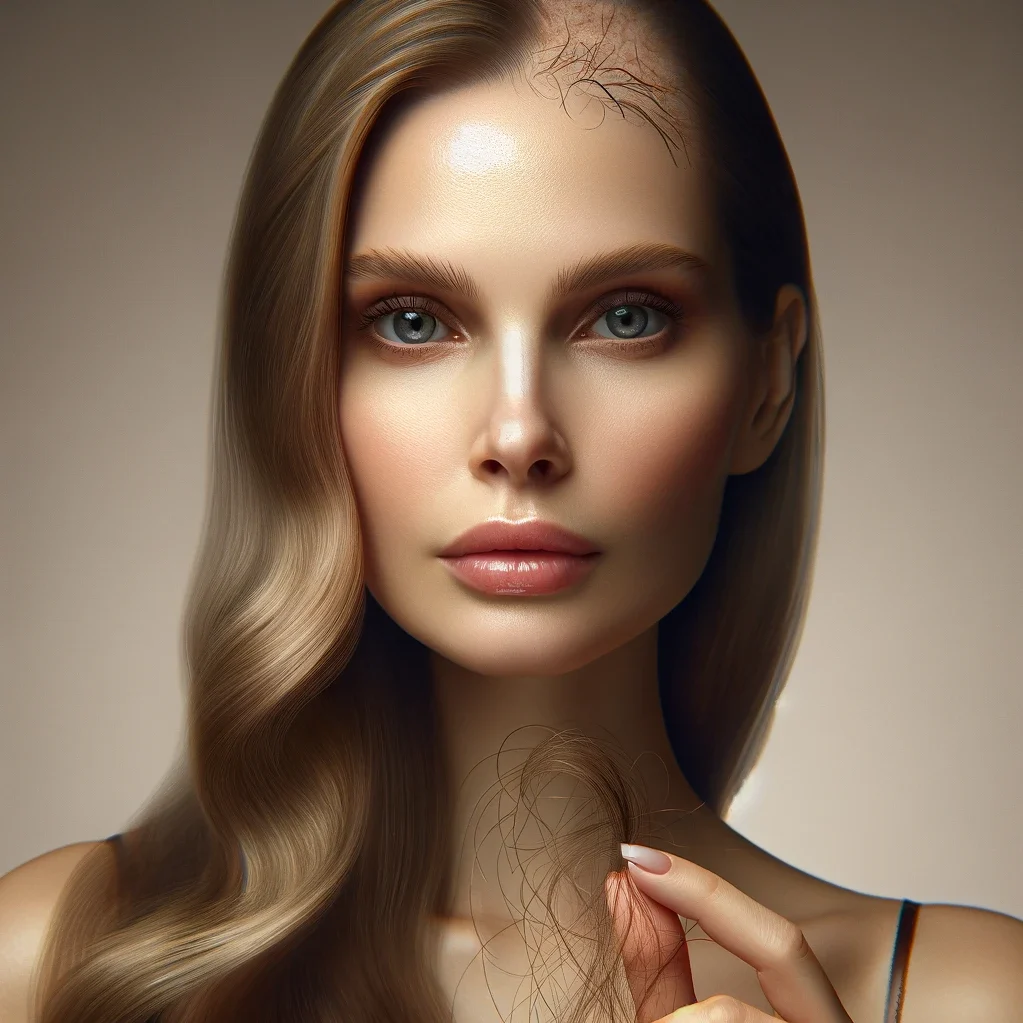
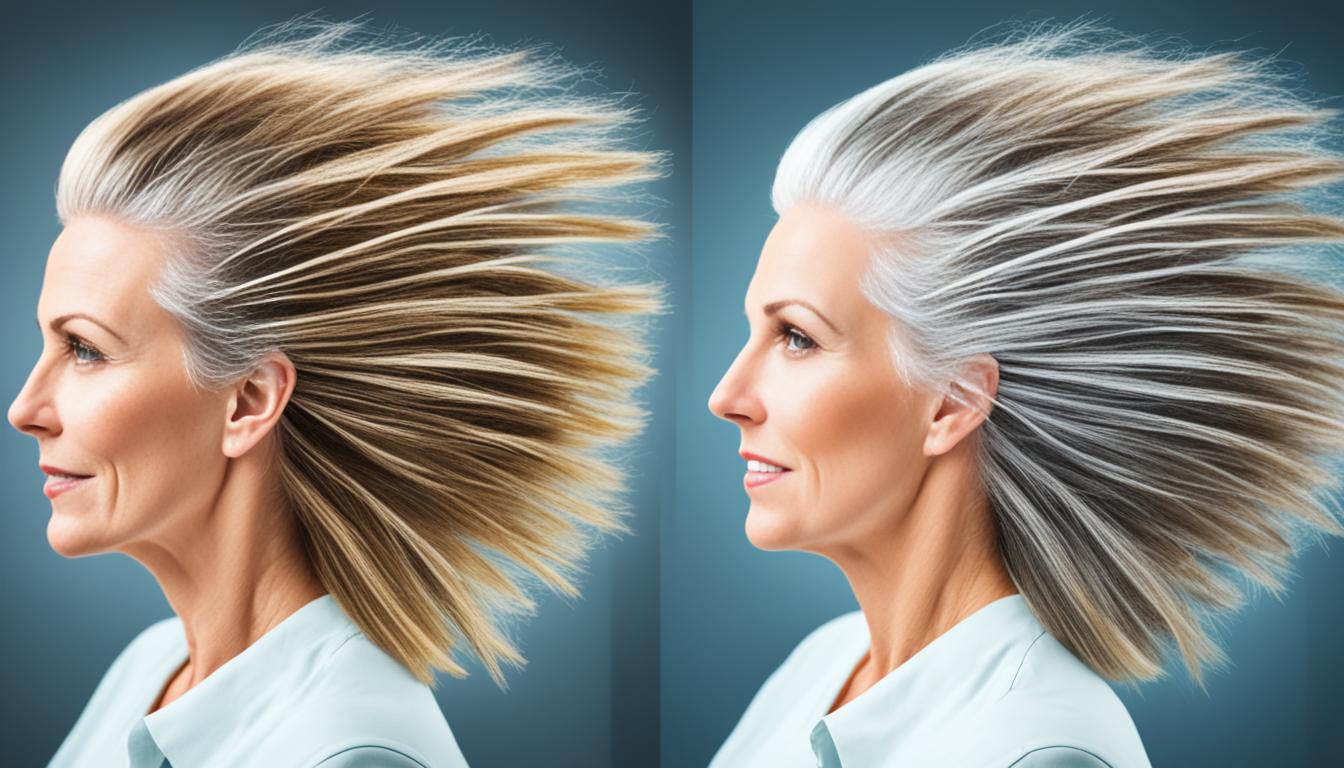
Hair loss, also known as alopecia, can be a distressing condition that affects many individuals, both men and women, worldwide. It can occur on the scalp or the entire body and can have various causes. Rapid hair loss can be temporary or permanent, and understanding the underlying factors can help in finding effective solutions.
There are numerous reasons why individuals may experience rapid hair loss. One common cause is heredity, where baldness, also known as excessive hair loss on the scalp, is passed down through generations. Another factor is hormonal changes, such as those experienced during pregnancy or menopause, which can disrupt the hair growth cycle. Medical conditions like thyroid disorders, autoimmune diseases, and scalp infections can also contribute to hair loss.
Aging is another significant factor that can lead to hair thinning and loss over time. As we get older, the hair follicles shrink, resulting in finer and shorter hair. Additionally, certain medications, supplements, and radiation therapy can trigger temporary or permanent hair loss as a side effect.
Stress, both physical and emotional, can also be a contributor to rapid hair loss. Hairstyles and treatments that put excessive strain on the hair, such as tight ponytails, braids, or heat styling, can cause traction alopecia. Furthermore, exposure to sunlight without proper protection can damage the hair and exacerbate hair loss.
It is important to understand the signs and symptoms of hair loss, as it can vary depending on the underlying cause. Gradual thinning, circular or patchy bald spots, sudden loosening of hair, and full-body hair loss are some common indications. If you are distressed by persistent hair loss or notice sudden or patchy hair loss, it is advisable to consult with a doctor.
Fortunately, there are various treatments and remedies available to manage and combat rapid hair loss. From over-the-counter medications to prescription treatments, there are options to slow down hair loss, promote regrowth, and prevent further loss. Additionally, adopting healthy lifestyle habits, such as maintaining a balanced diet, managing stress levels, and being gentle with your hair, can play a crucial role in preventing hair loss.
Key Takeaways:
- Rapid hair loss, or alopecia, can occur on the scalp or the entire body and can be temporary or permanent.
- Causes of hair loss include heredity, hormonal changes, medical conditions, aging, medications, stress, and hairstyles and treatments that put strain on the hair.
- Signs and symptoms of hair loss can vary, such as gradual thinning, patchy bald spots, sudden hair loosening, and full-body hair loss.
- Effective treatments and remedies for hair loss include medication, lifestyle changes, and adopting proper hair care practices.
- Consulting with a doctor is important for a proper diagnosis and tailored treatment plan.
Effective Hair Loss Treatments and Remedies.
Hair loss can be a distressing experience, but there are various treatments and remedies available to help manage and prevent it. Here are some effective strategies to combat hair loss:
1. Nutritional Supplements
Certain vitamins and minerals play a key role in promoting hair health. Supplements like biotin, vitamin D, and zinc can help strengthen the hair follicles and encourage healthy growth.
2. Topical Treatments
Topical solutions containing minoxidil have shown promising results in treating hair loss. Minoxidil stimulates hair growth and can be applied directly to the scalp for optimal results.
3. Hair Care Practices
Proper hair care plays a crucial role in preventing hair loss. Avoid excessive heat styling, tight hairstyles, and harsh chemicals that can damage the hair follicles. Use a gentle shampoo and conditioner, and consider incorporating a moisturizing hair mask into your routine.
4. Scalp Massage
Regular scalp massages can increase blood flow to the hair follicles, promoting healthy hair growth. It can also help reduce stress, which is a common contributor to hair loss.
5. Laser Therapy
Low-level laser therapy stimulates hair follicles and improves their function. It has been shown to be effective in reducing hair loss and promoting regrowth.
6. Stress Management
Chronic stress can contribute to hair loss. Engage in stress-reducing activities like exercise, meditation, or yoga to promote overall well-being and maintain healthy hair.
7. Medical Interventions
In certain cases, medical interventions like hair transplants or platelet-rich plasma (PRP) therapy may be recommended. These treatments can help restore hair growth in individuals with severe hair loss.
“Prevention is key when it comes to hair loss. Adopting a proactive approach and incorporating these remedies into your routine can help preserve your hair’s health and prevent further loss.”
By implementing these hair loss treatments and remedies, you can take control of your hair health and address the underlying causes of hair loss. Remember to consult with a healthcare professional to determine the best course of action for your specific needs.
Conclusion
Rapid hair loss can be a distressing condition that affects both men and women. Understanding the causes and available solutions for hair loss is crucial in order to effectively manage the condition.
Whether it is genetic factors, hormonal changes, medical conditions, or other external factors, there are various treatments and remedies available to slow down hair loss, promote regrowth, and prevent further hair loss.
It is important to consult with a healthcare professional to determine the underlying cause of hair loss and to receive personalized treatment options. By taking proactive steps and adopting proper hair care practices, individuals can minimize the impact of rapid hair loss and maintain healthy hair.
FAQ
What are the common causes of rapid hair loss?
The common causes of rapid hair loss include heredity, hormonal changes, medical conditions, medications and supplements, radiation therapy, stress, hairstyles and treatments, and more.
What are the signs and symptoms of hair loss?
Hair loss can present in different ways, such as gradual thinning, circular or patchy bald spots, sudden loosening of hair, and even full-body hair loss.
When should I see a doctor about hair loss?
It is recommended to see a doctor if you are distressed by persistent hair loss or notice sudden or patchy hair loss. They can help determine the underlying cause and provide appropriate treatment options.
Can hair loss be prevented?
While not all types of hair loss can be prevented, there are strategies you can adopt to minimize its impact. Be gentle with your hair, avoid harsh treatments, protect your hair from sunlight, and maintain a healthy lifestyle.
What are some effective hair loss treatments and remedies?
Some effective treatments and remedies for hair loss include medications like minoxidil and finasteride, laser therapy, hair transplantation, scalp micropigmentation, and natural remedies like essential oils and proper nutrition.
Are there specific treatments for hair loss in men and women?
Yes, there are specific treatments available for hair loss in both men and women. These treatments may vary based on the underlying cause and can be tailored to suit individual needs.