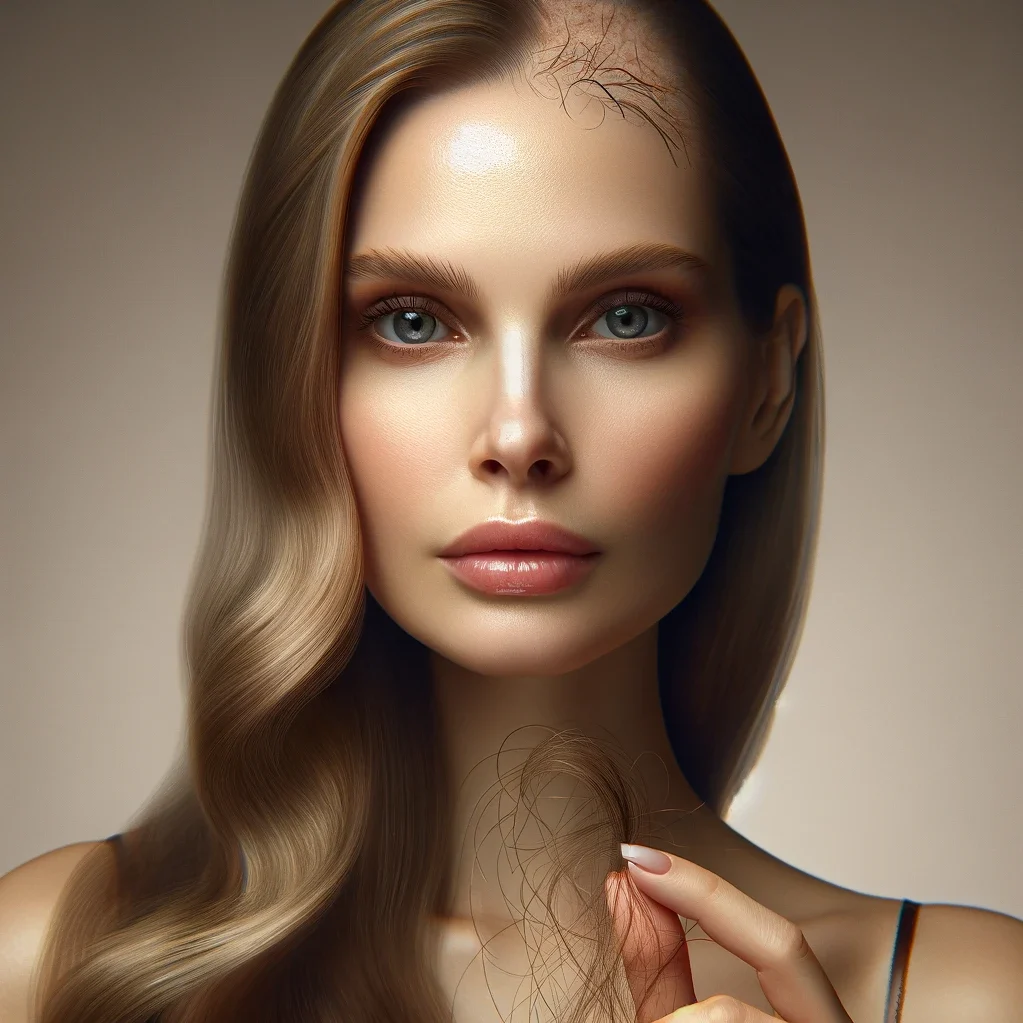
Hair loss, particularly male pattern baldness, occurs as hormone levels change over a man’s lifetime, primarily due to the hormone dihydrotestosterone (DHT). However, there are many myths and misconceptions surrounding hair loss.
One common myth is that wearing hats or dirty hats can lead to hair loss, but there is no evidence to support this claim. Additionally, baldness is not solely inherited from the mother’s side, as both maternal and paternal genes contribute to the likelihood of hair loss.
It’s also important to note that hair loss is not exclusive to men, as women can also experience hair thinning and baldness. Stress is often blamed as a cause of hair loss, but while it can contribute to temporary hair shedding, it is not the sole cause of chronic hair loss.
Hair loss is not always irreversible, as there are medications and treatments available that can slow down or even reverse the process. It is also a misconception that hair loss only affects older people, as it can occur at any age. Washing hair too often does not cause hair loss, but using harsh shampoos or excessive heat during styling can lead to hair damage and breakage. There is also no direct link between hair loss and excessive sun exposure.
Hair restoration treatments, such as Finasteride (Propecia) and minoxidil (Rogaine), can be effective in preventing further hair loss. It’s essential to take action as soon as hair thinning is noticed, as maintaining a full head of hair becomes more challenging once hair loss begins.
Key Takeaways:
- Dihydrotestosterone (DHT) plays a crucial role in hair loss, particularly male pattern baldness.
- Hair loss is not exclusive to men. Women can also experience hair thinning and baldness.
- Stress is not the sole cause of chronic hair loss, but it can contribute to temporary hair shedding.
- Hair loss is not always irreversible. Medications and treatments can slow down or reverse the process.
- Proper hair care and using suitable products can help maintain healthy hair.
The Role of Dihydrotestosterone (DHT) in Hair Loss
Dihydrotestosterone (DHT) is a hormone that plays a crucial role in hair loss, particularly male pattern baldness. Derived from testosterone, DHT is a more potent form of the hormone. During the anagen (growth) phase of the hair growth cycle, DHT stimulates hair follicles, promoting hair growth.
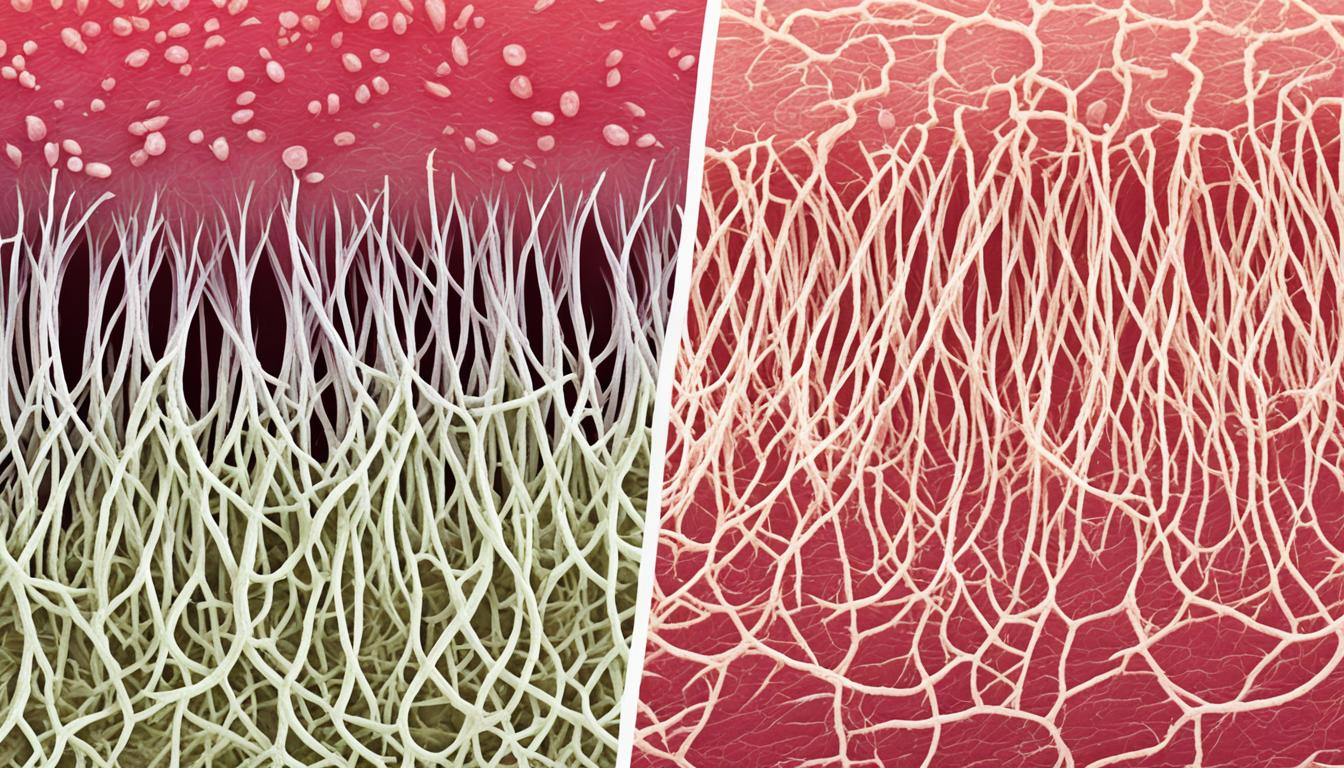
However, high levels of DHT can disrupt this process. Excessive DHT can lead to a shorter anagen phase, causing hair to become shorter, thinner, and eventually leading to hair loss. DHT binds to and activates the androgen receptors in hair follicles, triggering their miniaturization.
| DHT and Hair Loss | |
|---|---|
| Role | Plays a crucial role in hair loss, particularly male pattern baldness. |
| Source | Derived from testosterone, a hormone present in both men and women. |
| Effect | Stimulates hair follicles during the anagen phase, but high levels can lead to hair thinning and miniaturization. |
| Male Pattern Baldness | Primarily associated with male pattern baldness, but also plays a role in female pattern hair loss. |
| Genetic Factors | Genetic Factors influence the sensitivity of hair follicles to DHT in both men and women. |
While DHT is a primary factor in male pattern baldness, it is important to recognize that hair loss is a complex issue influenced by various factors, including genetics, hormonal changes, and inflammation.
Conclusion
In conclusion, it’s essential to separate hair loss myths from facts to make informed decisions about hair care and seek appropriate treatments. Hair loss is a complex condition influenced by genetics, hormones, and various other factors.
To accurately diagnose the causes of hair loss and develop personalized treatment plans, it’s crucial to consult with professionals such as dermatologists or hair loss experts. While some forms of hair loss may be irreversible, there are treatments available that can slow down or even reverse the process.
Maintaining a healthy scalp, managing stress, and using suitable hair care products are vital aspects of proper hair care. By dispelling myths and seeking professional advice, individuals can better understand their hair health and make informed choices to address hair loss.
Remember, hair loss is not an obstacle that cannot be overcome. With the right knowledge and approach, you can take control of your hair and strive for healthy, vibrant locks.
FAQ
What causes hair loss?
Hair loss can be caused by various factors, including genetics, hormonal changes, and inflammation. One common cause is the hormone dihydrotestosterone (DHT), which plays a significant role in male pattern baldness.
Is hair loss hereditary?
Yes, hair loss can be hereditary. Both maternal and paternal genes contribute to the likelihood of hair loss. It is not solely inherited from the mother’s side as commonly believed.
Can women experience hair loss?
Yes, hair loss is not exclusive to men. Women can also experience hair thinning and baldness, typically due to genetic factors and hormonal changes.
Does stress cause hair loss?
While stress can contribute to temporary hair shedding, it is not the sole cause of chronic hair loss. Hair loss is a complex issue influenced by various factors, including genetics and hormonal changes.
Can hair loss be reversed?
Hair loss is not always irreversible. There are medications and treatments available, such as Finasteride (Propecia) and minoxidil (Rogaine), that can slow down or even reverse the process. Early intervention is crucial for the best outcomes.
Does washing hair too often cause hair loss?
No, washing hair too often does not cause hair loss. However, using harsh shampoos or excessive heat during styling can lead to hair damage and breakage.
Is there a link between hair loss and excessive sun exposure?
There is no direct link between hair loss and excessive sun exposure. However, it is essential to protect the scalp and hair from harmful UV rays to maintain overall hair health.
What hair loss treatments are available?
Hair restoration treatments, such as Finasteride (Propecia) and minoxidil (Rogaine), can be effective in preventing further hair loss. It is recommended to consult with professionals, such as dermatologists or hair loss experts, to determine the best treatment options.
At what age does hair loss usually occur?
Hair loss can occur at any age. While it is commonly associated with older individuals, it can also begin in the late teens or early twenties.
How can I prevent hair loss?
Preventing hair loss involves maintaining a healthy scalp, managing stress levels, using suitable hair care products, and seeking professional advice. Taking action as soon as hair thinning is noticed is crucial for better outcomes.