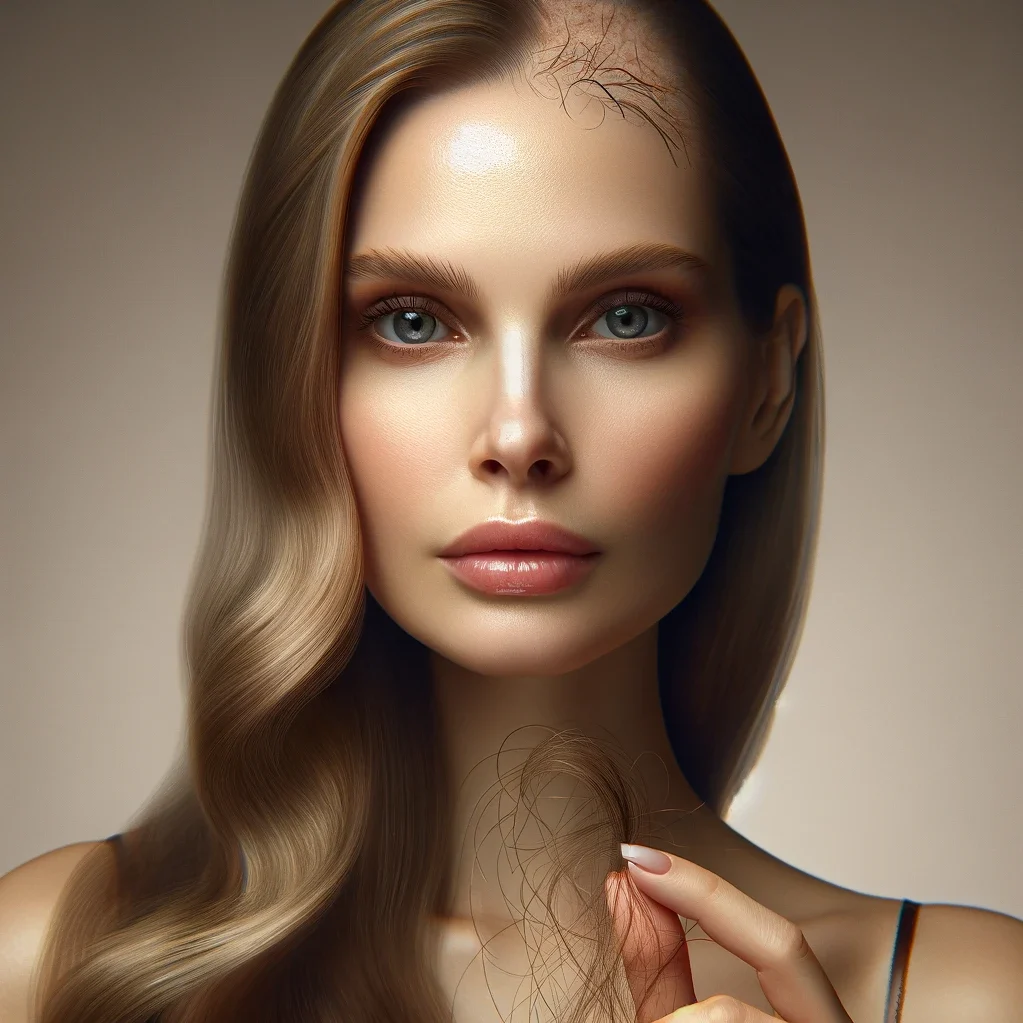
Hair loss, or alopecia, is a common condition that can affect both men and women. Whether it’s gradual thinning, patchy spots, or sudden hair loosening, losing hair can be a distressing experience. But don’t worry, we’re here to help you understand the causes of hair loss and provide tips for prevention and treatment.
There are various factors that can contribute to hair loss, including heredity, hormonal changes, medical conditions, and the natural aging process. The most common cause is hereditary hair loss, often referred to as male or female pattern baldness. However, other types of hair loss, such as alopecia areata (patchy hair loss) and traction alopecia (hair loss due to tight hairstyles), can also occur.
If you’re experiencing hair loss, it’s important to consult with a healthcare professional who can determine the underlying cause and recommend appropriate treatment options. In some cases, hair loss may be temporary and can be addressed with lifestyle changes and hair care remedies. For others, medical intervention and procedures may be necessary.
Key Takeaways:
- Hair loss can be caused by various factors, including genetics, hormonal changes, and medical conditions.
- Consulting with a healthcare professional is important to determine the cause of hair loss and explore treatment options.
- Preventing hair loss involves adopting a gentle hair care routine and maintaining overall health through stress management and a balanced diet.
- Treatment options for hair loss include medications, topical solutions, and hair transplant procedures.
- Natural remedies and supplements, such as biotin and iron, may promote hair regrowth.
Hair Loss Causes and Risk Factors
Hair loss, a common concern for many individuals, can be attributed to various causes and risk factors. Understanding these factors is crucial for identifying appropriate treatment and prevention strategies. Let’s explore the key factors that contribute to hair loss:
Hereditary Hair Loss
The most common cause of hair loss is hereditary hair loss, also known as androgenetic alopecia. This type of hair loss is associated with aging and certain genetic factors. It affects both men and women and often leads to gradual thinning of hair.
Hormonal Changes
Hormonal changes can play a significant role in hair loss. Pregnancy, childbirth, menopause, and thyroid problems can cause hormonal imbalances, leading to hair loss. These fluctuations can disrupt the hair growth cycle and result in hair thinning or shedding.
Medical Conditions
Several medical conditions can contribute to hair loss. Alopecia areata, an autoimmune condition, causes patchy hair loss. Scalp infections, such as ringworm, can also result in hair loss. Scarring alopecia, a condition that destroys hair follicles, can cause permanent hair loss in affected areas.
Medications
Certain medications can have hair loss as a side effect. Cancer treatments like chemotherapy and radiation therapy are known to cause hair loss. Other medications, such as those used to treat high blood pressure, depression, and arthritis, can also lead to hair thinning or loss.
Stress
Stress, both physical and emotional, can contribute to hair loss. During periods of intense stress, the body may shift into a state of shock, causing a condition known as telogen effluvium. This condition can result in significant hair shedding.
Poor Nutrition
Nutrition plays a vital role in maintaining healthy hair. Inadequate intake of essential nutrients, such as vitamins, minerals, and protein, can lead to hair thinning and loss. Poor nutrition can weaken hair follicles and disrupt the hair growth cycle.
Identifying the underlying cause of hair loss is essential for developing an effective treatment plan. Consult with a healthcare professional to determine the best course of action based on your specific situation.
In the next section, we will discuss effective hair loss prevention and treatment strategies that can help you address your concerns and promote hair regrowth.
Hair Loss Prevention and Treatment
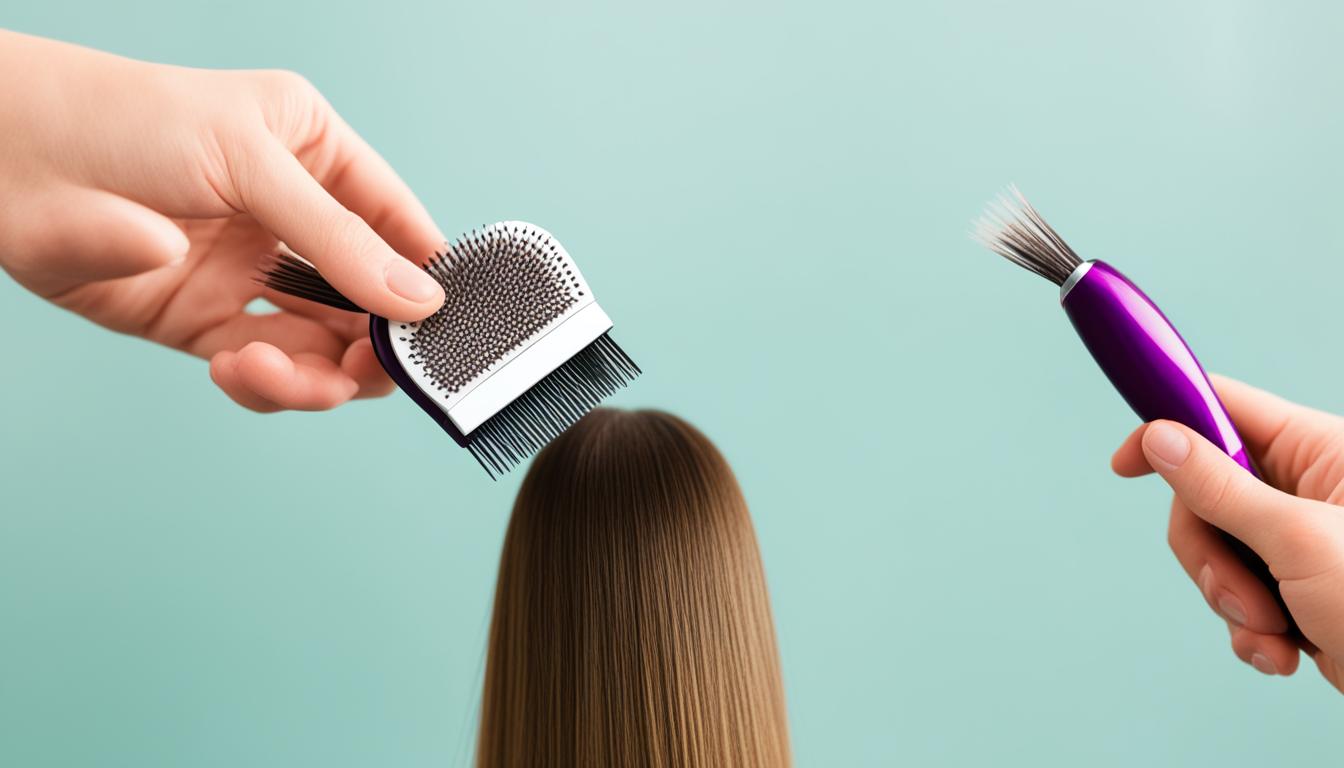
There are several strategies and treatments available to prevent and treat hair loss. Maintaining a gentle hair care routine is essential in preventing further hair loss. Use detanglers and wide-toothed combs to minimize hair breakage and avoid harsh treatments like hot rollers and hot-oil treatments that can damage the hair follicles.
Taking care of overall health is also crucial in hair loss prevention. Managing stress levels and practicing stress-reducing techniques can help prevent hair loss caused by stress. Adopting a balanced diet that is rich in nutrients, such as vitamins A, C, and E, as well as iron and omega-3 fatty acids, can promote hair health and minimize hair loss. Additionally, quitting smoking is essential, as smoking can restrict blood flow to the hair follicles, leading to hair loss.
If hair loss is due to hormonal issues or medical conditions, it is important to seek appropriate treatment options with the guidance of a healthcare professional. Medications, such as minoxidil and finasteride, can be prescribed to help promote hair regrowth. Topical solutions, such as hair growth serums and shampoos containing active ingredients like ketoconazole, can also be effective in reducing hair loss. In severe cases, hair transplant procedures may be considered to restore hair density and thickness.
Natural remedies and hair loss remedies can also be considered to stimulate hair regrowth. Biotin, a B-vitamin, is believed to promote hair growth, while iron and zinc supplements can help address any nutrient deficiencies that might contribute to hair loss. However, it is important to consult with a healthcare professional before using any supplements to ensure safety and efficacy.
Overall, a comprehensive approach that includes gentle hair care practices, overall health maintenance, and targeted treatments can help prevent further hair loss and promote hair regrowth. Consultation with a healthcare professional is crucial to determine the most suitable treatment approach for individual cases of hair loss.

Conclusion
Hair loss is a common concern that affects both men and women, and understanding the underlying factors is crucial for prevention and management. By adopting healthy hair care practices, addressing underlying medical conditions, and exploring suitable treatment options, individuals can take steps towards preventing further hair loss and promoting hair regrowth.
Consulting with a healthcare professional is recommended for a comprehensive evaluation and personalized treatment plan. They can help identify the specific causes of hair loss and recommend appropriate solutions. This may include medications, topical treatments, hair transplant procedures, or natural remedies and supplements.
Remember, hair loss can be caused by various factors, such as heredity, hormonal changes, medical conditions, medications, stress, and poor nutrition. Therefore, it’s important to address these factors and make necessary lifestyle adjustments to manage hair loss effectively.
With the right approach and guidance from healthcare professionals, individuals can take control of their hair loss and maintain healthy hair.
FAQ
What are the causes of hair loss?
Hair loss can be caused by various factors, including heredity, hormonal changes, medical conditions, medications, stress, and poor nutrition.
Is hair loss a common problem?
Yes, hair loss is a common concern that can affect both men and women. It can be a temporary or permanent condition.
What are some ways to prevent hair loss?
Preventing hair loss involves maintaining a gentle hair care routine, managing stress levels, adopting a balanced diet, and avoiding harsh treatments and lifestyle factors such as smoking.
How can I stimulate hair regrowth?
Hair regrowth can be stimulated through medical treatments, topical solutions, natural remedies, and supplements that may contain biotin, iron, and zinc.
Should I consult a healthcare professional for hair loss?
It is recommended to consult with a healthcare professional to determine the underlying cause of hair loss and to explore appropriate treatment options or prevention strategies.
Can hair loss be caused by hormonal changes?
Yes, hormonal changes due to factors such as pregnancy, childbirth, menopause, and thyroid problems can contribute to hair loss.
Are there any medications that can cause hair loss?
Yes, certain medications, including those used for cancer treatment, can have hair loss as a side effect.
Does stress play a role in hair loss?
Yes, high levels of stress can increase the risk of hair loss. Managing stress is important for hair loss prevention.
Can poor nutrition contribute to hair loss?
Yes, poor nutrition can impact hair health and contribute to hair loss. A balanced diet rich in nutrients is important for maintaining healthy hair.