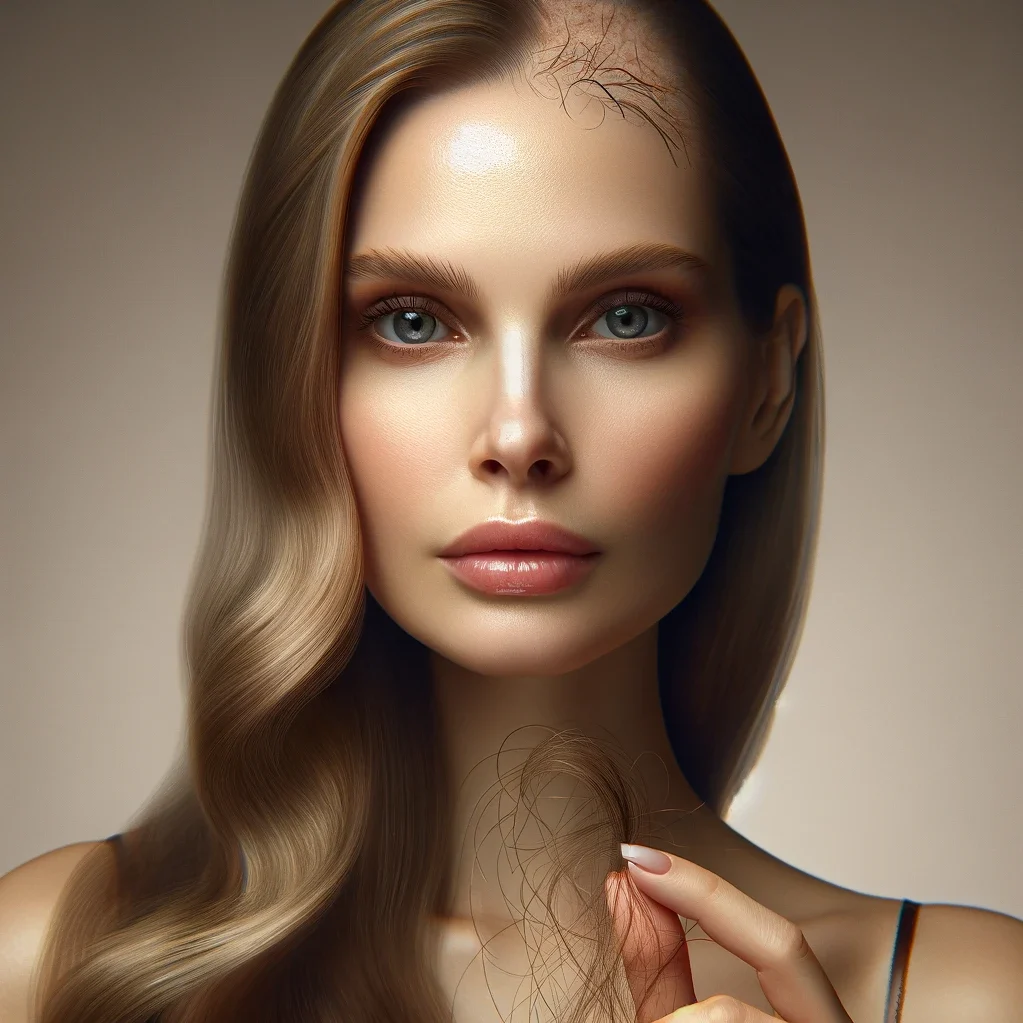
Have you ever wondered if your constant phone use could be causing your hair to thin or fall out? It’s a belief that has gained traction in recent years, but is there any truth to it? In this article, we’ll delve into the connection between phone use and hair loss to determine whether it’s a myth or a reality.
Key Takeaways:
- Scientific evidence suggests that phone use alone is not a direct cause of hair loss.
- Genetics, underlying health conditions, and lifestyle choices play a more significant role in hair thinning and baldness.
- Excessive screen time can lead to stress and psychological conditions that may indirectly affect hair health.
- Lifestyle factors, such as diet, exercise, and sleep, have a more pronounced impact on overall hair health.
- Adapting your hair care routine and minimizing the potential effects of phone use can help maintain healthy hair in the digital age.
Understanding Hair Loss
Before we delve into the potential link between phone use and hair loss, it is essential to first understand the common causes of hair loss. Hair loss can be attributed to a variety of factors, including genetics, underlying health conditions, and lifestyle choices.
Genetics play a significant role in determining hair loss patterns. If you have a family history of baldness or hair thinning, you may be more likely to experience similar issues.
Additionally, certain health conditions such as hormonal imbalances, autoimmune disorders, and nutritional deficiencies can contribute to hair loss. These underlying health conditions affect the hair growth cycle and can result in hair thinning or even complete baldness.
Moreover, lifestyle choices can impact hair health. Poor nutrition, excessive stress, smoking, and certain medications can all have a detrimental effect on the condition of your hair. It is important to maintain a balanced diet, manage stress levels, and avoid harmful habits to support healthy hair growth.
| Causes of Hair Loss | Description |
|---|---|
| Genetics | Inherited predisposition to hair loss patterns. |
| Underlying Health Conditions | Hormonal imbalances, autoimmune disorders, and nutritional deficiencies. |
| Lifestyle Choices | Poor nutrition, excessive stress, smoking, and certain medications. |
Understanding these common causes of hair loss will provide a solid foundation as we explore the potential impact of phone use on hair health. By examining these factors, we can gain a comprehensive understanding of the complexities surrounding hair loss and investigate whether phone use plays a significant role in this phenomenon.
The Rise of Smartphone Dependency
In today’s digital age, it’s no secret that smartphones have become an integral part of our daily lives. From staying connected with loved ones to accessing information on the go, these devices have revolutionized the way we live and work. However, with this increasing dependency on smartphones, it’s crucial to acknowledge the impact they have on our overall well-being, including our hair health.
Let’s take a closer look at some usage statistics and the effects of excessive screen time:
“85% of adults in the United States own a smartphone, with the average screen time exceeding 3 hours per day.”
– Pew Research Center
These numbers highlight the widespread reliance on smartphones and the amount of time we spend staring at screens. While the convenience and entertainment value they offer are undeniable, it’s essential to understand the effects of prolonged phone use on our health, including its potential impact on our hair.
Excessive screen time can contribute to a sedentary lifestyle, which can negatively affect our overall well-being. Sitting for prolonged periods can lead to poor posture, circulation problems, and increased stress levels, all of which may indirectly impact hair health. Additionally, the blue light emitted by screens has been linked to disrupted sleep patterns, which can further exacerbate hair-related issues.
By recognizing the rise of smartphone dependency and understanding the potential consequences of excessive screen time, we can take steps to mitigate these effects and maintain healthy hair.
| Impact of Smartphone Dependency on Hair Health | Recommendations for Maintaining Healthy Hair |
|---|---|
| Prolonged screen time can lead to a sedentary lifestyle, potentially affecting overall well-being, including hair health. |
|
| The blue light emitted by screens can disrupt sleep patterns, potentially leading to hair-related issues. |
|
By being mindful of our smartphone dependency and implementing these recommendations, we can strike a balance between our digital lives and our hair health. Remember, moderation is key when it comes to phone use, and prioritizing self-care is crucial for maintaining overall well-being, including healthy and vibrant hair.
Common Hair Myths
When it comes to hair care, there are numerous myths and misconceptions that can lead to confusion. In this section, we will address some of the most common hair myths and debunk them with scientific evidence. Understanding these myths is essential in order to evaluate the connection between phone use and hair loss more effectively.
Myth #1: Cutting your hair makes it grow faster
One of the most persistent hair myths is that cutting your hair regularly will make it grow faster. However, the rate of hair growth is determined by factors such as genetics and overall health, not by the frequency of haircuts. While regular trims can help maintain the health and appearance of your hair, they do not stimulate hair growth.
Myth #2: Washing your hair every day is necessary
Contrary to popular belief, washing your hair every day is not necessary for maintaining its cleanliness. Overwashing can strip the scalp of its natural oils, leading to dryness and potential damage. The frequency of hair washing varies depending on factors such as hair type, scalp condition, and personal preference.
“Overwashing can strip the scalp of its natural oils, leading to dryness and potential damage.”
Myth #3: Brushing your hair 100 times a day promotes hair growth
Brushing your hair excessively has long been believed to stimulate hair growth. However, excessive brushing can actually cause damage to the hair strands and scalp. It is important to brush your hair gently and only as needed to prevent breakage and maintain the health of your hair.
Myth #4: Plucking one gray hair causes more to grow
Many people fear that plucking one gray hair will cause more to grow in its place. This is simply a myth. Gray hair is a result of aging and the natural loss of pigmentation in the hair follicles. Plucking a gray hair does not affect the production or growth of other gray hairs.
Myth #5: Using more hair products results in healthier hair
A common misconception is that using a multitude of hair products will result in healthier hair. While hair products can provide benefits such as moisturization and styling, using too many products can weigh down the hair, cause product buildup, and even lead to scalp issues. It’s best to use a balanced hair care routine tailored to your specific needs.
By debunking these common hair myths, we can better understand the importance of a proper hair care routine and its connection to overall hair health. Now, let’s explore the potential impact of phone use on hair health in the next section.
Electromagnetic Radiation and Hair Health
One of the concerns regarding phone use and hair loss revolves around electromagnetic radiation emitted by smartphones. Electromagnetic radiation, also known as EMF (electromagnetic fields), is a form of non-ionizing radiation that is emitted by electronic devices such as phones, laptops, and tablets. However, the effects of EMF exposure on hair follicles and the potential link to hair thinning or hair loss are still under scientific investigation.
Research studies have explored the impact of electromagnetic radiation on various aspects of health, including the skin and body tissues. While there is evidence suggesting that long-term exposure to high levels of EMF can have adverse effects, such as increased melanin synthesis and changes in cell viability, its specific effects on hair follicles are not yet fully understood.
Some studies propose that electromagnetic radiation may influence the hair growth cycle by disrupting the signaling pathways involved in hair follicle regeneration. It is suggested that prolonged EMF exposure may lead to accelerated hair follicle aging, resulting in hair thinning or even hair loss. However, more research is needed to establish a definitive link between EMF exposure and hair health.
It’s important to note that the level of electromagnetic radiation emitted by smartphones is considered to be within the safety guidelines set by regulatory authorities. Nevertheless, if you are concerned about potential EMF exposure and its impact on your hair, there are several precautionary measures you can take.
Minimizing EMF Exposure:
- Limit your phone use and take regular breaks from prolonged screen time.
- Use speakerphone or headphones with a built-in microphone to keep the phone away from your head.
- Avoid sleeping with your phone near your head or under your pillow.
- Consider using an EMF shield or protective phone case.
While these measures may help to reduce potential EMF exposure, it’s important to remember that there are many other factors that can contribute to hair loss, such as genetics, hormonal imbalances, nutrient deficiencies, and underlying health conditions. A comprehensive approach to hair health should consider all these factors.
Ultimately, the effects of electromagnetic radiation on hair health are still a subject of ongoing scientific research. Until more conclusive evidence is available, it is advisable to maintain a balanced and healthy lifestyle, including proper hair care, to support optimal hair growth.
Psychological Impact of Phone Addiction
Excessive phone use can have a profound psychological impact, leading to increased stress levels, heightened anxiety, and other mental health conditions. These psychological factors may have indirect implications for hair health.
Stress is known to be a significant contributor to hair loss and hair thinning. When we experience stress, our bodies release hormones like cortisol, which can disrupt the natural hair growth cycle. Prolonged stress can weaken hair follicles and ultimately lead to hair loss.
In addition to stress, excessive phone use can also contribute to feelings of anxiety and social isolation. Constant scrolling and scrolling can increase feelings of inadequacy or FOMO (fear of missing out), which in turn can impact our mental well-being.
The psychological impact of phone addiction is a multifaceted issue that extends beyond just hair health. It’s important to recognize the potential detrimental effects it can have on our overall well-being.
“Spending excessive time on our phones can lead to feelings of stress, anxiety, and disconnection from real-life relationships. These psychological factors can indirectly impact our physical health, including our hair health.” – Dr. Emily Smith, Psychiatrist
Understanding the Mind-Body Connection
The mind-body connection plays a crucial role in our overall health. Our mental state and emotional well-being can have a direct impact on various aspects of our physical health, including our hair.
Research suggests that psychological factors, such as stress and anxiety, can disrupt the hair growth cycle and contribute to hair loss. By addressing the psychological impact of phone addiction, we can potentially mitigate any negative effects on our hair health.
Managing Phone Addiction for Hair Health
To maintain optimal hair health in the digital age, it’s essential to find a balance in our phone use and prioritize self-care. Here are some practical tips to help manage phone addiction:
- Set boundaries: Establish specific times during the day when you will disconnect from your phone to reduce screen time and create a healthier relationship with technology.
- Practice mindfulness: Engage in activities that promote relaxation and mindfulness, such as meditation, yoga, or spending time in nature. These practices can help alleviate stress and reduce the psychological impact of phone addiction.
- Foster human connections: Make an effort to engage in meaningful face-to-face interactions with friends and loved ones. Cultivating real-life relationships can provide a sense of belonging and fulfillment that technology often cannot replicate.
- Limit notifications: Minimize distractions by turning off unnecessary notifications on your phone. This will help reduce the urge to constantly check and respond to every message or alert.
- Practice self-care: Take care of your physical and mental well-being by prioritizing activities that promote relaxation and stress reduction. This can include exercise, adequate sleep, and engaging in hobbies or activities you enjoy.
By consciously managing phone addiction and prioritizing self-care, we can mitigate the potential psychological impact on our hair health and overall well-being.
Lifestyle Factors and Hair Loss
Lifestyle choices play a significant role in maintaining overall health, and this includes the health of our hair. Factors such as diet, exercise, and sleep patterns can impact the condition and strength of our hair. By understanding the importance of these lifestyle factors, we can better assess the potential effects of phone use on hair loss.
The Impact of Diet
What we eat can directly affect the health of our hair. A diet rich in essential nutrients, vitamins, and minerals provides the building blocks necessary for strong and vibrant hair. Foods that are rich in proteins, such as lean meats, fish, and legumes, contribute to hair growth and strength. Additionally, consuming fruits and vegetables that are high in antioxidants can support a healthy scalp and hair follicles.
The Role of Exercise
Regular exercise not only benefits our overall well-being but also promotes healthy hair growth. Physical activity stimulates blood flow, which in turn delivers vital nutrients and oxygen to the hair follicles. This nourishment is essential for maintaining healthy hair and preventing hair loss. Incorporating exercise into our daily routines can have a positive impact on our hair health.
The Importance of Quality Sleep
Sleep is a crucial aspect of our overall health, and it directly affects our hair health as well. During sleep, our body repairs and regenerates cells, including those responsible for hair growth. Getting an adequate amount of quality sleep allows for optimal cell renewal and strengthens hair follicles. Conversely, lack of sleep or poor sleep patterns can lead to hair thinning and various hair issues.
“Making conscious choices about our diet, exercise routines, and sleep patterns can significantly contribute to maintaining healthy hair.”
While phone use has become an integral part of our modern lifestyle, it’s important to acknowledge that lifestyle factors like diet, exercise, and sleep play a substantial role in hair health. By prioritizing these factors, we can create a solid foundation for healthy hair growth and minimize any potential negative impact from excessive phone use.
Practical Tips for Hair Health in the Digital Age
As our lives become more interconnected with technology, it’s important to prioritize hair care in the digital age. The constant use of phones and other digital devices can potentially impact the health of our hair. By incorporating these practical tips into your routine, you can minimize the potential negative effects and maintain healthy hair.
1. Limit Phone Use Near Your Hair
Try to minimize direct contact between your phone and your hair. The electromagnetic radiation emitted by phones can potentially affect hair follicles. Consider using hands-free options or speakerphone when talking on the phone to keep the device away from your hair.
2. Use Headphones or Bluetooth
Instead of placing your phone directly against your head, use headphones or Bluetooth devices to keep your hair away from the phone. This way, you can reduce the exposure of your hair to the electromagnetic radiation emitted by the device.
3. Take Regular Breaks from Your Phone
Excessive phone use can contribute to stress and anxiety, which may indirectly impact hair health. Take regular breaks from your phone to give your mind and body some time to relax. Engage in activities that promote relaxation, such as meditation, exercise, or spending time outdoors.
4. Maintain a Balanced Diet
A healthy diet plays a vital role in maintaining hair health. Ensure you include foods rich in essential vitamins and minerals such as biotin, vitamin E, and iron. These nutrients promote hair growth and strength. Consult with a healthcare professional or nutritionist to determine the best diet for your hair health.
5. Stay Hydrated
Proper hydration is crucial for overall hair health. Drink an adequate amount of water throughout the day to keep your hair and scalp hydrated. This will help prevent dryness and brittleness, promoting healthier hair.
6. Protect Your Hair from Heat
Excessive heat from styling tools can damage your hair. Minimize the use of heat styling tools and always apply a heat protectant spray before using them. Opt for hairstyles that don’t require excessive heat, such as air-drying your hair or embracing natural textures.
7. Take Care of Your Scalp
A healthy scalp is essential for healthy hair growth. Keep your scalp clean and well-nourished by using a gentle shampoo and conditioner. Avoid using harsh products that can strip away natural oils. Regularly massage your scalp to stimulate blood circulation and promote hair growth.
| Tip | Benefits |
|---|---|
| Avoid tight hairstyles | Prevents hair breakage and tension |
| Use satin or silk pillowcases | Reduces friction and hair damage |
| Avoid excessive brushing or combing | Minimizes hair breakage and damage |
| Protect hair from sun exposure | Prevents UV damage and color fading |
| Eat a balanced diet | Promotes healthy hair growth |
By following these practical tips, you can prioritize hair health in the digital age. Remember, maintaining healthy hair requires a holistic approach that takes into account various factors, including phone use. Make conscious choices to safeguard your hair and enjoy beautiful, thriving locks in this digital era.
Conclusion
After a thorough examination of the various factors and scientific evidence, we can confidently conclude that the belief linking phone use to hair loss is more of a myth than a reality. While excessive phone use and electromagnetic radiation may impact overall well-being, they do not directly cause hair loss.
Understanding the complexities surrounding hair health is crucial in evaluating the potential effects of phone use. Genetics, underlying health conditions, and lifestyle factors such as diet and exercise have a more significant impact on hair loss than phone usage alone. It is important to maintain a healthy lifestyle and take care of your hair through proper nutrition and regular maintenance.
While electromagnetic radiation emitted by smartphones can affect hair follicles, there is currently no conclusive evidence supporting a direct link between phone use and hair loss. Nevertheless, it is important to be mindful of the potential psychological impact of excessive phone use on stress levels and overall well-being.
In conclusion, while phone use does not cause hair loss, it is essential to maintain a balanced approach to technology and prioritize overall health. By understanding the complexities of hair health and making well-informed decisions about phone usage, you can ensure the well-being of your hair and overall wellness in the digital age.
FAQ
Is it true that phone use can cause hair loss?
There is no scientific evidence to suggest that phone use directly causes hair loss. Hair loss is primarily influenced by genetic factors, underlying health conditions, and lifestyle choices.
What are the common causes of hair loss?
Hair loss can be caused by various factors, including genetics, hormonal changes, medical conditions, certain medications, nutritional deficiencies, stress, and hairstyles that put excessive tension on the hair.
Are there any myths associated with hair care that I should be aware of?
Yes, there are several common hair myths that have been debunked by scientific evidence. Some examples include the belief that frequent shampooing causes hair loss, that wearing hats leads to baldness, or that cutting your hair promotes faster growth.
Does electromagnetic radiation from smartphones affect hair health?
The electromagnetic radiation emitted by smartphones, known as EMF, is considered to have a minimal impact on hair health. There is no conclusive evidence to suggest that EMF exposure from phones leads to hair loss or significant damage to hair follicles.
Can excessive phone use and addiction have psychological effects that indirectly impact hair health?
Excessive phone use and addiction can contribute to stress, anxiety, and other psychological conditions, which may indirectly affect hair health. However, the impact is more likely related to stress management and overall well-being rather than a direct cause of hair loss.
How can I maintain healthy hair in the digital age?
It’s important to adapt your hair care routine to minimize the potential impact of phone use. Some practical tips include avoiding excessive heat styling, using a protective barrier like a hat or scarf when exposed to sunlight, and adopting a balanced diet rich in nutrients that promote hair health.
Does phone use significantly contribute to hair loss?
While phone use may indirectly impact hair health through lifestyle factors like stress and anxiety, it is not a significant contributor to hair loss. Genetic predisposition, underlying health conditions, and overall lifestyle choices play a more substantial role.
Is it necessary to reduce phone use for the sake of hair health?
There is no need to reduce phone use specifically for the sake of hair health. However, reducing overall screen time and practicing a well-balanced lifestyle can have positive effects on both hair health and overall well-being.