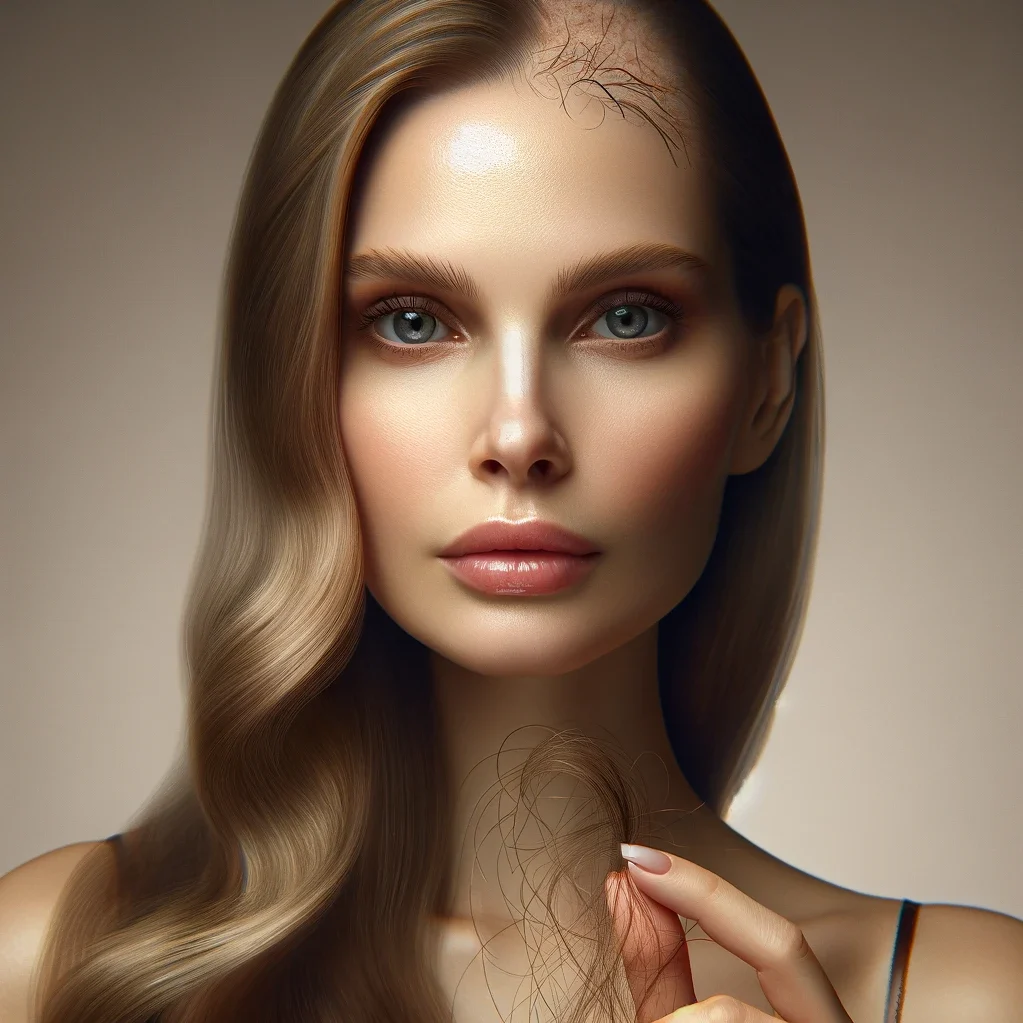
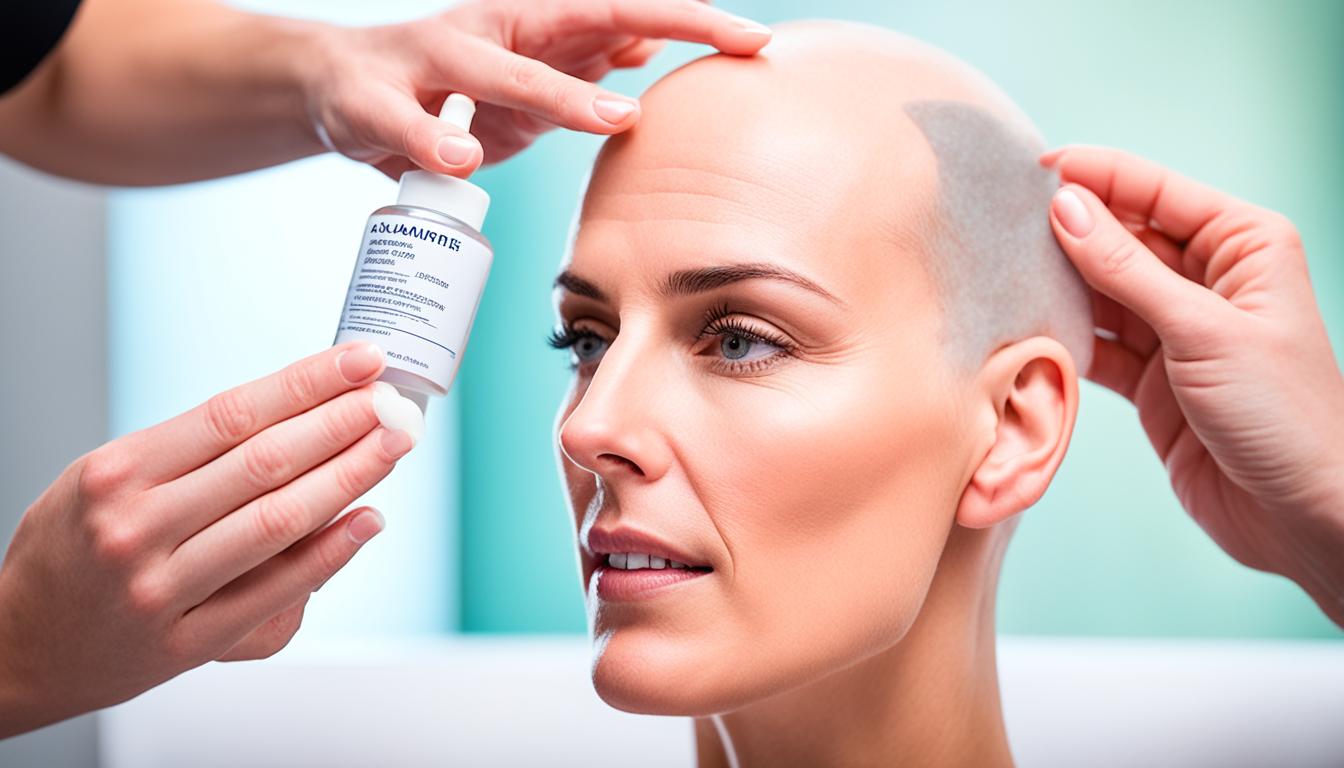
Welcome to our comprehensive guide on effective treatment options for female baldness. Hair loss and thinning in women can have various causes, including genetic factors, hormonal imbalances, and certain medical conditions. Understanding the available treatment options is crucial to addressing this concern and regaining healthy and vibrant hair.
In this article, we will explore different approaches to female baldness treatment, including topical medications, light therapy, ketoconazole, hormone therapy, and even hair transplantation. By providing you with valuable insights and information, we aim to empower you to make informed decisions about your hair health.
Key Takeaways:
- Female baldness treatment options include topical medications, light therapy, ketoconazole, hormone therapy, and hair transplantation.
- These treatments can help reduce hair loss, stimulate hair regrowth, and improve the overall appearance and health of the hair.
- Consult with a healthcare professional to determine the most suitable treatment option based on individual needs and underlying causes of hair loss.
- Consistent use and following the recommended application guidelines are important for optimal results with any treatment.
- Maintaining a healthy lifestyle, including a nutritious diet and stress management, can promote healthy hair growth.
- It’s essential to have realistic expectations and understand that results may vary depending on the individual and the severity of the hair loss.
Topical Medications for Female Hair Loss
When it comes to women’s hair loss treatment, topical medications have proven to be an effective solution. One such medication is Minoxidil, which is available under the brand name Rogaine. Minoxidil works by stimulating hair growth, thickening the hair, and reducing patchiness or widening of the hair parting.
To use Minoxidil, apply the medication directly to the scalp according to the recommended frequency. It is available in different concentrations, so it’s important to follow the instructions provided. Consistency is key when using topical medications, as results may take time to become noticeable.
“Topical medications such as Minoxidil have been shown to effectively treat female hair loss, promoting hair growth and improving overall hair health.”
In addition to Minoxidil, other topical treatments may also be used for women’s hair loss treatment. These may include corticosteroids, thymus peptides, or vasodilators. It’s important to consult with a healthcare professional to determine the most suitable treatment option based on individual needs and underlying causes of hair loss.
Comparison of Topical Medications for Female Hair Loss
| Medication | Brand Name | Benefits | Recommended Frequency |
|---|---|---|---|
| Minoxidil | Rogaine | Promotes hair growth, thickens hair, reduces patchiness or widening of the hair parting | Once or twice daily |
| Corticosteroids | N/A | Reduces inflammation, promotes hair growth | Varies based on specific medication |
| Thymus peptides | N/A | Stimulates hair follicles, promotes hair growth | Varies based on specific medication |
| Vasodilators | N/A | Improves blood flow to the scalp, promotes hair regrowth | Varies based on specific medication |
Light Therapy for Female Hair Loss
When it comes to finding effective solutions for female hair regrowth and preventing hair loss, one option to explore is light therapy. This non-invasive treatment can complement other hair loss treatments, such as Minoxidil, by enhancing their effects and promoting healthier hair.
Research has shown that adding low-level light therapy to Minoxidil treatment can significantly improve hair recovery and overall satisfaction with the treatment. This therapy involves exposing the scalp to specific wavelengths of light, which stimulates cell activity and promotes hair regrowth.
While the exact mechanisms of light therapy are still being studied, it is believed that the light energy encourages blood flow to the hair follicles and triggers cellular processes that support hair growth. By incorporating light therapy into your hair loss prevention routine, you may experience thicker, stronger, and more vibrant hair.
It is important to note that light therapy is not a standalone solution and works best when combined with other treatments. Consulting a healthcare professional or a dermatologist can help you determine the most suitable female hair regrowth solutions based on your unique needs and the underlying causes of your hair loss.
The Benefits of Light Therapy for Female Hair Loss
- Enhances the effectiveness of other hair loss treatments
- Stimulates hair regrowth
- Improves overall satisfaction with treatment
- Promotes thicker and stronger hair
- Non-invasive and painless
While the positive effects of light therapy have been observed in studies, further research is needed to strengthen these findings. It is always recommended to consult with a healthcare professional before starting any new treatment to ensure it is safe and appropriate for you.
To learn more about light therapy and other female hair loss prevention options, continue reading our comprehensive guide to effective solutions for female baldness treatment.
Stay tuned for the next sections where we discuss the benefits of ketoconazole for hair loss in women and hormone therapy as potential treatment options.
Ketoconazole for Hair Loss in Women
When it comes to finding effective remedies for hair loss in women, one option that has gained attention is ketoconazole. This ingredient, available in shampoo form, has shown promising results in reducing hair loss caused by conditions such as androgenetic alopecia, a common form of female pattern baldness.
Ketoconazole works by targeting inflammation in the scalp and improving the strength and appearance of the hair. It is believed to have anti-androgenic properties, meaning that it can help block the effects of hormones that contribute to hair loss in women. By reducing inflammation and regulating hormone levels, ketoconazole may stimulate hair growth and prevent further hair thinning.
“Ketoconazole shampoo can be an effective treatment option for women experiencing hair loss. It has shown potential in promoting hair regrowth and improving the overall health of the hair.”
Topical ketoconazole can be purchased over the counter, making it an easily accessible option for women seeking treatment for hair loss. However, it is important to note that stronger concentrations of ketoconazole may require a prescription from a healthcare professional.
How to Use Ketoconazole Shampoo
If you decide to incorporate ketoconazole shampoo into your hair care routine, it is important to use it correctly to maximize its benefits. Follow these steps:
- Wet your hair thoroughly.
- Apply a small amount of ketoconazole shampoo to your scalp.
- Gently massage the shampoo into your scalp for a few minutes.
- Leave the shampoo on your scalp for the recommended amount of time. Refer to the instructions on the product packaging for specific guidance.
- Rinse your hair thoroughly.
- Repeat the process as instructed, usually a few times a week or as recommended by your healthcare professional.
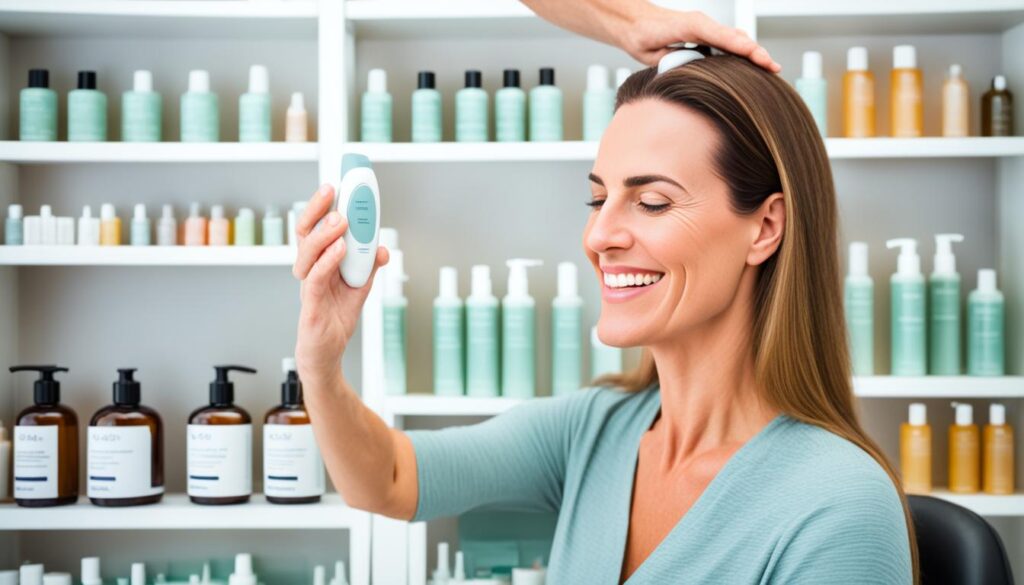
The effectiveness of ketoconazole may vary from person to person, and results may take time to become noticeable. It is important to be consistent with usage and consult with a healthcare professional for personalized advice and guidance.
Hormone Therapy for Hair Loss in Women
Hormone therapy is a recommended treatment option for women experiencing hair loss due to hormonal imbalances, such as those occurring during menopause. This type of therapy typically involves the use of medications that can help regulate hormone levels and prevent further hair loss associated with conditions like polycystic ovary syndrome (PCOS) or female pattern baldness.
Common hormone therapy treatments for hair loss in women include:
- Birth control pills: Certain oral contraceptives that combine estrogen and progestin can help stabilize hormone levels and reduce hair loss in women. These pills work by suppressing the production of androgens, which can contribute to female pattern baldness.
- Hormone replacement therapy (HRT): HRT involves the use of medications containing estrogen and/or progesterone to supplement the hormone levels in menopausal women. This treatment can help address the hormonal imbalances that contribute to hair loss during menopause.
- Antiandrogen medications: Medications such as spironolactone can block the effects of androgens, a group of hormones that can cause hair loss in women. These medications are often prescribed in cases of androgenetic alopecia or PCOS-related hair loss.
Hormone therapy for hair loss in women should always be used under the guidance and supervision of a healthcare professional. While these treatments can be effective in addressing the underlying hormonal imbalances causing hair loss, they may also have side effects. It is essential to have a thorough consultation with a healthcare provider to assess the suitability and potential risks associated with hormone therapy.

Hair Transplantation as a Treatment Option
In cases where other treatments are not effective, hair transplantation may be recommended. This procedure involves taking small pieces of scalp and transplanting them into areas of baldness to promote natural hair growth. Hair transplant therapy has shown promising results in improving the appearance and self-confidence of individuals experiencing female baldness or hair loss.
While hair transplantation can provide long-lasting results, it is essential to note that it is more expensive than other treatment options and may not be suitable for everyone. The decision to undergo a hair transplant should be carefully considered, taking into account individual preferences, medical history, and budget.
If you are considering hair transplantation as a treatment option for female baldness, it is crucial to consult with a qualified healthcare professional or a reputable hair restoration specialist. They can assess your specific situation and determine if you are a suitable candidate for the procedure.
“Hair transplantation can be a viable solution for women experiencing significant hair loss. This procedure offers natural-looking results and can restore both hair density and self-confidence.” – Dr. Emily Miller, Hair Restoration Specialist
The Procedure
The hair transplant procedure typically involves the following steps:
- Administration of local anesthesia to numb the donor and recipient areas.
- Extraction of healthy hair follicles from the donor site, usually the back of the scalp.
- Preparation of the recipient site, where the bald or thinning areas will receive the transplanted follicles.
- Careful placement of the extracted hair follicles in the recipient site, ensuring natural-looking results.
The duration of the procedure depends on the extent of hair loss and the number of grafts required. The recovery period varies from person to person but generally involves minimal discomfort and scarring. It is important to follow post-operative instructions provided by your healthcare professional to ensure proper healing and optimal results.
To visualize the hair transplant procedure, refer to the following table:
| Procedure | Description |
|---|---|
| 1. Administration of local anesthesia | Local anesthesia is used to numb the donor and recipient areas, ensuring a painless procedure. |
| 2. Extraction of hair follicles | Healthy hair follicles are extracted from the donor site using advanced techniques, such as follicular unit extraction (FUE) or follicular unit transplantation (FUT). |
| 3. Preparation of the recipient site | The recipient site is carefully prepared, creating tiny incisions or slits where the hair follicles will be transplanted. |
| 4. Placement of hair follicles | The extracted hair follicles are skilfully placed in the recipient site, adhering to the natural hair growth pattern. |
| 5. Post-operative care | Proper post-operative care, including medication, gentle cleaning, and avoiding strenuous activities, is crucial for a successful recovery. |
Conclusion
In summary, there are several effective treatment options available for female baldness and hair loss in women. These options include topical medications, light therapy, ketoconazole, hormone therapy, and hair transplantation.
Topical medications, such as Minoxidil under the brand name Rogaine, can stimulate hair growth, thicken the hair, and reduce patchiness. Low-level light therapy can complement other treatments like Minoxidil and improve overall satisfaction with the treatment.
Ketoconazole, available as a shampoo, helps reduce hair loss by reducing inflammation and improving the strength and appearance of the hair. Hormone therapy may be recommended for hair loss caused by hormonal imbalances, such as during menopause.
In cases where other treatments are not effective, hair transplantation may be considered. However, it is important to consult with a healthcare professional to determine the most suitable treatment option based on individual needs and the underlying causes of hair loss.
FAQ
What are some effective treatment options for female baldness?
There are several effective treatment options for female baldness, including topical medications, light therapy, ketoconazole, hormone therapy, and hair transplantation. These treatments can help reduce hair loss, stimulate hair regrowth, and improve the overall appearance and health of the hair.
What are topical medications and how do they help treat female hair loss?
Topical medications, such as Minoxidil (brand name Rogaine), stimulate hair growth, thicken the hair, and reduce patchiness or widening of the hair parting. They are available in different concentrations and should be applied according to the recommended frequency.
How does light therapy contribute to treating female hair loss?
Low-level light therapy can complement other hair loss treatments, such as Minoxidil, by enhancing their effects. Research shows that adding low light therapy to Minoxidil treatment improves hair recovery and overall satisfaction with the treatment.
Can ketoconazole help reduce hair loss in women?
Yes, ketoconazole, available as a shampoo, may help reduce hair loss caused by conditions such as androgenetic alopecia. It works by reducing inflammation and improving the strength and appearance of the hair.
What is hormone therapy and how does it affect hair loss in women?
Hormone therapy may be recommended for hair loss caused by hormonal imbalances, such as during menopause. Treatments may include birth control pills, hormone replacement therapy, or antiandrogen medications like spironolactone. These treatments help regulate hormone levels and prevent hair loss associated with conditions like polycystic ovary syndrome.
When should hair transplantation be considered as a treatment option for female hair loss?
In cases where other treatments are not effective, hair transplantation may be recommended. This procedure involves taking small pieces of scalp and transplanting them into areas of baldness to promote natural hair growth. However, hair transplant therapy is more expensive than other treatments and may not be suitable for everyone.
What is the importance of consulting with a healthcare professional for female baldness treatment?
It is important to consult with a healthcare professional to determine the most suitable treatment option based on individual needs and underlying causes of hair loss. They can provide personalized advice and guidance to ensure the best possible outcomes.