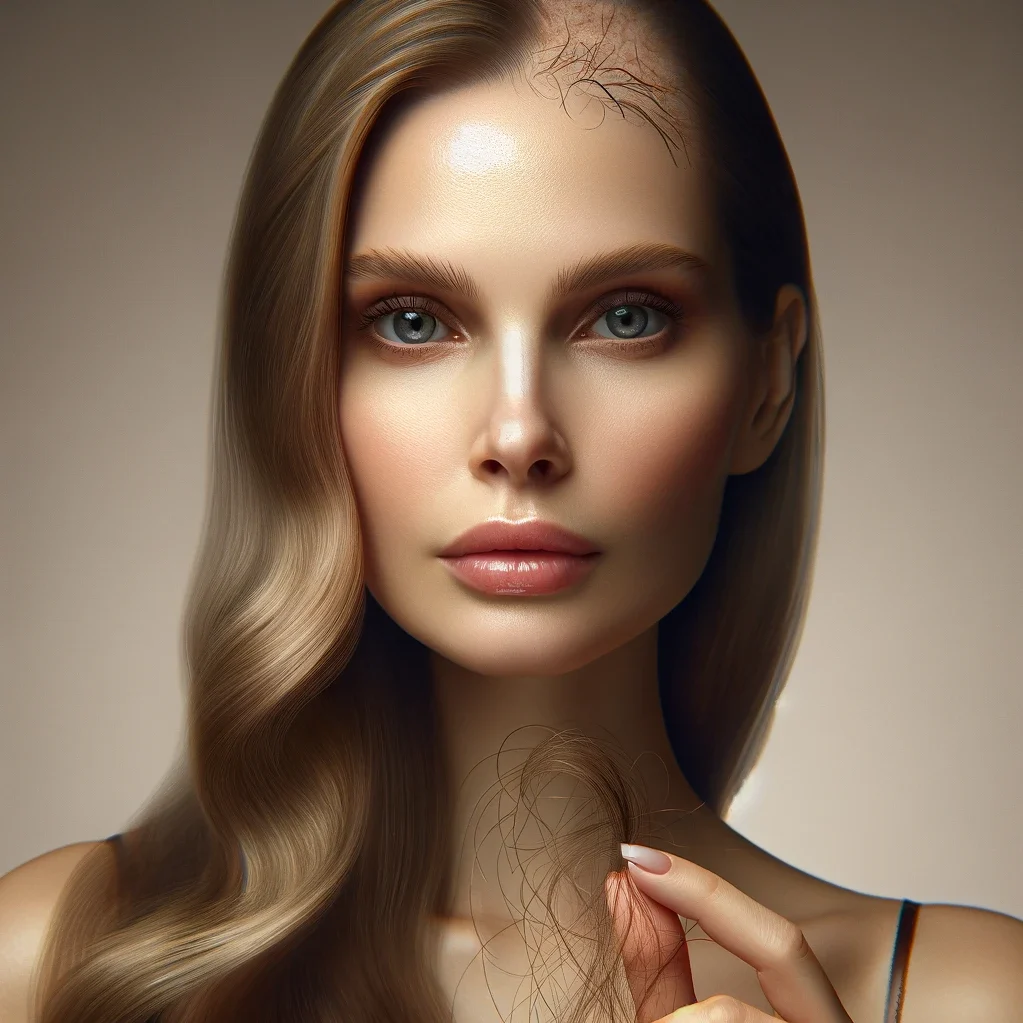

Female pattern hair loss, also known as female pattern baldness, is a common condition that affects many women, causing psychological distress and impaired social functioning. At our clinic, we understand the impact this condition can have on self-esteem and confidence. That’s why we’re dedicated to providing the most effective treatment options for female pattern baldness, based on factual data from reputable sources.
Female pattern hair loss is characterized by a reduction in hair density over the crown and frontal scalp, leading to widening of the part and overall thinning of the hair. Hormonal and genetic factors contribute to its development. Understanding the causes and progression of this condition is crucial for effective treatment.
Key Takeaways:
- Female pattern hair loss is a common condition that can cause distress and impact a woman’s self-esteem.
- Effective treatment options are available to promote hair regrowth and prevent further hair loss.
- Understanding the causes and progression of female pattern hair loss is crucial for successful treatment.
- Consulting with a professional is essential to determine the most appropriate treatment plan for each individual.
- Research is ongoing to explore innovative treatment options for female pattern baldness.
With our expertise and comprehensive approach, we aim to provide you with the best female pattern baldness treatment options. From clinically proven medications like minoxidil to prescription treatments and non-pharmacological approaches, we will help you find the most suitable solution for your unique needs. Remember, seeking professional guidance is the first step towards restoring your hair and regaining your confidence.
Understanding Female Pattern Hair Loss
Female pattern hair loss is the most common cause of hair loss in women. It is characterized by a reduction in hair density over the crown and frontal scalp, resulting in overall thinning of the hair. This condition is progressive and can cause widening of the part, leading to noticeable changes in appearance. Hormones and genetic factors play key roles in the development of female pattern hair loss.
Recognizing and understanding the causes and progression of female pattern hair loss is essential in finding effective solutions. By addressing the underlying factors contributing to hair loss, innovative treatments can be explored to stimulate hair regrowth and improve hair density.
Causes and Progression
In female pattern hair loss, hormonal imbalances, specifically a sensitivity to androgens, can influence the hair follicles’ miniaturization process. This sensitivity causes the hair follicles to shrink over time, resulting in shorter, finer hair growth. Genetic factors also play a significant role, with a family history of female pattern hair loss increasing the likelihood of developing the condition.
The progression of female pattern hair loss follows a distinct pattern. Often, the hairline remains intact, while the central part of the scalp starts to thin. Over time, the hair loss may extend to the crown, leading to more noticeable thinning and less hair volume.
To effectively address female pattern hair loss and find suitable solutions, it is crucial to consult with healthcare professionals who specialize in hair loss treatments. They can provide personalized guidance and recommend appropriate remedies and treatments that cater to individual needs and preferences.
Female Pattern Hair Loss Solutions
| Treatment Option | Description |
|---|---|
| Topical minoxidil | Stimulates hair follicles and promotes hair regrowth. Requires consistent application to maintain results. |
| Prescription medications | May include spironolactone or finasteride, which can help restore hair growth. Require medical consultation and monitoring. |
| Platelet-rich plasma therapy | Involves extracting the patient’s blood, processing it to separate platelets, and injecting the resulting platelet-rich plasma into the scalp to stimulate hair growth. Emerging treatment with potential benefits. |
| Stem cell therapy | Utilizes stem cells to rejuvenate and promote hair growth. Still in the early stages of research and development. |
| Cosmetic camouflage techniques | Involves the use of hair fibers, sprays, or makeup to conceal thinning areas temporarily. |
| Hair transplantation | Surgical procedure that involves relocating hair follicles from one area to another, providing a permanent solution to hair loss. Considered for advanced cases of female pattern hair loss. |
When exploring female pattern hair loss solutions, it is important to consider the effectiveness, potential side effects, and appropriateness of each option. Consulting with a healthcare professional or dermatologist specializing in hair loss can help determine the most suitable treatment plan based on individual circumstances.
Minoxidil: The Gold Standard Treatment
When it comes to natural remedies for female pattern hair loss and female hair regrowth treatments, one name stands above the rest – minoxidil. As a widely available over-the-counter medication, minoxidil has proven to be the most recommended treatment for female pattern baldness.
What sets minoxidil apart is its ability to promote hair regrowth and prevent further loss by stimulating the hair follicles. By using minoxidil consistently and applying it directly to the scalp, women with female pattern hair loss can experience noticeable improvements in just a few months.
While individual results may vary, minoxidil has been a staple in hair regrowth treatments for its proven effectiveness. Let’s take a closer look at why minoxidil is considered the gold standard treatment for female pattern hair loss.
How Minoxidil Works for Female Pattern Hair Loss
Minoxidil is a vasodilator, meaning it widens the blood vessels and improves blood flow to the hair follicles. This increased blood circulation nourishes the hair follicles and stimulates growth, leading to thicker and healthier hair over time.
Additionally, minoxidil prolongs the anagen phase of hair growth, which is the active phase of hair follicles. By extending this growth phase, minoxidil helps to prevent hair shedding and maintain a fuller head of hair.
It’s important to keep in mind that consistency is key when using minoxidil. Hair regrowth takes time and requires regular application for sustained results. Continuing the treatment as directed by a healthcare professional is vital to maximize the benefits achieved.
The Benefits of Minoxidil
Minoxidil offers several benefits that make it an ideal choice for treating female pattern hair loss:
- Promotes hair regrowth
- Prevents further hair loss
- Increases hair density
- Improves overall hair health
With its proven track record, minoxidil has earned its reputation as the go-to treatment for female pattern hair loss. By incorporating minoxidil into a comprehensive hair care routine, women can take control of their hair health and regain their confidence.

A visible representation of the effectiveness of natural remedies for female pattern hair loss.
A Comparison of Female Hair Regrowth Treatments
| Treatment | Method of Application | Results | Side Effects |
|---|---|---|---|
| Minoxidil | Topical application to the scalp | Promotes hair regrowth, prevents further hair loss | Minimal side effects (scalp irritation, dryness) |
| Prescription medications (spironolactone, finasteride) | Oral medication | Promotes hair regrowth, prevents further hair loss | Potential side effects (breast tenderness, dizziness) |
| Platelet-rich plasma therapy | Injecting concentrated platelets into the scalp | Promotes hair regrowth, improves hair density | Minimal side effects (minor discomfort at injection site) |
| Stem cell therapy | Injecting stem cells into the scalp | Promotes hair regrowth, improves hair density | Minimal side effects (minor discomfort at injection site) |
Table presenting a comparison of different female hair regrowth treatments.
While minoxidil is considered the gold standard treatment, other options are also available for those looking for alternative solutions. Prescription medications, platelet-rich plasma therapy, and stem cell therapy can provide additional options for women seeking hair regrowth.
It’s important to consult with a dermatologist for personalized advice on the most suitable treatment plan for female pattern hair loss. Together, we can find the best solution to restore and maintain healthy, beautiful hair.
Prescription Medications for Female Pattern Hair Loss
In some cases, dermatologists may prescribe prescription medications to treat female pattern hair loss. These medications, such as spironolactone and finasteride, can help restore hair growth and prevent further hair loss. They are typically taken in pill form and must be used for several months to determine their effectiveness.
Spironolactone is an anti-androgen medication that blocks the effects of androgen hormones, which can contribute to hair loss in women. This medication can help reduce hair thinning and promote regrowth.
Finasteride, originally developed for treating enlarged prostate, has also shown effectiveness in treating female pattern hair loss. It works by inhibiting the conversion of testosterone into dihydrotestosterone (DHT), a hormone that can shrink hair follicles and contribute to hair loss.
Before starting these prescription medications, it is essential to discuss the potential side effects and contraindications with a dermatologist. These medications may have certain risks and considerations that need to be evaluated on an individual basis.
Side Effects and Considerations
Both spironolactone and finasteride may have side effects that vary depending on the individual and dosage. Common side effects of spironolactone include dizziness, headache, breast tenderness, and irregular menstrual periods. Finasteride may cause sexual side effects, such as decreased libido and erectile dysfunction. It is important to discuss any concerns or potential risks with a healthcare professional before initiating treatment.
“Prescription medications like spironolactone and finasteride can be effective options for treating female pattern hair loss when used under the guidance of a dermatologist.”
– Dr. Emily Johnson, Board-Certified Dermatologist
It’s important to note that these medications are not suitable for all individuals. Pregnant women, women planning to become pregnant, and breastfeeding women should avoid using these medications due to potential risks to the developing fetus or infant.
| Medication | Common Side Effects |
|---|---|
| Spironolactone |
|
| Finasteride |
|
When considering prescription medications for female pattern hair loss, it’s crucial to weigh the potential benefits against the risks and consult with a dermatologist to determine the most appropriate treatment plan based on individual needs and preferences.
Innovative Treatment Options
When it comes to finding effective solutions for female hair loss, researchers are constantly exploring innovative treatment options. These treatments aim to stimulate hair growth and improve hair density, providing new hope for women experiencing pattern baldness. Some of the most promising treatment modalities include platelet-rich plasma therapy and stem cell therapy.
Platelet-rich plasma (PRP) therapy involves using the patient’s own blood, which is processed to isolate the platelets and growth factors. These platelets are then injected into the scalp, promoting hair follicle stimulation and regeneration. PRP therapy has gained popularity due to its natural approach and potential effectiveness.
Stem cell therapy is another innovative treatment option being studied for female hair loss. Stem cells can potentially differentiate into different cell types, including hair follicle cells, leading to hair growth. This therapy involves the injection of stem cells or their derivatives into the scalp to stimulate hair regeneration.
While both platelet-rich plasma therapy and stem cell therapy show promise in the field of female pattern baldness treatment, it’s important to note that research is still in its early stages. Further studies and clinical trials are needed to fully establish their effectiveness and safety.
Nevertheless, these innovative treatment options offer a glimmer of hope for women struggling with hair loss, providing potential solutions beyond traditional treatments. As research progresses, it’s likely that these therapies will play a significant role in the future of female hair loss treatment.

Comparison of Platelet-Rich Plasma Therapy and Stem Cell Therapy
| Feature | Platelet-Rich Plasma Therapy | Stem Cell Therapy |
|---|---|---|
| Source | Patient’s blood | Derived from the patient’s own cells or other sources |
| Treatment Process | Processing the blood to isolate platelets and growth factors, followed by injection into the scalp | Injection of stem cells or their derivatives into the scalp |
| Potential Benefits | Promotes hair follicle stimulation and regeneration | Stimulates hair growth by differentiating into hair follicle cells |
| Research Status | Promising results, but further studies needed | Research and clinical trials underway |
Non-Pharmacological Approaches
In addition to medication-based treatments, there are non-pharmacological approaches that can be beneficial for managing female pattern hair loss. These approaches aim to address the underlying causes, promote hair regrowth, and enhance the overall appearance and confidence of individuals facing hair loss.
Counseling: Seeking support from a professional counselor or therapist can help individuals navigate the emotional challenges associated with female pattern hair loss. Counseling can provide a safe space for expressing concerns, exploring coping mechanisms, and developing strategies to manage the psychological impact of hair loss.
Cosmetic Camouflage Techniques: Various cosmetic techniques can help conceal thinning hair and create the appearance of fuller hair. These techniques include using hair fibers, styling techniques, and scalp makeup to visually enhance volume and thickness. Consulting with a professional stylist can provide valuable advice on how to achieve the desired look.
Hair Transplantation: For individuals with more advanced hair loss, hair transplantation can offer a permanent solution. During this procedure, hair follicles from areas of the scalp with normal hair growth are transplanted to areas with thinning or no hair. Consultation with a qualified hair transplant specialist is essential to determine eligibility and discuss the potential outcomes and risks.
To illustrate the different non-pharmacological approaches, here is a table highlighting their key features:
| Approach | Description |
|---|---|
| Counseling | Professional support for psychological concerns related to hair loss |
| Cosmetic Camouflage Techniques | Methods to visually enhance the appearance of hair volume and thickness |
| Hair Transplantation | Permanent procedure to transplant hair follicles from one area to another |
It is important to note that the effectiveness of non-pharmacological approaches may vary depending on individual circumstances. Consulting with healthcare professionals, such as dermatologists and hair specialists, can provide personalized guidance and recommendations tailored to individual needs and preferences.
Potential Side Effects and Considerations
When considering female pattern baldness treatment options, it is important to be aware of potential side effects and considerations. While these treatments can effectively address hair loss, they may carry certain risks that should be discussed with a healthcare professional.
One important consideration is the use of medications during pregnancy or while breastfeeding. Some medications used to treat female pattern baldness may not be suitable for pregnant or breastfeeding women. It is crucial to consult with a healthcare professional to determine the best course of action.
Additionally, it is important to weigh the potential benefits of treatment against the possible risks. Every individual may respond differently to different treatments, and it is essential to consider personal factors and preferences when making a decision.
“It is essential to discuss potential side effects and contraindications with a healthcare professional before starting any treatment.”
By having an open and honest conversation with a healthcare professional, it is possible to make an informed decision about the most suitable female pattern baldness treatment.
Considerations for Treatment:
- Consult a healthcare professional to evaluate the potential risks and benefits of treatment options
- Discuss medication use during pregnancy or while breastfeeding
- Weigh the potential benefits against the possible risks
- Consider individual factors and preferences when choosing a treatment
Conclusion
Female pattern baldness is a common condition that can significantly impact a woman’s self-confidence and well-being. Fortunately, there are effective remedies for female pattern baldness that can help promote hair regrowth and prevent further hair loss.
Minoxidil, a widely recognized treatment, has shown promising results in managing female pattern hair loss. This over-the-counter medication stimulates hair follicles and should be consistently applied to the scalp for optimal results. In addition, prescription medications such as spironolactone and finasteride may be prescribed by dermatologists to promote hair growth and prevent further hair loss.
For those seeking alternative solutions, innovative treatments like platelet-rich plasma therapy and stem cell therapy are being explored. While further research is needed, these modalities show potential as future treatments for female pattern baldness. Additionally, non-pharmacological approaches, such as counseling, cosmetic camouflage techniques, and hair transplantation, provide alternative options tailored to individual needs and preferences.
Consulting with a dermatologist is crucial in determining the most effective female pattern baldness treatment based on your specific circumstances. They can evaluate your condition, discuss potential side effects, and guide you towards a personalized treatment plan. Remember, effective remedies for female pattern baldness exist, so don’t hesitate to seek professional help to regain your confidence and restore your hair.
FAQ
What is female pattern hair loss?
Female pattern hair loss, also known as female pattern baldness, is a condition characterized by a reduction in hair density over the crown and frontal scalp. It is the most common cause of hair loss in women and can lead to overall thinning of the hair.
What are the most effective treatment options for female pattern baldness?
The most recommended treatment for female pattern baldness is minoxidil, a medication available over the counter. Prescription medications like spironolactone and finasteride can also be prescribed by dermatologists. Innovative treatments such as platelet-rich plasma therapy and stem cell therapy are being explored. Non-pharmacological approaches like counseling, cosmetic camouflage techniques, and hair transplantation can also be beneficial.
How does minoxidil work for female pattern baldness?
Minoxidil promotes hair regrowth and prevents further hair loss by stimulating the hair follicles. It is important to apply minoxidil directly to the scalp and use it consistently to maintain the benefits achieved.
What are the potential side effects of prescription medications for female pattern hair loss?
Prescription medications like spironolactone and finasteride may have potential side effects such as dizziness, nausea, and changes in libido. It is important to discuss the potential risks with a healthcare professional before starting these medications.
Are there any innovative treatment options for female pattern baldness?
Researchers are exploring treatments like platelet-rich plasma therapy and stem cell therapy. These treatments aim to stimulate hair growth and improve hair density. While the research is still in its early stages, they show promise for the future of female pattern baldness treatment.
What non-pharmacological approaches can help manage female pattern hair loss?
Non-pharmacological approaches like counseling, cosmetic camouflage techniques, and hair transplantation can be beneficial for managing female pattern hair loss. These approaches should be tailored to each individual’s needs and preferences.
What should I consider regarding potential side effects and considerations of female pattern baldness treatment?
It is important to be aware of the potential side effects of any treatment and discuss them with a healthcare professional. Some medications may not be suitable for pregnant or breastfeeding women. It is crucial to weigh the potential benefits against the risks before starting any treatment.
Are there effective remedies for female pattern baldness?
Yes, there are effective treatment options for female pattern baldness, including minoxidil, prescription medications, innovative treatments, and non-pharmacological approaches. Consulting with a dermatologist can help determine the most appropriate treatment plan.
1 thought on “Effective Female Pattern Baldness Treatment Options”