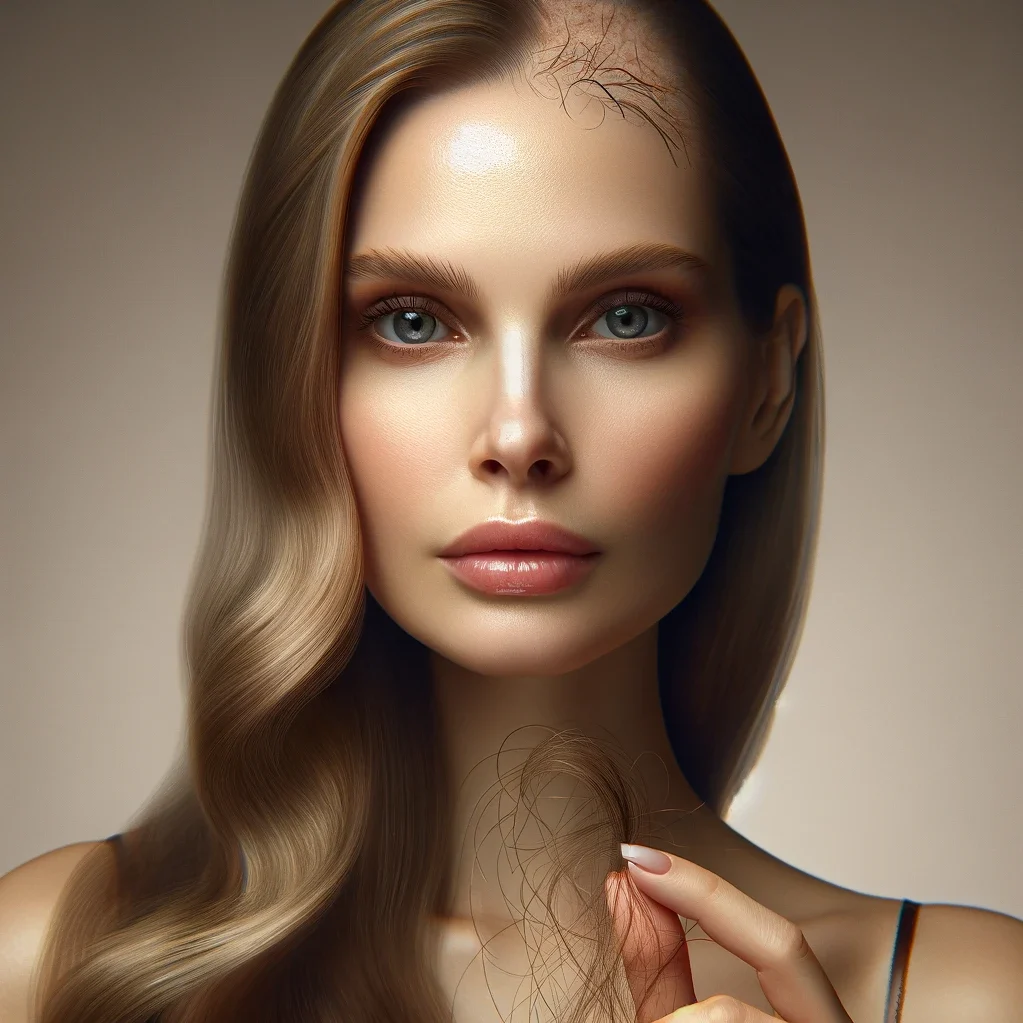
Female pattern baldness, also known as genetic hair loss in females, is the most common type of hair loss among women. It is characterized by hair thinning on the top and crown of the scalp, forming a distinctive pattern known as the Christmas tree pattern. Unlike male pattern baldness, the front hairline remains relatively unaffected.
This condition is believed to be influenced by a variety of factors, including genetics, hormonal changes, aging, and certain medical conditions. While the specific causes may vary, understanding the underlying factors can provide valuable insights into the prevention and treatment of female hair loss.
Genetic hair loss in females occurs due to a combination of inherited genes from both parents. If there is a family history of hair loss, particularly among female relatives, the risk of developing female pattern baldness increases. This means that genetics play a major role in determining whether a woman is susceptible to hair thinning and shedding.
Additionally, hormonal factors play a crucial role in female hair loss. Hormonal imbalances, such as those caused by changes in estrogen and progesterone levels, can trigger hair loss. Factors like heavy menstrual bleeding, polycystic ovarian syndrome (PCOS), and menopause can also contribute to hormonal imbalances that lead to hair thinning.
Understanding the causes of genetic hair loss in women is essential for accurate diagnosis and effective treatment. Identifying the underlying factors can help healthcare professionals develop personalized treatment plans that address the root cause of hair loss and provide the best possible outcomes.
Key Takeaways:
- Female pattern baldness is the most common type of hair loss in women.
- Genetics, hormonal imbalances, and aging are major factors contributing to female hair loss.
- Understanding the causes of hair loss can guide effective treatment strategies.
- Genetic hair loss in females is influenced by inherited genes from both parents.
- Hormonal imbalances, including those related to estrogen and progesterone, can trigger hair thinning.
The Life Cycle of Hair and Hair Loss in Women
Understanding the life cycle of hair is crucial to comprehend the causes and mechanisms of hair loss in women. The hair growth cycle consists of three phases: anagen, catagen, and telogen.
- Anagen phase: This is the active growth phase of hair, typically lasting between two to seven years. During this phase, new hair is continuously produced from the hair follicles.
- Catagen phase: This is a transitional phase that lasts for about two weeks. The hair follicles shrink and detach from the blood supply, signaling the end of active growth.
- Telogen phase: Also known as the resting phase, it lasts for around three months. During this phase, the hair follicles are inactive, and the old hair eventually sheds to make way for new hair.
Various factors can disrupt the hair growth cycle and contribute to hair loss in women. Common causes include:
- Specific medications: Certain medications, such as chemotherapy drugs and hormonal contraceptives, can cause hair loss as a side effect.
- High stress or trauma: Physiological or emotional stress and traumatic events can trigger a condition called telogen effluvium, where a large number of hair follicles prematurely enter the resting phase and subsequently shed.
- Childbirth: The hormonal fluctuations that occur during and after pregnancy can lead to temporary hair loss.
- Infections: Scalp infections, such as fungal infections, can damage the hair follicles and disrupt the hair growth cycle.
- Nutritional deficiencies: Inadequate intake of essential vitamins and minerals, including iron and biotin, can impact hair health and contribute to hair loss.
- Hormonal imbalances: Hormonal factors play a significant role in hair loss. Female pattern hair loss, also known as androgenetic alopecia, is the most common type of hair loss in women. It is associated with inherited genetic factors and hormonal influences, particularly an excess of dihydrotestosterone (DHT) in the scalp.
Treatments for Hair Loss in Women
Thankfully, there are several treatment options available for hair loss in women. The choice of treatment depends on the underlying cause and severity of hair loss. Some common hair loss treatments for women include:
| Treatment | Description |
|---|---|
| Topical minoxidil: | A medication applied directly to the scalp to stimulate hair growth and prevent further hair loss. It is available over the counter. |
| Low-light lasers: | Devices that emit red light to stimulate hair growth and increase blood flow to the hair follicles. |
| Prescription oral medications: | Medications such as spironolactone and finasteride that address hormonal factors in hair loss. |
| Platelet-rich plasma (PRP) therapy: | A procedure in which platelet-rich plasma derived from the patient’s own blood is injected into the scalp to promote hair growth. |
| Microneedling: | A process involving the use of tiny needles to create small punctures in the skin, stimulating collagen production and enhancing hair regeneration. |
It’s important to consult with a healthcare professional or a dermatologist to determine the most suitable treatment approach for individual hair loss concerns. Early intervention and personalized treatment plans can help women regain confidence and maintain optimal hair health.
Diagnosis and Treatment of Female Pattern Hair Loss
In order to diagnose female pattern hair loss, it is crucial to rule out other potential causes of hair loss that may be related to medical conditions, such as thyroid disease or iron deficiency. This involves conducting thorough examinations to determine the appearance and pattern of hair loss, as well as taking a comprehensive medical history of the patient.
Minoxidil is the only medication approved by the FDA for the treatment of female pattern hair loss. It is available in two strengths, 2% and 5%, and can be purchased over the counter. The application of minoxidil to the scalp should be done daily. While results may vary, it is essential to continue using minoxidil consistently to maintain its benefits.
If minoxidil proves to be ineffective, other medications like spironolactone or birth control pills may be recommended by healthcare professionals as alternative treatment options for female pattern hair loss.
For women who do not respond well to medical treatment, a hair transplant is a surgical procedure that can be considered. This procedure involves removing hair follicles from one part of the scalp and transplanting them to the balding areas.
Aside from medication and hair transplant, there are also other solutions available for female pattern baldness. These include hair weaving, which involves attaching artificial or real hair to existing hair, as well as using hairpieces and making changes in hairstyle to create the appearance of thicker hair.
Progression and Impact of Female Pattern Hair Loss
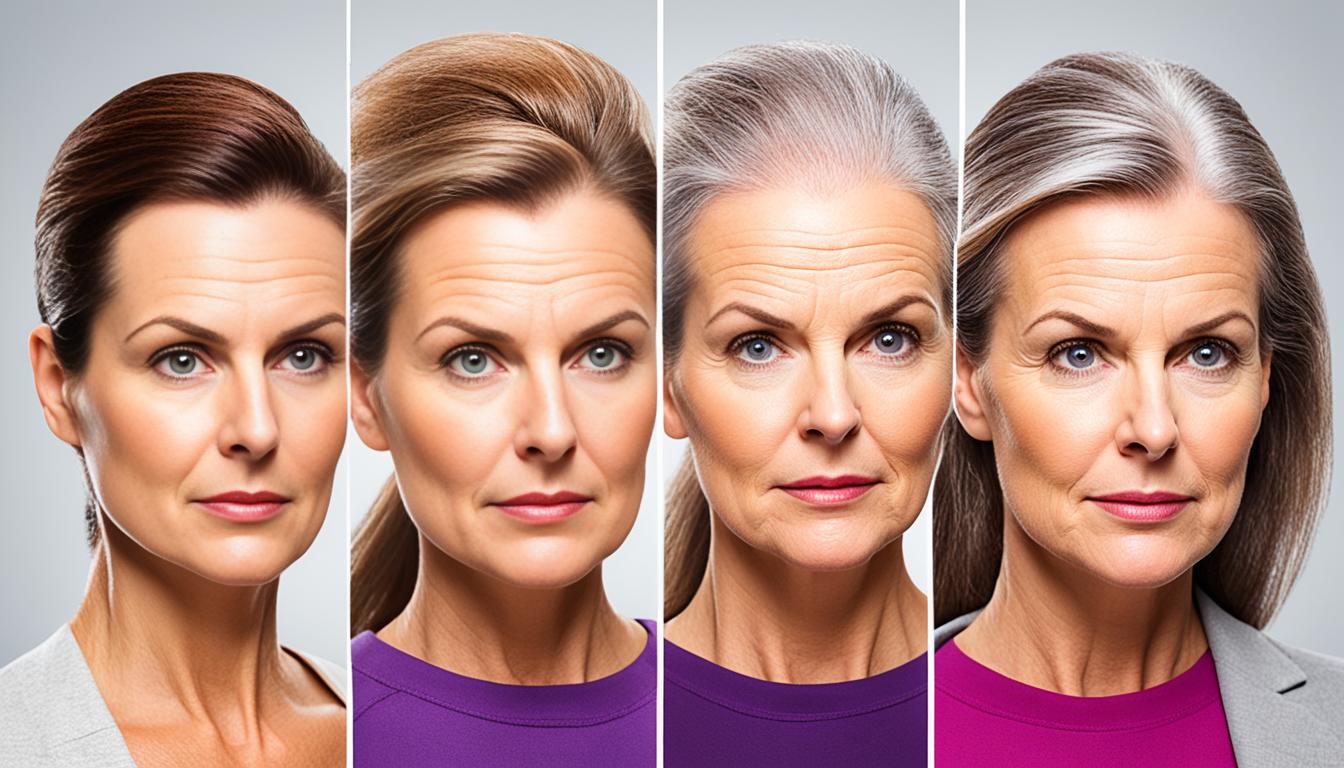
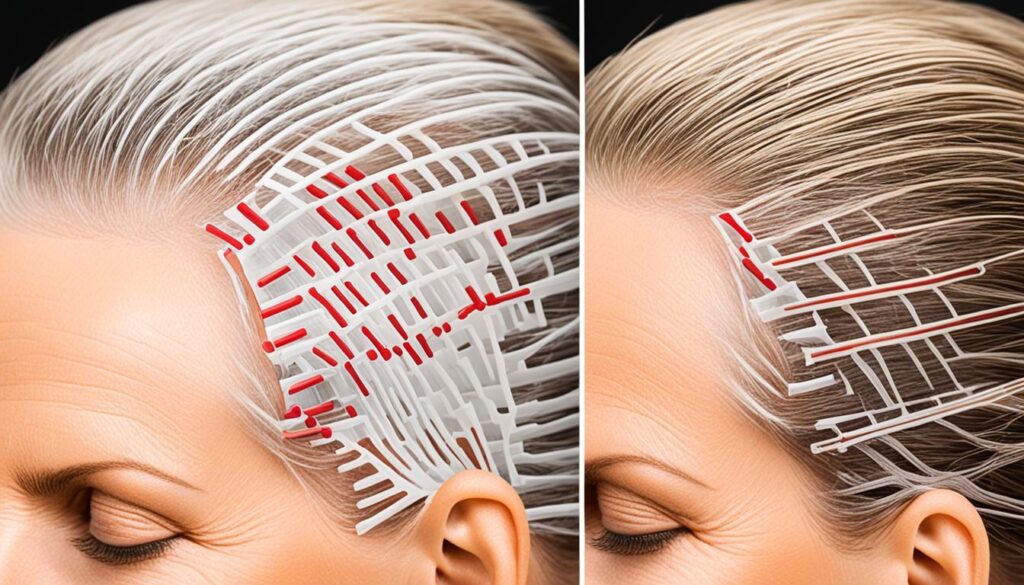
Female pattern hair loss is a progressive condition that can have a significant impact on women. Without treatment, it can progress from a widening part to overall thinning of the hair. This progression can be distressing and may cause a decline in self-esteem, leading to feelings of self-consciousness and anxiety.
Hair loss is not just a physical change; it can also affect a woman’s emotional well-being. Our hair plays a vital role in our self-image, and losing it can be emotionally challenging. Many women associate their hair with femininity, beauty, and youth, making hair loss a sensitive issue for them.
It is important for women experiencing hair loss to understand that it is a common condition and seeking medical advice can help. If you notice persistent hair loss, accompanied by itching, skin irritation, or other symptoms, it is crucial to contact a healthcare provider for a thorough evaluation.
Addressing the underlying medical causes of hair loss is essential in developing an effective treatment plan. Identifying and managing any hormonal imbalances, nutritional deficiencies, or other medical conditions that may be contributing to hair loss can help minimize its progression.
Additionally, managing stress levels and adopting healthy lifestyle habits can also promote hair health and reduce the impact of female pattern baldness. Engaging in activities that reduce stress, such as exercise, meditation, or spending time with loved ones, can positively impact both hair growth and overall well-being.
While there is no known prevention for female pattern hair loss, early intervention and appropriate treatment can help slow down its progression and improve the outcome. With advancements in medical science and various treatment options available, women have an opportunity to regain their confidence and maintain a positive self-image.

| Effect of Hair Loss on Women | Impact |
|---|---|
| Self-esteem | – Decreased confidence – Negative body image – Social withdrawal |
| Mental health | – Anxiety – Depression – Emotional distress |
| Quality of life | – Impact on personal relationships – Career and professional implications – Reduced sense of wellness |
Conclusion
Female genetic hair loss, commonly known as female pattern baldness, is a prevalent concern for many women. This type of hair loss is influenced by various factors, including genetic predisposition, hormonal changes, and the natural process of aging. Understanding the causes and available treatment options is crucial in managing this condition and preserving self-confidence.
There are several treatment options for female hair loss, ranging from medications to surgical procedures. Minoxidil and spironolactone are commonly prescribed medications that can help slow down hair loss and stimulate regrowth. For those who do not respond well to medical treatment, hair transplant surgery offers a more permanent solution. However, it is essential to consult with a healthcare professional to determine the most suitable treatment plan.
The impact of hair loss on women extends beyond physical appearance, as it can greatly affect self-esteem and overall well-being. It is important to acknowledge the emotional impact and seek appropriate support if needed. Additionally, while there is no known prevention for female genetic hair loss, adopting a healthy lifestyle, managing stress levels, and addressing any underlying medical causes may help minimize hair loss.
If you’re experiencing hair loss, don’t hesitate to reach out to a healthcare provider who specializes in hair restoration. They can assess your individual situation and provide personalized recommendations to help you regain confidence and feel your best. Remember, you’re not alone, and there are effective solutions available to address female genetic hair loss.
FAQ
What is female pattern baldness?
Female pattern baldness is the most common type of hair loss in women. It is characterized by hair thinning on the top and crown of the scalp, starting with a widening through the center hair part, known as the Christmas tree pattern. The front hairline remains unaffected.
What causes female pattern baldness?
Female pattern baldness is believed to be related to aging, changes in hormone levels, family history of baldness, heavy menstrual bleeding, certain medications, and hormonal imbalances.
How is female pattern baldness diagnosed?
The diagnosis of female pattern baldness involves ruling out other potential causes of hair loss, such as thyroid disease or iron deficiency, examining the appearance and pattern of hair loss, and taking a comprehensive medical history.
What are the treatment options for female pattern baldness?
Treatment options for female pattern baldness include minoxidil, prescription medications like spironolactone, hair transplant, and alternative solutions like hair weaving and hairpieces.
Can female pattern baldness be prevented?
While there is no known prevention for female pattern baldness, addressing underlying medical causes and managing stress levels may help to minimize hair loss.