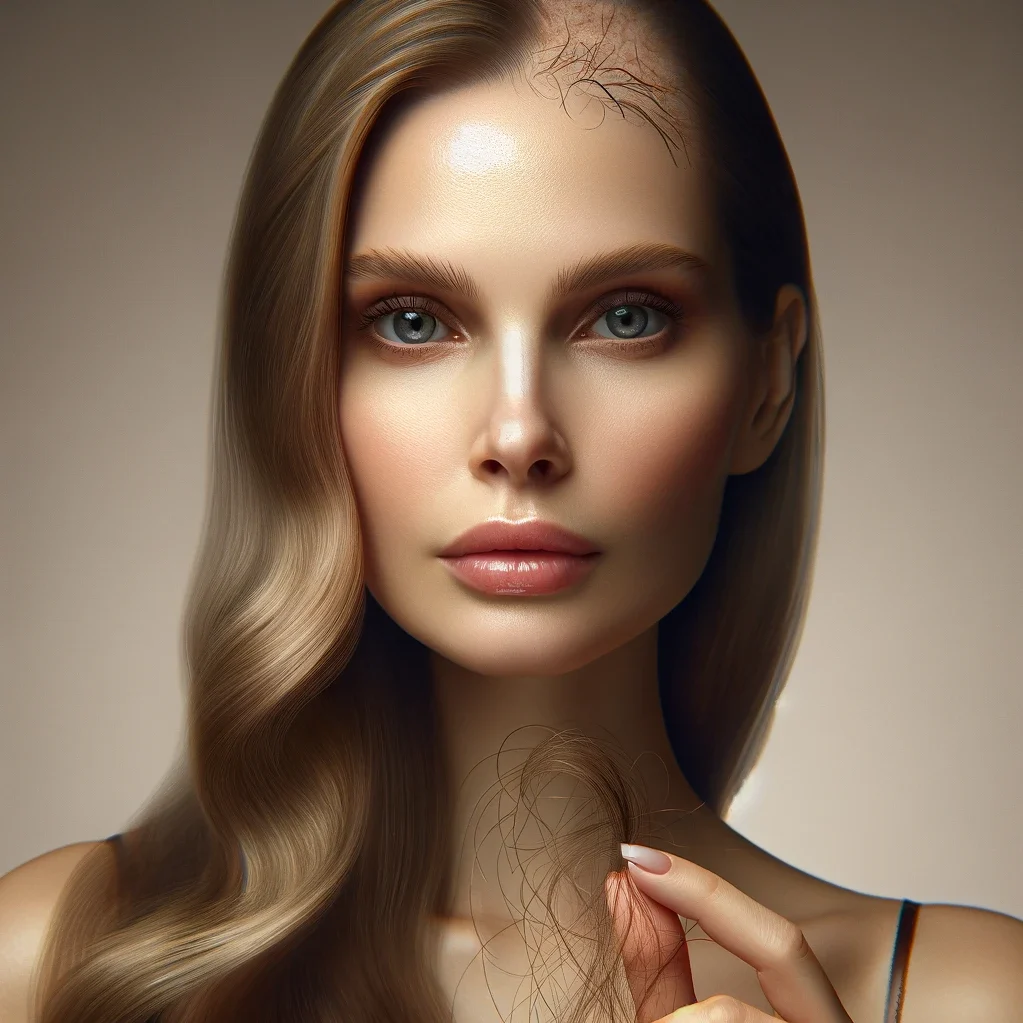

Female pattern baldness, also known as androgenic alopecia, is a prevalent form of hair loss that affects over 65% of women. It is classified into stages based on the severity of hair loss, with stage 3 being the most severe. At this stage, hair thinning becomes noticeable, making it challenging to cover up the bald areas. Stage 3 hair loss in women can have a significant impact on their self-confidence and social interactions, leading to psychological distress.
Proper diagnosis and treatment are crucial to effectively manage and potentially reverse stage 3 hair loss in women. By understanding the progression of this condition and the available solutions, women can regain their confidence and restore their hair’s health.
Key Takeaways:
- Stage 3 hair loss in women is the most severe form of female pattern baldness.
- It can lead to decreased self-confidence and affect social interactions.
- Diagnosis and treatment are essential for managing and potentially reversing stage 3 hair loss.
- Understanding the hair loss progression and available remedies is key to addressing this condition.
- A healthy lifestyle and consultation with a healthcare professional are crucial for effective treatment.
The Ludwig Hair Loss Scale – Classifying Stage 3 Hair Loss
The Ludwig hair loss scale is an essential tool used to classify and determine the different stages of female pattern baldness. By understanding and employing this scale, we can accurately diagnose the severity of hair loss in women and select appropriate treatment options.
The Ludwig hair loss scale consists of three stages, each representing a distinct level of hair thinning and baldness progression. Let’s take a closer look at each stage:
- Stage 1: In this stage, mild hair loss is observed along the part line. The hair becomes noticeably thinner, but the scalp is predominantly covered.
- Stage 2: At stage 2, the thinning becomes more visible, and the scalp becomes more noticeable through the hair. However, the loss is not yet severe, and some coverage can still be achieved.
- Stage 3: Representing the most severe type of female pattern baldness, stage 3 is characterized by significant hair loss and increased scalp visibility. It becomes challenging to cover up the bald areas, and hair thinning is noticeably more extensive.
By assessing the stage at which a woman falls on the Ludwig hair loss scale, we can better understand the extent of hair loss and tailor treatment approaches accordingly. This classification system allows healthcare professionals to develop personalized strategies and recommend suitable interventions for managing and potentially reversing stage 3 hair loss in women.
Dealing with Female Pattern Baldness
When it comes to female pattern baldness, it is crucial to address the underlying problems that may contribute to hair loss. Consulting with a healthcare professional is the first step in identifying the cause and determining if the hair loss is indeed due to female pattern baldness. Once the diagnosis is confirmed, understanding the severity of the hair loss is essential for effective management and treatment.
Female pattern baldness can vary in its progression and stage, making treatment options unique to each individual. One key element in managing female pattern baldness is maintaining a healthy lifestyle, including a balanced diet and regular exercise. This can help slow down the progression of hair loss and promote overall hair health.
While female pattern baldness is generally considered irreversible, there are treatments available that can help manage and potentially reverse the condition. These treatments, combined with a holistic approach to hair care, can provide promising results for women seeking to regain their confidence and restore their hair.
The Importance of Addressing Underlying Problems
Before starting any treatment for female pattern baldness, it is crucial to rule out any underlying health issues that may be contributing to hair loss. Some common underlying problems associated with hair loss in women include hormonal imbalances, nutritional deficiencies, and certain medical conditions. By addressing these underlying problems, it is possible to improve the success of female baldness treatments and enhance the overall effectiveness of managing and potentially reversing female pattern baldness.
Managing Female Pattern Baldness
Managing female pattern baldness involves a comprehensive approach that addresses both the physical and emotional aspects of hair loss. Here are some strategies to consider:
- Consult with a healthcare professional: A medical expert can help identify the root cause of hair loss and recommend appropriate treatment options.
- Adopt a healthy diet: Consuming a balanced diet that includes essential nutrients can promote healthy hair growth and minimize hair loss.
- Practice stress management techniques: Chronic stress can contribute to hair loss. Engaging in activities such as meditation, yoga, or regular exercise can help reduce stress levels.
- Use appropriate hair care products: Choosing gentle hair care products that are free from harsh chemicals can prevent further damage to the hair and scalp.
- Consider alternative treatments: In addition to conventional treatments, alternative therapies like acupuncture, scalp massage, and herbal remedies may offer additional benefits in managing female pattern baldness.
By adopting these strategies, women with female pattern baldness can take charge of their hair health and effectively manage the condition.

Reversing Female Pattern Baldness
“Reversing female pattern baldness requires a tailored approach that combines effective treatments, lifestyle changes, and ongoing maintenance.”
While complete reversal of female pattern baldness may be challenging, there are treatment options available that can help improve the appearance of hair and stimulate regrowth. Some common treatments for reversing female pattern baldness include:
| Treatment Option | Description |
|---|---|
| Medications | Topical solutions or oral medications like minoxidil and finasteride may promote hair regrowth in women with female pattern baldness. |
| Low-level Laser Therapy (LLLT) | LLLT uses red light therapy to stimulate hair follicles and promote hair growth. |
| Platelet-Rich Plasma (PRP) Therapy | PRP involves injecting concentrated platelets into the scalp to stimulate hair growth. |
| Hair Transplantation | Hair transplantation involves transplanting hair follicles from one part of the scalp to the areas affected by hair loss. |
It is important to work closely with a healthcare professional to determine the most suitable treatment plan based on individual needs and goals. Additionally, ongoing maintenance and consistency with treatment approaches are crucial for long-term success.
Treatment Options for Stage 3 Hair Loss in Women
When it comes to treating stage 3 hair loss in women, there are several effective options to consider. It’s important to explore different treatments and find the one that works best for you. Here, we’ll discuss some of the most popular and promising treatment options:
Medications for Female Pattern Baldness
Minoxidil for Female Hair Loss: Minoxidil, available in topical and oral forms, is a widely used medication for promoting hair regrowth in women. It works by stimulating hair follicles and increasing blood flow to the scalp. Minoxidil has shown positive results in reducing hair loss and promoting new hair growth in women with female pattern baldness.
Finasteride: Although primarily used to treat male pattern baldness, finasteride can also be used off-label for women with hair loss. It works by blocking the conversion of testosterone to DHT, a hormone linked to hair loss. However, it is important to note that finasteride can have potential side effects in some women, so consulting with a healthcare professional is essential before starting this medication.
Alternative Treatments for Female Baldness
Platelet-Rich Plasma (PRP): PRP is an innovative treatment that uses a patient’s own blood platelets to stimulate hair growth. The platelets are injected into the scalp, releasing growth factors that promote hair regrowth. PRP has shown promising results in improving hair density and thickness in women with female pattern baldness.
Low-Level Laser Therapy: Low-level laser therapy, also known as LLLT, is a non-invasive treatment that uses red light wavelengths to stimulate hair follicles. It can help increase hair density, reduce hair loss, and improve hair regrowth. LLLT devices are available for home use, making it a convenient option for women with stage 3 hair loss.
Consult with a Healthcare Professional
Choosing the right treatment for stage 3 hair loss in women can be overwhelming. Consulting with a healthcare professional who specializes in hair loss is crucial for proper diagnosis and personalized treatment recommendations. They can assess your specific condition, provide expert advice, and guide you towards the most suitable treatment option.
Remember, every individual is unique, and what works for one person may not work for another. It’s essential to have realistic expectations and be patient throughout the treatment process. With the right approach and professional guidance, managing and improving stage 3 hair loss is possible.
Conclusion
Managing and treating stage 3 hair loss in women is crucial for those experiencing this challenging condition. Female pattern baldness at this stage can have significant psychological effects, impacting self-confidence and social interactions. Proper diagnosis and treatment are key to effectively managing and potentially reversing the condition.
The Ludwig hair loss scale provides a classification system that helps determine the severity of female pattern baldness, allowing for better selection of treatment options. Medications like minoxidil and finasteride have shown promising results in promoting hair regrowth in women with stage 3 hair loss. Additionally, alternative treatments such as platelet-rich plasma (PRP) injections can stimulate hair growth.
Maintaining a healthy diet and lifestyle is essential for slowing down the progression of female pattern baldness. Consulting with a healthcare professional is crucial in developing a personalized treatment plan that addresses the specific needs and stage of hair loss. With the right approach, it is possible to effectively manage and treat stage 3 hair loss in women and improve overall well-being.
FAQ
What is stage 3 hair loss in women?
Stage 3 hair loss in women refers to the most severe type of female pattern baldness, where the thinning is noticeable and it becomes difficult to cover up the bald areas.
How is stage 3 hair loss classified?
Stage 3 hair loss is classified using the Ludwig hair loss scale, which is a system that categorizes female pattern baldness into different stages based on the severity of hair loss.
What should I do if I have stage 3 hair loss?
If you have stage 3 hair loss, it is important to consult with a healthcare professional to properly diagnose the condition and rule out any underlying health problems that may be causing the hair loss.
Can stage 3 hair loss in women be reversed?
While female pattern baldness is generally considered irreversible, there are scientifically proven treatments that can help manage and potentially reverse the condition. It is best to consult with a healthcare professional to discuss the best treatment options for stage 3 hair loss.
What are the treatment options for stage 3 hair loss in women?
Treatment options for stage 3 hair loss in women include medications such as topical and oral minoxidil and finasteride, as well as alternative treatments like low-level laser therapy and platelet-rich plasma (PRP). Consulting with a healthcare professional is recommended to determine the most suitable treatment option.