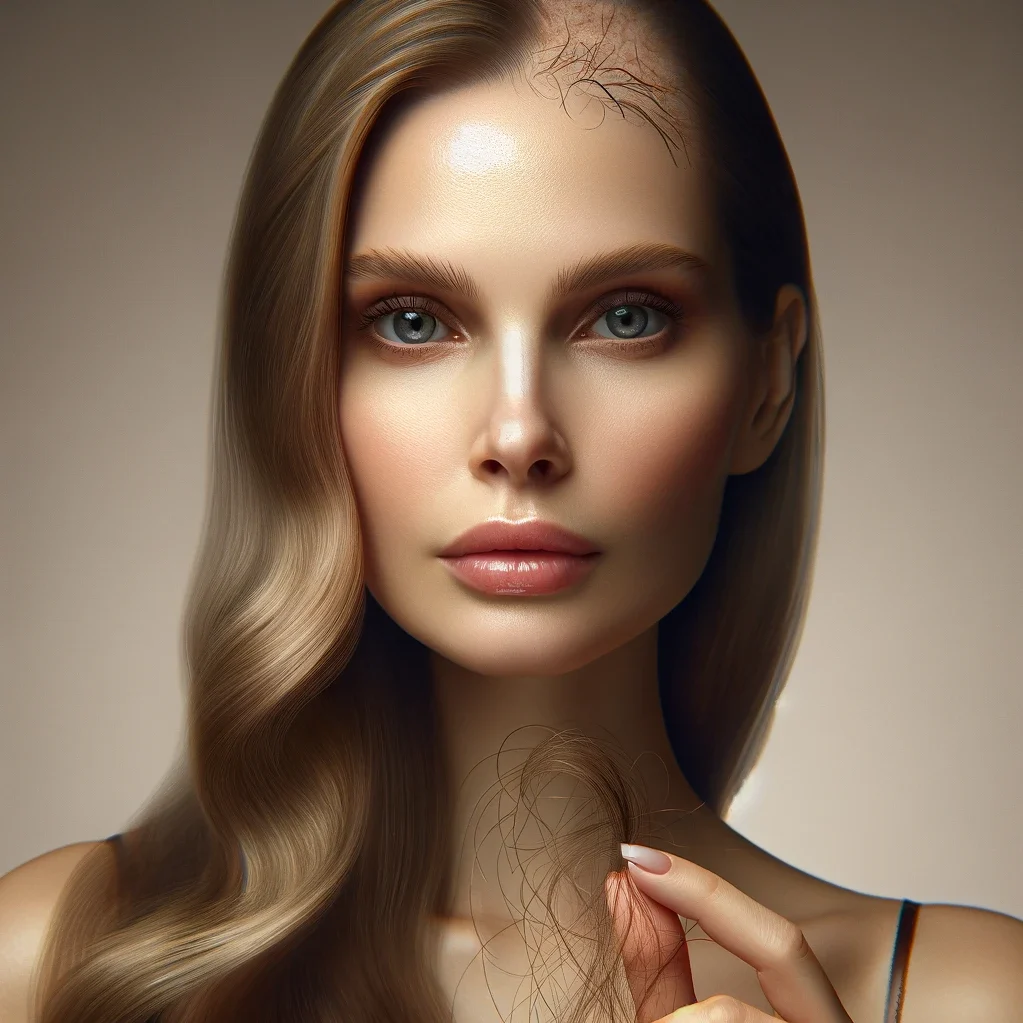

Female pattern baldness is a common condition that affects many women worldwide. It is characterized by hair thinning, primarily on the top and crown of the scalp, creating a Christmas tree pattern. While the front hairline remains unaffected, the hair loss seldom progresses to total baldness. Although the exact cause of female pattern baldness is not fully understood, it is often associated with factors such as aging, hormonal changes, family history, heavy menstrual bleeding, and certain medications.
Diagnosing female pattern baldness is typically done by ruling out other potential causes and assessing the appearance and pattern of hair loss. While there is no known prevention for female pattern baldness, treatments are available to help slow or stop hair loss and improve the overall appearance of the hair.
Key Takeaways:
- Female pattern baldness is the most common type of hair loss in women
- The exact cause of female pattern baldness is not fully understood
- Diagnosis involves ruling out other potential causes
- Treatment options include minoxidil and hair transplants
- Consulting a healthcare professional is essential for personalized treatment plans
Understanding the causes and available treatments for female hair loss is essential for women dealing with this condition. By seeking proper medical advice and exploring suitable treatment options, women can effectively manage and address their hair loss concerns, ultimately restoring their confidence and well-being.
Symptoms and Diagnosis of Female Hair Loss
Female hair loss can manifest through a variety of symptoms, which may include:
- Excessive shedding of hair: Women experiencing hair loss may notice a significant increase in hair fall during brushing, showering, or throughout the day.
- Noticeable thinning: Women may observe that their hair appears thinner and less voluminous than before.
- Wider parting: The space between the hair strands may become wider, revealing more of the scalp.
- Visible patches of scalp: In advanced cases of hair loss, women may notice visible patches or areas of bare scalp.
Identifying and diagnosing the causes of female hair loss requires a comprehensive approach. Medical professionals typically begin by ruling out other potential factors, such as thyroid disease or iron deficiency, which can contribute to hair loss in women. Additionally, they consider the appearance and pattern of hair loss alongside the patient’s medical history to determine the most likely diagnosis.
In some cases, signs of hormonal imbalance may be evident, prompting further investigation into hormonal disorders that can cause hair loss. To diagnose underlying skin disorders that contribute to hair loss, a skin biopsy or blood tests may be necessary.
“Proper diagnosis is crucial in formulating the most effective female hair loss treatment.”
With the help of medical professionals, a thorough diagnosis can provide valuable insights into the underlying causes of hair loss in women, guiding the selection of appropriate treatment options.
| Type of Hair Loss | Description |
|---|---|
| Female Pattern Baldness (Androgenetic Alopecia) | The most common type of hair loss in women, characterized by hair thinning mainly on the top and crown of the scalp. The front hairline remains unaffected, and complete baldness is rare. |
| Anagen Effluvium | Hair loss caused by medications or radiation therapy that disrupt the hair growth cycle, leading to the shedding of actively growing hair. |
| Telogen Effluvium | Hair loss triggered by hormonal imbalances, stress, or underlying medical conditions, resulting in excessive shedding of hair in the resting (telogen) phase of the hair growth cycle. |
| Traction Alopecia | Hair loss caused by frequent and prolonged traction or tension on the hair, often due to tight hairstyles or hair accessories. |
Causes and Types of Hair Loss in Women
Hair loss in women can occur due to various factors, including hormonal changes, certain medications, nutritional deficiencies, stress, and underlying medical conditions. It is important to identify the root cause of hair loss to determine appropriate treatment options.
One of the most common types of hair loss in women is female pattern baldness, also known as androgenetic alopecia. This condition is characterized by a gradual thinning of the hair, mainly on the top and crown of the scalp. It is believed to be inherited from either the mother or father and is often related to hormonal changes.
Another form of hair loss is anagen effluvium, which is typically caused by medications or radiation therapy. This type of hair loss occurs when the growth phase of the hair follicles is disrupted, leading to significant hair shedding. Telogen effluvium is another common type of hair loss in women, often triggered by stress, hormonal imbalances, or medical conditions.
Additionally, certain hairstyles that exert excessive tension on the hair can lead to traction alopecia. This condition occurs when constant pulling or tension causes damage to the hair follicles, resulting in hair loss.
It is important to note that hair loss can have different causes and manifestations in women, and each case requires a personalized approach. Understanding the underlying cause of hair loss is crucial in determining the most effective treatment options.
Treatment Options for Female Hair Loss
When it comes to treating female hair loss, the approach varies based on the underlying cause and severity of the condition. From FDA-approved medications to non-surgical options, there are several treatments available to help with female hair regrowth and manage hair loss in women.
FDA-Approved Medications:
The most commonly used medication for female pattern baldness is minoxidil. It is a topical solution that is applied directly to the scalp to stimulate hair growth. Minoxidil is available in various strengths and can be effective in slowing down hair loss and promoting regrowth.
Aside from minoxidil, other medications may also be prescribed for female hair loss treatment. Spironolactone, which is primarily a medication for high blood pressure, has been found to have a positive effect on hair growth in women with androgenetic alopecia. Birth control pills that contain anti-androgenic properties can also help prevent hair loss in women.
Hair Transplantation:
In more severe cases of female hair loss, hair transplantation may be considered as a treatment option. This surgical procedure involves removing hair follicles from areas of dense hair growth and grafting them onto the areas experiencing hair loss. Hair transplantation can provide a long-lasting solution and create natural-looking results.
Non-Surgical Options:
For women who prefer non-surgical approaches, there are alternative options available to help improve the appearance of hair loss. Hair weaving involves attaching artificial or natural hair extensions to the existing hair to add volume and conceal thinning areas. Hairpieces, such as wigs or hair toppers, can also be used to cover areas of hair loss. Additionally, changes in hairstyle, such as using haircuts or styling techniques that create the illusion of volume, can help enhance the appearance of hair.
It is important to consult with a qualified healthcare professional to determine the most suitable treatment option based on individual needs and circumstances. They can provide personalized recommendations and guide you through the process of choosing the best approach for female hair loss treatment.
Coping with Female Hair Loss
Hair loss can have a significant impact on a woman’s self-esteem and emotional well-being. It’s important to develop effective coping strategies to navigate through this challenging experience. Here are some ways to cope with female hair loss:
Seek Support
Don’t go through this journey alone – reach out to your loved ones for emotional support. Sharing your feelings and concerns with trusted friends and family members can provide comfort and reassurance during this difficult time. Additionally, consider seeking guidance from professional counselors who specialize in helping individuals cope with hair loss.
Exploring Hairstyles and Accessories
Experiment with different hairstyles and accessories that can help conceal hair loss and boost your confidence. Opt for haircuts and hairstyles that add volume or strategic layers to create the illusion of fuller hair. Additionally, explore options like headscarves, hats, or headbands to accessorize your look.
Focus on Overall Hair and Scalp Health
Taking care of your hair and scalp can help improve its overall quality and potentially encourage hair regrowth. Use gentle hair products that are suitable for your hair type and avoid harsh styling methods, such as excessive heat or tight hairstyles that can further damage your hair follicles. A balanced diet, regular exercise, and managing stress levels can also contribute to the overall health of your hair and scalp.
“Remember, hair loss doesn’t define your beauty. Embrace your unique journey and know that you are not alone.”
In some cases, hair regrowth may occur naturally over time. However, it’s crucial to consult with a healthcare provider to determine the best course of action for managing and addressing female hair loss. They can provide personalized recommendations and discuss potential treatment options that may be suitable for your specific situation.
Conclusion
Female hair loss is a common condition that affects many women, with various causes and patterns. However, understanding the underlying cause of hair loss in women is crucial for determining the most effective treatment options.
Whether it is hormonal changes, nutritional deficiencies, or underlying medical conditions, there are treatment approaches available to help manage and address female hair loss. From medication to surgical procedures, there are options to suit different needs and preferences. It is important for women experiencing hair loss to consult with a healthcare professional for a comprehensive evaluation and personalized treatment plan.
In addition to seeking professional help, emotional support and self-care are also vital aspects of coping with female hair loss. Focusing on overall hair and scalp health, exploring different hairstyles, and utilizing accessories to conceal hair loss can contribute to a positive self-image and boost confidence. Remember, hair loss does not define a woman’s value or beauty.
At the end of the day, hair loss in women can be challenging, but it is a journey that can be navigated with the right guidance and support. Our goal is to empower women to take control of their hair health and find effective solutions that work for them. Together, we can address female hair loss and help women feel beautiful and confident once again.
FAQ
What is female pattern hair loss?
Female pattern hair loss, also known as androgenetic alopecia, is the most common type of hair loss in women. It is characterized by hair thinning mainly on the top and crown of the scalp, resembling a Christmas tree pattern. The front hairline remains unaffected, and the hair loss rarely progresses to total baldness.
What are the symptoms and how is female hair loss diagnosed?
Symptoms of female hair loss may include excessive shedding of hair, noticeable thinning, wider parting, and visible patches of scalp. Diagnosis is usually based on ruling out other potential causes, such as thyroid disease or iron deficiency, and considering the appearance and pattern of hair loss alongside the patient’s medical history. Medical professionals may also examine for signs of hormonal imbalance.
What are the causes and types of hair loss in women?
Hair loss in women can have various causes, including hormonal changes, certain medications, nutritional deficiencies, stress, and underlying medical conditions. Female pattern baldness, other forms of hair loss include anagen effluvium, which can be caused by medications or radiation therapy, and telogen effluvium, which is often triggered by stress or hormonal imbalances. Additionally, certain hairstyles, such as those that pull the hair tightly, can lead to traction alopecia.
What are the treatment options for female hair loss?
Treatment options for female hair loss vary depending on the underlying cause and the severity of the condition. The only FDA-approved medication for female pattern baldness is minoxidil, which is applied topically to the scalp. Other medications, such as spironolactone and birth control pills, may also be prescribed to treat hair loss in women. In more severe cases, hair transplantation may be considered. Additionally, there are non-surgical options available, such as hair weaving, hairpieces, and changes in hairstyle, which can help improve the appearance of hair loss.
How can women cope with hair loss?
Hair loss can have a significant impact on a woman’s self-esteem and emotional well-being. Coping strategies for female hair loss include seeking support from loved ones and professional counselors, exploring different hairstyles and accessories to conceal hair loss, and focusing on overall hair and scalp health. In some cases, hair regrowth may occur naturally over time, but it is important to consult with a healthcare provider to determine the best course of action for managing and addressing female hair loss.
What should women know about hair loss in general?
Female hair loss is a common condition that can have various causes and patterns. Understanding the underlying cause of hair loss in women is crucial in determining the most effective treatment options. From medication to surgical procedures, there are several approaches available to help manage and address female hair loss. Additionally, seeking emotional support and focusing on overall hair and scalp health can aid in coping with the psychological impact of hair loss. It is essential for women experiencing hair loss to consult with a healthcare professional for a comprehensive evaluation and personalized treatment plan.