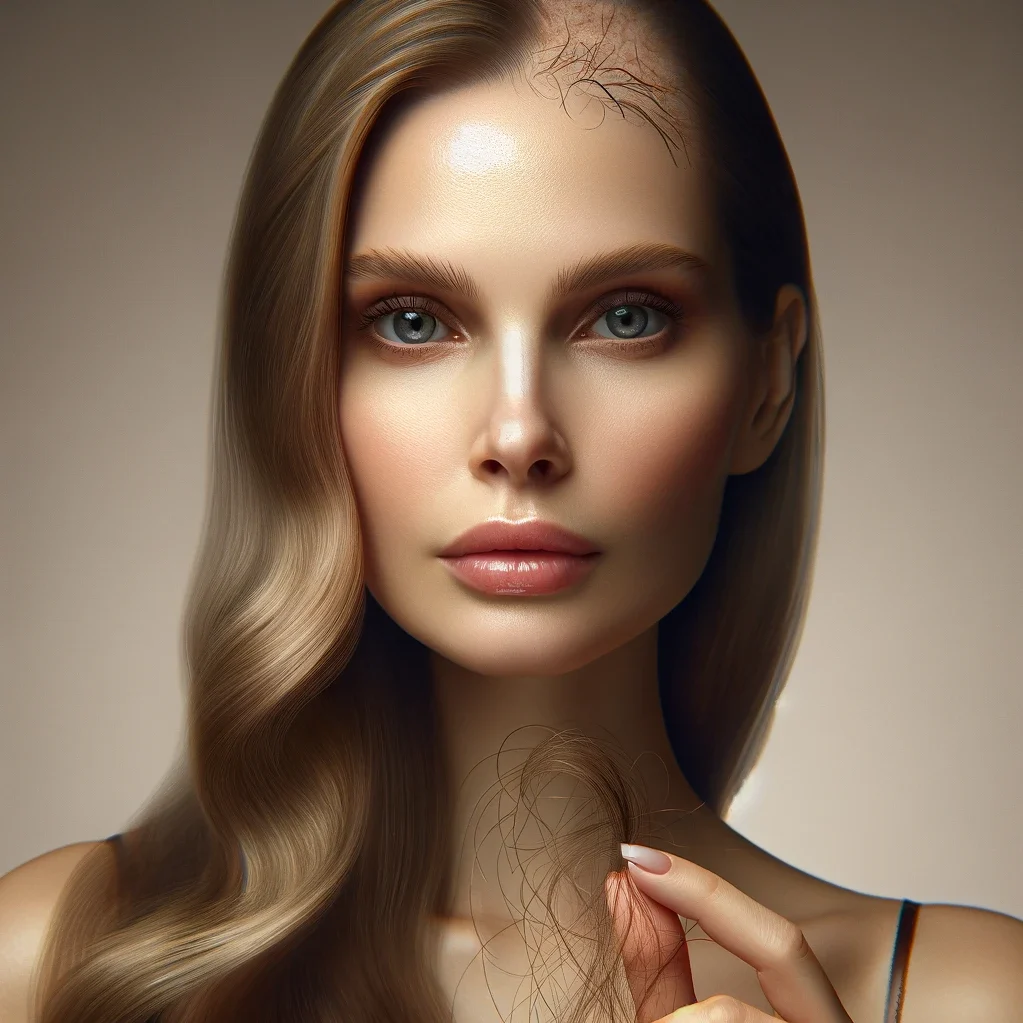
Female hair loss, also known as balding in women or female pattern baldness, is a common condition that can cause thinning hair and a receding hairline in females. It is essential to understand the causes, patterns, and treatment options available to manage hair loss in women.
Female pattern baldness is characterized by hair thinning on the top and crown of the scalp, often starting with a widening through the center hair part. Although it rarely leads to total or near-total baldness, it can have a significant impact on self-esteem and confidence.
There are several potential causes for female pattern baldness, including aging, hormonal changes, family history, heavy blood loss during menstrual periods, and certain medications. Diagnosing female pattern baldness involves ruling out other causes of hair loss, examining the appearance and pattern of hair loss, and possibly conducting medical tests or a scalp biopsy.
Treatment options for female pattern baldness include medications such as minoxidil, which can help slow or stop hair loss in most women. Other options include hair transplants, hairpieces, or changes in hairstyle to improve the appearance of hair loss. Managing hair loss in women requires a comprehensive approach that addresses both the physical and emotional aspects of the condition.
Key Takeaways:
- Female pattern baldness is the most common type of hair loss in women.
- Causes of female pattern baldness include aging, hormonal changes, family history, and certain medications.
- Diagnosing female pattern baldness involves ruling out other causes and examining the appearance and pattern of hair loss.
- Treatment options for female pattern baldness include medications like minoxidil, hair transplants, and non-medical solutions like hairpieces or changes in hairstyle.
- Coping with hair loss in women involves addressing the physical and emotional aspects of the condition and seeking support from support groups or professionals.
Causes and Patterns of Female Pattern Baldness
In women, hair loss can be a distressing and challenging condition to deal with. Female pattern baldness, also known as androgenetic alopecia, is the most common type of hair loss in women. It is characterized by the gradual thinning of hair on the top and crown of the scalp, resulting in shorter and finer hair.
Unlike male pattern baldness, which often leads to complete or near-total baldness, female pattern baldness typically does not result in significant hair loss. The hairline at the front of the head remains largely unaffected, experiencing only normal recession. However, a widening hair part is a common pattern observed in female pattern baldness.
The causes of hair loss in women can vary. Hormonal changes, such as those occurring during menopause or pregnancy, can contribute to hair thinning. Age also plays a role, as the hair follicles naturally shrink over time, leading to finer hair. Additionally, a family history of baldness, heavy blood loss during menstrual periods, and certain medications can contribute to female pattern baldness.
Diagnosing female pattern baldness involves examining the appearance and pattern of hair loss, ruling out other potential causes, and reviewing the individual’s medical history. It is often apparent through the visual examination of hair thinning in the typical pattern associated with female pattern baldness. However, further tests or a scalp biopsy may be performed in some cases to confirm the diagnosis.
In summary, female pattern baldness is characterized by the gradual thinning of hair on the top and crown of the scalp, resulting in shorter and finer hair. The front hairline remains largely unaffected except for normal recession. Hormonal changes, aging, family history of baldness, heavy blood loss during menstruation, and certain medications may contribute to the development of female pattern baldness. Diagnosis is primarily based on the visual appearance and pattern of hair loss, ruling out other potential causes, and a review of the medical history.
| Causes and Patterns of Female Pattern Baldness | |
|---|---|
| Causes | Patterns |
|
|
Diagnosis and Treatment Options
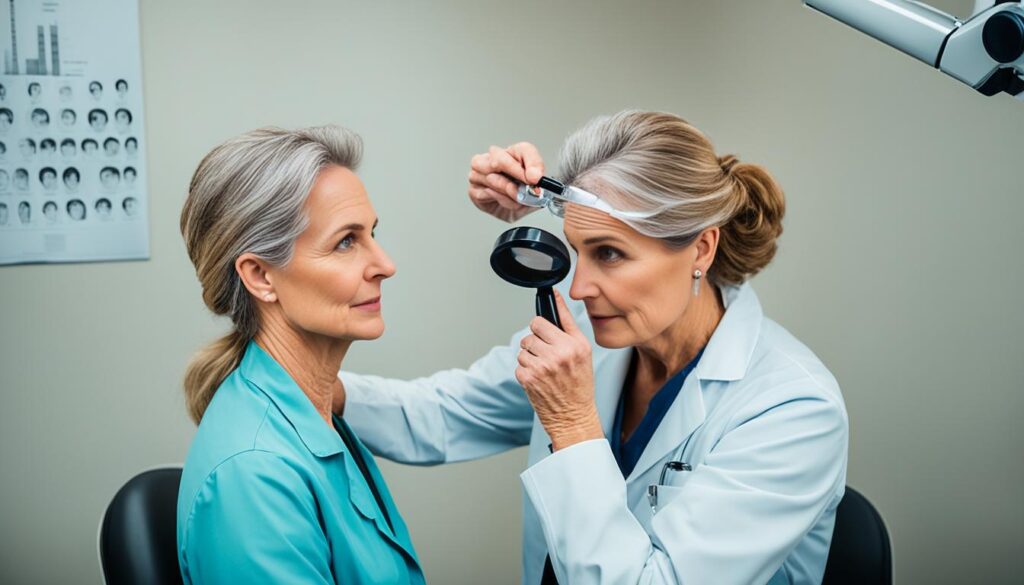
When it comes to diagnosing female pattern baldness, there are several key steps that healthcare professionals follow. The first is a thorough examination of the appearance and pattern of hair loss. This helps to identify the characteristic thinning on the top and crown of the scalp, as well as any widening of the hair part.
Next, other potential causes of hair loss need to be ruled out. This may involve conducting medical tests such as thyroid function tests or blood tests to check for iron deficiency. In some cases, a scalp biopsy may be performed to further investigate the underlying condition.
Once a diagnosis of female pattern baldness has been confirmed, treatment options can be explored. The most common and FDA-approved medication for this condition is minoxidil. This topical treatment is applied directly to the scalp and has been shown to effectively slow or stop hair loss in the majority of women. Regular use is required to maintain the results.
If minoxidil does not produce the desired results, healthcare professionals may consider other medication options. These include spironolactone, cimetidine, and birth control pills, which are sometimes prescribed off-label for their potential hair growth benefits.
In cases where medication is not effective or when significant cosmetic improvement is desired, a hair transplant may be recommended. This surgical procedure involves transplanting hair follicles from areas of the scalp with healthy hair to the areas affected by balding. It can provide more permanent and dramatic results, but it is important to discuss the potential risks and benefits with a qualified specialist.
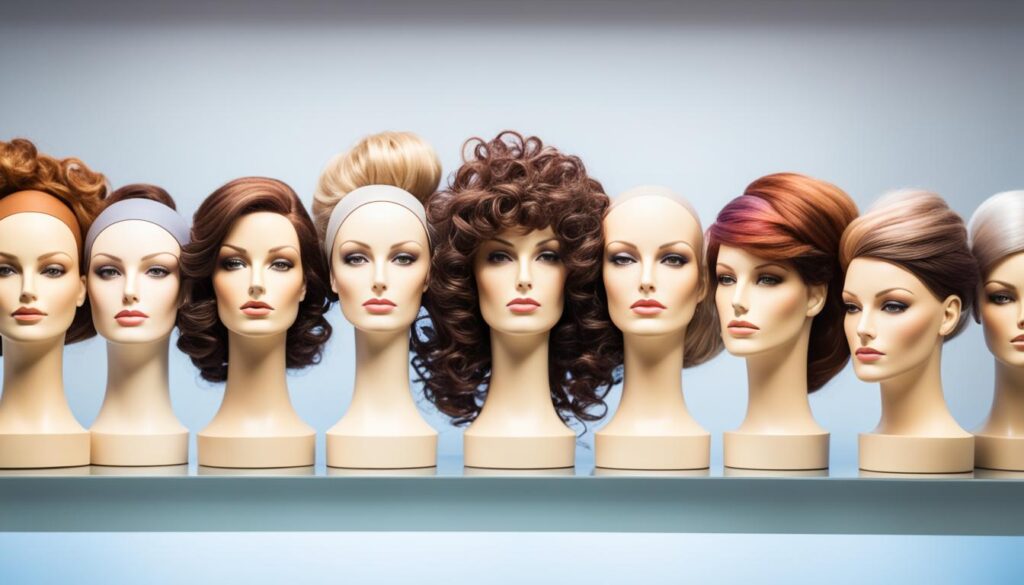
For individuals who prefer non-surgical options, there are alternatives available. Hair weaving and hairpieces can offer temporary solutions by adding volume and covering up thinning areas. Changes in hairstyle, such as opting for shorter cuts or using volumizing products, can also help improve the overall appearance of hair loss.
Overall, seeking a proper diagnosis and exploring treatment options is essential in managing female pattern baldness. Whether it’s through FDA-approved medications like minoxidil, hair transplants, or non-surgical approaches, there are solutions that can help women regain their confidence and address the challenges of hair loss.
Other Treatment Options
In addition to medications and hair transplants, there are several non-medical treatment options available for managing female pattern baldness. These alternatives can help conceal hair loss and improve the overall appearance of the hair. Consider the following options:
- Hair Weaving: Hair weaving involves attaching hair extensions or wefts to the existing hair to add volume and length. This technique can help create the illusion of thicker hair and cover areas with thinning or bald patches.
- Hairpieces for Women: Hairpieces, commonly known as wigs or hair systems, offer a versatile solution for women experiencing hair loss. These pieces are available in various styles, colors, and materials, allowing individuals to choose a hairpiece that closely matches their natural hair.
- Changes in Hairstyle: Styling techniques, such as using volumizing products, layered cuts, or strategic hair styling, can help create the appearance of fuller, thicker hair. Consulting with a hairstylist experienced in managing female hair loss can provide valuable insights and ideas.
These non-medical treatment options are often less expensive and safer alternatives compared to medications or surgical procedures. They provide individuals with the flexibility to enhance their hair’s appearance and regain confidence. It is important to remember that female pattern baldness is usually not indicative of an underlying medical condition, but it can impact self-esteem and cause distress.
If you are experiencing ongoing hair loss or accompanying symptoms like itching or skin irritation, we recommend consulting with a healthcare provider for a proper evaluation. They can help determine the underlying cause, provide guidance on suitable treatment options, and address any concerns you may have.
| Treatment Option | Description |
|---|---|
| Hair Weaving | Attaching hair extensions or wefts to the existing hair to add volume and cover thinning areas. |
| Hairpieces for Women | Wigs or hair systems that offer a versatile solution for addressing hair loss and enhancing appearance. |
| Changes in Hairstyle | Exploring different hair styling techniques, products, and cuts to create the illusion of fuller hair. |
While managing female pattern baldness may not always be possible, these treatment options can provide practical ways to improve the appearance of hair loss and boost self-confidence.
Understanding Different Types of Hair Loss in Women
Hair loss in women can have various causes and types. It can be genetic, hormonal, caused by extreme stress, a medical condition, or a side effect of chemotherapy. Female pattern baldness is the most common type, but there are also other conditions such as alopecia areata, which causes random patches of complete baldness. Hair loss can also be temporary, such as postpartum hair loss that occurs after giving birth. Treatment options may vary depending on the underlying cause of hair loss.
When it comes to hair loss in women, there are different types and causes to be aware of. Female pattern baldness, also known as androgenetic alopecia, is the most common type of hair loss. It is primarily genetic and often characterized by a gradual thinning of hair on the top and crown of the scalp. Unlike in men, female pattern baldness rarely leads to complete baldness and typically maintains a stable hairline.
Alopecia areata is another type of hair loss that can affect women. This autoimmune condition causes random patches of hair to fall out, resulting in smooth and bald areas on the scalp. It can be an emotionally challenging condition, as hair loss can occur suddenly and unpredictably. In some cases, alopecia areata may progress to alopecia totalis or alopecia universalis, which involve the loss of all scalp hair or hair on the entire body, respectively.
Hair loss can also be a temporary condition in women. Postpartum hair loss, also known as telogen effluvium, is a common occurrence after giving birth. During pregnancy, hormonal changes cause an increased number of hairs to remain in the growing phase, resulting in thicker hair. However, after delivery, hormone levels shift back to normal, causing the hair to enter the shedding phase. This can lead to noticeable hair loss, but it is typically temporary and resolves within a few months.
Chemotherapy-induced hair loss is another temporary type of hair loss that many women experience during cancer treatment. The drugs used in chemotherapy target rapidly dividing cells, including hair follicles, which can lead to hair loss. This can be a distressing side effect for many women, but the hair usually grows back once chemotherapy is completed.
It’s important to note that hair loss in women can have a significant impact on self-esteem and emotional well-being. If you are experiencing hair loss, it’s essential to consult with a healthcare professional who can provide a proper diagnosis and recommend suitable treatment options. Understanding the type and cause of hair loss is crucial in determining the most appropriate course of action to address the issue.
Key Takeaways:
- Female pattern baldness is the most common type of hair loss in women, characterized by gradual thinning of hair on the top and crown of the scalp.
- Alopecia areata is an autoimmune condition that causes random patches of complete baldness.
- Postpartum hair loss is a temporary condition that occurs after giving birth.
- Chemotherapy-induced hair loss is a common side effect, but hair usually regrows after treatment completion.
- Consulting with a healthcare professional is important for proper diagnosis and appropriate treatment options.
Coping with Hair Loss and Seeking Support
Hair loss, especially for women, can have a significant psychological impact. The loss of hair can lead to a decrease in self-esteem, increased self-consciousness, and feelings of anxiety and depression. It’s essential to address the emotional aspects of hair loss and seek support to navigate this challenging experience.
One way to cope with female hair loss is by joining support groups for alopecia. These groups provide a safe and understanding space to meet and connect with others who are going through similar experiences. Sharing stories, exchanging advice, and receiving encouragement from people who can relate can be tremendously helpful in coping with the emotional toll of hair loss.
Acceptance is also an important part of coping with hair loss. Embracing the changes and understanding that hair does not define beauty or self-worth can improve one’s emotional well-being. Open communication with loved ones can also ease the burden, allowing for support and understanding during this challenging time.
For those who prefer to cover up hair loss, there are various options available. Wigs, hair extensions, scarves, and makeup can help disguise and cover up hair loss if desired. These cosmetic solutions can boost self-confidence and provide a sense of normalcy for those who wish to maintain their previous appearance.
“Joining a support group was a turning point for me. Knowing that I’m not alone in this journey has made all the difference. We share our struggles, our triumphs, and everything in between. It’s a safe space where we can uplift and support each other. This community has been a lifeline for me as I navigate through the emotional impact of hair loss.”
It’s important to remember that regrowth may take time and be unpredictable. Patience is key in embracing the natural healing process of the body. Avoiding “miracle cures” and focusing on self-care, including a nutritious diet, can contribute to overall hair health.
Strategies for Coping with Hair Loss:
- Join support groups for alopecia
- Practice acceptance and open communication
- Consider cosmetic solutions like wigs, hair extensions, scarves, or makeup
- Be patient with the regrowth process
- Focus on self-care and maintain a nutritious diet
Remember, hair loss is a common experience and seeking support is essential. You are not alone in this journey, and there are resources available to help you cope with the psychological impact of hair loss. Together, we can find strength and resilience in navigating this challenge.
Conclusion
Managing hair loss in women requires a comprehensive approach. It starts with understanding the causes and patterns of hair loss. By seeking a proper diagnosis, women can better explore treatment options tailored to their needs.
While there is no known prevention for female pattern baldness, effective solutions are available. Minoxidil, a topical medication, and hair transplants have shown positive results in managing hair loss in women.
Addressing both the physical and psychological aspects of hair loss is crucial. It is important for women to find ways to cope and seek support. With proper care and treatment, regrowth is possible. Maintaining overall hair health through a nutritious diet and a healthy lifestyle further promotes healthy locks and boosts confidence.
FAQ
What is female pattern baldness?
Female pattern baldness is the most common type of hair loss in women. It is characterized by hair thinning on the top and crown of the scalp, often starting with a widening through the center hair part.
What are the causes of female pattern baldness?
Female pattern baldness can be caused by factors such as aging, hormonal changes, family history, heavy blood loss during menstrual periods, and certain medications.
How is female pattern baldness diagnosed?
Female pattern baldness is diagnosed by ruling out other causes of hair loss and examining the appearance and pattern of hair loss. Medical tests such as scalp biopsies or blood tests may be conducted in some cases.
What are the treatment options for female pattern baldness?
Treatment options for female pattern baldness include medications like minoxidil, hair transplants, and other solutions such as hairpieces or changes in hairstyle.
Are there any non-medical treatment options for female pattern baldness?
Yes, non-medical treatment options for female pattern baldness include hair weaving, hairpieces, and changes in hairstyle to improve the appearance of hair loss.
What are the different types of hair loss in women?
Hair loss in women can have various causes and types, including alopecia areata, hair loss from chemotherapy, and postpartum hair loss.
How can I cope with hair loss and seek support?
Coping with hair loss involves accepting the condition, seeking support from support groups or counseling, and finding ways to cover up or embrace hair loss through wigs, hair extensions, scarves, or makeup.
Are there any tips for regrowing hair in women?
Regrowing hair in women can take time and be unpredictable. It’s important to be patient, avoid miracle cures, and focus on self-care, including a nutritious diet and a healthy lifestyle.