
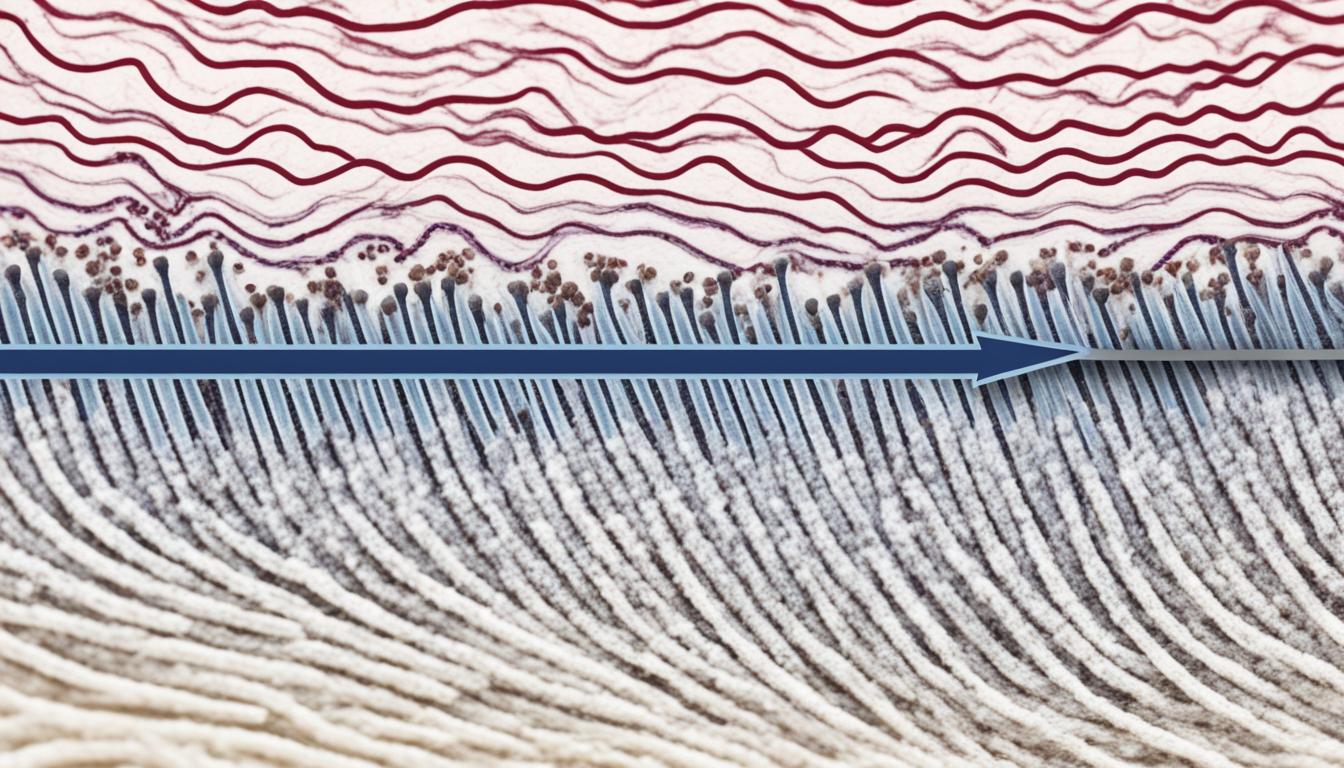
Female pattern hair loss (FPHL) is a common condition that affects many women worldwide. Not only can it lead to visible changes in appearance, but it can also have a significant impact on a woman’s self-esteem and overall well-being. At [Brand Name], we understand the importance of finding effective treatments for FPHL that can help women regain their confidence and manage their hair loss.
Early diagnosis and treatment are crucial in order to prevent further hair loss and stimulate regrowth. By addressing FPHL promptly, women have a better chance of achieving positive outcomes and maintaining healthy hair. In this article, we will explore various treatment options available for FPHL and provide valuable information to help you make informed decisions regarding your hair loss journey.
Key Takeaways:
- FPHL is the most common form of alopecia in women.
- Early diagnosis and treatment play a crucial role in managing FPHL.
- Treatment options for FPHL include oral antiandrogen therapies, topical minoxidil, hair systems, and surgery.
- Proper hair care practices and lifestyle changes can help manage FPHL in conjunction with treatment.
- Consulting with a dermatologist is essential to determine the best treatment plan for your specific condition.
Diagnosis and Causes of Female Pattern Hair Loss
Diagnosing female pattern hair loss (FPHL) involves a thorough evaluation of a patient’s medical history and a physical examination. These initial steps help in confirming the presence of FPHL. However, in some cases, a scalp biopsy may be required for a definitive diagnosis.
During the physical examination, the dermatologist will assess the pattern of hair loss, the density of the affected areas, and the presence of miniaturized hair follicles. This examination helps in differentiating FPHL from other types of hair loss.
In addition, women who show signs of hyperandrogenism, such as excessive hair growth or acne, may require further investigation for underlying ovarian or adrenal disorders. Diagnostic tests, such as hormone level measurements, can help identify hormonal imbalances that contribute to FPHL.
FPHL is often believed to have a hereditary component, with a family history of hair loss increasing the risk. Hormonal changes, particularly during and after menopause, can also influence the development of FPHL. Estrogen levels decrease while androgen levels remain relatively stable, leading to a relative increase in androgen activity in the scalp. This hormonal imbalance contributes to the miniaturization of hair follicles and subsequent hair loss.
Other Nonandrogenic Factors
While androgens play a significant role in FPHL, other nonandrogenic factors may also contribute to the development of this condition. These factors include:
- Chronic inflammation
- Oxidative stress
- Insulin resistance
- Impaired blood flow to the scalp
These factors can further exacerbate the miniaturization of hair follicles and inhibit hair growth.
It is important for healthcare professionals to consider both androgenic and nonandrogenic factors when diagnosing and treating FPHL. By understanding the underlying causes, they can develop personalized treatment plans that target the specific factors contributing to hair loss.
“By understanding the underlying causes, healthcare professionals can develop personalized treatment plans that target the specific factors contributing to hair loss.”
Treatment Options for Female Pattern Hair Loss
Treatment for FPHL aims to reverse or stabilize the miniaturization of hair follicles and stimulate regrowth. There are several options available depending on the severity of the condition:
1. Oral Antiandrogen Therapies
For mild-to-moderate FPHL, oral antiandrogen therapies can be effective. Two commonly prescribed medications are:
- Cyproterone acetate: This medication works by blocking the effects of androgens, which are hormones that contribute to hair loss. It can help slow down hair thinning and promote regrowth.
- Spironolactone: This medication not only blocks androgens but also has a diuretic effect. It can help reduce excess hair loss and support regrowth.
2. Topical Minoxidil
Minoxidil is a topical solution that is applied directly to the scalp. It helps to stimulate hair follicles, prolong the growth phase of the hair cycle, and promote regrowth. Minoxidil is available over the counter and is a popular choice for women with FPHL.
3. Hair Systems
For severe cases of FPHL where medications and topical treatments have limited effectiveness, hair systems can be considered. These include wigs, hairpieces, and extensions that can provide immediate cosmetic improvement and boost confidence.
4. Surgery
In some cases, surgical options such as hair transplantation or scalp reduction may be recommended. These procedures involve moving healthy hair follicles from one part of the scalp to areas affected by hair loss.
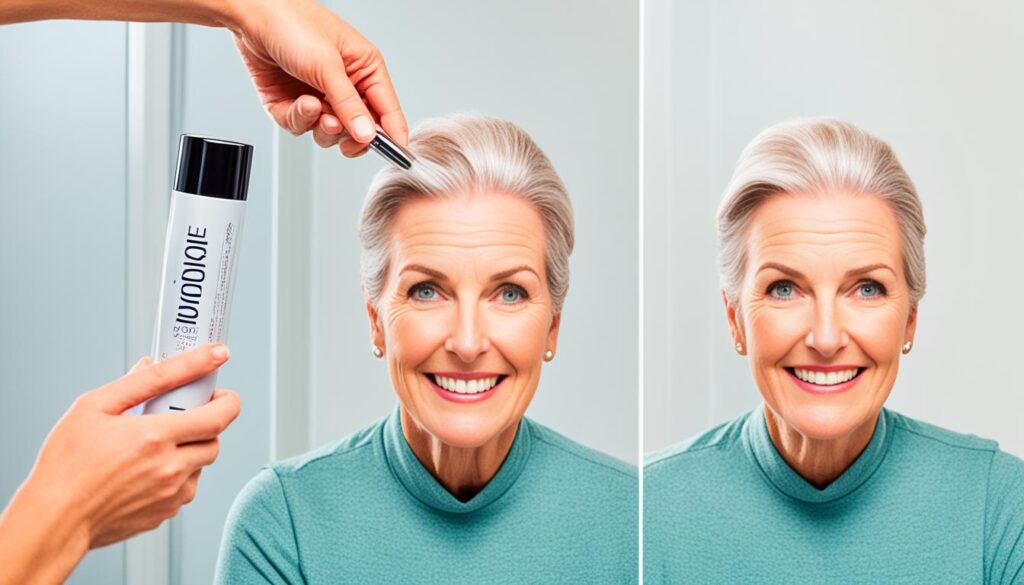
It’s important to consult with a dermatologist or hair loss specialist to determine the most suitable treatment options for your specific condition. They can assess your individual needs and provide personalized recommendations to help you address FPHL effectively.
Other Innovations in FPHL Treatment
As researchers continue to explore new treatments for Female Pattern Hair Loss (FPHL), several innovative approaches have emerged. These advancements offer potential options for hair restoration and provide additional avenues for addressing FPHL. Let’s take a closer look at some of these exciting developments.
Platelet-Rich Plasma Therapy:
One intriguing treatment under investigation is platelet-rich plasma (PRP) therapy. PRP involves extracting a patient’s own blood, processing it to concentrate the platelets, and then injecting the platelet-rich plasma into the scalp. The growth factors found in platelets are believed to stimulate hair follicles, promoting hair regrowth. While preliminary research shows promise, further studies are required to determine the safety and effectiveness of PRP therapy for FPHL.
Stem Cell Therapy:
Stem cell therapy is another area of exploration for FPHL treatment. This innovative approach involves using stem cells to stimulate hair follicles and promote hair regrowth. Researchers are investigating various sources of stem cells, including adipose tissue and mesenchymal stem cells, to determine their efficacy in treating FPHL. While still in the early stages of research, stem cell therapy holds potential as a future treatment option for FPHL.
“Platelet-rich plasma therapy and stem cell therapy are exciting prospects in the field of FPHL treatment. While more research is needed, these innovative therapies offer hope for women experiencing hair loss.” – Dr. Emily Johnson, Dermatologist
In addition to these emerging therapies, there are other products and practices that have been marketed as potential treatments for FPHL. However, their efficacy and safety are still under investigation. These include supplements, specialized hair loss shampoos, and at-home laser devices. It is important to approach these options with caution and consult with a dermatologist before incorporating them into your hair care routine.
Proper hair care practices can also play a crucial role in managing FPHL. Gentle styling techniques, avoiding harsh chemicals, and using products specifically formulated for hair loss can help maintain the health of existing hair and support regrowth.
While researchers continue to explore new treatment options, it’s essential to consult with a dermatologist for a comprehensive evaluation and personalized guidance regarding the most suitable approach to FPHL treatment.
Medications and Side Effects for FPHL Treatment
In addition to oral antiandrogen therapies and topical minoxidil, there are other medications commonly prescribed to treat female pattern hair loss (FPHL). Two of these medications are finasteride and spironolactone, both of which have shown efficacy in helping women regrow hair and prevent further hair loss.
Finasteride, commonly known by the brand name Propecia, is an oral medication that works by reducing the production of dihydrotestosterone (DHT), a hormone that contributes to hair loss. Although predominantly used to treat male pattern baldness, finasteride has also shown positive results in women with FPHL.

It is important to note that the use of finasteride in women is not currently FDA approved, and its safety and effectiveness for FPHL treatment are still being studied. Some potential side effects of finasteride in women include hormonal imbalances, such as changes in menstrual cycles, breast tenderness, and decreased libido. It is crucial for patients to discuss these potential side effects with their dermatologist before starting treatment.
Spironolactone, on the other hand, is a medication primarily used to treat conditions such as high blood pressure and fluid retention. However, it has also been found to be effective in treating FPHL by blocking the effects of androgens, the hormones responsible for hair loss in women. Spironolactone is often prescribed off-label for FPHL treatment.
Spironolactone may have potential side effects, including dizziness, headache, breast tenderness, and changes in menstrual cycles. It is important for patients to discuss these potential side effects with their dermatologist before starting treatment.
Both finasteride and spironolactone should only be taken under the supervision of a healthcare professional who can monitor their effects and adjust the dosage if necessary. It is also crucial for patients to disclose their complete medical history and any current medications they are taking to ensure the safe use of these medications.
It is important to note that individual experiences with these medications may vary. While some women may experience positive results and minimal side effects, others may not see significant improvement or may have adverse reactions. A dermatologist can provide guidance on the most appropriate treatment options based on an individual’s unique needs and medical history.
Conclusion
FPHL is a common form of hair loss in women that can have significant psychological and social impacts. Early diagnosis and treatment are crucial to prevent further hair loss and stimulate regrowth. Fortunately, there are various effective treatment options available for FPHL.
Oral medications, such as cyproterone acetate and spironolactone, can help inhibit the effects of androgens on the hair follicles, while topical solutions like minoxidil can promote hair regrowth. In severe cases, surgical interventions like hair transplantation may be considered. It’s important to note that the best course of treatment will depend on the individual patient’s condition and should be determined in consultation with a dermatologist.
While current treatment modalities have shown positive results, ongoing research and advancements in FPHL treatment continue to explore new possibilities. Platelet-rich plasma therapy and stem cell treatments are among the innovative approaches being investigated. Additionally, adopting healthy hair care practices, such as gentle styling and avoiding harsh chemicals, can help manage FPHL and maintain overall hair health.
If you’re experiencing hair thinning or noticing signs of FPHL, don’t hesitate to seek professional guidance. Our team of experienced dermatologists can provide a comprehensive evaluation and recommend the most suitable female hair regrowth treatment options to address your specific needs. Let us help you regain your confidence and achieve healthier, fuller hair.
FAQ
What is female pattern hair loss (FPHL)?
Female pattern hair loss (FPHL) is the most common form of alopecia in women. It is characterized by a progressive thinning of the hair on the scalp, typically starting at the crown and widening through the center part.
What are the causes of female pattern hair loss?
FPHL is believed to be hereditary, with hormonal changes during menopause also playing a role. Other nonandrogenic factors may contribute to the development of FPHL.
How is female pattern hair loss diagnosed?
Diagnosis of FPHL can be confirmed through a patient’s medical history and physical examination, although scalp biopsy may be required in some cases. Women with signs of hyperandrogenism may need further investigation for ovarian or adrenal disorders.
What are the treatment options for female pattern hair loss?
Treatment for FPHL aims to reverse or stabilize the miniaturization of hair follicles and stimulate regrowth. Mild-to-moderate FPHL can be treated with oral antiandrogen therapies (such as cyproterone acetate and spironolactone) and/or topical minoxidil. Hair systems and surgery may be considered for severe cases of FPHL.
Are there any innovations in FPHL treatment?
Researchers are constantly exploring new treatments for FPHL, including platelet-rich plasma therapy and stem cells. Preliminary research shows promise for these therapies, but more studies are needed to determine their safety and effectiveness.
What are the medications used to treat FPHL and their side effects?
Medications such as finasteride and spironolactone may be prescribed to treat FPHL. These medications have shown efficacy in helping women regrow hair and prevent further hair loss. However, they may also have side effects, such as hormonal imbalances and liver toxicity.
1 thought on “Effective FPHL Hair Loss Treatments for Women”