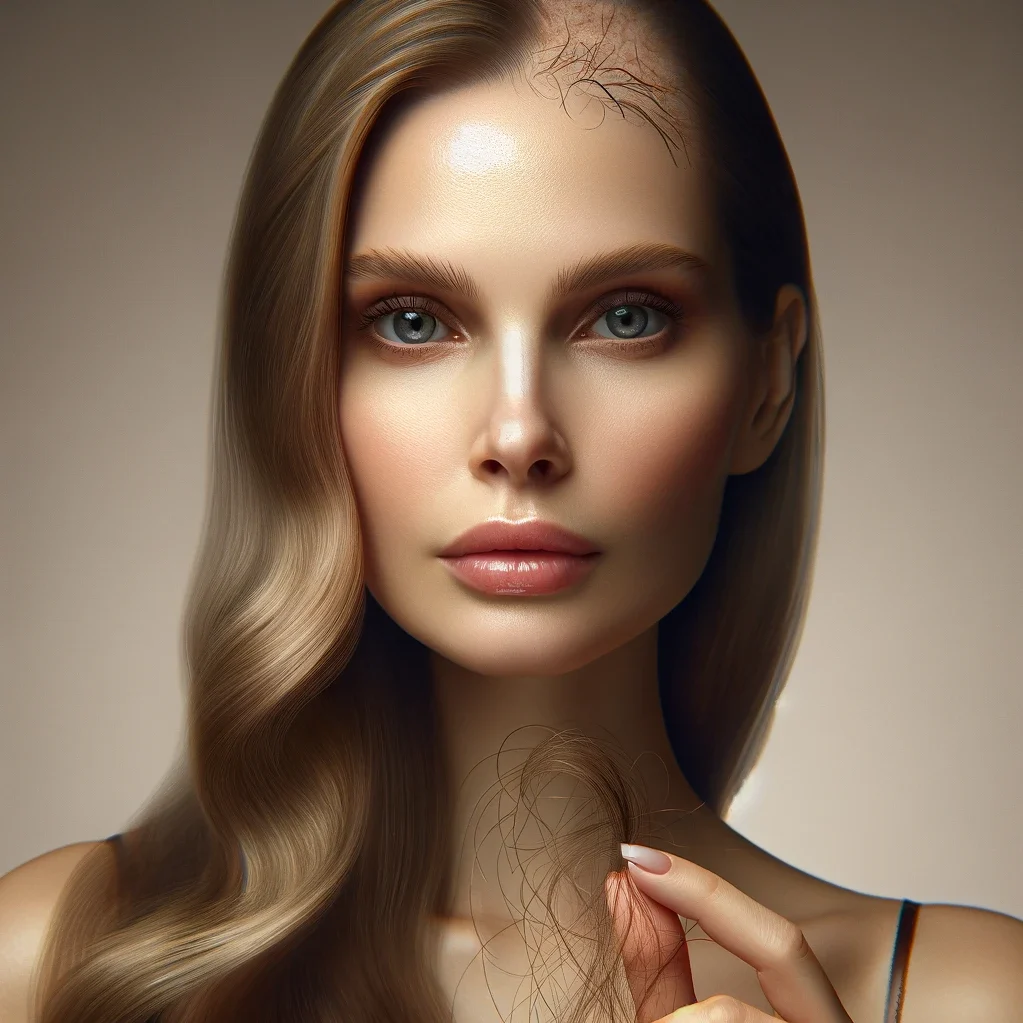

Female hair loss is a common concern that can be distressing and impact self-esteem. If you’re experiencing hair thinning on the sides of your head, commonly known as female pattern baldness or temple hair loss, it’s important to understand the condition and explore treatment options.
Female pattern baldness is characterized by hair thinning mainly on the top and crown of the scalp, with a widening through the center hair part. Unlike men, women rarely experience a receding hairline. Diagnosing female pattern baldness involves evaluating the appearance and pattern of hair loss, ruling out other causes, and considering medical history.
Treatment options for female pattern baldness include medications like minoxidil, oral medications, and hair transplant surgery. In addition, non-surgical options like hair weaving, hairpieces, or hairstyle changes can help improve the appearance of hair loss.
In this article, we’ll explore the causes of female pattern baldness, diagnosis methods, treatment options, as well as discuss one-sided hair loss in females and its treatment approaches.
Key Takeaways:
- Female pattern baldness is the most common type of hair loss in women, characterized by hair thinning on the top and crown of the scalp.
- Diagnosis of female pattern baldness involves evaluating the appearance and pattern of hair loss, ruling out other causes, and considering medical history.
- Treatment options include medications like minoxidil, oral medications, and hair transplant surgery.
- Non-surgical options like hair weaving, hairpieces, or hairstyle changes can improve the appearance of hair loss in females.
- One-sided hair loss in females can have various causes, including genetics, stress, scalp inflammation, and medical conditions.
Causes of Female Pattern Baldness
Female pattern baldness, also known as androgenetic alopecia, is a common condition that affects women’s hair. While the exact cause of female pattern baldness is not fully understood, several factors are believed to contribute to this condition.
Hormonal Changes:
Androgens, such as testosterone and dihydrotestosterone (DHT), play a role in hair loss. These hormones can cause the hair follicles to shrink, leading to thinner and shorter hair growth.
Genetics:
A family history of baldness can increase a woman’s risk of developing female pattern baldness. Certain genes inherited from parents can make the hair follicles more sensitive to androgens.
Aging:
As women age, their hormone levels fluctuate, specifically a decrease in estrogen. This hormonal imbalance can contribute to hair thinning and loss.
Menstrual Periods:
Women who experience heavy blood loss during their menstrual cycles may be more prone to female pattern baldness. The iron deficiency associated with heavy menstrual periods can affect hair growth.
Medications:
Certain medications, such as oral contraceptives, can influence hormone levels and potentially trigger hair loss. It is important to discuss any concerns or side effects with a healthcare provider.
Comparison of Female Pattern Baldness and Male Pattern Baldness
| Characteristic | Female Pattern Baldness | Male Pattern Baldness |
|---|---|---|
| Patterns of Hair Loss | Affected areas include the top and crown of the scalp with minimal hair loss in the front hairline. | Typically starts with a receding hairline and thinning at the crown, gradually progressing to complete baldness. |
| Rate of Hair Loss | Progresses slowly over time. | Can occur rapidly, especially in cases of male pattern baldness. |
| Extent of Hair Loss | Rarely leads to total baldness. | Can result in extensive baldness, including the entire top and front areas of the scalp. |
While the causes of female pattern baldness may vary from person to person, understanding these potential factors can provide valuable insights for diagnosis and treatment strategies. The next section will discuss the diagnostic process for female pattern baldness.
Diagnosis of Female Pattern Baldness
Diagnosing female pattern baldness involves a comprehensive assessment to rule out other potential causes of hair loss. We evaluate the appearance and pattern of hair loss while taking into account the individual’s medical history. In some cases, additional diagnostic procedures may be necessary to confirm the diagnosis.
One common diagnostic method is a skin biopsy of the scalp. This procedure involves extracting a small sample of skin from the affected area for laboratory analysis. It helps identify any underlying skin disorders that may be contributing to hair loss. Blood tests may also be conducted to check for specific medical conditions or assess hormone levels.
Another diagnostic tool used by dermatologists is dermoscopy. This technique involves examining the scalp and hair follicles under a specialized handheld device that magnifies the area. Dermoscopy helps assess the structure of the hair shaft and identify any abnormalities or signs of inflammation.
It’s essential to note that itching or skin sores on the scalp are generally not associated with female pattern baldness. These symptoms may indicate an underlying scalp condition that requires further investigation. Early and accurate diagnosis lays the foundation for effective treatment and management of female pattern baldness.

Quote:
“We evaluate the appearance and pattern of hair loss while taking into account the individual’s medical history.”
Treatment Options for Female Pattern Baldness
When it comes to addressing female pattern baldness, there are several treatment options available. Let’s explore them in detail:
1. Topical Medications
Minoxidil is the only FDA-approved medication for treating female pattern baldness. Applied directly to the scalp, minoxidil stimulates hair growth and prevents further hair loss. Other topical medications, such as ketoconazole, may also be recommended by your healthcare provider.
2. Oral Medications
In some cases, oral medications may be prescribed to treat female pattern baldness. Medications like spironolactone, cimetidine, and specific birth control pills can help manage hormonal imbalances that contribute to hair loss.
3. Hair Transplant Surgery
For women who don’t respond well to medical treatments or have significant cosmetic concerns, hair transplant surgery can be a viable option. During the procedure, hair follicles are surgically removed from a donor area and transplanted to the balding areas of the scalp, promoting new hair growth.
4. Cosmetic Interventions
In addition to medical treatments, there are cosmetic interventions that can improve the appearance of female pattern baldness. Hair weaving, where additional hair strands are attached to existing hair, can create the appearance of fuller hair. Hairpieces, such as wigs or hair extensions, can also be utilized. Furthermore, changes in hairstyle, such as opting for a shorter cut or different hair parting, can help conceal hair loss and enhance overall appearance.
Discussing your treatment options with a healthcare provider or dermatologist is essential to determine the best course of action for your unique situation.
Causes of One-Sided Hair Loss in Females
One-sided hair loss in females can have various causes. These include:
- Genetics
- Stress
- Sickness
- Irregular hair growth
- Hormonal imbalances
- Scalp inflammation
Additionally, certain conditions and factors can contribute to one-sided hair loss, including:
- Alopecia areata
- Trichotillomania (hair pulling disorder)
- Trauma (scalp injuries or head surgeries)
- Certain hairstyles and treatments
- Other medical conditions
Identifying the underlying cause is crucial for effective treatment and addressing one-sided hair loss in females.
Understanding the Causes
One-sided hair loss can result from a combination of genetic factors, environmental influences, and underlying conditions.
Genetics play a role in determining hair growth patterns, and some individuals may be more prone to experiencing hair loss on one side of the head due to hereditary factors.
Stress, both physical and emotional, can contribute to hair loss and may manifest on one side of the head. Illness or chronic medical conditions can also disrupt the hair growth cycle and lead to one-sided hair loss.
Irregular hair growth, hormonal imbalances, and scalp inflammation can contribute to localized hair loss, affecting one side of the head more than the other.
Conditions like alopecia areata, an autoimmune disease that causes patchy hair loss, and trichotillomania, a psychological disorder characterized by compulsive hair pulling, can result in one-sided hair loss depending on the affected areas.
Trauma or surgeries involving the scalp can cause hair loss on one side as a result of physical damage to the hair follicles in that specific area.
Certain hairstyles and treatments, such as tight braids, chemical treatments, and heat styling, can lead to hair breakage and hair loss on one side of the head.
It’s important to consult with a healthcare professional or dermatologist for an accurate diagnosis and appropriate treatment plan to address the underlying cause of one-sided hair loss in females.
Treatment Options for One-Sided Hair Loss
When it comes to addressing one-sided hair loss, the treatment options available depend on the underlying cause of the condition. understanding the root cause is crucial for developing an effective treatment plan. Here are some common causes of one-sided hair loss and the treatment options associated with each:
Cause: Alopecia Areata
Alopecia areata is an autoimmune condition that causes hair loss in patches. To treat one-sided hair loss caused by alopecia areata, medications can be used to suppress the immune response and stimulate hair regrowth. These medications may include:
- Corticosteroids: Cortisone injections or topical creams can help reduce inflammation and promote hair growth.
- Immunosuppressants: Drugs such as cyclosporine can help modulate the immune system and prevent further hair loss.
- Topical immunotherapy: This involves applying a chemical to the scalp to trigger an allergic reaction, which stimulates hair regrowth.
Cause: Trichotillomania
Trichotillomania is a hair-pulling disorder that can result in one-sided hair loss. Behavioral therapy, including cognitive-behavioral therapy (CBT) and habit reversal training, has shown to be effective in managing trichotillomania. In some cases, medications such as selective serotonin reuptake inhibitors (SSRIs) may also be prescribed to help control the urge to pull out hair.
Cause: Scalp Inflammation or Irritation
If one-sided hair loss is due to scalp inflammation or irritation, treating the underlying condition can help promote hair growth. This may involve using medicated shampoos or topical steroids to reduce inflammation and soothe the scalp. Scalp massage and stimulation can also help improve blood circulation and stimulate hair follicles.
Cause: Hormonal Imbalances
Hormonal imbalances, such as those associated with polycystic ovary syndrome (PCOS), can contribute to one-sided hair loss. In such cases, hormone-regulating medications may be prescribed to restore hormonal balance and prevent further hair loss. Additionally, lifestyle changes such as maintaining a healthy diet and exercising regularly can help manage hormonal imbalances.
Cause: Stress and Poor Hair Care
Stress and inadequate hair care practices can lead to hair thinning and one-sided hair loss. Managing stress through relaxation techniques, seeking support, and practicing self-care can promote overall hair health. Additionally, adopting a proper hair care routine, including gentle washing, conditioning, and avoiding excessive heat or chemical treatments, can prevent further damage and support hair growth.
By identifying the specific cause of one-sided hair loss and implementing appropriate treatment measures, individuals experiencing this condition can take steps towards regaining hair thickness and achieving a healthier, balanced scalp.

Conclusion
Hair loss can be a distressing experience for women, whether it occurs on the sides of the head or is one-sided. Understanding the underlying causes and seeking appropriate treatment is essential for managing and potentially regrowing hair.
For female pattern baldness, there are various treatment options available, including medications such as minoxidil, hair transplant surgery, and cosmetic interventions like hair weaving or hairpieces. These treatments can help restore hair growth and improve the appearance of thinning areas.
When it comes to one-sided hair loss, the treatment approach depends on the specific cause. Identifying the root cause is crucial in determining the most effective treatment. Whether it’s addressing hormonal imbalances, scalp inflammation, or adopting healthy hair care habits, personalized treatment plans can support regrowth and prevent further loss.
Supporting overall hair health and reducing stress are also important factors in promoting hair regrowth. Maintaining a nutritious diet, practicing scalp massage and stimulation, and seeking ways to manage stress can contribute to the health of your hair.
If you’re experiencing hair loss, it’s always best to consult with a healthcare provider or dermatologist. They can provide guidance, evaluate your individual case, and recommend personalized treatment options that align with your needs and goals. Remember, seeking professional advice is the first step towards regaining your confidence and achieving healthier, fuller hair.
FAQ
What is female pattern baldness?
Female pattern baldness is the most common type of hair loss in women. It is characterized by hair thinning mainly on the top and crown of the scalp, with a widening through the center hair part. The front hairline remains unaffected.
How is female pattern baldness diagnosed?
Female pattern baldness is usually diagnosed based on the appearance and pattern of hair loss, ruling out other causes of hair loss, and the individual’s medical history.
What are the treatment options for female pattern baldness?
Treatment options for female pattern baldness include minoxidil, oral medications, and hair transplant. Hair weaving, hairpieces, or a change in hairstyle can also help improve the appearance.
What causes female pattern baldness?
The exact cause of female pattern baldness is not well understood, but it is believed to be related to factors such as aging, changes in hormone levels (androgens), family history of baldness, heavy blood loss during menstrual periods, and certain medications.
Why does female pattern baldness primarily affect the top and crown of the scalp?
Female pattern baldness differs from male pattern baldness in that it primarily affects the top and crown of the scalp, with minimal hair loss in the front hairline. It rarely progresses to total baldness.
What causes one-sided hair loss in females?
One-sided hair loss in females can have various causes, including genetics, stress, sickness, irregular hair growth, hormonal imbalances, scalp inflammation, certain hairstyles and treatments, and other medical conditions.
How is one-sided hair loss diagnosed?
The underlying cause of one-sided hair loss needs to be identified for effective treatment. This may involve ruling out other causes, evaluating the pattern of hair loss, and considering the individual’s medical history.
What are the treatment options for one-sided hair loss?
Treatment for one-sided hair loss depends on the underlying cause. Options may include medications, behavioral therapy, scalp treatments, stress reduction, and improving overall hair health through diet and proper hair care.
Is hair loss on the sides of the head distressing for women?
Yes, hair loss, whether on the sides of the head or one-sided, can be distressing for women. Understanding the causes and seeking appropriate treatment is important for managing and potentially regrowing hair.
Should I consult with a healthcare provider for hair loss treatment?
Yes, it is recommended to consult with a healthcare provider or dermatologist for guidance and personalized treatment options for hair loss.