Introduction
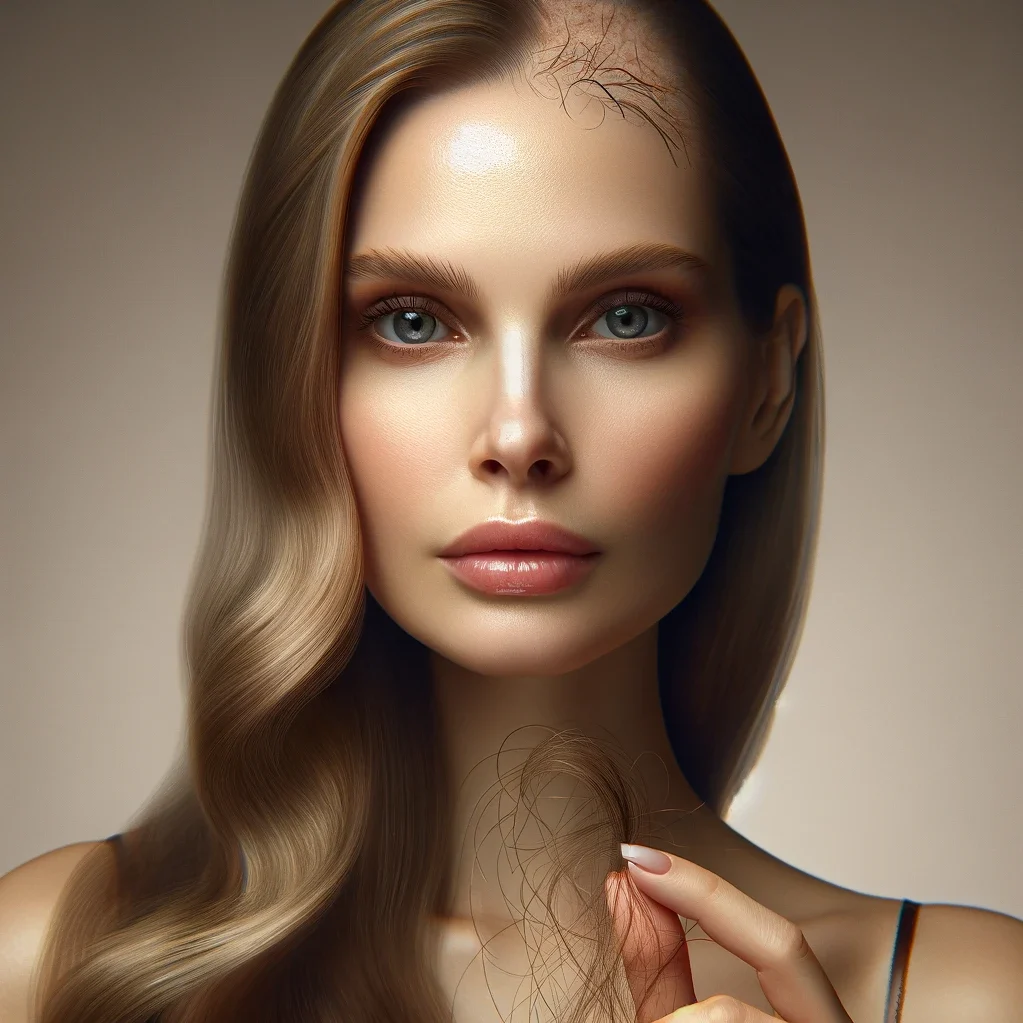
Hair thinning affects millions of women worldwide, with studies showing that more than 50% of women will experience noticeable hair loss in their lifetime. While male pattern baldness often receives more attention, female hair thinning can be equally distressing and impact self-esteem significantly. Unlike men, women typically experience diffuse thinning across the scalp rather than complete baldness, particularly noticeable at the crown and along the part line.
Female hair thinning can stem from various causes including hormonal changes, genetic factors, nutritional deficiencies, stress, and certain medical conditions. Before exploring natural remedies, it’s important to understand that results may vary based on the underlying cause of your hair thinning. What works wonderfully for one woman might not be as effective for another.
Understanding Female Hair Thinning
The Hair Growth Cycle
To understand hair thinning, we must first understand the normal growth cycle of hair:
- Anagen (Growth) Phase: This active growth phase lasts 2-7 years, with hair growing approximately half an inch per month.
- Catagen (Transition) Phase: A short transitional period lasting about 10 days where hair growth stops.
- Telogen (Resting) Phase: A 3-month resting period after which the hair sheds naturally, making way for new growth.
Female hair thinning often occurs when too many hairs prematurely enter the telogen phase, or when the anagen phase shortens, resulting in thinner, shorter hair strands.
How Female Hair Thinning Differs from Male Pattern Baldness
Female pattern hair loss (FPHL) differs from male pattern baldness in several key ways:
- Women typically experience diffuse thinning rather than complete baldness
- Hair loss in women usually affects the crown and top of the head with maintenance of the frontal hairline
- Women’s hair thinning often relates to hormonal fluctuations (pregnancy, menopause)
- Female hair loss is frequently tied to underlying health conditions
Common Types of Hair Loss in Women
Several distinct types of hair loss affect women:
- Female Pattern Hair Loss (FPHL): The most common form, characterized by progressive thinning at the part line, spreading to the crown.
- Telogen Effluvium: Temporary shedding triggered by stress, illness, or hormonal changes.
- Alopecia Areata: An autoimmune condition causing patchy hair loss.
- Traction Alopecia: Hair loss from excessive pulling or tension on hair shafts.
- Nutritional Deficiencies: Inadequate levels of iron, zinc, protein, and certain vitamins.
Top Natural Remedies with Scientific Support
Essential Oils
Several essential oils have shown promise in scientific studies for their potential to improve hair growth and thickness:
Rosemary Oil: Research published in the journal Skinmed demonstrated that rosemary oil performed comparably to minoxidil (a pharmaceutical hair loss treatment) for improving hair count after six months of use, without the scalp itching side effect. To use, mix 3-5 drops with a carrier oil like jojoba or coconut oil, massage into your scalp, and leave on for at least 30 minutes before washing.
Peppermint Oil: A 2014 study published in Toxicological Research found that peppermint oil promoted hair growth more effectively than minoxidil in animal studies, increasing follicle number, follicle depth, and dermal thickness. Use similarly to rosemary oil, but start with a more diluted concentration (2-3 drops per tablespoon of carrier oil) as it can cause tingling.
Lavender Oil: Known for its calming properties, lavender oil may help reduce stress (a common hair loss trigger) while potentially promoting hair growth through improved blood circulation to follicles. Mix 5-10 drops with a carrier oil for scalp massage.
For more information on stress-related hair loss and additional remedies, visit our detailed guide on Hair Loss Due to Stress in Women.
Scalp Massage
Regular scalp massage offers a simple yet effective approach to improving hair thickness. A 2016 study published in the journal Eplasty found that just 4 minutes of daily scalp massage for 24 weeks led to increased hair thickness. Massage works by:
- Increasing blood flow to hair follicles
- Stretching dermal papilla cells, which stimulate hair growth
- Reducing stress and cortisol levels
- Distributing natural oils along the hair shaft
For optimal results, incorporate massage into your routine while applying oils or hair treatments. Use fingertips (not nails) to apply gentle pressure in circular motions across your entire scalp.
Natural Topical Treatments
Aloe Vera: With its rich content of vitamins, minerals, and moisturizing properties, aloe vera may help soothe the scalp and create optimal conditions for healthy hair growth. Studies show it can also reduce dandruff and unblock hair follicles clogged by excess oil. Apply pure aloe vera gel directly to the scalp, leave for 30-60 minutes, then rinse.
Onion Juice: While not the most pleasant-smelling remedy, onion juice has been shown in research to significantly improve hair regrowth in people with alopecia areata. Its high sulfur content may help with blood circulation to hair follicles and hair regeneration. Extract fresh onion juice, apply to the scalp for 15-30 minutes, then wash thoroughly.
Herbal Supplements
Saw Palmetto: This herb may help block DHT (dihydrotestosterone), a hormone linked to certain types of hair thinning. A 2004 study in The Journal of Alternative and Complementary Medicine found that saw palmetto extract may help improve hair density. Typical dosage is 160mg twice daily, but consult with a healthcare provider before beginning supplementation.
Ginseng: Contains compounds that may stimulate hair follicles and encourage growth. Studies suggest ginseng promotes hair growth by stimulating dermal papilla cells and preventing cellular death in hair follicles. Ginseng can be taken as a supplement or applied topically as part of hair products.
For a comprehensive overview of vitamin and mineral supplements that support hair growth, check out our article on the Best Vitamins for Women’s Hair Growth.
Nutrition for Healthy Hair Growth
Key Vitamins and Minerals
Proper nutrition serves as a foundation for healthy hair growth. Key nutrients include:
Iron: Essential for delivering oxygen to hair follicles. Low iron is a common cause of hair thinning in women, particularly those with heavy menstrual cycles. Iron-rich foods include lean red meat, spinach, lentils, and fortified cereals.
Zinc: Supports hair tissue growth and repair while helping oil glands around follicles function properly. Sources include oysters, beef, pumpkin seeds, and lentils.
Vitamin D: Studies have linked vitamin D deficiency to alopecia, with research suggesting vitamin D may help create new follicles. Get vitamin D through sunlight exposure and foods like fatty fish, mushrooms, and fortified products.
B-Vitamins: Particularly biotin (B7), which is essential for hair health. Other important B vitamins include B12, B6, and folate. Sources include eggs, fish, meat, leafy greens, and whole grains.
For an in-depth look at biotin’s role in hair health, explore our article on Biotin Supplements for Female Hair Loss.
Anti-Inflammatory Diet Considerations
Chronic inflammation may contribute to hair thinning. An anti-inflammatory diet rich in these components may help:
- Omega-3 fatty acids: Found in salmon, mackerel, walnuts, and flaxseeds
- Antioxidant-rich foods: Colorful fruits and vegetables, particularly berries
- Turmeric: Contains curcumin, a powerful anti-inflammatory compound
- Green tea: Rich in antioxidants and anti-inflammatory compounds
Hydration and Hair Health
Proper hydration is often overlooked in hair care discussions. Water helps carry nutrients to hair follicles and supports the body’s natural detoxification processes. Aim for at least 8 glasses of water daily, and consider herbal teas like nettle or horsetail, which are traditionally used to support hair health.
Lifestyle Changes to Reduce Hair Thinning
Stress Management Techniques
Chronic stress triggers hormonal changes that can push hair follicles into the telogen (resting) phase prematurely. Effective stress management techniques include:
- Meditation and mindfulness: Even 10 minutes daily can help reduce stress hormones
- Yoga: Combines physical activity with mindfulness
- Deep breathing exercises: Activate the parasympathetic nervous system
- Adequate sleep: Aim for 7-9 hours of quality sleep nightly
For more detailed information on how stress affects hair health and additional management techniques, visit our article on Hair Loss Due to Stress in Women.
Exercise Benefits for Hair Health
Regular exercise improves circulation, delivering more nutrients and oxygen to hair follicles while helping to balance hormone levels. Aim for at least 30 minutes of moderate activity most days of the week, incorporating a mix of cardiovascular exercise, strength training, and flexibility work.
Avoiding Damaging Hair Practices
Many common hair practices can contribute to thinning by damaging hair shafts and follicles:
- Heat styling: Limit use of blow dryers, straighteners, and curling irons
- Tight hairstyles: Avoid ponytails, braids, or buns that pull on the scalp
- Chemical treatments: Minimize coloring, perming, and relaxing
- Harsh products: Choose gentle, sulfate-free shampoos and silicone-free conditioners
For more tips on how to care for thinning hair and create the appearance of fuller locks, see our article on How to Thicken Thinning Hair in Women.
When to Seek Professional Help
While natural remedies can be effective for many women, certain situations warrant professional medical attention:
- Sudden or patchy hair loss
- Hair loss accompanied by scalp pain, itching, or redness
- Hair thinning associated with other symptoms like weight changes or fatigue
- No improvement after 3-6 months of natural approaches
- Hair loss related to medication use
A dermatologist or trichologist can provide proper diagnosis and recommend appropriate treatments, which might include:
- Prescription medications like minoxidil, spironolactone, or finasteride
- Platelet-rich plasma (PRP) injections
- Low-level laser therapy
- Hair transplantation for suitable candidates
Conclusion
Female hair thinning, while distressing, can be addressed through multiple natural approaches. The most effective strategy often combines several methods—nutritional optimization, stress management, gentle hair care practices, and targeted natural remedies like essential oils or herbal supplements.
Remember that hair grows slowly, typically only half an inch per month, so patience is essential. Most natural remedies require at least 3-6 months of consistent use before significant improvements become visible.
By adopting a holistic approach to hair health, many women can successfully reduce hair thinning and support stronger, healthier hair growth. However, if you experience significant or sudden hair loss, consulting with a healthcare professional is always recommended to rule out underlying medical conditions.
For women experiencing hair thinning after pregnancy, we recommend reading our comprehensive guide on Postpartum Hair Loss Solutions for Women.