Introduction
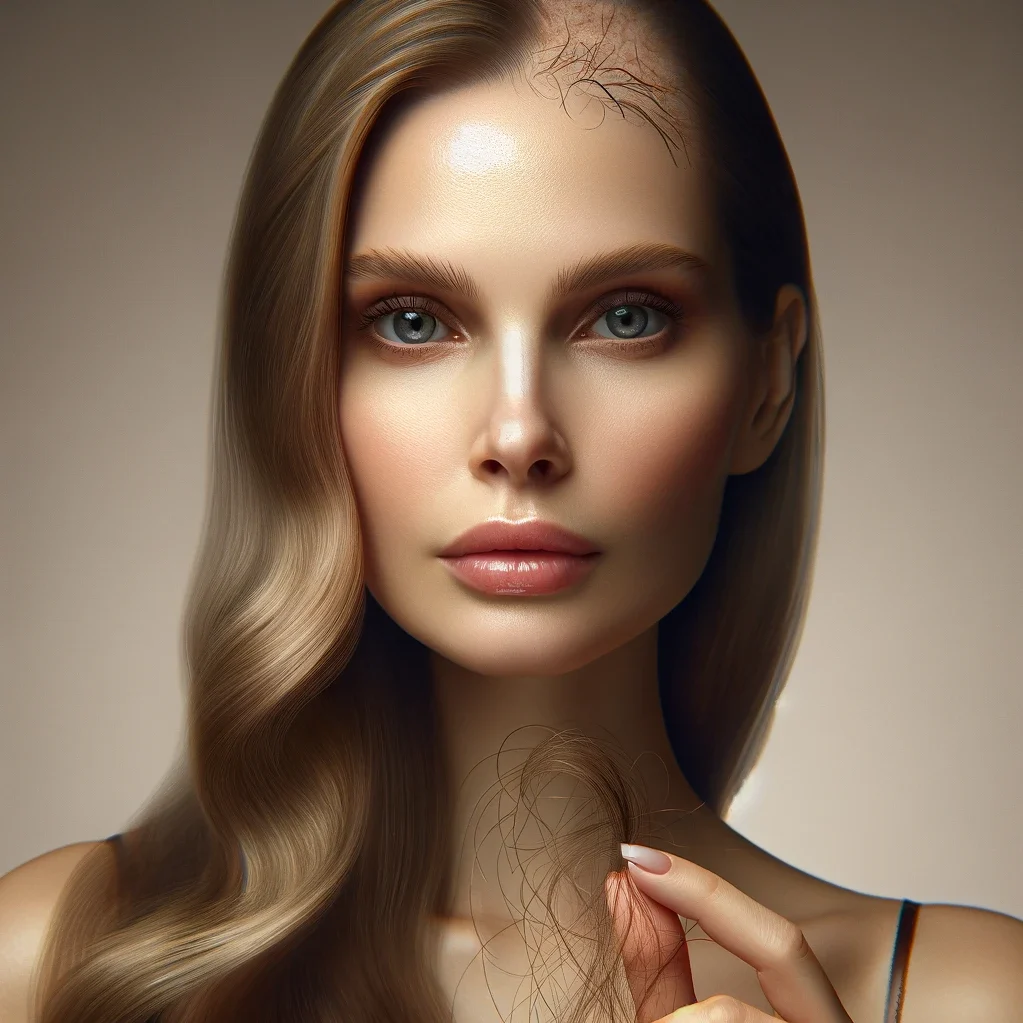
The joy of welcoming a new baby often comes with unexpected physical changes, including postpartum hair loss. This common phenomenon affects approximately 40-50% of new mothers, typically beginning 2-4 months after delivery. While alarming, postpartum hair loss is usually temporary and resolves on its own within 6-12 months as hormone levels normalize.
Understanding the difference between normal postpartum shedding and more concerning hair loss is crucial for new mothers. Normal postpartum hair loss presents as overall thinning, particularly noticeable around the hairline and part, without bald patches or scalp inflammation. This shedding, while sometimes dramatic, represents a return to the normal hair growth cycle after pregnancy hormones temporarily altered it.
This comprehensive guide explores evidence-based solutions for managing postpartum hair loss, from nutritional approaches to hair care strategies and medical interventions when necessary. By implementing these recommendations, new mothers can support their body’s natural recovery process while maintaining confidence during this transitional period.
Understanding Postpartum Hair Loss
Hormonal Changes During and After Pregnancy
During pregnancy, elevated estrogen levels extend the growth (anagen) phase of the hair cycle, resulting in thicker, more luxurious hair many women enjoy. Fewer hairs enter the resting (telogen) phase, meaning fewer hairs shed daily. After childbirth, estrogen levels drop rapidly, triggering a synchronized shift of many hair follicles into the telogen phase.
This hormonal shift explains why hair loss doesn’t occur immediately after delivery but instead appears 2-4 months later when these resting hairs begin to shed. This process, called telogen effluvium, isn’t causing new hair loss but rather a return to normal shedding patterns, albeit in a compressed timeframe.
The Telogen Effluvium Process
Telogen effluvium occurs when a significant percentage of hair follicles prematurely enter the resting phase simultaneously, rather than following their normal staggered cycling. During pregnancy, high estrogen levels keep more follicles in the growing phase, creating fuller-looking hair. After delivery, when these hormone levels plummet, many follicles simultaneously enter the resting phase, resulting in noticeable shedding approximately 3 months later when these resting hairs fall out.
The good news is that this process is temporary. New hair growth begins as follicles reset to their normal cycles, though regrowth may initially appear finer and shorter, creating temporary “baby hairs” around the hairline.
Timeline of Postpartum Hair Shedding
The typical timeline for postpartum hair changes follows this pattern:
- During pregnancy: Increased hair thickness and reduced shedding
- 0-2 months postpartum: Minimal hair changes as follicles transition
- 2-4 months postpartum: Peak shedding begins; may be quite noticeable
- 4-6 months postpartum: Continued shedding but often beginning to slow
- 6-12 months postpartum: Gradual regrowth and return to normal hair cycles
- 12+ months postpartum: Complete resolution for most women
Factors That May Worsen Postpartum Hair Loss
While hormonal changes trigger postpartum hair loss, several factors can exacerbate the condition:
- Nutritional deficiencies: Particularly iron, zinc, vitamin D, and B vitamins
- Stress: Physical and emotional stress increases cortisol, affecting hair cycles
- Thyroid imbalances: Common after pregnancy and can contribute to hair loss
- Sleep deprivation: Impacts cellular regeneration and hormone balance
- Restrictive dieting: Inadequate calories or protein impairs hair growth
- Certain medications: Some medications may contribute to hair shedding
For more information on how stress affects hair health, see our detailed article on Hair Loss Due to Stress in Women.
Nutrition and Supplementation
Key Nutrients for Postpartum Hair Recovery
Proper nutrition is foundational for hair recovery, with several nutrients playing crucial roles:
Iron: Postpartum women, especially those who experienced significant blood loss during delivery, may have depleted iron stores. Iron deficiency can worsen hair shedding by reducing oxygen delivery to hair follicles. Iron-rich foods include lean red meat, spinach, lentils, fortified cereals, and dried fruits.
Protein: Hair is primarily made of keratin, a protein. Adequate protein intake supports new hair growth and strength. Aim for complete protein sources like eggs, fish, lean meats, dairy, and plant-based combinations such as legumes with whole grains.
Omega-3 Fatty Acids: These essential fats support scalp health and may reduce inflammation that can affect hair follicles. Sources include fatty fish (salmon, mackerel), walnuts, flaxseeds, and chia seeds.
Vitamin C: Essential for collagen production and iron absorption, vitamin C supports the structural integrity of hair follicles. Find it in citrus fruits, strawberries, bell peppers, and broccoli.
Zinc: This mineral supports tissue growth and repair, including hair tissue. Sources include oysters, beef, pumpkin seeds, lentils, and fortified cereals.
For a comprehensive overview of vitamins and minerals that support hair growth, check out our article on Best Vitamins for Women’s Hair Growth.
Recommended Supplements for Nursing Mothers
While a food-first approach is ideal, supplements can help address nutritional gaps. For nursing mothers, safety is paramount. These supplements are generally considered safe during breastfeeding, but always consult your healthcare provider before starting any supplement regimen:
Postnatal Vitamins: Continue taking your prenatal or switch to a postnatal formula, which provides essential nutrients for both mother and baby.
Iron: If blood tests indicate low iron, a gentle iron supplement may be recommended. Look for forms like iron bisglycinate that cause less digestive distress.
Vitamin D3: Many new mothers are deficient in vitamin D, which impacts hair health. A standard dose of 1000-2000 IU daily is often recommended, but levels should be monitored.
Omega-3 Supplements: Fish oil or algae-based omega-3 supplements can support overall health, including hair. Choose purified forms tested for contaminants.
Collagen Peptides: While more research is needed, some evidence suggests collagen supplements may support hair growth by providing amino acid building blocks.
Foods to Incorporate in Postpartum Diet
A nutrient-dense diet supports both recovery from childbirth and healthy hair regrowth. Focus on incorporating these hair-supporting foods:
- Dark leafy greens: Rich in iron, vitamins A and C, and folate
- Eggs: Provide biotin, protein, and zinc
- Fatty fish: Deliver omega-3s, vitamin D, and protein
- Berries: High in antioxidants and vitamin C
- Nuts and seeds: Supply zinc, selenium, and healthy fats
- Sweet potatoes: Excellent source of beta-carotene, which converts to vitamin A
- Avocados: Provide healthy fats and vitamin E for scalp health
- Beans and lentils: Offer protein, iron, zinc, and biotin
Hydration Importance
Adequate hydration is essential for overall health and hair recovery. Water helps transport nutrients to hair follicles and maintains skin hydration, including the scalp. For breastfeeding mothers, hydration needs are even higher. Aim for at least 12-16 cups (96-128 ounces) of fluids daily, primarily from water. Herbal teas like nettle, red raspberry leaf, and fenugreek may provide additional benefits for both milk production and hair health.
Hair Care Strategies During Recovery
Gentle Hair Care Approaches
During the postpartum shedding phase, minimizing additional stress on hair follicles and strands is crucial:
- Wash less frequently: 2-3 times weekly is sufficient for most women
- Use lukewarm water: Hot water can strip natural oils and irritate the scalp
- Gentle shampooing technique: Massage scalp lightly without aggressive scrubbing
- Pat dry: Avoid rough towel-drying that can damage wet, vulnerable hair
- Limit heat styling: Air-dry when possible, and use heat protectants when necessary
- Wide-tooth combing: Use a wide-tooth comb or wet brush on damp hair
- Avoid chemical treatments: Postpone coloring, perming, or relaxing until shedding stabilizes
Products That Add Volume
Certain products can create the appearance of fuller hair while supporting healthy regrowth:
Volumizing Shampoos and Conditioners: Look for lightweight formulas without heavy silicones or oils that can weigh hair down. Products containing ingredients like rice protein, panthenol (provitamin B5), or biotin can temporarily plump hair strands.
Leave-in Treatments: Lightweight leave-in conditioners or volumizing sprays can add body without heaviness. Consider products with hyaluronic acid, which attracts moisture and creates volume.
Root Lifters: Applied to roots before blow-drying, these products create lift and volume at the scalp.
Dry Shampoo: Beyond absorbing oil, dry shampoo adds texture and volume. Apply at roots and massage lightly for instant fullness.
For more strategies on creating thicker-looking hair, visit our article on How to Thicken Thinning Hair in Women.
Protective Styling Techniques
The right styling approaches can minimize damage while camouflaging thinning areas:
- Loose styles: Avoid tight ponytails or buns that create tension
- Strategic partings: Changing your part or using a zigzag part can disguise thinning
- Texture: Light waves or curls create volume and hide thinning areas
- Layers: A layered cut creates movement and the illusion of thickness
- Hair accessories: Headbands, scarves, and clips can stylishly cover thinning areas
Haircuts That Camouflage Thinning
The right haircut can make a significant difference during the regrowth phase:
Shorter Cuts: A shorter cut equalizes the length between existing hair and new regrowth, creating a more cohesive look. Bobs, lobs (long bobs), and pixie cuts can all work well.
Layers: Strategic layers add movement and volume, especially when combined with styling products.
Face-Framing Pieces: Shorter pieces around the face blend regrowth with existing hair while drawing attention away from thin spots.
Blunt Cuts: For fine hair, blunt ends create the appearance of thickness, especially in shorter to medium-length styles.
Lifestyle Modifications
Sleep Optimization for New Mothers
Quality sleep is challenging with a newborn but crucial for hair recovery. Poor sleep increases stress hormones that can impair hair growth. Strategies to improve sleep include:
- Sleep when baby sleeps: Prioritize naps when possible
- Share nighttime duties: If possible, alternate night feedings with a partner
- Create optimal sleep conditions: Dark room, comfortable temperature, white noise
- Bedtime routine: Even brief relaxation practices before sleep can improve quality
- Limit screen time: Avoid blue light from devices before bedtime
Stress Management with a Newborn
New motherhood brings significant stress, which can exacerbate hair shedding. Practical stress management techniques include:
- Micro-meditation: Even 1-2 minute breathing breaks throughout the day help
- Acceptance: Recognize that some stress is normal and temporary
- Support network: Accept help from family and friends
- Lower expectations: Prioritize essential tasks and let go of perfectionism
- Connect with other mothers: Share experiences with those who understand
For more detailed information on managing stress-related hair loss, see our article on Hair Loss Due to Stress in Women.
Gradual Return to Exercise
Physical activity supports hormone balance and circulation, benefiting hair health. However, postpartum exercise should be approached gradually:
- Start with walking: Begin with short walks with your baby
- Postnatal-specific exercise: Classes designed for new mothers address recovery needs
- Gradual progression: Increase duration and intensity slowly
- Mind-body activities: Gentle yoga or tai chi combines movement with stress reduction
- Consistency over intensity: Regular, moderate activity is more beneficial than occasional intense workouts
Time Management for Self-Care
Finding time for self-care with a newborn is challenging but essential for recovery:
- Prioritize essential self-care: Even 5-minute windows for basic needs matter
- Combine activities: Hair masks during nursing sessions or podcasts during walks
- Schedule self-care: Treat it as a non-negotiable appointment
- Simplify routines: Develop efficient hair and skincare routines
- Accept help: Allow others to care for your baby while you shower or rest
Medical Treatments When Needed
When to Consult a Healthcare Provider
While postpartum hair loss is typically temporary, certain signs warrant medical attention:
- Hair loss continuing beyond 12 months postpartum
- Patchy rather than diffuse hair loss
- Scalp symptoms like itching, burning, or severe flaking
- Hair loss accompanied by other symptoms like fatigue or weight changes
- Excessive shedding that seems disproportionate
A healthcare provider can evaluate potential underlying conditions like postpartum thyroiditis, nutritional deficiencies, or other factors contributing to prolonged hair loss.
Safe Treatments While Breastfeeding
If medical intervention is needed, several treatments are considered safe during breastfeeding:
Topical Minoxidil 2%: For persistent hair loss, topical minoxidil may be recommended after discussing risks and benefits with your provider. While minimal systemic absorption occurs, some healthcare providers recommend waiting until breastfeeding is complete.
PRP Therapy: Platelet-rich plasma (PRP) treatments use your own blood components to stimulate hair growth and are considered safe while nursing.
Low-Level Laser Therapy: Devices that deliver red light to the scalp may stimulate follicle activity and are non-invasive, with no systemic effects.
Prescription Options
For certain cases, prescription interventions may be appropriate:
Topical Steroids: For inflammatory scalp conditions contributing to hair loss.
Iron Supplementation: Prescription-strength iron for significant deficiency.
Thyroid Medication: If postpartum thyroiditis is diagnosed.
Specialized Shampoos: Prescription-strength formulations for specific scalp conditions.
Advanced Treatments for Persistent Loss
If hair loss persists well beyond the normal postpartum recovery period, more advanced treatments might be considered after weaning:
Oral Minoxidil: Lower doses of oral minoxidil may be more effective than topical applications.
Spironolactone: An anti-androgen medication sometimes used for female pattern hair loss.
Hair Transplantation: For cases where significant permanent loss has occurred.
Success Stories and Timeline
Realistic Expectations for Regrowth
Understanding the typical regrowth pattern helps set realistic expectations:
- First signs of improvement: Usually 3-6 months after peak shedding
- Initial regrowth appearance: Often fine, short “baby hairs” along the hairline
- Timeline to noticeable improvement: 6-9 months for most women
- Complete recovery: Typically 12-15 months postpartum
- Hair texture changes: Some women experience temporary or permanent changes in texture or wave pattern
Typical Recovery Timeline
The postpartum hair recovery journey typically follows this pattern:
Months 1-3 postpartum: Minimal noticeable changes in hair
Months 3-6: Peak shedding period; may be significant
Months 6-9: Shedding begins to slow; early regrowth appears
Months 9-12: Noticeable regrowth, especially around hairline
Months 12-15: For most women, return to normal hair thickness
Beyond 15 months: If significant hair loss continues, medical evaluation is warranted
Patient Experiences and Perspectives
Many women share similar experiences during postpartum hair recovery:
“After my first baby, I was shocked when clumps of hair started coming out around 3 months. My doctor reassured me it was normal, and sure enough, by my daughter’s first birthday, my hair was almost back to normal, though slightly different in texture.”
“The hardest part was the regrowth phase, with all those short hairs sticking up around my hairline. Headbands and different styling techniques helped me through that awkward stage.”
“I focused on nutrition and gentle hair care. While I still experienced shedding, it seemed less severe than some of my friends described, and my recovery was relatively quick.”
Conclusion
Postpartum hair loss, while distressing, is a normal and temporary condition that reflects the body’s adjustment to post-pregnancy hormone levels. For most women, patience is the most important remedy, as hair typically returns to its normal growth cycle within 6-12 months after delivery.
Supporting your body during this transition with proper nutrition, gentle hair care, stress management, and adequate rest can optimize the recovery process. Remember that this phase, like many challenges of new motherhood, is temporary.
If your hair loss seems excessive, persists beyond 12 months, or is accompanied by other concerning symptoms, consult with a healthcare provider to rule out underlying conditions that might require treatment. For most women, however, time and basic self-care will restore hair to its pre-pregnancy state.
For women experiencing other forms of hair thinning, we recommend exploring our comprehensive guides on Natural Remedies for Female Hair Thinning and How to Thicken Thinning Hair in Women