Introduction
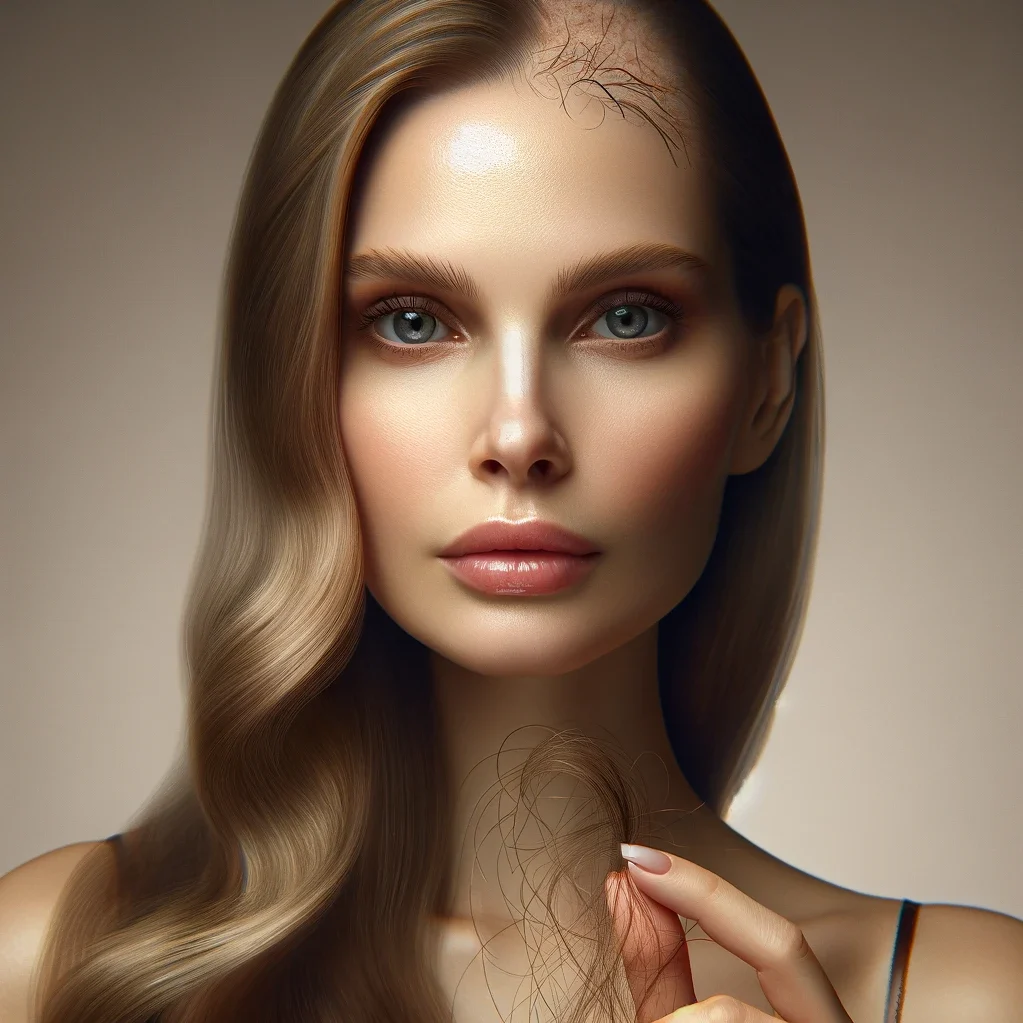
The quest for healthier, stronger hair leads many women to explore vitamin supplementation. With countless products promising miraculous hair growth results, it’s crucial to separate science from marketing claims. Hair health depends significantly on proper nutrition, and certain vitamin deficiencies can indeed contribute to hair thinning and loss.
Hair consists primarily of a protein called keratin and requires a variety of nutrients for proper growth and strength. The average human scalp contains approximately 100,000 hair follicles, each following its own growth cycle. When nutritional deficiencies occur, these cycles can be disrupted, leading to increased shedding, slower growth, or changes in hair texture and appearance.
While vitamin supplements won’t transform genetically fine hair into thick tresses overnight, addressing specific deficiencies can significantly improve hair health over time. This comprehensive guide examines the scientific evidence behind various vitamins and minerals for women’s hair growth, helping you make informed decisions about supplementation.
Essential Vitamins for Hair Growth
Vitamin D: The Sunshine Vitamin
Vitamin D plays a crucial role in hair follicle cycling and may help create new follicles. Research has established strong connections between vitamin D deficiency and hair loss, particularly in conditions like female pattern hair loss and alopecia areata.
A 2019 review published in the International Journal of Molecular Sciences noted that vitamin D receptors are present in hair follicles, and their proper functioning appears essential for normal hair cycling. Vitamin D deficiency is surprisingly common, affecting an estimated 1 billion people worldwide, with women at particular risk due to less outdoor activity, sunscreen usage, and covering clothing.
Recommended Daily Intake: 600-800 IU (15-20 mcg) daily for adult women, though many experts suggest higher amounts (1000-2000 IU) for optimal health, especially for those with limited sun exposure.
Food Sources: Fatty fish (salmon, mackerel), fortified milk, egg yolks, mushrooms exposed to UV light.
Supplementation Considerations: Vitamin D3 (cholecalciferol) is generally more effective than D2 (ergocalciferol). Fat-soluble supplements are better absorbed when taken with meals containing healthy fats.
B-Complex Vitamins
The B vitamin family plays various roles in hair health:
Biotin (B7): Perhaps the most famous hair-related vitamin, biotin supports keratin infrastructure. While biotin deficiency is rare, it can cause hair thinning when it occurs. Despite its popularity in hair supplements, research showing benefits in non-deficient individuals is limited. For more detailed information, see our article on Biotin Supplements for Female Hair Loss.
Recommended Daily Intake: 30 mcg for adult women (higher during pregnancy and lactation). Food Sources: Eggs, salmon, avocados, nuts, seeds.
B12 (Cobalamin): Essential for DNA synthesis and red blood cell formation, B12 helps deliver oxygen to hair follicles. Deficiency can lead to megaloblastic anemia, which often causes hair loss.
Recommended Daily Intake: 2.4 mcg daily for adult women. Food Sources: Animal products (meat, fish, dairy, eggs); vegans should consider supplements or fortified foods.
Folate (B9): Works closely with B12 for cell division and DNA synthesis. Folate helps red blood cells deliver oxygen to the scalp and hair follicles.
Recommended Daily Intake: 400 mcg daily for adult women; 600 mcg during pregnancy. Food Sources: Dark leafy greens, beans, citrus fruits, avocados.
Niacin (B3): Promotes blood circulation to the scalp and can help with scalp inflammation.
Recommended Daily Intake: 14 mg daily for adult women. Food Sources: Chicken, turkey, fish, peanuts, mushrooms.
Vitamin E and Antioxidant Protection
Vitamin E functions as a powerful antioxidant, protecting hair follicles from oxidative stress and damage. A small study published in Tropical Life Sciences Research found that vitamin E supplementation increased hair count in people with hair loss by 34.5% after 8 months, compared to 0.1% in the placebo group.
The antioxidant properties of vitamin E help combat free radical damage to hair follicles from environmental factors like pollution and UV radiation. It may also improve scalp circulation, enhancing nutrient delivery to follicles.
Recommended Daily Intake: 15 mg (22.5 IU) daily for adult women. Food Sources: Sunflower seeds, almonds, spinach, avocados, plant oils. Supplementation Considerations: Natural forms (d-alpha-tocopherol) are more bioavailable than synthetic forms (dl-alpha-tocopherol).
Vitamin A and Hair Cycle Regulation
Vitamin A helps skin glands produce sebum, which moisturizes the scalp and keeps hair healthy. It also plays a role in the growth cycle of hair cells.
Interestingly, while vitamin A deficiency can impair hair growth, excessive intake can actually contribute to hair loss. This highlights the importance of proper dosing and the potential risks of oversupplementation.
Recommended Daily Intake: 700 mcg RAE (Retinol Activity Equivalents) for adult women. Food Sources: Sweet potatoes, carrots, spinach, kale, eggs. Supplementation Considerations: Due to potential toxicity, high-dose vitamin A supplements should be avoided unless prescribed by a healthcare provider.
Vitamin C and Collagen Production
Vitamin C is essential for collagen production, which strengthens hair strands. As a powerful antioxidant, it also protects hair follicles from oxidative stress. Additionally, vitamin C enhances iron absorption, another critical nutrient for hair health.
Research suggests that vitamin C deficiency can lead to dry, brittle hair that breaks easily. It may also contribute to slower hair growth.
Recommended Daily Intake: 75 mg daily for adult women (85 mg during pregnancy, 120 mg while breastfeeding). Food Sources: Citrus fruits, strawberries, bell peppers, broccoli, kiwi. Supplementation Considerations: Look for buffered vitamin C supplements if you have a sensitive stomach.
Key Minerals for Healthy Hair
Iron and Oxygen Delivery to Follicles
Iron deficiency is one of the most common nutritional deficiencies worldwide and a leading cause of hair loss in women, particularly those with heavy menstrual periods, vegetarian/vegan diets, or a history of anemia.
Iron is essential for producing hemoglobin, which carries oxygen to hair follicles. Without adequate oxygen, follicles can’t function optimally, leading to increased shedding and stunted growth. Studies have found that women with iron deficiency anemia often experience improved hair growth when the deficiency is corrected.
Recommended Daily Intake: 18 mg daily for premenopausal women; 8 mg after menopause. Food Sources: Red meat, spinach, lentils, fortified cereals, pumpkin seeds. Supplementation Considerations: Iron supplements can cause digestive discomfort; gentler forms like iron bisglycinate may be better tolerated. Always confirm deficiency through blood tests before supplementing, as excess iron can be harmful.
Zinc and Protein Synthesis
Zinc plays a critical role in hair tissue growth and repair. It helps maintain the oil glands around follicles and is involved in DNA and RNA production, essential for actively dividing hair follicle cells.
Zinc deficiency has been linked to hair loss and a scaly, flaky scalp. Research suggests that zinc supplementation may benefit those with deficiency-related hair loss and some cases of alopecia areata.
Recommended Daily Intake: 8 mg daily for adult women (11 mg during pregnancy, 12 mg while breastfeeding). Food Sources: Oysters, beef, pumpkin seeds, lentils, yogurt. Supplementation Considerations: Zinc competes with copper for absorption, so long-term high-dose zinc supplementation should include copper to prevent imbalance.
Selenium and Antioxidant Functions
Selenium is a trace mineral with powerful antioxidant properties that help protect hair follicles from oxidative stress. It’s also involved in the synthesis of selenoproteins, which play a role in hair growth.
While selenium is essential, balance is crucial—both deficiency and excess can contribute to hair loss. Most women get adequate selenium through diet, and supplementation is generally only recommended when confirmed deficiency exists.
Recommended Daily Intake: 55 mcg daily for adult women. Food Sources: Brazil nuts (one nut contains approximately 90 mcg), seafood, whole grains. Supplementation Considerations: Due to the narrow range between beneficial and potentially harmful doses, selenium supplementation should be approached cautiously.
Magnesium and Metabolic Support
Magnesium supports hundreds of enzymatic reactions in the body, many of which affect hair growth indirectly through metabolism and protein synthesis. It also helps regulate calcium, which can influence hair follicle cycling.
Magnesium deficiency is relatively common, particularly in women who eat processed foods or have certain medical conditions like diabetes or digestive disorders.
Recommended Daily Intake: 310-320 mg daily for adult women. Food Sources: Dark chocolate, avocados, nuts, seeds, whole grains, leafy greens. Supplementation Considerations: Magnesium glycinate and magnesium citrate are generally well-tolerated forms; oxide forms may cause digestive discomfort.
Copper and Pigmentation
Copper plays a role in melanin production, which gives hair its color. It also supports the cross-linking of collagen and elastin, contributing to hair structure and strength.
While copper deficiency is uncommon, it can lead to hair that becomes progressively lighter in color, as well as increased brittleness and breakage.
Recommended Daily Intake: 900 mcg daily for adult women. Food Sources: Shellfish, organ meats, nuts, seeds, whole grains. Supplementation Considerations: Copper supplements should be taken with caution and typically only when deficiency is confirmed, as excess copper can be toxic.
For more information on treating stress-related hair loss, which can be exacerbated by nutritional deficiencies, see our article on Hair Loss Due to Stress in Women.
Other Nutritional Factors
Omega-3 Fatty Acids and Inflammation
Omega-3 fatty acids provide essential fats that the body cannot produce itself. These healthy fats support scalp health and may reduce inflammation that can affect hair follicles.
Research suggests omega-3s may help increase hair density and reduce hair loss, though more studies are needed. They work by:
- Supporting scalp health and hydration
- Reducing inflammation around hair follicles
- Potentially improving blood circulation to the scalp
Recommended Daily Intake: No official RDA exists, but experts typically suggest 250-500 mg combined EPA and DHA daily. Food Sources: Fatty fish (salmon, mackerel, sardines), flaxseeds, chia seeds, walnuts. Supplementation Considerations: Fish oil or algae-based supplements should be tested for purity and free from contaminants.
Protein Requirements for Hair Structure
Hair is made up of approximately 95% keratin, a fibrous structural protein. Without adequate protein intake, the body may divert available protein to more essential functions, leaving hair growth compromised.
Women need approximately 0.8 grams of protein per kilogram of body weight daily (more for pregnant, lactating, or active women). Protein deficiency can lead to brittle, dull hair and increased shedding.
Food Sources: Eggs, lean meats, fish, dairy, legumes, tofu, quinoa. Supplementation Considerations: Most women can meet protein needs through diet; however, protein supplements like whey, collagen, or plant-based options may benefit those with increased needs or dietary restrictions.
Collagen and Hair Strength
Collagen provides amino acids necessary for building hair proteins and may strengthen the dermis layer of skin that contains hair roots. While the body produces collagen naturally, production decreases with age.
Research on collagen supplementation specifically for hair health is limited, but preliminary studies suggest potential benefits for hair strength and thickness.
Food Sources: Bone broth, chicken skin, fish, egg whites (contain proline and glycine needed for collagen production). Supplementation Considerations: Hydrolyzed collagen peptides are more easily absorbed than whole collagen.
Amino Acids and Keratin Production
Specific amino acids are particularly important for hair growth:
L-Lysine: Essential for hair shape and volume; deficiency may cause hair loss. Cysteine: Contains sulfur, which gives hair strength and texture. Methionine: Another sulfur-containing amino acid vital for hair strength. Arginine: Helps improve blood circulation to hair follicles.
These amino acids are typically obtained through protein-rich foods, though targeted supplements are available for those with specific needs.
Supplement Selection and Safety
Single-Nutrient vs. Multivitamin Approaches
When considering supplements for hair health, women have two primary approaches:
Single-Nutrient Supplements: Best when addressing a specific deficiency confirmed through testing. For example, if blood work reveals low iron or vitamin D, targeted supplementation may be more effective.
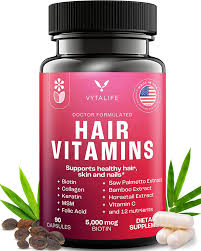
Multivitamin/Hair Supplement Formulas: These provide a spectrum of nutrients in one product. Quality formulations base their ingredient selection and dosages on scientific research rather than marketing trends.
Neither approach is inherently superior—the optimal choice depends on individual needs, deficiencies, diet, and health conditions.
Dosage Recommendations and Safety Limits
Following recommended dosages is crucial, particularly for fat-soluble vitamins (A, D, E, K) that can accumulate in body tissues. Excess supplementation can lead to toxicity or nutrient imbalances.
The concept of “more is better” does not apply to vitamins and minerals. The Tolerable Upper Intake Level (UL) indicates the maximum daily amount unlikely to cause adverse health effects and should not be exceeded.
Potential Interactions with Medications
Vitamin and mineral supplements can interact with certain medications:
- Iron supplements may reduce the absorption of thyroid medications, antibiotics, and certain antacids
- Vitamin E can increase bleeding risk when taken with blood thinners
- Biotin supplements can interfere with certain laboratory tests, including thyroid function tests
- Zinc and copper compete for absorption, and high doses of one can lead to deficiency in the other
Always inform your healthcare provider about all supplements you’re taking, especially before any blood tests or when starting new medications.
Quality Considerations and Third-Party Testing
The supplement industry is minimally regulated, making quality variation substantial between brands. Consider these factors when selecting supplements:
- Third-party testing: Organizations like USP, NSF, or ConsumerLab verify that products contain what they claim
- Form and bioavailability: Some forms of nutrients are more easily absorbed than others
- Free from unnecessary additives: Minimize artificial colors, flavors, and fillers
- Appropriate dosages: Amounts in line with scientific evidence and safety guidelines
- Transparency: Clear labeling and willingness to share sourcing information
For women with hair thinning who want more immediate results while supplements work over time, see our article on How to Thicken Thinning Hair in Women for styling tips and products that create fuller-looking hair.
Dietary Sources vs. Supplements
Food-First Approach
Nutritional experts generally recommend obtaining vitamins and minerals from food whenever possible. Whole foods provide:
- Nutrients in natural proportions and forms the body recognizes
- Accompanying components like fiber and phytochemicals that enhance absorption
- Synergistic combinations that work together more effectively than isolated nutrients
- Lower risk of excess intake compared to concentrated supplements
For most women with generally healthy diets, focusing on nutrient-dense foods should be the foundation of hair health optimization.
Getting Nutrients from Whole Foods
These nutrient-dense foods support hair health:
For Vitamin A: Sweet potatoes, carrots, spinach, kale, red bell peppers For B Vitamins: Whole grains, eggs, leafy greens, lean meats, legumes For Vitamin C: Citrus fruits, strawberries, kiwi, bell peppers, broccoli For Vitamin D: Fatty fish, egg yolks, mushrooms (UV-exposed), fortified foods For Vitamin E: Sunflower seeds, almonds, spinach, avocados For Iron: Red meat, spinach, lentils, fortified cereals, dark chocolate For Zinc: Oysters, beef, pumpkin seeds, lentils, chickpeas For Omega-3s: Salmon, mackerel, walnuts, flaxseeds, chia seeds
Supplementation as a Targeted Strategy
Supplementation is most appropriate in these circumstances:
- Confirmed nutrient deficiencies through blood testing
- Dietary restrictions (e.g., vegan/vegetarian diets may require B12 supplementation)
- Life stages with increased demands (pregnancy, postpartum, menopause)
- Certain medical conditions that affect nutrient absorption
- Medications that deplete specific nutrients
For women experiencing postpartum hair loss, targeted supplementation may be particularly beneficial. See our article on Postpartum Hair Loss Solutions for Women for specific recommendations.
Combining Diet and Supplements Effectively
For optimal results:
- Start with diet optimization: Focus on including a variety of nutrient-dense foods
- Identify potential gaps: Consider life stage, dietary patterns, and symptoms
- Test before supplementing: When possible, confirm deficiencies through appropriate testing
- Choose quality supplements: Select evidence-based formulations from reputable companies
- Track results: Monitor changes in hair health, energy levels, and overall wellbeing
- Reassess periodically: Nutritional needs change with age, health status, and lifestyle
Evidence-Based Supplement Brands
Clinically Tested Hair Supplements
Several hair supplement formulations have undergone clinical testing with published results:
Nutrafol: Contains a blend of botanicals, vitamins, and minerals. A 2018 study published in the Journal of Drugs in Dermatology found that after six months, women taking Nutrafol showed significant improvements in hair growth, density, and quality.
Viviscal: Contains marine protein complex, biotin, zinc, and vitamin C. A 2015 study in the Journal of Clinical and Aesthetic Dermatology demonstrated improved hair volume, thickness, and scalp coverage in women with thinning hair after 90 days.
Nourkrin: Contains marine protein and specific vitamins. Studies have shown improved hair density and reduced shedding in women with hair thinning.
Hairfinity: Contains biotin, MSM, and amino acids. Some studies suggest improvements in hair growth rate and strength, though research is more limited.
Healthcare Professional Recommendations
Dermatologists and trichologists often recommend specific vitamin and mineral supplements based on a patient’s particular hair concerns and test results. Common recommendations include:
- Iron + Vitamin C: For women with low ferritin levels (iron storage)
- Vitamin D: For confirmed vitamin D deficiency
- B-Complex vitamins: For overall hair support, particularly in stress-related hair loss
- Zinc and selenium: In appropriate doses for those with confirmed deficiencies
When seeking professional advice, specialized dermatologists or trichologists (hair specialists) typically provide the most current, evidence-based recommendations.
Cost-Benefit Considerations
Hair supplements vary widely in price, from basic multivitamins to premium formulations costing over $100 monthly. Consider these factors when evaluating cost versus benefit:
- Ingredient quality and bioavailability: Higher-priced supplements often use more absorbable forms
- Research support: Clinically tested formulations may justify higher costs through proven results
- Comprehensive formulas vs. individual supplements: Sometimes purchasing individual, targeted supplements may be more cost-effective than all-in-one formulas
- Maintenance vs. treatment: Initial treatment may require more intensive supplementation, with less expensive maintenance options later
Expected Timelines for Results
Hair grows approximately ½ inch per month, and the full growth cycle takes years to complete. This biological reality affects supplement results:
- 1-3 months: Typically needed to notice reduced shedding
- 3-6 months: Initial improvements in hair texture and strength may become visible
- 6-12 months: More significant improvements in hair density and growth
- Consistency is key: Hair supplements require regular, ongoing use to maintain results
Results vary considerably based on individual factors including age, overall health, severity and cause of hair issues, and consistency with supplementation.
Conclusion
Vitamins and minerals play essential roles in maintaining healthy hair growth and preventing excessive shedding. While no supplement can completely transform your hair’s genetic characteristics, addressing nutritional deficiencies can significantly improve hair health, particularly for women experiencing thinning or excessive shedding.
The most effective approach to hair nutrition typically includes:
- Focusing on a balanced, nutrient-dense diet rich in proteins, healthy fats, and colorful fruits and vegetables
- Identifying and addressing specific deficiencies through targeted supplementation
- Choosing quality, evidence-based supplements when needed
- Maintaining consistent use while allowing adequate time for results
- Combining nutritional approaches with proper hair care and stress management
For women experiencing hair loss related to stress, see our detailed guide on Hair Loss Due to Stress in Women. If you’re interested in biotin specifically, which remains one of the most popular vitamins for hair growth despite mixed evidence, explore our comprehensive article on Biotin Supplements for Female Hair Loss.
Remember that hair health reflects overall health, and approaches that benefit your entire body—balanced nutrition, adequate sleep, stress management, and proper hydration—will naturally support beautiful, healthy hair as well.