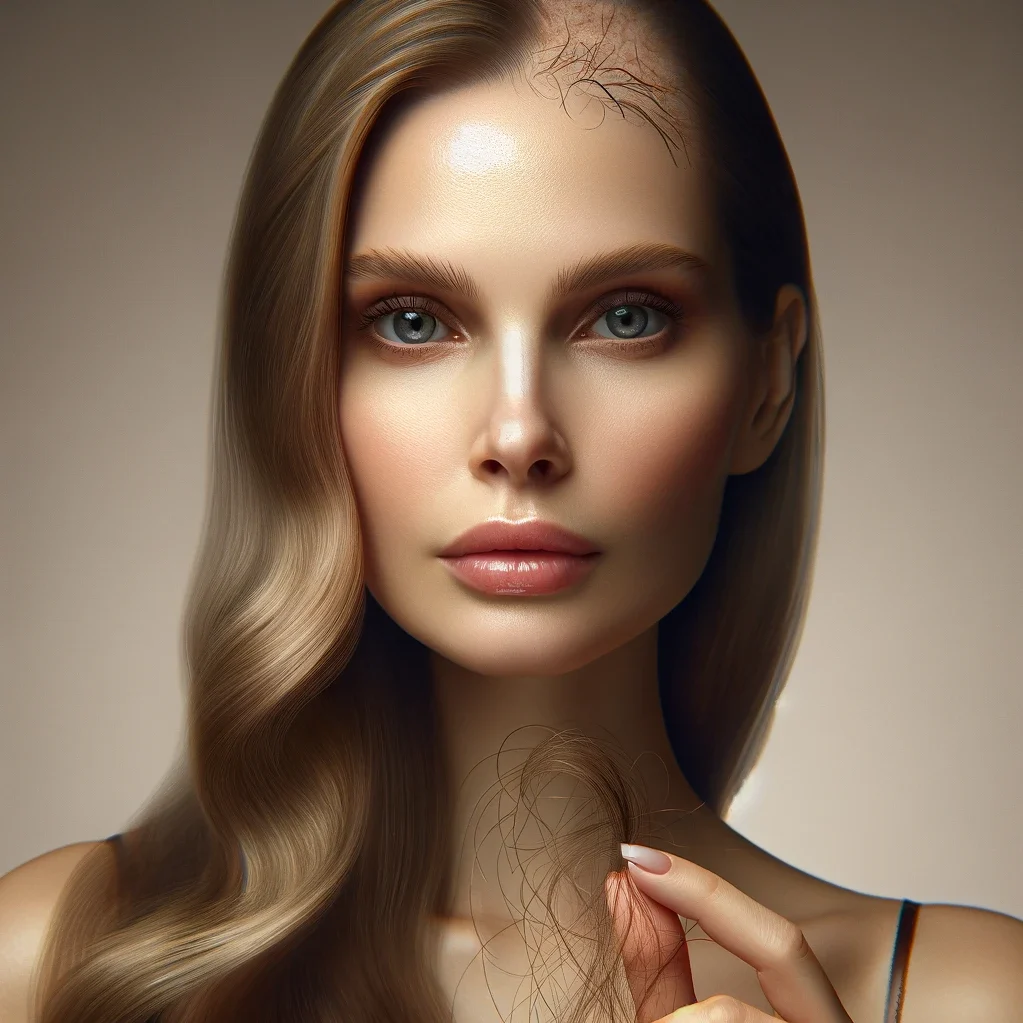

Hair loss can have a severe psychological impact on individuals, causing anxiety, distress, and a loss of confidence. It is important to recognize that these feelings are normal and valid. There are various strategies and treatments available to help individuals overcome hair loss anxiety and regain their self-confidence. In this article, we will explore eight effective ways to ease the stress and manage hair loss anxiety, providing tips and supportive guidance for individuals going through this experience.
Key Takeaways:
- Seek professional guidance from a dermatologist or healthcare professional for proper diagnosis and treatment options.
- Explore hair loss treatment options tailored to your specific needs and address any underlying causes.
- Manage stress through mindfulness exercises, regular exercise, a healthy diet, and adequate sleep.
- Find support from online resources, support groups, and podcasts dedicated to hair loss.
- Consider alternative solutions such as wigs or hairstyles that enhance confidence and self-esteem.
Understanding the Emotional Impact of Hair Loss
Hair loss can have a profound emotional impact on individuals, leading to a range of psychological effects and causing heightened anxiety. The loss of hair is closely tied to our identity and self-esteem, making it natural to experience complex emotions such as shame, anger, fear, and even depression.
“Hair loss can trigger a range of emotions, from shame and anger to fear and even depression.”
It is essential to acknowledge and validate these emotions, understanding that they are a normal response to the situation. Contrary to popular belief, being distressed about hair loss is not a sign of vanity but rather indicative of the significance of hair in our lives.
“Many individuals may experience a loss of confidence and withdraw from social activities or hobbies they once enjoyed.”
The emotional impact of hair loss often leads to a loss of confidence, causing individuals to withdraw from social activities and hobbies they once enjoyed. This withdrawal is a protective mechanism aimed at minimizing the possibility of judgment or embarrassment. However, it is crucial to seek support and treatment to regain a sense of control and confidence.
“It is crucial to seek support and treatment to regain a sense of control and confidence.”
By addressing the emotional aspects of hair loss, individuals can effectively cope with the anxiety it brings. Seeking support from loved ones, friends, or support groups can provide a safe space to express emotions and share experiences. Additionally, therapeutic interventions, such as counseling or therapy, can help individuals process their emotions and develop healthy coping mechanisms.
“The emotional impact of hair loss can be addressed through seeking support, therapy, and developing healthy coping mechanisms.”
| Emotional Impact of Hair Loss | Coping Strategies |
|---|---|
| Feelings of shame, anger, fear, and depression | Seek support from loved ones, friends, or support groups |
| Loss of confidence and withdrawal from social activities | Consider counseling or therapy to process emotions |
| Validation of emotions and understanding their normality | Develop healthy coping mechanisms and self-care practices |
“By addressing the emotional aspects of hair loss, individuals can effectively cope with the anxiety it brings.”
Understanding and managing the emotional impact of hair loss is a crucial step towards regaining control and confidence. It is important to remind oneself that the worth and beauty of an individual extend far beyond their hair. By seeking support, therapy, and engaging in self-care practices, individuals can navigate the challenges and embrace their unique journey.
Seeking Professional Guidance
When experiencing hair loss anxiety, consulting a doctor, especially a dermatologist, is crucial. Seeking medical advice ensures you receive proper guidance and support throughout your hair loss journey. A healthcare professional can provide accurate information about the underlying causes of hair loss and recommend appropriate treatments tailored to your specific needs.
Consulting a dermatologist is particularly important because they specialize in skin, hair, and scalp conditions. They possess the expertise and experience to diagnose the cause of your hair loss accurately. By understanding the root cause, they can suggest the most effective treatment options.
More than just medical advice, dermatologists can also address the emotional impact of hair loss. They understand the anxiety and distress associated with losing hair and can provide the necessary support and understanding.
By consulting a doctor, you can feel empowered and regain control over your hair loss anxiety. Remember, seeking professional guidance is an essential step toward finding effective solutions and restoring your self-confidence.

| Benefits of Consulting a Doctor for Hair Loss |
|---|
| Accurate diagnosis of the underlying cause |
| Expertise in hair loss treatment options |
| Individualized advice and guidance |
| Addressing emotional impact and providing support |
Exploring Treatment Options
When it comes to addressing hair loss, there are several treatment options available that can help individuals regain their confidence and promote hair regrowth. The choice of treatment depends on the underlying cause of the hair loss, which can be accurately diagnosed by a healthcare professional. Here, we will explore some of the commonly recommended hair loss treatment options.
Medical Treatments for Hair Loss
Medical treatments are often prescribed to address the underlying causes of hair loss. One commonly used medication is minoxidil, a topical solution that is applied directly to the scalp. Minoxidil works by increasing blood flow to the hair follicles and stimulating hair growth. This medication is available over-the-counter and can be an effective option for both men and women.
Another medical treatment option is finasteride, which is primarily used to treat hair loss in men. Finasteride works by blocking the conversion of testosterone into dihydrotestosterone (DHT), a hormone that contributes to hair loss. It is important to note that finasteride is only available by prescription and should be used under the guidance of a healthcare professional.
Topical Medications for Hair Loss
In addition to minoxidil, there are other topical medications available to address hair loss. These medications often contain ingredients such as corticosteroids or immunosuppressants, which help reduce inflammation and promote hair regrowth. It is important to consult with a healthcare professional to determine the most suitable topical medication based on individual needs and the underlying cause of hair loss.
Addressing Underlying Causes of Hair Loss
In some cases, addressing the underlying causes of hair loss can help slow down or stop the progression of hair loss. This may involve treating scalp conditions such as dandruff or psoriasis, addressing hormone imbalances, or managing stress levels. By identifying and addressing the root cause of hair loss, individuals can often see significant improvements in hair growth and overall hair health.
It is crucial to discuss treatment options with a healthcare professional who specializes in hair loss to determine the most appropriate approach based on individual needs and the underlying cause of hair loss. They can provide personalized recommendations and guidance to help individuals regain their confidence and achieve their desired hair regrowth goals.

Managing Stress and Its Impact on Hair Loss
Stress is a common factor that can contribute to hair loss and intensify the challenges of managing hair loss anxiety. It is crucial to actively address and minimize stress levels to mitigate its impact on hair loss. By implementing effective stress reduction techniques, individuals can minimize the adverse effects of stress and promote healthy hair growth.
There is a well-established relationship between stress and hair loss. When the body is under stress, it releases hormones that can interrupt the normal hair growth cycle. This disruption can lead to increased hair shedding and slower hair regrowth. Additionally, stress can trigger conditions such as telogen effluvium, a temporary hair loss condition characterized by excessive shedding.
To reduce stress and alleviate hair loss anxiety, incorporating stress reduction techniques into daily life is essential. Here are some strategies that can help:
- Practicing mindfulness exercises: Engaging in activities such as meditation, deep breathing exercises, and yoga can promote relaxation and reduce stress levels.
- Engaging in regular exercise: Physical activity releases endorphins, the body’s natural mood boosters, which can help manage stress and improve overall well-being.
- Maintaining a healthy diet: Consuming a balanced diet rich in vitamins, minerals, and antioxidants can support hair health and alleviate stress.
- Getting enough sleep: Prioritizing quality sleep can greatly reduce stress levels and promote a healthy mind and body.
- Seeking support from a therapist: Talking to a trained therapist or counselor can provide valuable guidance and support in managing stress and hair loss anxiety.
By implementing these stress reduction techniques, individuals can better cope with the emotional challenges of hair loss and foster a positive mindset.
“Stress is like spice – in the right proportion, it enhances the flavor of a dish. Too much or too little, and the dish is ruined.” – Shahrukh Khan
To further illustrate the relationship between stress and hair loss, below is a table summarizing the main stress-related factors that can contribute to hair loss:
| Stress Factor | Impact on Hair Loss |
|---|---|
| Chronic stress | Can disrupt the hair growth cycle and lead to increased hair shedding. |
| Traumatic events | Can trigger conditions such as telogen effluvium, resulting in temporary hair loss. |
| Poor coping mechanisms | Engaging in unhealthy coping strategies, such as excessive hair pulling (trichotillomania), can contribute to hair loss. |
Understanding the impact of stress on hair loss is vital in effectively managing hair loss anxiety and promoting overall well-being.
Finding Support and Resources
Hair loss can be a common and challenging experience. In times like these, finding support groups and online resources can make a world of difference. Connecting with others who are going through a similar journey can provide immense comfort and strength.
A great place to start is the National Alopecia Areata Foundation, which offers support groups and valuable information for individuals experiencing hair loss. These support groups provide a safe space to share experiences, ask questions, and receive emotional support. It’s a community that understands the unique challenges of hair loss and offers guidance every step of the way.
Another helpful resource is podcasts dedicated to hair loss support. These podcasts provide valuable insights, advice, and personal stories from experts and fellow individuals dealing with hair loss anxiety. Listening to these podcasts can foster a sense of connection and understanding, reminding you that you’re not alone in your journey.
Remember, finding support is crucial in managing hair loss anxiety. Whether through support groups or online resources, it’s important to connect with others who can offer advice, encouragement, and remind you that you are not alone in this journey.
Exploring Alternative Solutions
For individuals who are unable to regrow their hair or are looking for additional support during the treatment process, there are alternative solutions available. These alternatives can provide a sense of confidence and normalcy while waiting for the hair to grow back, or even help camouflage hair loss and enhance self-esteem. Here are some options to consider:
Wigs for Hair Loss
Wearing a wig is a popular choice for individuals experiencing hair loss. Not only do wigs provide a natural-looking solution, but they also offer versatility in terms of style and color. Whether you prefer synthetic or human hair wigs, consulting a healthcare professional or stylist can help you find the perfect wig that fits your personality and meets your specific needs. Wigs can be a great way to regain your self-confidence and feel comfortable in your own skin.
Hairstyle Options for Hair Loss
Choosing the right hairstyle can make a significant difference in camouflaging hair loss. Opting for shorter hairstyles or incorporating layers can create the illusion of fuller hair. Additionally, using volumizers or certain styling techniques can add body and volume, making the hair appear thicker. A professional hairstylist can provide valuable advice and guide you in selecting the most suitable hairstyle that suits your face shape and conceals any areas of concern.
Alternative Treatments for Hair Loss
In addition to wigs and hairstyles, there are alternative treatments available for addressing hair loss. Some individuals may explore options such as scalp micropigmentation, which involves tattooing the scalp to create the appearance of denser hair. Others may consider hair transplant procedures, which involve moving healthy hair follicles from one area to another. It is essential to consult with a healthcare professional or specialist to determine the most appropriate alternative treatment based on individual circumstances.
By considering these alternative solutions and consulting with professionals, individuals experiencing hair loss can find ways to manage their condition effectively and enhance their self-confidence throughout the journey.
Conclusion
Managing hair loss anxiety can be a challenging journey, but with the right support and treatment, it is possible to overcome these fears and regain confidence. Throughout this article, we have explored various strategies to help individuals navigate the emotional impact of hair loss and find effective solutions.
Seeking professional guidance is essential when dealing with hair loss anxiety. Consulting a dermatologist or doctor can provide accurate information about the underlying causes of hair loss and recommend appropriate treatments. Their support can empower individuals to take control of their hair loss journey.
In addition, it is crucial to manage stress levels, as stress can exacerbate hair loss and undermine efforts to regain confidence. Engaging in stress reduction techniques such as mindfulness exercises, regular exercise, and maintaining a healthy lifestyle can help minimize the impact of stress on hair loss.
Connecting with supportive communities and utilizing online resources can make a significant difference for individuals experiencing hair loss anxiety. Finding support groups, such as those provided by the National Alopecia Areata Foundation, can offer valuable guidance and a sense of connection. Podcasts dedicated to hair loss can also provide additional support and encouragement.
Lastly, exploring alternative solutions like wearing wigs or considering different hairstyles can help individuals feel more confident while waiting for hair regrowth. It is essential to consult with professionals to find the most suitable options for individual needs.
Remember, hair loss does not define one’s worth or beauty. With time, self-care, and the support of a caring community, individuals can learn to embrace their unique journey and find new ways to express their identity.
FAQ
How does hair loss affect a person emotionally?
Hair loss can trigger a range of emotions, including shame, anger, fear, and even depression. It is important to acknowledge and validate these emotions, as hair is closely tied to our identity and self-esteem.
Why is it important to seek professional guidance for hair loss anxiety?
Consulting a doctor, preferably a dermatologist, is important to receive proper guidance and support when experiencing hair loss anxiety. A healthcare professional can provide accurate information about the causes of hair loss and recommend appropriate treatments. They can also address the emotional impact of hair loss and offer support and understanding.
What are the available treatment options for hair loss?
Treatment options for hair loss depend on the underlying cause. A doctor can diagnose the cause of hair loss and recommend suitable treatments. Options may include topical medications, such as minoxidil, or addressing underlying issues like inflammation or infections.
How does stress impact hair loss and hair loss anxiety?
Stress can exacerbate hair loss and make it more difficult to manage hair loss anxiety. Managing stress levels through mindfulness exercises, exercise, healthy diet, sleep, and therapy can help reduce stress and promote overall well-being.
Are there support groups and resources available for individuals with hair loss anxiety?
Yes, there are support groups and online resources available for individuals experiencing hair loss anxiety. The National Alopecia Areata Foundation offers support groups and valuable information. Podcasts dedicated to hair loss can also provide guidance and a sense of connection.
What are some alternative solutions for individuals with hair loss?
Alternative solutions for hair loss include wearing wigs to provide a sense of confidence and normalcy. Hairstyling techniques, such as choosing shorter hairstyles or using volumizers, can also help camouflage hair loss and enhance self-esteem.