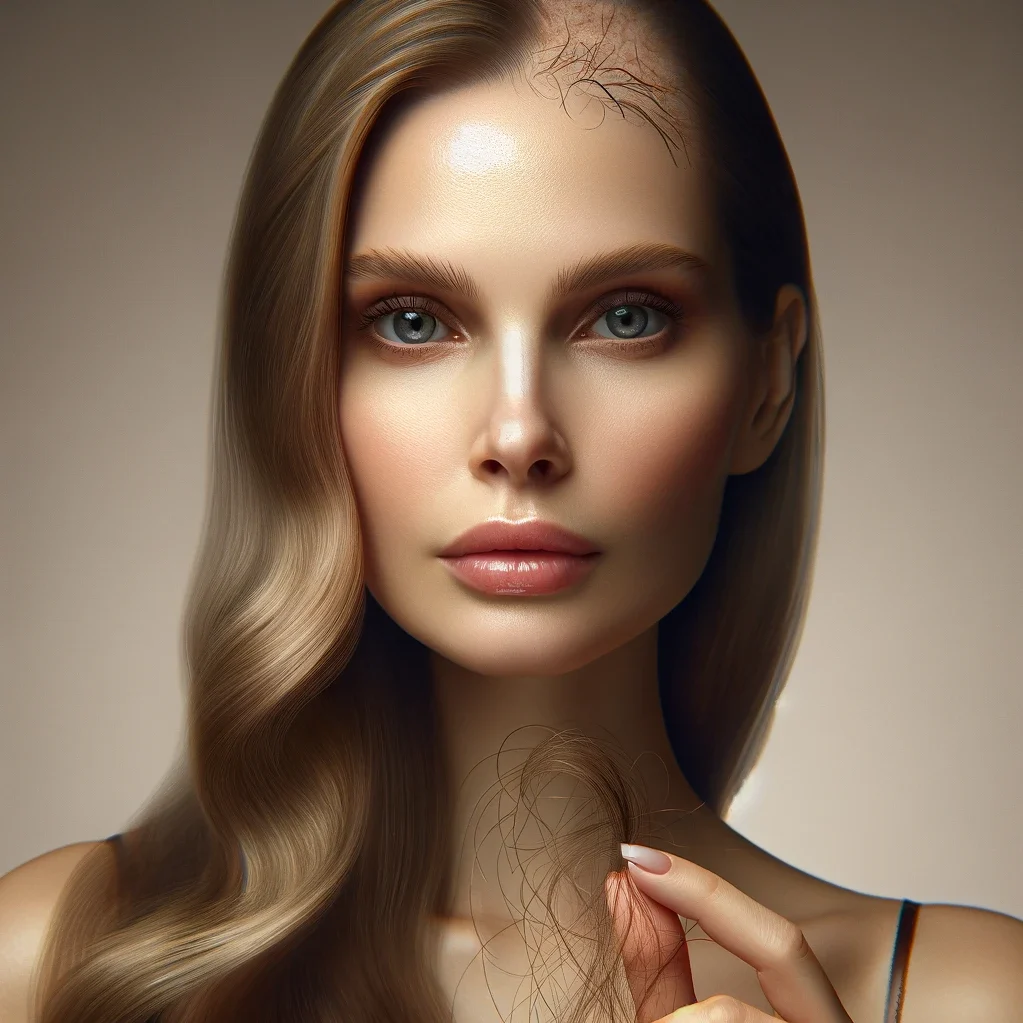
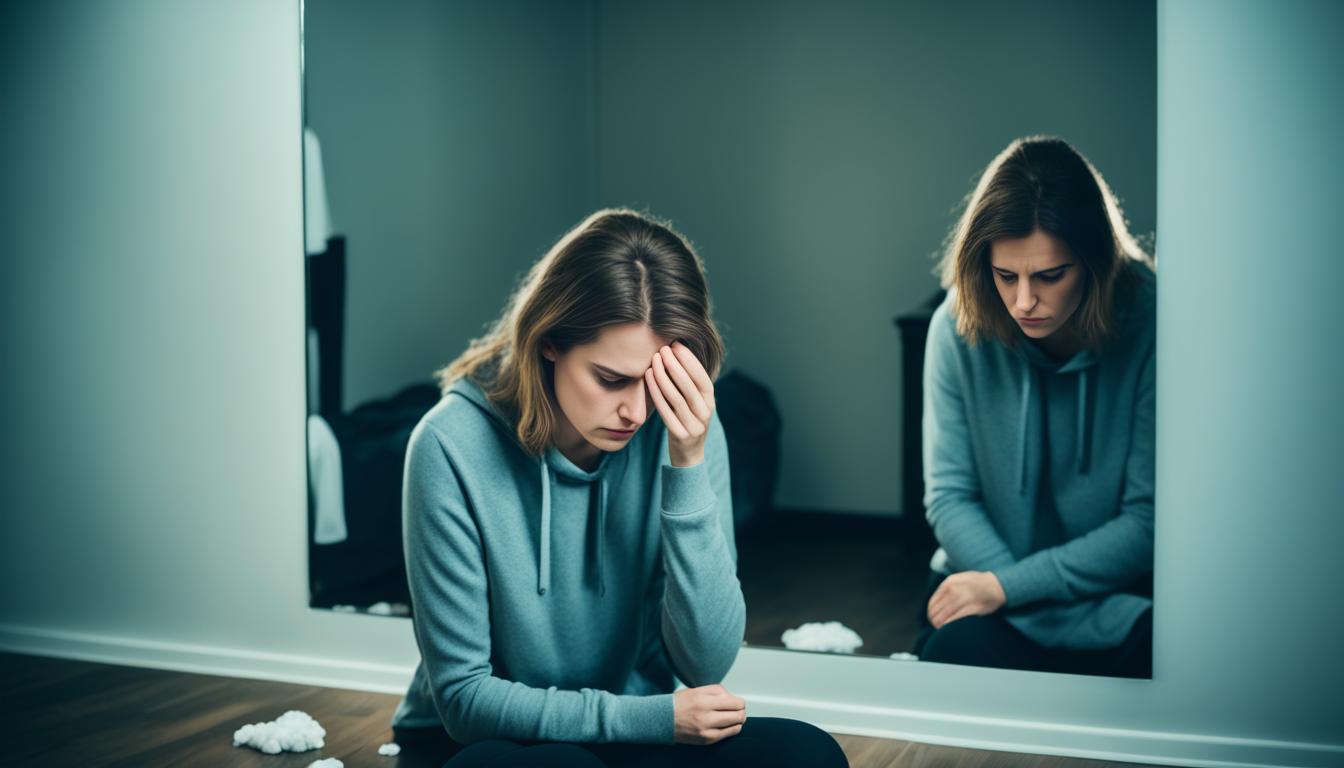
Hair loss and depression are two interconnected issues that can have a significant impact on a person’s mental health and self-esteem. Numerous studies have explored the complex relationship between these two conditions, shedding light on the potential causes, psychological effects, and possible treatment options. The findings from these studies provide valuable insights into the dynamics of hair loss and depression, helping individuals better understand and address these challenges.
Key Takeaways:
- Severe hair loss can lead to negative feelings such as depression, low self-esteem, and insecurity.
- Hair loss can affect various aspects of daily life, including work performance, relationships, and overall well-being.
- Perception of aging is a primary concern for individuals experiencing hair loss, leading to feelings of insecurity and anxiety.
- Hair loss can impact relationships, affecting self-esteem and sexual confidence.
- There is a link between hair loss and mental health disorders such as depression and anxiety.
The Psychological Impact of Hair Loss
Severe hair loss can have a profound psychological impact on individuals, leading to negative feelings such as depression, low self-esteem, and insecurity. Research has shown that individuals with significant hair loss are more likely to experience these psychological side effects compared to those with no or mild hair loss. The effects of hair loss can extend beyond appearance, affecting various aspects of daily life, including work performance, relationships, and overall well-being. Understanding these psychological effects is crucial in addressing the emotional challenges associated with hair loss.
“Hair loss has affected every aspect of my life. It made me feel less attractive, which caused a decline in my self-esteem and confidence in social situations. It even impacted my performance at work, as I felt like I was being judged based on my appearance rather than my abilities. It was a constant battle to regain my sense of self-worth.”
The psychological impact of hair loss is not limited to individuals’ self-perception. It can also affect their relationships and overall mental health. The negative emotions associated with hair loss can strain intimate relationships, making individuals feel less desirable and potentially leading to decreased intimacy and emotional connection. In some cases, hair loss can even contribute to the development or exacerbation of mental health disorders such as depression and anxiety.
Addressing the psychological impact of hair loss requires a holistic approach that involves both self-care practices and professional help. Building self-esteem and confidence is essential, and individuals can explore various strategies, such as therapy, support groups, and self-care routines, to cope with the emotional challenges. Additionally, maintaining open communication with loved ones and seeking their support can provide a valuable source of strength and encouragement.
The Effects of Hair Loss on Mental Health
When individuals experience significant hair loss, it can trigger a range of psychological symptoms and affect their mental well-being. Some of the common effects of hair loss on mental health include:
- Depression: Hair loss can contribute to the development or worsening of depressive symptoms, characterized by persistent sadness, loss of interest, and a negative outlook on life.
- Anxiety: Individuals may experience increased levels of anxiety, leading to excessive worrying, restlessness, and difficulty concentrating.
- Low self-esteem: Hair loss can significantly impact individuals’ self-image, leading to a decrease in self-esteem and self-confidence. They may feel unattractive and struggle with accepting their changed appearance.
- Isolation and social withdrawal: The emotional distress caused by hair loss can make individuals withdraw from social activities and isolate themselves from friends and loved ones.
Table: Psychological Effects of Hair Loss
| Psychological Effects | Description |
|---|---|
| Depression | Feelings of sadness and loss of interest in activities |
| Anxiety | Excessive worry, restlessness, and difficulty concentrating |
| Low self-esteem | Decreased self-image and confidence |
| Isolation and social withdrawal | Avoidance of social activities and relationships |
The Relationship between Hair Loss and Aging
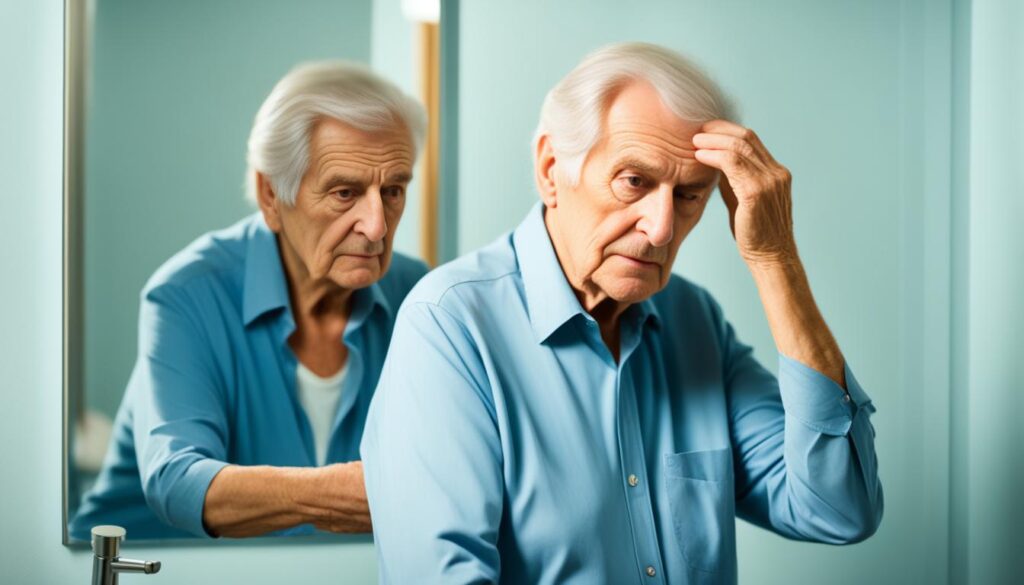
One of the primary concerns for individuals experiencing hair loss is the perception of aging. Hair loss, particularly male pattern baldness, is often associated with the signs of aging, making individuals feel older and less desirable. This perception can significantly impact self-confidence and contribute to feelings of insecurity and anxiety. Understanding the connection between hair loss and aging is essential in addressing the psychological issues related to hair loss.
The Impact of Hair Loss on Self-Esteem
As hair begins to thin or recede, many individuals may associate these changes with the natural aging process. The visible signs of hair loss, such as a receding hairline or a widening part, can lead to a decrease in self-esteem and a negative perception of one’s appearance. This can be particularly challenging for those who place a high value on their physical appearance or who have built their self-confidence around their hair. The emotional impact of hair loss on self-esteem can be devastating, leading to feelings of inadequacy and a diminished sense of self-worth.
“Hair loss can be a blow to a person’s self-esteem and confidence, particularly in societies where a full head of hair is often associated with youth, vitality, and attractiveness. It’s important to recognize the psychological impact of hair loss and provide support and guidance to individuals navigating this challenge.”
Societal Expectations and Aging
Societal expectations and stereotypes often associate a full head of hair with youthfulness, attractiveness, and vitality. The media, beauty standards, and cultural norms perpetuate the idea that a thick, luscious head of hair is synonymous with being young and vibrant. Consequently, individuals experiencing hair loss may internalize these expectations and feel the pressure to maintain a certain appearance as they age. The perceived link between hair loss and aging can create a sense of shame and embarrassment, further exacerbating the emotional impact.
Addressing Psychological Challenges
To address the psychological challenges related to hair loss and aging, it is crucial to promote self-acceptance and challenge societal beauty standards. Encouraging individuals to redefine their self-worth beyond their physical appearance can help alleviate the negative emotions associated with hair loss. Additionally, providing education and resources about hair loss causes, prevention, and treatment options can empower individuals to take control of their situation and explore hair growth solutions that align with their personal goals and values.
| Psychological Impact of Hair Loss and Aging | Strategies for Addressing Emotional Challenges |
|---|---|
| Diminished self-esteem and negative body image | Encourage self-acceptance and focus on inner qualities and achievements |
| Feelings of insecurity and anxiety | Promote a supportive environment and provide access to counseling or support groups |
| Shame and embarrassment due to societal expectations | Challenge beauty standards and emphasize the diversity of beauty |
By addressing the emotional challenges associated with hair loss and aging, individuals can cultivate a positive self-image and improve their overall well-being. Remember, seeking professional help and support is crucial in managing both hair loss and the psychological impact it may have on individuals.
The Impact of Hair Loss on Relationships
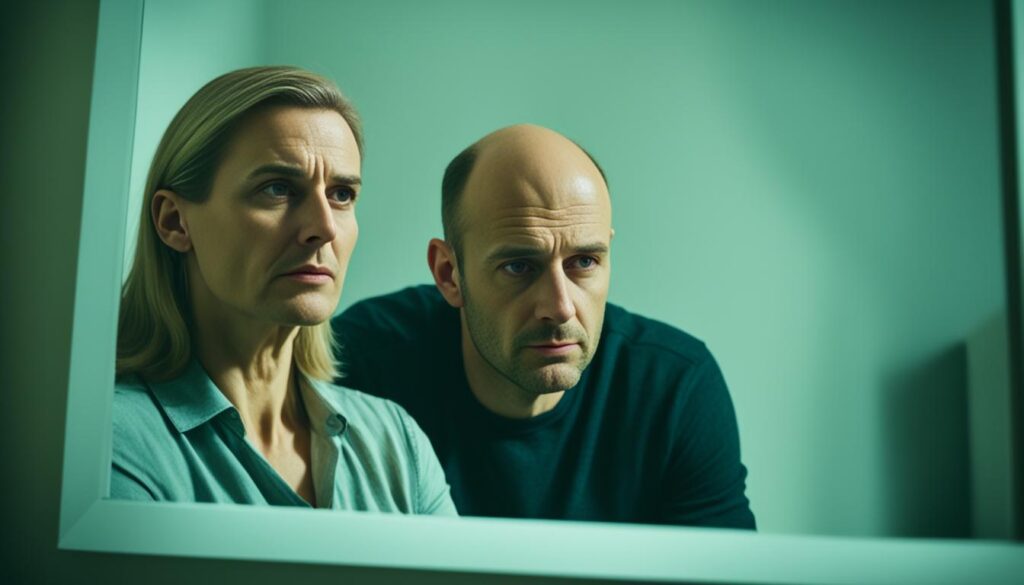
Hair loss can have a significant impact on individuals’ relationships, both romantically and socially. It is not uncommon for men with hair loss to feel less attractive and worry about how their partners or potential partners perceive them.
These concerns can lead to a decrease in self-esteem and sexual confidence, potentially affecting the overall quality of relationships.
When hair loss becomes a source of insecurity or anxiety, it can create emotional distance and strain between partners. The individual experiencing hair loss may withdraw or avoid intimacy due to a fear of rejection or judgment.
“Hair loss can create tension in a relationship, especially if the individual does not openly communicate their thoughts and insecurities with their partner,” says Dr. Sarah Johnson, a licensed therapist specializing in relationship dynamics.
“Open and honest communication is essential in navigating the emotional challenges that hair loss can bring to a relationship. It allows both partners to provide support, reassurance, and understanding,” Dr. Johnson adds.
Socially, hair loss can also impact individuals’ confidence and sense of belonging. They may feel self-conscious in social settings or avoid activities that draw attention to their appearance.
“Hair loss can affect an individual’s self-esteem and hinder their ability to fully engage and connect with others,” explains Dr. Mark Thompson, a clinical psychologist.
It is crucial to address the impact of hair loss on relationships. Partners can offer emotional support, understanding, and encouragement to navigate the challenges together. Seeking professional help, such as couples therapy or counseling, can also provide valuable tools and strategies to strengthen the relationship and manage the emotional effects of hair loss.
“By openly addressing the impact of hair loss on the relationship, couples can work through the associated emotions and support each other in rebuilding confidence and intimacy,” Dr. Johnson suggests.
Tips for Supporting a Partner with Hair Loss
| Tip | Description |
|---|---|
| Open Communication | Encourage open and honest conversations about feelings, fears, and insecurities related to hair loss. |
| Provide Emotional Support | Offer reassurance, understanding, and empathy to your partner during their hair loss journey. |
| Seek Professional Help | Consider couples therapy or counseling to navigate the emotional challenges and strengthen the relationship. |
| Focus on Inner Qualities | Remind your partner of their unique attributes, talents, and qualities beyond physical appearance. |
| Show Affection | Express love and acceptance through physical touch, compliments, and gestures of affection. |
Supporting a partner with hair loss involves empathy, understanding, and patience. By fostering a safe and supportive environment, individuals and couples can address the emotional impact of hair loss together and strengthen their bond.
Hair Loss and Mental Health Disorders
Numerous studies have revealed a close association between hair loss and mental health disorders such as depression and anxiety. Individuals who experience significant hair loss, particularly those with conditions like alopecia areata and androgenetic alopecia, are at a higher risk of developing these mental health issues. The impact of hair loss on self-confidence, body image, and social interactions can contribute to the onset or worsening of symptoms related to depression and anxiety.
Research indicates that hair loss can affect an individual’s self-esteem, leading to feelings of embarrassment, shame, and inadequacy. The changes in appearance resulting from hair loss can significantly impact a person’s body image and overall sense of self-worth. As a result, individuals may become more self-conscious and withdraw from social interactions, leading to feelings of isolation and further exacerbating their mental health symptoms.
Furthermore, the psychological distress caused by hair loss can create a vicious cycle, as heightened levels of stress and anxiety can further contribute to hair loss. Chronic stress, often triggered by the emotional impact of hair loss, can disrupt the natural hair growth cycle, leading to increased hair shedding and further exacerbating the problem.
Recognizing the strong link between hair loss and mental health disorders is essential in providing comprehensive care for individuals dealing with these challenges. Effective treatment and support should address both the physical and emotional aspects of hair loss, taking into account the potential impact on a person’s self-esteem, body image, and social well-being.
Depression Symptoms and Hair Loss
Hair loss can be particularly distressing for individuals already struggling with depression. Common symptoms of depression include persistent feelings of sadness, loss of interest or pleasure in activities, changes in appetite or weight, sleep disturbances, and low energy levels. Hair loss can compound these symptoms, further reducing an individual’s self-esteem and worsening their overall sense of well-being.
Treatment Approaches
When addressing hair loss in individuals with mental health disorders, a multidisciplinary approach is essential. Collaborating with healthcare professionals such as dermatologists, psychologists, and psychiatrists can provide comprehensive care tailored to meet the patient’s physical and emotional needs.
Some treatment options for hair loss include:
- Medications: Prescription medications like minoxidil and finasteride can help slow down hair loss and promote hair growth.
- Hair Transplant Surgery: For individuals with severe hair loss, hair transplant surgery can be an effective solution in restoring hair follicles and improving overall appearance.
- Psychological Interventions: Therapy and counseling can help individuals cope with the emotional impact of hair loss and build healthy coping mechanisms to manage their mental health symptoms.
For individuals struggling with depression or anxiety, treatment options may include:
- Therapy: Different forms of therapy, such as cognitive-behavioral therapy (CBT) or interpersonal therapy (IPT), can help individuals identify and address the underlying causes of depression and develop strategies to manage their mental health.
- Medications: Antidepressant medications may be prescribed, depending on the severity of the symptoms and an individual’s specific needs.
- Lifestyle Changes: Adopting a healthy lifestyle that includes regular exercise, a balanced diet, adequate sleep, and stress management techniques can have a positive impact on mental health.
It is important for individuals experiencing hair loss and mental health disorders to consult with healthcare professionals who can provide personalized guidance and treatment options based on their unique circumstances. By addressing both the physical and emotional aspects of hair loss and mental health, individuals can work towards improving their overall well-being and regaining their self-esteem.
Based on a study conducted by John Adams et al., researchers found a significant correlation between hair loss and depression symptoms. In the study, participants with hair loss reported higher levels of depressive symptoms compared to participants without hair loss.
Treatment Options for Hair Loss and Depression
When it comes to addressing hair loss and depression, there are numerous treatment options available that can improve overall well-being. By exploring these options and seeking professional guidance, individuals can find effective solutions to mitigate the impact of these challenges on their mental health.
Treatment Options for Hair Loss
For individuals struggling with hair loss, there are various treatment approaches to consider:
- Medications: Minoxidil and finasteride are commonly prescribed medications that can promote hair growth and slow down hair loss. These medications work by stimulating hair follicles and preventing further hair thinning.
- Hair Transplant Surgery: Hair transplant surgery is a surgical procedure that involves removing hair follicles from one area of the body (usually the back or sides of the scalp) and transplanting them to areas with thinning or no hair. This procedure can restore hair growth and improve the overall appearance of the scalp.
- Psychological Interventions: Engaging in therapy or joining support groups can provide valuable emotional support and help individuals cope with the psychological effects of hair loss. These interventions can address self-esteem issues, body image concerns, and the emotional impact hair loss may have on the individual’s well-being.
Treatment Options for Depression
Depression is a complex mental health condition that requires a comprehensive treatment approach. Some treatment options for depression include:
- Therapy: Psychotherapy, such as cognitive-behavioral therapy (CBT), can help individuals identify and modify negative thought patterns and behaviors contributing to depression. Therapy provides a safe space to explore and address underlying emotional issues.
- Medication: Antidepressant medications, such as selective serotonin reuptake inhibitors (SSRIs) or serotonin-norepinephrine reuptake inhibitors (SNRIs), may be prescribed by a healthcare professional to help manage symptoms of depression. Medications can help regulate brain chemistry and alleviate depressive symptoms.
- Lifestyle Changes and Self-Care: Engaging in regular physical exercise, maintaining a balanced diet, practicing stress reduction techniques (e.g., meditation or deep breathing exercises), and incorporating pleasurable activities into daily life can contribute to improved mental well-being.
It’s important to note that the treatment options mentioned above may not be suitable or effective for everyone. It is crucial to consult with healthcare professionals, such as dermatologists or mental health practitioners, to determine the most appropriate course of action based on individual needs and circumstances.
| Treatment Option | Explanation |
|---|---|
| Medications (Minoxidil and finasteride) | Promote hair growth and slow down hair loss by stimulating hair follicles and preventing further thinning. |
| Hair Transplant Surgery | Surgical procedure involving the transplantation of hair follicles from one area to areas with thinning or no hair, restoring hair growth. |
| Psychological Interventions (Therapy and Support Groups) | Provide emotional support, coping strategies, and address the psychological impact of hair loss on self-esteem and well-being. |
Note: The effectiveness and suitability of each treatment option may vary depending on individual circumstances. Consultation with healthcare professionals is essential for personalized advice and guidance.
Conclusion
Understanding the complex interplay between hair loss and depression is essential for effectively addressing the emotional challenges that individuals face. Both hair loss and depression can significantly impact mental health and overall well-being, but there are various treatment options available to improve quality of life.
Recognizing the psychological effects of hair loss, including decreased self-esteem and increased feelings of insecurity, allows individuals to take proactive steps towards managing these challenges. Additionally, understanding the connection between hair loss and aging or relationships can provide valuable insights for addressing the emotional impacts of hair loss.
There are multiple treatment options for both hair loss and depression, ranging from medications to psychological interventions. Seeking professional help and support is crucial in managing these conditions effectively and improving one’s mental health.
In conclusion, by acknowledging the complex relationship between hair loss and depression and considering the available treatment options, individuals can take control of their well-being and improve their quality of life.
FAQ
What is the connection between hair loss and depression?
Hair loss can have a significant psychological impact on individuals, leading to feelings of depression, low self-esteem, and insecurity.
How does hair loss affect self-esteem?
Hair loss, especially male pattern baldness, is often associated with signs of aging, which can affect self-confidence and contribute to feelings of insecurity and anxiety.
Can hair loss affect relationships?
Yes, hair loss can impact both romantic and social relationships, as individuals may feel less attractive and worry about how their partners or potential partners perceive them.
Are there any mental health disorders associated with hair loss?
Yes, research has shown a link between hair loss and mental health disorders such as depression and anxiety, as the impact of hair loss on self-confidence and body image can contribute to the development or exacerbation of these conditions.
What are the treatment options for hair loss and depression?
Treatment options for hair loss include medications like minoxidil and finasteride, hair transplant surgery, and psychological interventions such as therapy and support groups. In terms of depression, treatment options include therapy, medication, lifestyle changes, and self-care practices.