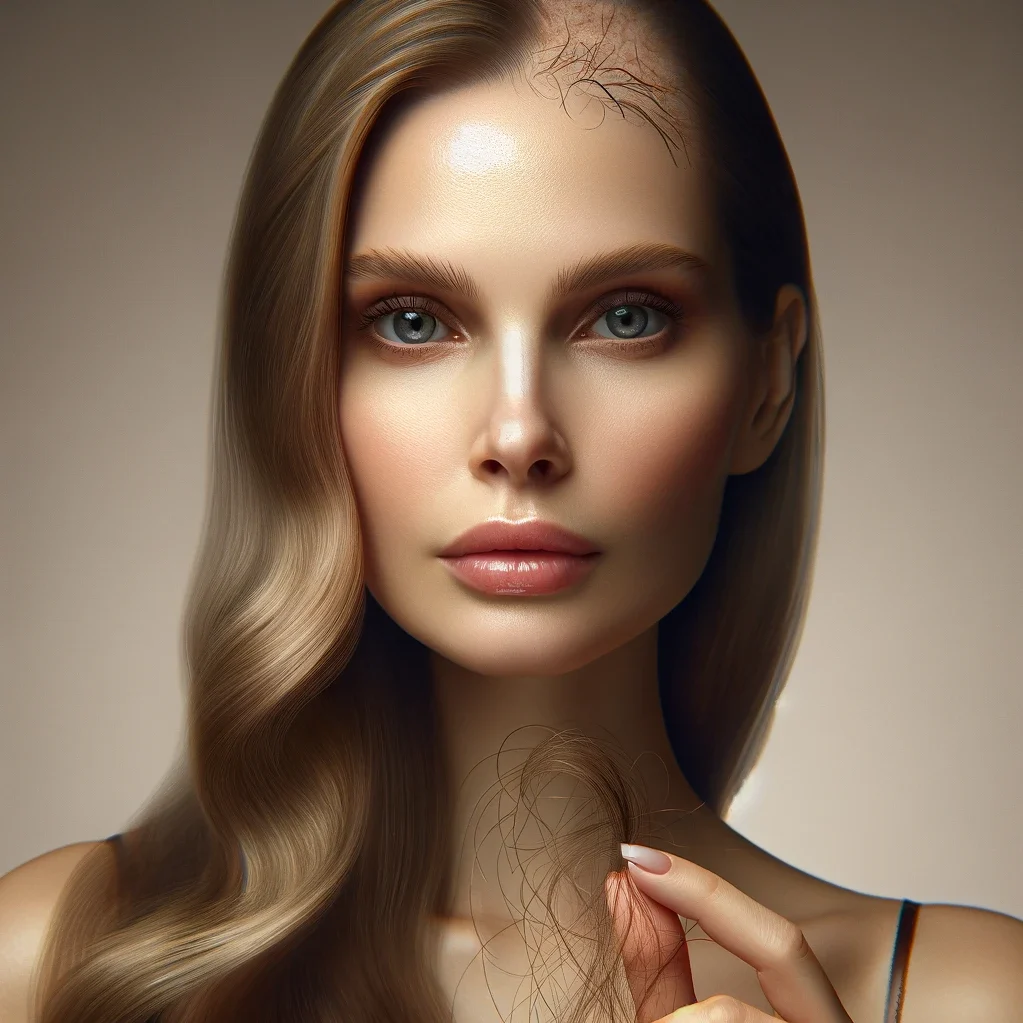
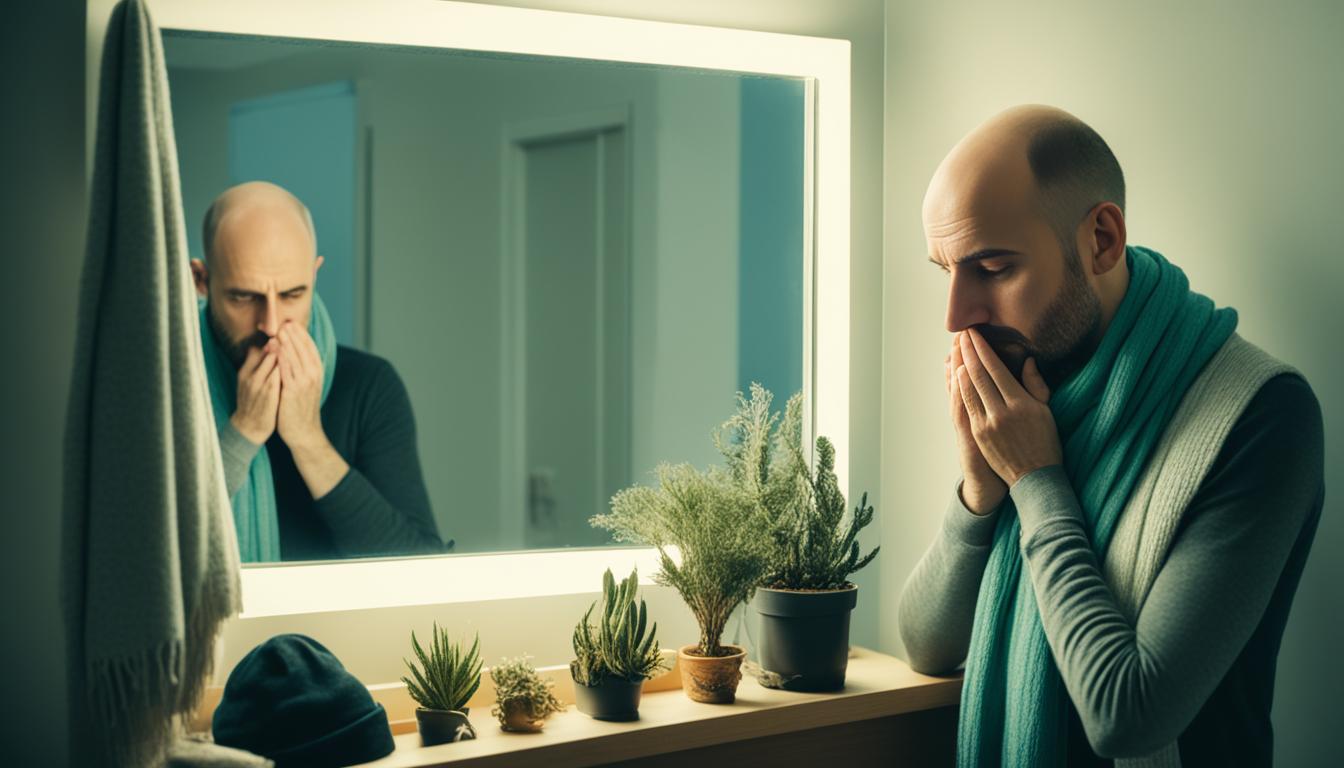
At some point in our lives, most of us experience some form of hair loss. It can be a temporary inconvenience or a long-term battle. However, for individuals with alopecia, hair loss is not just a physical change; it has a profound emotional impact that can affect their overall well-being.
Alopecia, a chronic dermatological disorder, can result in the complete loss of hair on the scalp and sometimes the body. The psychological effects of alopecia can be significant, leading to feelings of anxiety, depression, and isolation. In addition, it can have a detrimental impact on self-esteem, causing individuals to question their identity and struggle with their self-image.
Managing the emotional toll of alopecia requires understanding and support. It is essential to develop coping strategies that address the psychological consequences of hair loss and promote emotional well-being. By doing so, we can empower individuals with alopecia to navigate their journey with confidence and resilience.
Key Takeaways:
- Emotional impact of alopecia goes beyond physical appearance.
- Alopecia can lead to anxiety, depression, and low self-esteem.
- Coping strategies are crucial for managing the emotional toll of alopecia.
- Psychological support and therapy play a significant role in helping individuals with alopecia.
- Building a supportive and inclusive environment is essential for those with alopecia.
Understanding Alopecia and Its Psychological Effects
Alopecia is a chronic inflammatory disease that affects the hair follicles, leading to the loss of hair on the head and sometimes the body. It is an autoimmune disorder that arises from a combination of genetic and environmental influences.
Alopecia, defined as the partial or complete hair loss, is not life-threatening or painful, but it can have significant psychological consequences for those affected. Individuals with alopecia often experience high levels of anxiety and depression, which can have a profound impact on their overall well-being.
The development of alopecia is influenced by both genetic factors and environmental triggers. Genetic predisposition plays a role in determining susceptibility to the disease, while environmental factors such as stress, hormonal changes, or trauma can trigger flare-ups or exacerbate symptoms.
The psychological consequences of alopecia are far-reaching. Hair loss can have a profound impact on an individual’s self-esteem and identity. The visible change in appearance may lead to feelings of self-consciousness, social isolation, and a sense of loss. The emotional struggles related to alopecia can further contribute to anxiety and depression, affecting various aspects of an individual’s life.
Living with alopecia can be emotionally challenging. Each person’s experience is unique, and the psychological impact of hair loss can vary. However, it is essential to acknowledge and address the emotional consequences of alopecia to provide appropriate support and resources for individuals affected by this condition.
By understanding the complexities of alopecia and its psychological effects, we can foster empathy and create a supportive environment for those living with this condition.
Genetic and Environmental Influences on Alopecia
| Genetic Influences | Environmental Influences |
|---|---|
| Inherited gene variants | Stress |
| Family history of alopecia | Hormonal changes |
| Genetic susceptibility to autoimmunity | Trauma or injury to the hair follicles |
The Emotional Journey of Living with Alopecia
For many individuals with alopecia, the experience of hair loss can have a profound psychological impact. The first signs of alopecia can be distressing, evoking emotions such as shock, fear, and sadness. As the hair loss progresses, individuals may grapple with ongoing emotional struggles, including low self-esteem, frustration, and anger.
The psychological distress caused by alopecia extends beyond one’s self-image. It can also significantly affect personal relationships and social interactions. The visible changes in appearance may lead individuals to feel self-conscious, causing them to withdraw from social activities and impacting their connections with others.
Alopecia-induced emotional struggles are a unique journey that calls for understanding and support. Acknowledging these challenges, along with their associated psychological distress, is crucial in providing compassionate care and effective support systems to individuals living with alopecia.
“Hair loss can be devastating for someone’s self-esteem and confidence. It’s important to recognize the emotional impact it has on individuals and extend empathetic support.”
In order to support individuals with alopecia on their emotional journey, it is essential to address and validate their struggles. This includes providing resources for counseling, therapy, and support groups that can help individuals navigate the psychological challenges they face. By offering emotional support, we can empower individuals to develop resilience and cope with the impact of alopecia on their self-esteem and relationships.
Coping Strategies and Emotional Support for Alopecia
Living with alopecia can be emotionally challenging, but there are various coping strategies and sources of emotional support available to help individuals navigate this journey. It’s essential to address the psychological impact of alopecia and provide the necessary tools for managing the emotional challenges that may arise.
Counseling and Therapy
Psychological treatment, such as counseling and therapy, can play a crucial role in helping individuals cope with the emotional consequences of alopecia. Working with a mental health professional can provide a safe space to process and manage feelings of anxiety, depression, and low self-esteem. Through therapy, individuals can develop effective coping mechanisms and regain a sense of control and confidence.
Support Groups
Support groups can be a valuable resource for individuals with alopecia. These groups provide a community where individuals can connect with others who understand their experiences, share insights, and provide mutual support. Being a part of a support group can help combat feelings of isolation and provide a sense of belonging and understanding.
“Being a part of a support group has been life-changing for me. It’s comforting to know that I’m not alone in my struggles and that there are people who truly understand what I’m going through.” – Rachel, Support Group Participant
Self-Care Practices
Engaging in self-care practices is essential for managing the emotional impact of alopecia. Individuals can prioritize activities that promote positive self-esteem and emotional well-being. This may include practicing mindfulness, engaging in hobbies and activities that bring joy, seeking out beauty treatments or styles that make them feel confident, and taking care of their overall physical and mental health.
Education and Advocacy
Education and advocacy can play a significant role in managing the emotional impact of alopecia. By learning about the condition and understanding its causes and treatments, individuals can gain a sense of empowerment and control. Advocacy efforts, such as raising awareness about alopecia, can also help reduce stigma and create a more supportive environment for those affected.
With the right coping strategies and emotional support, individuals with alopecia can navigate the emotional challenges associated with hair loss and thrive in their daily lives.
Support Groups for Individuals with Alopecia
| Support Group Name | Location | Meeting Frequency | Contact Information |
|---|---|---|---|
| Alopecia Support Network | Online | Monthly | www.alopeciasupportnetwork.org |
| Alopecia World | International | Varies | www.alopeciaworld.com |
| Alopecia UK | United Kingdom | Quarterly | www.alopecia.org.uk |
Conclusion
The psychological impact of alopecia should not be underestimated. It is crucial to understand the emotional consequences of hair loss and provide the necessary support and resources for individuals with alopecia. By recognizing the challenges they face and implementing effective coping strategies, we can help improve their emotional well-being and overall quality of life.
Living with alopecia can be a difficult journey, often accompanied by feelings of anxiety, depression, and low self-esteem. However, by promoting awareness and empathy, we can create a supportive and inclusive environment for those with alopecia. It is important to offer emotional support and access to resources that address their unique needs.
Whether it be through psychological treatment, support groups, or self-care practices, there are various avenues for individuals with alopecia to navigate their emotional struggles. By prioritizing their emotional well-being, we can empower them to cope with hair loss and ultimately lead fulfilling lives.
FAQ
What is alopecia?
Alopecia is a chronic inflammatory disease that affects the hair follicles, leading to the loss of hair on the head and sometimes the body. It is an autoimmune disorder that arises from a combination of genetic and environmental influences.
What are the psychological consequences of alopecia?
Alopecia can have significant psychological consequences. People with alopecia may experience high levels of anxiety and depression, as well as feelings of isolation and low self-esteem.
How does alopecia impact emotional well-being?
The experience of hair loss due to alopecia can be emotionally challenging. It can lead to feelings of shock, fear, sadness, low self-esteem, frustration, and anger. Alopecia can also impact personal relationships and social interactions.
What coping strategies are available for individuals with alopecia?
There are several coping strategies for managing the emotional impact of alopecia. Psychological treatment, such as therapy and counseling, can help individuals learn to cope with the emotional consequences. Support groups provide a space for individuals to connect with others who understand their experiences. Engaging in self-care practices and activities that promote positive self-esteem and emotional well-being can also be beneficial.
How can emotional support be helpful for individuals with alopecia?
Emotional support is crucial for individuals with alopecia. It helps them feel understood and less alone in their journey. Support from friends, family, therapists, and support groups can provide validation and encouragement to cope with the emotional struggles of alopecia.