

Did you know that more than 50 million men and 30 million women in the United States experience some form of hair loss? It’s a widespread condition that can have a significant impact on one’s self-esteem and quality of life. However, there is new hope on the horizon. The year 2022 has brought forth remarkable advancements in hair transplant technology, offering advanced restoration techniques and innovative methods for hair transplantation. Let’s delve into the latest breakthroughs in hair transplant technology that have been revealed this year, and discover the potential they hold for transforming the lives of individuals experiencing hair loss.
Key Takeaways:
- New hair transplant technology in 2022 presents exciting opportunities for those dealing with hair loss.
- Advanced restoration techniques and innovative methods are offering innovative solutions for hair transplantation.
- Over 50 million men and 30 million women in the United States are affected by hair loss.
- These advancements have the potential to transform the lives of individuals and boost their self-esteem.
- The latest breakthroughs in hair transplant technology demonstrate ongoing progress in finding effective solutions for hair loss.
Understanding Hair Loss and Its Causes
Hair loss is a common condition that can occur due to various factors, including genetic predisposition, autoimmune disorders, and hormonal imbalances. The hair follicles, which are responsible for hair growth, go through a natural cycle of growth and shedding. However, certain conditions disrupt this cycle, leading to hair loss.
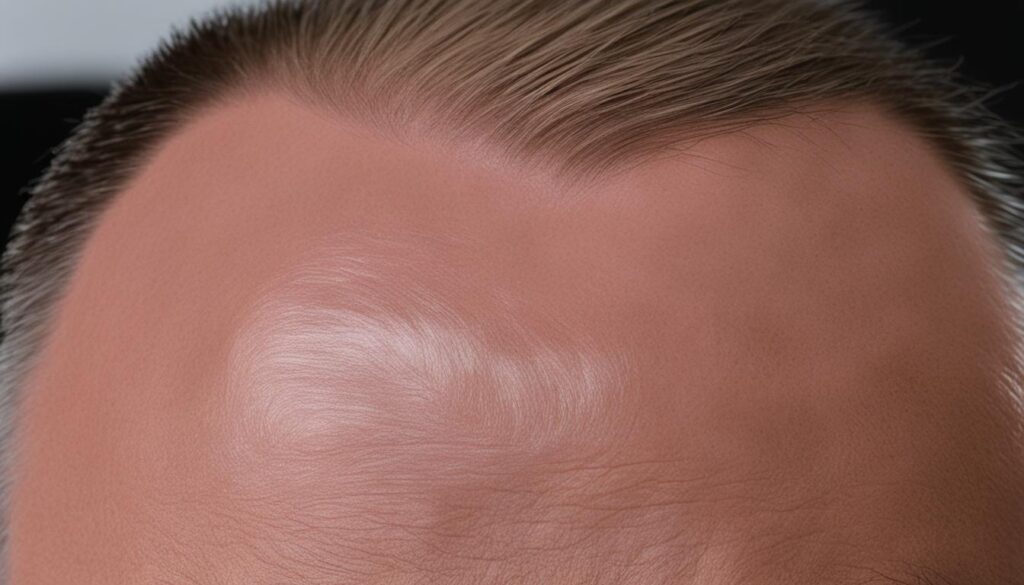
One of the primary causes of hair loss is genetic predisposition, commonly known as genetic hair loss or male pattern baldness. This type of hair loss is hereditary and can affect both men and women. It is characterized by gradual hair thinning and balding in specific patterns, such as receding hairline in men or overall hair thinning in women.
Autoimmune hair loss, such as alopecia areata, is another prevalent cause. In autoimmune disorders, the immune system mistakenly attacks hair follicles, resulting in patchy hair loss. This condition can be unpredictable, with hair regrowth occurring in some cases, but complete baldness in others.
Imbalances in hormones, particularly dihydrotestosterone (DHT), can also contribute to hair loss. DHT is a byproduct of testosterone and can bind to hair follicles, causing them to shrink over time. This process disrupts the hair growth cycle, leading to shorter and thinner hair strands until eventually, no new hair grows.
Understanding the causes of hair loss is crucial in developing effective treatments and advancements in hair transplant technology. By addressing the underlying factors contributing to hair loss, researchers and medical professionals can develop targeted solutions that promote hair growth and restore confidence in individuals experiencing hair loss.
In the next sections, we will explore the advancements in hair transplant technology, medications for hair loss prevention and regrowth, as well as alternative treatments and procedures that offer hope to those seeking solutions for their hair loss concerns.
<!– –>
–>
The Advancements in Hair Transplant Technology
In recent years, the field of hair transplant technology has experienced remarkable advancements, revolutionizing the way individuals address their hair loss concerns. These advancements have introduced innovative techniques and procedures that provide patients with more options for restoring their hair and regaining their confidence.
One notable advancement in hair transplant technology is the development of robotic hair transplant systems, such as the ARTAS system. The ARTAS system utilizes state-of-the-art robotic technology to perform precise and accurate hair transplantation procedures. By automating the process, it minimizes the risk of human errors, ensuring consistent and reliable outcomes.
Another popular technique in hair transplant technology is Follicular Unit Extraction (FUE) surgery. FUE surgery offers a minimally invasive procedure that yields natural-looking results. It involves extracting individual hair follicles from the donor area and implanting them into the recipient area. This approach eliminates the need for a linear scar, resulting in quicker recovery times and less visible scarring. FUE surgery has gained widespread recognition and has become a preferred choice for many individuals seeking hair restoration.
“The advancements in robotic hair transplant systems and FUE surgery have greatly improved the precision, efficiency, and outcomes of hair transplantation procedures. These innovative techniques offer patients a higher level of confidence and satisfaction in their hair restoration journey.”
In summary, the advancements in hair transplant technology, specifically robotic hair transplant systems and FUE surgery, have transformed the field of hair restoration. These innovative techniques provide individuals with more options, ensuring precise and natural-looking results. With ongoing research and development, the future holds even more promise for innovative hair transplant techniques that address the unique needs and desires of patients.

Medications for Hair Loss Prevention and Regrowth
Alongside hair transplant technology, there have been advancements in medications for hair loss prevention and regrowth. Propecia, also known as finasteride, is a medication that has been approved for reducing hair loss and promoting hair regrowth. Minoxidil, commonly found in products like Rogaine, is another medication that stimulates hair regrowth. These medications, combined with the latest hair transplant technology, provide comprehensive solutions for individuals seeking to address their hair loss concerns.
Propecia (finasteride) is an oral medication that works by blocking the enzyme responsible for converting testosterone into dihydrotestosterone (DHT), a hormone that can shrink hair follicles and lead to hair loss. By reducing DHT levels, Propecia helps to slow down hair loss and promotes hair regrowth. It is typically prescribed for men experiencing male pattern baldness and has shown positive results in clinical studies.
Minoxidil, on the other hand, is a topical medication that comes in the form of a solution or foam. It is applied directly to the scalp and can stimulate hair growth by prolonging the growth phase of hair follicles. Minoxidil is available over-the-counter and can be used by both men and women. It is most effective for individuals with early-stage hair loss and can help to slow down hair thinning and promote regrowth.
“Propecia and minoxidil are two commonly used medications for hair loss prevention and regrowth. They can be used alone or in combination with other treatments, such as hair transplant procedures, to provide comprehensive solutions for individuals seeking to address their hair loss concerns.”
It’s important to note that while Propecia and minoxidil can be effective in reducing hair loss and promoting regrowth, results may vary among individuals. It is recommended to consult with a healthcare professional to determine the most suitable treatment approach based on individual needs and medical history.
By combining the latest advancements in hair transplant technology with these medications, individuals can benefit from a comprehensive approach to hair loss prevention and regrowth. The use of medication can help to stabilize hair loss, strengthen existing hair, and promote the growth of new hair follicles. When used in conjunction with hair transplant procedures, medications like Propecia and minoxidil can enhance the overall outcome and provide individuals with the best possible results.
Throughout the years, these medications have become popular choices for individuals seeking non-surgical options for addressing hair loss. They offer convenience and effectiveness, allowing individuals to manage their hair loss concerns in the comfort of their own homes. With continuous advancements in hair loss medications and hair transplant technology, the future looks promising for those looking to restore their hair and regain their confidence.
| Medication | Administration | Effectiveness | Side Effects |
|---|---|---|---|
| Propecia (finasteride) | Oral | Effective in reducing hair loss and promoting regrowth | Potential side effects include decreased libido, erectile dysfunction, and breast tenderness |
| Minoxidil | Topical | Effective in slowing down hair loss and promoting regrowth | Potential side effects include scalp irritation and increased facial hair growth |
Explore Alternative Treatments and Procedures
In addition to traditional hair transplant techniques and medications, alternative treatments and procedures have gained popularity in addressing hair loss. One such treatment is platelet-rich plasma (PRP) therapy. PRP therapy involves the use of a patient’s own blood, which is processed to isolate platelet-rich plasma. This platelet-rich plasma is then injected into the scalp to stimulate hair growth.
PRP therapy is gaining recognition as a non-surgical option for hair restoration, with potential benefits for individuals seeking alternative hair loss treatments. The platelets present in PRP contain growth factors that can promote hair follicle rejuvenation and stimulate new hair growth.
While the effectiveness of PRP therapy may vary depending on the individual, it offers a promising alternative for those who prefer non-invasive procedures and want to explore alternative hair restoration methods. By harnessing the body’s natural healing properties, PRP therapy provides a unique approach to address hair loss concerns.
Exploring alternative treatments and procedures can give individuals a range of options to consider based on their unique needs and preferences. It’s important to consult with a qualified healthcare professional or hair loss specialist to determine the most suitable treatment plan.
Benefits of Platelet-Rich Plasma (PRP) Therapy:
- Non-surgical: PRP therapy is a non-invasive procedure, eliminating the need for surgery.
- Minimal downtime: Patients can resume their daily activities shortly after the treatment.
- Natural approach: PRP therapy utilizes the body’s own healing mechanisms to stimulate hair growth.
- Potential for hair follicle rejuvenation: The growth factors in PRP can help revitalize hair follicles and promote new hair growth.
- Customizable treatment plan: PRP therapy can be tailored to meet the specific needs of each individual patient.
While PRP therapy shows promise as an alternative hair restoration method, it’s important to note that results may vary depending on various factors such as the extent of hair loss and individual response. Consulting a healthcare professional or hair loss specialist can provide more information on whether PRP therapy is a suitable option.
| Treatment Option | Procedure | Cost | Effectiveness |
|---|---|---|---|
| Hair Transplant | Surgical procedure involving the transplantation of hair follicles from the donor area to the recipient area | Varies depending on the extent of hair loss and the number of grafts required | High success rate in restoring hair growth |
| Medications | Topical or oral medications that aim to prevent further hair loss and promote hair regrowth | Costs vary depending on the medication and treatment plan | Varies depending on the individual’s response to the medication |
| Platelet-Rich Plasma (PRP) Therapy | Non-surgical procedure involving the injection of platelet-rich plasma into the scalp to stimulate hair growth | Varies depending on the number of treatment sessions | Results may vary, but PRP therapy offers a potential non-surgical alternative |
It’s important to remember that each hair loss treatment option has its own benefits and considerations. Consulting with a healthcare professional or hair loss specialist can help individuals determine the most suitable treatment approach based on their unique circumstances.
Conclusion
2022 has witnessed remarkable advancements in hair transplant technology, providing individuals with a comprehensive range of solutions for tackling hair loss. These developments have brought hope and confidence to those seeking effective and long-lasting remedies. With the introduction of robotic transplant systems like the ARTAS system, precision and accuracy have been significantly improved in hair transplantation procedures. Additionally, innovative medications such as Propecia and Minoxidil have proven to be valuable tools in preventing hair loss and promoting regrowth.
Furthermore, alternative treatments and procedures, like platelet-rich plasma (PRP) therapy, have gained popularity as non-surgical options for hair restoration. PRP therapy stimulates hair growth using the patient’s own blood and offers a promising alternative for those exploring different approaches to combat hair loss.
The future of hair transplant technology looks promising, with ongoing research and development paving the way for even more breakthroughs and improved outcomes. As new advancements continue to emerge, individuals experiencing hair loss can find solace in the ever-expanding range of options available to them. Whether it’s through advancements in robotic systems, medications, or alternative treatments, individuals can now regain control over their hair and restore their confidence.
FAQ
What is hair loss?
Hair loss is a common condition that occurs due to various factors, such as genetics, autoimmune conditions, and hormonal imbalances. It involves the shedding or thinning of hair, leading to baldness or visible scalp.
What causes hair loss?
Hair loss can be caused by a range of factors, including genetic predisposition, certain medical conditions like alopecia areata, hormonal imbalances, stress, nutritional deficiencies, and certain medications or treatments.
What are hair follicles?
Hair follicles are small, pocket-like structures in the skin that produce hair. They are responsible for the growth, maintenance, and regeneration of hair strands.
What is genetic hair loss?
Genetic hair loss, also known as male or female pattern baldness, is a hereditary condition in which hair progressively thins and falls out in certain areas of the scalp. It is the most common cause of hair loss.
What is autoimmune hair loss?
Autoimmune hair loss, such as alopecia areata, occurs when the body’s immune system mistakenly attacks the hair follicles, leading to hair loss in patches or completely bald areas.
What is robotic hair transplant technology?
Robotic hair transplant technology involves the use of advanced robotic systems, like the ARTAS system, to carry out precise and accurate hair transplantation procedures. It reduces the risk of human error and enhances the efficiency of the transplant process.
What is Follicular Unit Extraction (FUE) surgery?
FUE surgery is a modern hair transplantation technique that involves extracting individual hair follicles from donor areas (usually at the back of the head) and implanting them into areas experiencing hair loss. It offers natural-looking results with minimal scarring and faster recovery.
What medications are available for hair loss prevention and regrowth?
Two common medications used for hair loss prevention and regrowth are Propecia (finasteride) and minoxidil. Propecia works by blocking the conversion of testosterone into dihydrotestosterone (DHT), which is the hormone responsible for hair loss. Minoxidil stimulates hair growth and prolongs the growth phase of the hair follicles.
What is platelet-rich plasma (PRP) therapy?
PRP therapy is a non-surgical hair restoration procedure that uses a patient’s own blood. The blood is processed to extract the platelet-rich plasma, which is then injected into the scalp to stimulate hair growth. It is believed to promote the regeneration of hair follicles and improve hair density.
Are alternative treatments effective for hair loss?
Alternative treatments, such as PRP therapy and other procedures like microneedling and laser therapy, have shown promising results in some individuals. However, the effectiveness may vary, and it is essential to consult with a qualified professional to determine the most suitable treatment option.
What are the benefits of advancements in hair transplant technology?
The advancements in hair transplant technology provide individuals with more options for restoring their hair. Robotic hair transplant systems offer precision and accuracy, while FUE surgery minimizes scarring and offers natural-looking results. These advancements enhance the overall success and satisfaction rates of hair restoration procedures.