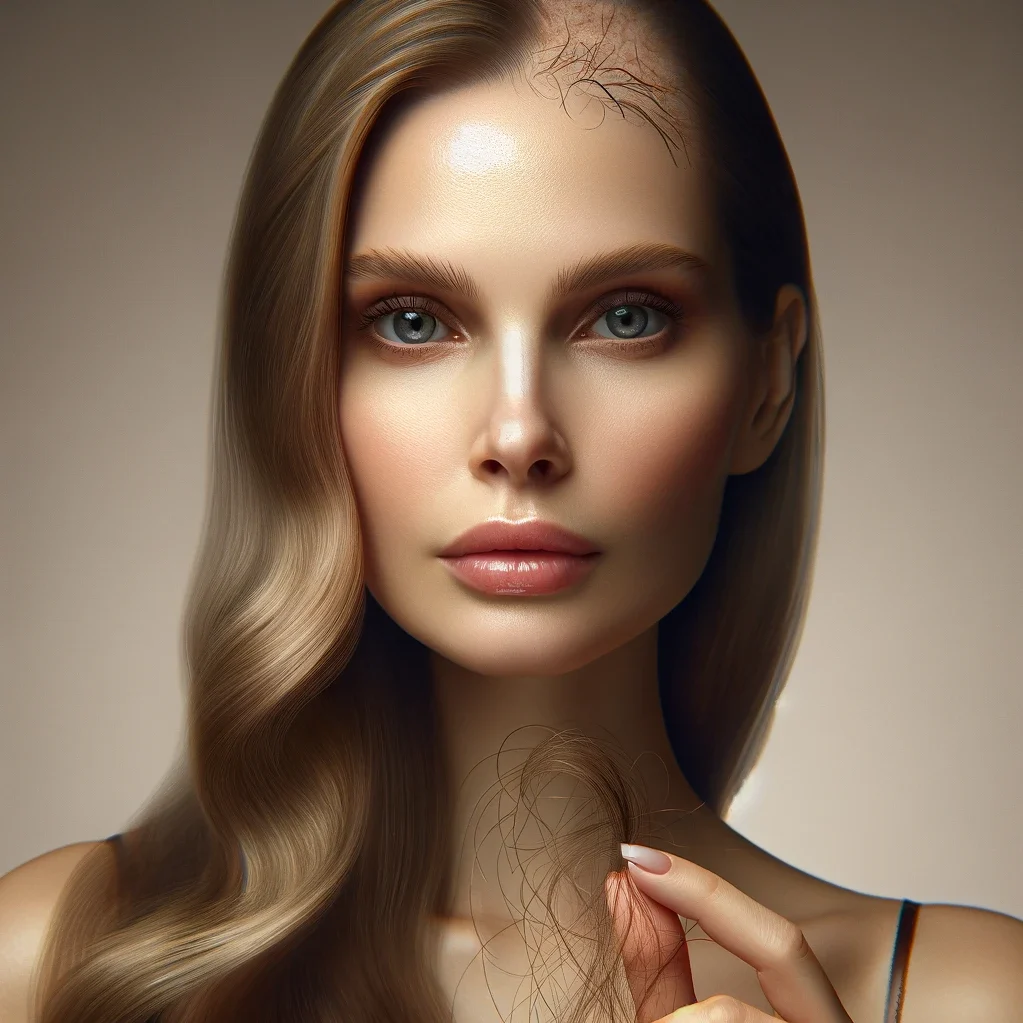
Did you know that female hair loss affects approximately 50% of women? While it may be less commonly discussed, hair loss in women is a prevalent issue that can have a significant impact on their self-esteem and quality of life. Female pattern hair loss, which is often attributed to hormonal imbalances, affects about one-third of women in the U.S. Understanding the connection between hormonal imbalance and hair loss is crucial in exploring the causes and potential treatments for this common issue.
Key Takeaways:
- Hair loss is a prevalent issue affecting around 50% of women.
- Female pattern hair loss, associated with hormonal imbalances, affects about one-third of women in the U.S.
- Understanding the connection between hormonal imbalance and hair loss is crucial in exploring causes and potential treatments.
The Hair Growth Cycle and Hormonal Imbalance
To comprehend the impact of hormonal imbalance on hair loss, it’s essential to understand the hair growth cycle. The hair growth cycle consists of four stages: anagen (growth), catagen (detachment), telogen (resting), and exogen (shedding). In female pattern hair loss, the anagen phase becomes shorter while the telogen phase becomes longer, resulting in a lack of replacement hairs. This disruption in the hair growth cycle is often associated with hormonal imbalances.
During the anagen phase, the hair follicles are actively growing and producing new hairs. This phase typically lasts for 2-6 years and determines the length of the hair. In the catagen phase, the hair follicles detach from the blood supply and undergo a transitional period that lasts for about 2-3 weeks. The telogen phase, also known as the resting phase, follows the catagen phase and lasts for approximately 2-4 months. During this period, the hair follicles are dormant and no longer growing. Finally, the exogen phase, or shedding phase, occurs when the old hair shaft is detached from the follicle and falls out.
In female pattern hair loss, hormonal imbalances disrupt the normal progression of the hair growth cycle. The shortened anagen phase means that the hair follicles spend less time actively producing new hairs. Additionally, the extended telogen phase results in an increased number of hairs in the resting phase and a delay in the growth of replacement hairs.

Female Pattern Hair Loss and its Characteristics
Female pattern hair loss, also known as androgenetic alopecia, is a common condition that affects women. Unlike male pattern baldness, which typically starts with a receding hairline and results in a horseshoe-shaped bald spot, female pattern hair loss is characterized by a diffuse thinning of hair across the scalp.
This type of hair loss in women is often attributed to hormonal imbalances, specifically an excess of dihydrotestosterone (DHT), a potent form of testosterone. DHT can cause miniaturization of hair follicles, leading to thinner and shorter hairs that are less able to grow and regenerate. This hormonal imbalance disrupts the natural hair growth cycle, resulting in the gradual thinning of hair all over the scalp rather than specific bald patches.
To better understand the characteristics of female pattern hair loss, it’s important to compare it to male pattern baldness:
| Male Pattern Baldness | Female Pattern Hair Loss |
|---|---|
| Receding hairline | Diffuse thinning |
| Horseshoe-shaped bald spot | Thinning hair all over the scalp |
| Localized areas of baldness | No specific bald patches |
This unique pattern of hair loss in women necessitates tailored approaches for diagnosis and treatment. Understanding the underlying hormonal imbalance is crucial in developing effective strategies to manage female pattern hair loss and promote hair regrowth.

In text must include SEO relevant keywords – female pattern hair loss hormonal imbalance, female pattern hair loss androgenetic alopecia.
Please use only these HTML tags for structuring and formatting the content:
: Apply these tag to create paragraphs.
: Use this tag to emphasize text in italics, drawing attention to specific words or phrases.
: This tag is used to highlight quotes or long direct speeches, separating them from the main text.
: Apply these tags to create headings (h3), when relevant and suitable. Avoid placing “H3: headers” immediately after “H2:”; instead, insert a brief introductory passage prior to using “h3: headers”. The H3 tag should not have the name of the H2 tag.
and
: Use them to form ordered (with numbers) and unordered (with bullets) lists. Add individual list items using the li tag.
Ensure all output is in American English.
Tone of voice: Professional.
Point of view: Third person (he, she, it, they).
Target country: United States.Do not embed any links to external websites.
All text must be HTML tags, begin with thetag and and have at least a
tag. If any tag opens with , it must be closed with >.
Avoid using fictitious names and titles such as ‘John Doe’, ‘name X, Y, Z’, ‘XYZ’, ‘name A, B, C’, etc. in your writing. Always use real names and brands to ensure authenticity. In addition, focus on producing informative, persuasive, and original content that precisely aligns with the topic and audience, steering clear of generic names or placeholders.
Do not write “Conclusion”, “Section”.
Without “The sequel follows….”, “comments” and “other explanations”.
,
, , : Apply these tags to create and structure tables, when relevant and suitable. Use table for creating a table, tr for defining rows, th for column headers, and td for cells with data. The table must be detailed and visually engaging, with no empty cells, ensuring a complete and informative presentation. If comparative, the data should showcase clear, relevant contrasts to underline genuine insights and provoke thoughtful analysis. Don’t write the word “Table” when designing a table. If you don’t have data for a table, don’t make it blank or with dashes or names that don’t exist. . Do not write “Image source:” or any other descriptions under the image, any other links. Only img and alt tags, without additional width=, align=, style=, or other auxiliary attributes. Choose the placement of the image so that it is visually appealing and relevant to the topic of the blog post, but it should only be in the center, not left and right, but in the center. The alt attribute should contain the keyword related to the current section.
There must be tables (It should be finished with a complete table), lists, quotes, H3 if it is relevant.
The text should not be duplicated.
In the title of H2 and Table, there should be no “Section:” or “Table:”, only clean, beautiful names.
Hormones Involved in Female Hair Loss
Various hormones, particularly androgens such as testosterone and DHT, play a significant role in female hair loss. When there is an excess of these hormones, typically caused by hormonal imbalances, it can lead to hair follicle shrinkage and disruption of the hair growth cycle. Hormonal imbalances can be influenced by factors like menopause, stress, and thyroid issues, which further contribute to hair loss in females. Understanding the hormonal factors involved in female hair loss is essential in developing effective treatment strategies.
Excessive levels of androgens like testosterone and DHT can cause hair follicle shrinkage, leading to hair loss. These hormones affect the balance between hair growth and shedding, disrupting the normal hair growth cycle. Additionally, other hormonal imbalances related to menopause, stress, and thyroid issues can further exacerbate hair loss in females. Identifying and addressing these underlying hormonal imbalances is crucial to develop successful treatment plans.
In order to develop effective treatment strategies for female hair loss, it is important to understand the role of various hormones involved. Androgens, such as testosterone and DHT, are particularly influential in regulating hair growth and the hair growth cycle. Hormonal imbalances, characterized by excess levels of these hormones, can lead to hair follicle shrinkage and disruption in the hair growth cycle. In addition to androgens, factors like menopause, stress, and thyroid issues can also contribute to hormonal imbalances and subsequent hair loss. Therefore, gaining a comprehensive understanding of the hormonal factors involved in female hair loss is crucial for successful treatment.
By addressing the hormonal imbalances that contribute to hair loss in females, it is possible to develop effective treatment strategies. These strategies may include hormone therapy, lifestyle modifications to reduce stress levels, and managing underlying conditions such as thyroid issues. Seeking professional guidance from a healthcare provider or dermatologist specializing in female hair loss is recommended to identify the hormonal imbalances specific to an individual and personalize the treatment approach. By targeting the underlying hormonal factors, it is possible to restore hair health and promote regrowth in women experiencing hair loss due to hormonal imbalances.
Excessive levels of hormones, particularly androgens like testosterone and DHT, can lead to hair follicle shrinkage and disrupt the hair growth cycle. Hormonal imbalances caused by factors like menopause, stress, and thyroid issues further contribute to hair loss in females.
Hormones Involved in Female Hair Loss
| Hormone | Role in Hair Loss |
|---|---|
| Testosterone | Excess levels can lead to hair follicle shrinkage |
| DHT (Dihydrotestosterone) | High levels disrupt the hair growth cycle |
| Estrogen | Imbalance can contribute to hair loss |
| Progesterone | Low levels can impact hair growth |
| Cortisol | High stress levels can lead to hormonal imbalances and hair loss |
Understanding the specific role of each hormone involved in hair loss in females helps in formulating targeted treatment strategies. By addressing hormonal imbalances and promoting hormone balance, it is possible to restore hair health and prevent further hair loss.
Treatment Options for Female Pattern Hair Loss
Female pattern hair loss can be effectively treated through a variety of approaches. These treatment options address the underlying hormonal imbalances that contribute to hair loss in women. By targeting the root causes, these treatments aim to restore hair growth and promote a healthier scalp.
Minoxidil: Stimulating Hair Growth
One of the most common treatments for female pattern hair loss is minoxidil, a topical solution that stimulates blood flow to the hair follicles. By improving circulation, minoxidil supports hair growth and can help reverse the effects of hair loss. This over-the-counter treatment is applied directly to the scalp and is available in various strengths. Consistency is key when using minoxidil, as results may take several months to become noticeable.
Anti-Androgen Medication: Reducing Androgen Levels
Anti-androgen medications are another effective treatment option for female pattern hair loss. These medications work by inhibiting the production of androgens, such as testosterone and DHT, which can contribute to hair loss. By reducing androgen levels, anti-androgens help to prevent further hair follicle shrinkage and promote regrowth. However, it’s essential to consult a healthcare professional before starting anti-androgen medication, as these drugs may have potential side effects and require careful monitoring.
Hormone Testing: Identifying Imbalances
Getting a comprehensive view of hormonal balance through hormone testing can provide valuable insights into the specific imbalances contributing to hair loss. Hormone testing allows healthcare providers to measure hormone levels and identify any abnormalities or deficiencies. By understanding the individual’s hormonal profile, tailored treatment plans can be developed to address the specific hormonal imbalances causing hair loss. Hormone testing can help guide treatment decisions and monitor progress over time.
Other Causes of Hair Loss in Women
While hormonal imbalance is a common cause of hair loss in women, it’s important to consider other factors as well. Various conditions, medications, and deficiencies can contribute to hair loss in females. Here are some of the other causes to be aware of:
- Pregnancy: During pregnancy, hormonal changes can cause hair to enter a resting phase, resulting in increased shedding after childbirth.
- Autoimmune Disorders: Conditions like alopecia areata and lupus can trigger hair loss by mistakenly attacking the hair follicles.
- Polycystic Ovary Syndrome (PCOS): This hormonal disorder can lead to increased levels of androgens, which can contribute to hair thinning and loss.
- Certain Medications: Some medications, such as chemotherapy drugs, anticoagulants, and antidepressants, can cause hair loss as a side effect.
- Nutritional Deficiencies: Inadequate intake of essential nutrients like iron, zinc, and vitamins D and E can impair hair growth and lead to hair loss.
- Medical Conditions: Thyroid disorders, scalp infections, and skin conditions like psoriasis can disrupt the hair growth cycle and result in hair loss.
Identifying the underlying cause of hair loss is crucial in developing an effective treatment plan. By addressing the specific factors contributing to hair loss, healthcare providers can tailor treatment approaches to meet individual needs.
Seeking Professional Help for Hair Loss in Women
Dealing with hair loss can be emotionally challenging, causing self-consciousness and embarrassment. It’s important to seek professional help from a healthcare provider or dermatologist who specializes in hair loss in women. They can assess your specific situation, identify any underlying causes, and recommend appropriate treatment options. Additionally, they can provide support and guidance throughout the process to help restore hair health and boost confidence.
“”Seeking professional help is essential when dealing with hair loss. A healthcare provider or dermatologist with expertise in female hair loss can provide the necessary guidance and support. They have the knowledge and experience to evaluate your specific condition, identify any hormonal imbalances, and recommend appropriate treatment options. With their help, you can address the underlying causes of hair loss and embark on a journey towards regaining your hair health.” – Dr. Jane Thompson, Dermatologist
Why Should You Seek Professional Help?
When it comes to addressing hair loss in women, it’s crucial to consult with professionals who specialize in this field. Here are some reasons why seeking professional help is beneficial:
- Accurate Diagnosis: A healthcare provider or dermatologist can determine the exact cause of your hair loss through a comprehensive evaluation, including medical history, physical examination, and possibly blood tests. This ensures that the treatment plan targets the underlying hormonal imbalances effectively.
- Customized Treatment Plan: Professionals can tailor a treatment plan specifically to your needs, taking into consideration your health, lifestyle, and desired outcomes. This personalized approach maximizes the chances of successful hair restoration.
- Expertise in Available Options: Healthcare providers and dermatologists stay updated on the latest advancements in hair loss treatments. They can educate you about various treatment options, such as medications, topical solutions, and lifestyle changes, helping you make informed decisions.
- Monitoring and Follow-Up: Regular check-ups with professionals allow for close monitoring of your progress and adjustments to the treatment plan, if necessary. They can also provide guidance on hair care practices and recommend additional therapies, such as laser treatments or scalp massages, to supplement the primary treatment.
When seeking professional help, remember to prepare relevant information beforehand, such as your medical history, details about hormonal changes, and any supplements or medications you are currently taking. This will help the healthcare provider or dermatologist better understand your situation and craft an effective treatment plan.
Testimonials
“I felt anxious and self-conscious about my hair loss, but seeking professional help was the best decision I made. My dermatologist helped identify a hormonal imbalance and recommended a personalized treatment plan. With their support, my hair started regrowing, and my confidence improved.” – Sarah Johnson
“After trying various over-the-counter products without success, I decided to consult a healthcare provider who specializes in female hair loss. They conducted thorough tests and discovered an underlying hormonal imbalance. With their prescribed treatment and ongoing guidance, I’m now on the path to healthier and fuller hair.” – Emily Wilson
By seeking professional help for hair loss in women, you’re taking a proactive step towards addressing the issue and restoring your hair health. Remember, you don’t have to face this challenge alone – reach out to experts who can provide the guidance and expertise you need.
Conclusion
Hair loss in women can be a distressing issue that affects many individuals. Hormonal imbalances have been identified as a significant factor contributing to female hair loss. By understanding the connection between hormones and hair loss, women can identify the underlying causes and explore effective treatment strategies.
Addressing hormonal imbalances is crucial in managing hair loss in women. In addition to hormonal imbalances, other factors such as stress, menopause, and thyroid issues should also be considered. By addressing these contributing factors and seeking professional help, women can actively combat hair loss and promote hair regrowth.
Various treatment options are available for female pattern hair loss. Topical solutions like minoxidil can stimulate hair growth, while anti-androgen medications can inhibit the production of androgens that contribute to hair loss. A comprehensive approach that includes hormone testing can also help identify specific imbalances and guide personalized treatment plans.
It is important for women experiencing hair loss to seek professional help from healthcare providers or dermatologists specializing in hair loss. These professionals can provide personalized assessments, identify underlying causes, and recommend suitable treatment options. With the right support and proactive steps, women can regain confidence and restore hair health.
FAQ
What is the connection between hormonal imbalance and hair loss in females?
Hormonal imbalance can disrupt the hair growth cycle, leading to hair loss in women. It can cause the anagen phase (growth phase) to become shorter and the telogen phase (resting phase) to become longer, resulting in a lack of replacement hairs.
How does female pattern hair loss differ from male pattern baldness?
Female pattern hair loss typically presents as diffuse thinning, with patches of hair becoming thinner all over the scalp, rather than localized areas of baldness. It is primarily attributed to hormonal imbalances, particularly an excess of dihydrotestosterone (DHT).
Which hormones are involved in female hair loss?
Androgens such as testosterone and DHT play a role in female hair loss. Excess levels of these hormones, often due to hormonal imbalances, can lead to hair follicle shrinkage and disruption of the hair growth cycle.
What are the treatment options for female pattern hair loss?
The most common treatment is minoxidil, a topical solution that stimulates blood flow to the hair follicles and supports hair growth. Anti-androgen medication can also be prescribed to inhibit the production of androgens, reducing the levels of DHT.
Can hormonal imbalance be the sole cause of hair loss in women?
While hormonal imbalance is a common cause of hair loss in women, other factors such as pregnancy, autoimmune disorders, polycystic ovary syndrome (PCOS), certain medications, nutritional deficiencies, and various medical conditions can also contribute to hair loss.
When should I seek professional help for hair loss in women?
It is recommended to seek professional help from a healthcare provider or dermatologist who specializes in hair loss in women if you are experiencing significant hair loss. They can assess your specific situation, identify any underlying causes, and recommend appropriate treatment options.