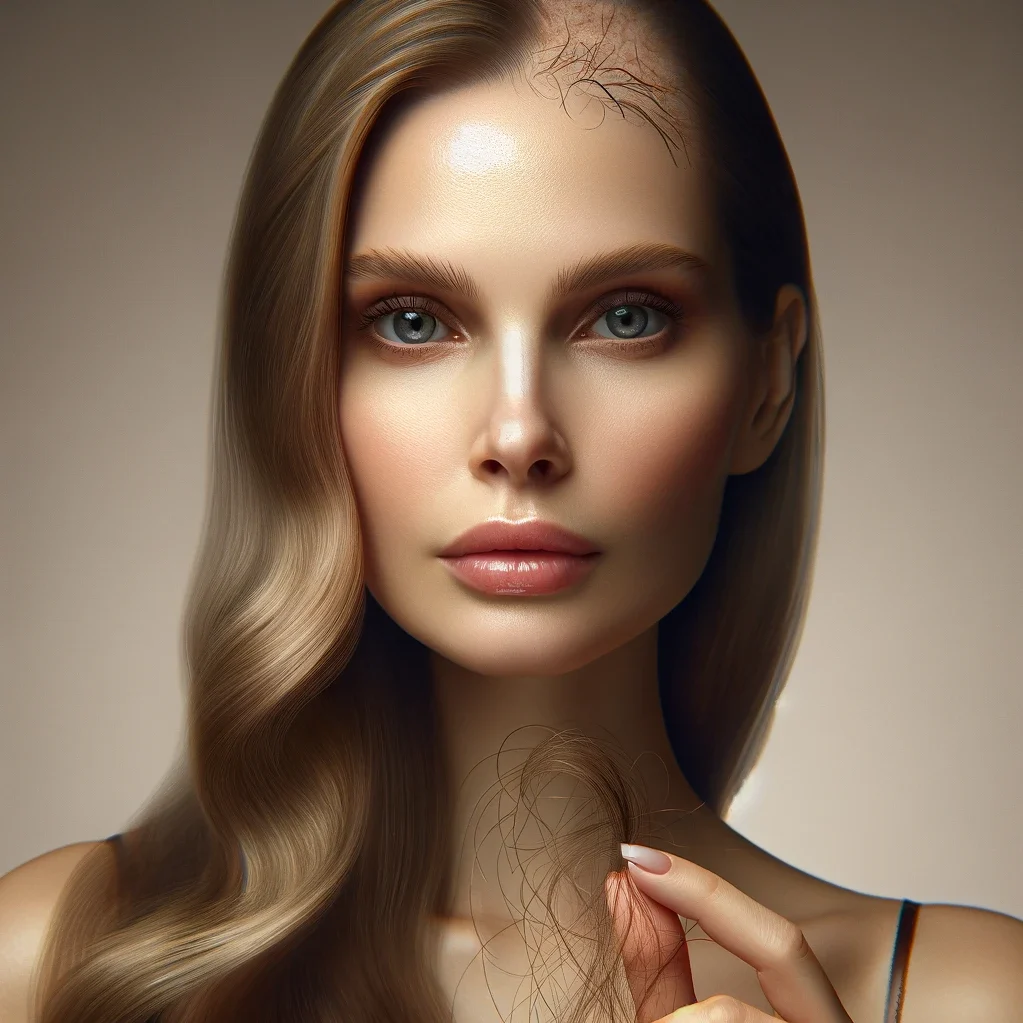
Have you been noticing thinning hair or a receding hairline? Are you concerned about hair loss in women? You may be surprised to learn that hair loss is not just a male issue. In fact, millions of women worldwide experience hair loss at some point in their lives.
While it’s common to shed some hair every day, excessive hair loss can be a cause for concern. So, how can you tell if you’re at risk of losing your locks?
In this article, we will explore the signs of hair loss in women, the potential causes, and the available treatment options. Whether you’re experiencing hair thinning or just curious about female hair loss symptoms, we’ve got you covered.
Key Takeaways:
- Hair loss in women is a common issue that should not be ignored.
- Signs of hair loss in women include general hair thinning, widening part, and receding hairline.
- Hormonal changes, genetic factors, and certain medical conditions can contribute to hair loss in women.
- Treatment options for hair loss in women include topical medications, hair transplant surgery, and lifestyle modifications.
- Consulting with a healthcare professional is essential for an accurate diagnosis and personalized treatment plan.
Causes of Hair Loss in Women
There are several causes of hair loss in women. Understanding these causes can help identify the underlying factors contributing to hair shedding in women and facilitate appropriate treatment. Some of the common causes include:
- Hormonal Changes: Hormonal fluctuations, such as those experienced during menopause or pregnancy, can lead to hair loss in women. These changes negatively impact the hair growth cycle, resulting in thinning of the hair.
- Female Pattern Baldness: Female pattern baldness, scientifically known as androgenetic alopecia, is a prevalent cause of hair loss in women. It is often hereditary and characterized by progressive hair thinning, particularly on the top and crown of the head.
- Medical Conditions: Several medical conditions can trigger hair loss in women. Conditions like thyroid disorders, autoimmune diseases, and scalp infections can disrupt the normal hair growth cycle, leading to excessive shedding.
- Medications: Certain medications, such as those used in chemotherapy, blood thinners, and hormonal treatments, can cause temporary or permanent hair loss in women as a side effect.
- Styling Practices: Overuse of heat styling tools, tight hairstyles like braids or ponytails, and chemical treatments like perming or straightening can exert excessive strain on the hair, leading to breakage and hair loss.
“Understanding the root cause of hair loss in women is crucial in developing effective treatment strategies and preventing further hair thinning.”
It’s essential to identify the specific cause of hair loss in women to determine the most suitable treatment approach. Consulting a healthcare professional or a dermatologist can provide an accurate diagnosis and personalized treatment plan.

| Cause | Symptoms |
|---|---|
| Hormonal Changes (e.g., menopause, pregnancy) | General hair thinning, receding hairline |
| Female Pattern Baldness (androgenetic alopecia) | Progressive hair thinning on crown and top of the head |
| Medical Conditions (e.g., thyroid disorders) | Excessive hair shedding, scalp infections |
| Medications (e.g., chemotherapy) | Temporary or permanent hair loss as a side effect |
| Styling Practices (e.g., heat styling, tight hairstyles) | Hair breakage, loss due to mechanical stress |
Women’s Hair Loss Treatment Options
When it comes to women’s hair loss treatment, there are several options available to address the various causes of female alopecia symptoms. These treatment approaches aim to stimulate hair growth, slow down hair loss progression, and prevent further hair thinning.
Topical medications such as minoxidil can be an effective option for women experiencing hair loss. Minoxidil is a solution or foam that is applied directly to the scalp to stimulate hair follicles and promote growth. It is available over-the-counter and can help slow down the rate of hair loss in women.
Hair transplant surgery may be an option for women experiencing severe hair loss and female pattern baldness. During the procedure, hair follicles are transplanted from areas with healthy hair growth to areas with thinning or balding hair. Hair transplant surgery can provide long-lasting results, but it is important to consult with a healthcare professional to determine if you are a suitable candidate.
Some women may find success in managing hair loss by adapting certain lifestyle modifications. A healthy diet rich in essential nutrients, such as vitamins A, C, E, and D, can promote hair growth and overall hair health. Additionally, managing stress levels through techniques like meditation or exercise can help prevent stress-related hair loss.
To summarize, women’s hair loss treatment options include the use of topical medications like minoxidil, hair transplant surgery for severe cases, and adopting a healthy lifestyle. It is important to consult with a healthcare professional who specializes in hair loss to determine the best treatment approach for your specific situation.
Topical Medications for Women’s Hair Loss
| Medication | Active Ingredient | How it Works |
|---|---|---|
| Rogaine | Minoxidil | Stimulates hair follicles and promotes hair growth |
| Loniten | Minxoidil | Can be used for more severe cases of hair loss, but may have side effects |
Conclusion
Experiencing hair loss can be a distressing experience for women, but it’s important to know that there are ways to address this issue. By recognizing the signs of hair loss in women, such as hair thinning and receding hairline, we can take proactive steps to prevent further hair loss and promote healthy hair growth.
Consulting with a healthcare professional is crucial to get an accurate diagnosis and personalized treatment plan. They can guide us in determining the best course of action, whether it’s through topical medications like minoxidil, hair transplant surgery, or making lifestyle modifications.
Implementing a healthy lifestyle, including a balanced diet and stress management, can play a significant role in preventing hair loss in women. Alongside professional guidance, we can adopt these measures to support our hair health and maintain our self-confidence.
FAQ
What are the signs of hair loss in women?
The signs of hair loss in women can include general hair thinning, especially at the crown of the head. Women may also notice a widening part or receding hairline.
What are the common causes of hair loss in women?
Hair loss in women can be caused by hormonal changes during menopause or pregnancy, female pattern baldness, certain medical conditions, medications, and styling practices that put strain on the hair.
What are the treatment options for hair loss in women?
Treatment options for hair loss in women include topical medications like minoxidil, hair transplant surgery for severe hair loss, and lifestyle modifications such as a healthy diet and stress management.
How can women prevent hair loss?
Women can prevent hair loss by monitoring any changes in their hair, seeking early treatment for hair loss, and adopting a healthy lifestyle that includes a balanced diet and stress management.